A cosmetic bag GWP material decision is not an environmental slogan. It is a claim wording, certificate scope, material limit, sample approval and supplier evidence question that should be clarified before the buyer approves artwork, packaging or bulk.
TL;DR: Choose the material route by product fill, campaign tier, claim wording, certificate scope, logo method, packing route and RFQ evidence. A material name alone does not prove recycled content, textile safety, paper sourcing, color performance or bulk consistency. Ask what the material or certificate proves, what it does not prove and which documents or sample photos should be attached before bulk.
Buyer Summary
The procurement conclusion is clear: do not choose a Beauty GWP cosmetic bag material only by fabric name. Buyers should compare rPET, recycled nylon, canvas with lining, vegan leather alternatives, Tyvek, clear TPU-style routes and paper packaging by product fill, campaign tier, claim wording, available documentation, logo method, sample approval and packing scope. The RFQ should ask suppliers to state what the material evidence covers, what it does not cover and which batch, color, component or packaging layer the evidence belongs to before quote.
Best fit
This guide is best for skincare, makeup, fragrance, haircare, wellness, travel retail and loyalty teams choosing cosmetic bag materials for a Beauty GWP, launch kit or makeup promotion before sampling. It fits buyers who need to compare a soft pouch, structured vanity bag, clear pouch, canvas bag, recycled polyester route, vegan leather alternative or paper packaging layer. It is especially useful when the campaign has claim wording, retailer review, product fill, target quantity, launch timing, logo method and packaging scope, but the team still needs to understand which material evidence can support the claim and which approval checks still belong in the RFQ.
Less suitable
This guide is less suitable for one-piece personal purchases, blank stock orders, no-brand resale projects or early trend discussions where no product fill, market version, target quantity or approval owner is known. It is also not the right workflow when the buyer wants broad environmental wording without component-level evidence. Material decisions become useful when the team can connect the bag surface, lining, zipper, print, insert card and carton plan to real claim wording and supplier documents. This guide does not replace legal review, retailer review, customs advice, lab testing or destination-market packaging checks where those steps are required.
What this material or certificate proves and does not prove
The useful question is not whether one material sounds better than another. The useful question is what the material route or certificate proves for this exact Beauty GWP program. A document may cover fiber content, a management system, a paper source, textile safety testing or a supplier process. It may not cover finished-bag performance, all colors, all trims, every packaging layer or the buyer’s final marketing copy.
For recycled-content routes, buyers can use Textile Exchange GRS context [1] where the scope matches the material. For textile safety discussions, OEKO-TEX STANDARD 100 [2] can support component review. For paper packaging, FSC paper sourcing context [3] may be relevant. Claim wording should also be checked against FTC environmental marketing guidance [4] and EU Green Claims direction [5]. Repeatable approval records can reference ISO 9001 quality-management context [6], while California-facing programs may need to review California Proposition 65 warning information [7] where materials, coatings, inks, trims or packaging create a review need.
| Material/certificate | proves | does not prove | RFQ evidence |
|---|---|---|---|
| rPET or recycled nylon with GRS route | Recycled-content documentation may exist for a defined material scope. | Finished-bag durability, all colors, all trims or final claim copy. | Certificate scope, material composition, color route and finished-sample photos. |
| OEKO-TEX STANDARD 100 route | Textile component testing may be available for defined materials. | A full Beauty GWP claim, product fit or packaging performance. | Component name, test scope, color, lining and supplier document. |
| FSC paper packaging route | Paper or packaging sourcing evidence may apply to a defined paper component. | Fabric sourcing, bag performance or full gift-set approval. | Paper spec, print file, sleeve or insert scope and carton mark. |
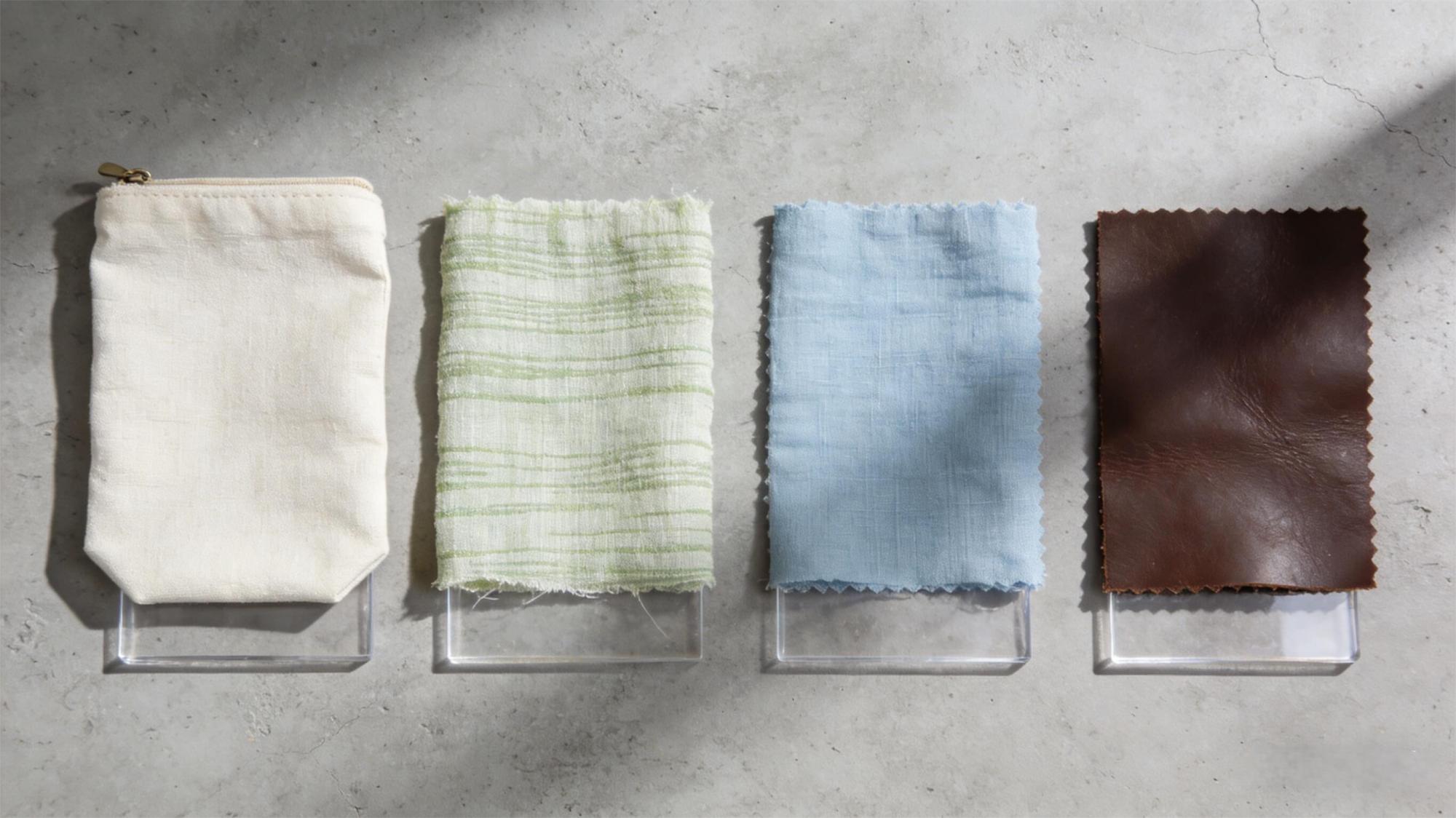
| Canvas with lining | Natural handfeel and a soft brand look can be planned. | Stain behavior, shrinkage, lining safety or broad environmental wording. | Fabric weight, lining route, product-fill photo and claim wording. |
| Vegan leather alternative | Premium structure, wipe review and logo methods can be assessed. | Animal-free claim scope, abrasion results or odor review without testing. | Material description, surface test, logo proof and packed-sample photo. |
| Clear TPU-style route | Visibility, water resistance expectations and product display can be reviewed. | Regulatory fit for all markets or chemical review completion. | Material spec, thickness, market warning review and product-fill photo. |
How buyers should decide the route
Start with product fill and claim risk. Skincare jars may need structure and lining. Makeup minis may need visibility and stain review. Travel retail sets may need clear materials, warning review or carton discipline. A premium gift may need vegan leather alternative, hardware and packed presentation. A claim-led campaign needs evidence before copy is approved.
| Situation | recommended route | linked money page |
|---|---|---|
| Campaign needs recycled-content wording. | Start with rPET or recycled nylon and request certificate scope before artwork lock. | Sustainability |
| Clean beauty wants a softer natural look. | Use canvas with lining and define stain, shrinkage, color and claim wording. | Cosmetic Bags |
| Premium skincare or fragrance needs structure. | Compare vegan leather alternative, lining, logo method and packed sample approval. | Contact Ecorivta |
| Product visibility or travel retail matters. | Review clear TPU-style material, thickness, warning language and carton plan. | Cosmetic Bags |
| Buyer is unsure which material evidence is enough. | Send claim wording, market, product fill and artwork so Ecorivta can map evidence needs. | Contact Ecorivta |
Sibling Diff: how this page should not compete with nearby Ecorivta pages
| Page | Primary job | This page should own |
|---|---|---|
| Sustainability | Explains Ecorivta’s broader responsible-material and process direction. | Material decision logic for a specific Beauty GWP cosmetic bag RFQ. |
| Cosmetic Bags | Shows product formats, structures and customization routes. | How material and certificate scope affect claim wording and supplier evidence. |
| Beauty GWP Solutions | Plans the overall campaign route. | Which material route fits the campaign before sample approval. |
| Claim-safe copy guide | Reviews wording risk in buyer-facing text. | What material evidence should be requested before copy is written. |
| Packed sample approval checklist | Reviews final presentation before bulk. | Which material proof and sample checks should be ready before that approval. |
What RFQ inputs should buyers send?
| RFQ input | Why it matters | Buyer note |
|---|---|---|
| Product fill | Controls structure, lining, stain review and zipper pressure. | Share product dimensions, count, weight and packed order. |
| Target market | Controls warning review, language version and claim approval route. | State destination market and retailer review needs. |
| Claim wording | Shows which evidence must support the material story. | Keep wording component-specific and avoid broad unsupported phrases. |
| Material route | Lets the supplier compare rPET, canvas, vegan leather alternative, clear material or backup route. | Ask for primary and backup material options. |
| Supplier evidence | Turns material choice into a reviewable file. | Request scope document, sample photos, color note, QC checks and packaging evidence. |
Which material route fits each Beauty GWP?
| Material route | Use when | Watch before quote |
|---|---|---|
| rPET or recycled nylon | The buyer needs scalable durability, color options and recycled-content evidence. | Scope document, color consistency, coating, lining and claim wording. |
| Canvas with lining | The campaign needs a soft natural look for skincare or wellness. | Stain review, shrinkage, lining choice, logo method and claim language. |
| Vegan leather alternative | The gift should feel structured and premium. | Surface testing, odor review, abrasion, logo method and packed protection. |
| Tyvek | The campaign needs a lightweight event or travel texture. | Durability expectation, print proof, creasing and water-resistance wording. |
| Clear TPU-style material | Product visibility, sunscreen or travel retail use matters. | Thickness, chemical review, warning language and market version. |
| Paper packaging layer | Insert card, sleeve or carton carries the material story. | FSC scope, artwork, print proof, carton mark and packed sample. |
Composite case: when certificate scope changed the material route
A skincare team wanted a cosmetic pouch for four minis, one product card and a sleeve. The first brief asked for a recycled-material story on the bag, insert and outer sleeve. The team also wanted a soft handfeel and a pale seasonal color. At quote stage, the supplier could provide recycled-content documentation for the outer fabric, but not for the zipper tape, lining, puller or paper sleeve.
Ecorivta moved the decision from a slogan discussion to a scope discussion. The buyer kept rPET as the outer material, changed the lining wording to a neutral performance note, and moved the claim explanation to the insert card where the exact component could be named. The paper sleeve became a separate FSC-scope question. The RFQ also asked for material composition, certificate scope, Pantone reference, lining swatch, zipper color, product-fill photo, packed-sample photo and QC checkpoints.
The revised sample looked almost the same, but the approval file became stronger. Marketing had cleaner copy, procurement could compare material evidence, packaging could control the sleeve and operations had sample photos for bulk review. The lesson was practical: the buyer did not need louder claim language. The buyer needed a material route where each claim matched a component, document and sample evidence.
That same file also helped the team brief a second market version. They changed the insert language and carton mark, but kept the material scope, lining route and sample evidence rules unchanged.
Anonymous buyer feedback
| Buyer type | What changed after review | Result |
|---|---|---|
| Skincare launch manager | Moved broad material wording from bag surface to component-specific insert copy. | Internal review became easier before sample approval. |
| Procurement lead | Asked suppliers to separate outer fabric, lining, zipper and packaging evidence. | Quote comparison became clearer before route lock. |
| Packaging owner | Added sleeve scope, carton mark and market version to the RFQ. | Packed-sample review matched the final gift presentation. |
What should the Contact handoff include?
The Contact handoff should include campaign role, product fill, target market, material preference, backup material route, claim wording, certificate request, target quantity, logo method, lining need, packaging scope, carton mark, market version, sample deadline, launch date, bulk approval timing and required supplier evidence. If buyers are unsure whether a claim belongs on the bag, insert card, sleeve or carton, send the draft wording so Ecorivta can recommend a practical evidence route before sampling.
Who We Don’t Take On
Ecorivta is not the right partner for one-piece personal purchases, copied artwork, no-brand resale stock, hidden product fill, unsupported claim requests or projects that ask for broad environmental wording without component-level evidence. We work best with beauty teams that can share product use, target market, claim wording, quantity, packaging scope and approval evidence needs before choosing a material route.
About the author
Lina Lv is a Brand & Product Specialist at Ecorivta. She works with beauty buyers on cosmetic bag material decisions, Beauty GWP claim wording, certificate scope review, product-fill approval, supplier evidence and RFQ preparation for skincare, makeup, fragrance, haircare, wellness and travel retail campaigns.
Trademark and certification notice
All trademarks, certification names, brand names, retailer names and certification program names belong to their respective owners. Ecorivta can help organize supplier evidence, material notes, product-fit notes and packaging scope for buyer review, but final marketing wording, legal approval, retailer approval and certification interpretation should be confirmed by the brand, retailer, certification body or qualified advisor for the target market.
Sources
- Textile Exchange, Global Recycled Standard. Source ↩
- OEKO-TEX, STANDARD 100 textile safety scope. Source ↩
- Forest Stewardship Council, FSC paper sourcing context. Source ↩
- U.S. Federal Trade Commission, environmental marketing guidance. Source ↩
- European Commission, Green Claims. Source ↩
- ISO, ISO 9001 quality management. Source ↩
- California Office of Environmental Health Hazard Assessment, Proposition 65 warnings. Source ↩
FAQ
What is the strongest material route for a cosmetic bag GWP?
There is no single strongest route. rPET or recycled nylon works for scalable programs, canvas with lining fits soft skincare stories, vegan leather alternatives support premium gifts, and clear TPU-style routes help when product visibility matters.
Can a material certificate support marketing copy?
It can support a specific component or scope when the document matches the material, color, supplier and claim wording. It does not automatically cover the full finished gift or final copy.
What should buyers ask suppliers before sampling?
Ask for material composition, certificate scope, color route, lining note, logo method, packaging scope, product-fill photo, packed-sample photo and QC checkpoints.
Should the claim sit on the bag or packaging?
It depends on the evidence. If the claim applies only to one component, the insert card, sleeve or hangtag may be a clearer place to explain the scope.
When should buyers contact Ecorivta?
Contact Ecorivta when product fill, target market, material route, claim wording, packaging scope, quantity and sample deadline are ready for supplier review.