Searching for a dependable private label supplier without success? The wrong partner can lead to costly delays, poor quality, and brand damage. It feels like a huge risk.
To secure a reliable partnership, ask potential suppliers detailed questions about their production capacity, quality control, design support, pricing, and compliance. This ensures they can meet your brand’s standards for quality, ethics, and on-time delivery, protecting your investment and reputation.
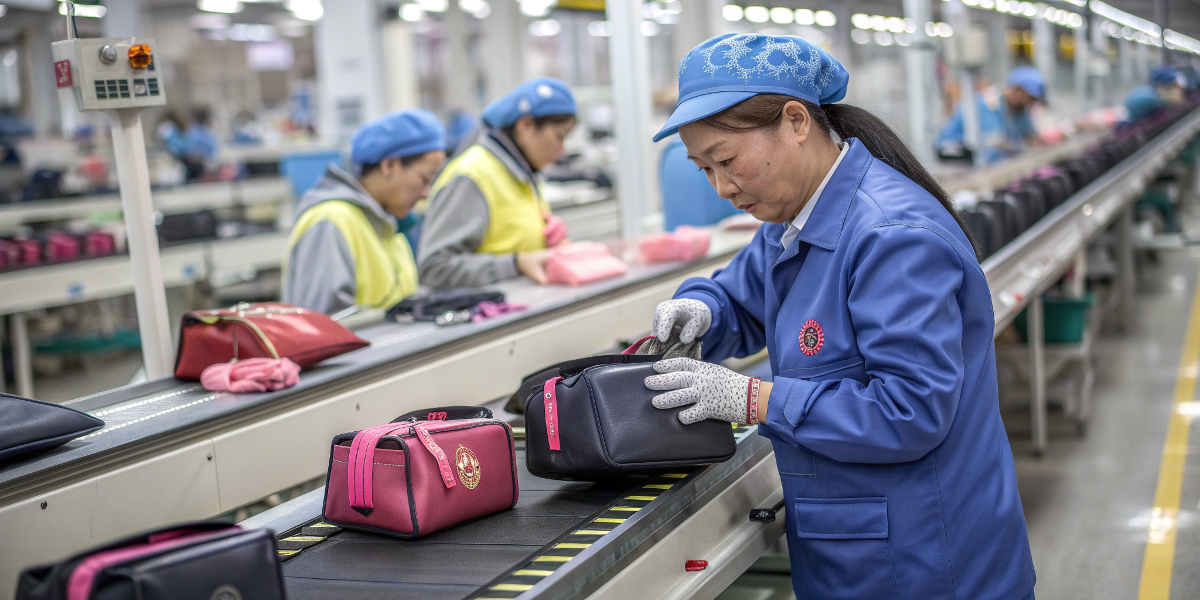
After more than 30 years in this business, I’ve seen brands make the same mistakes over and over. They get excited about a design but forget to ask the tough questions upfront. Choosing a partner is the most important decision you’ll make. It’s about finding someone who shares your vision for quality and reliability. Let’s break down what you need to ask to find that perfect partner and avoid common pitfalls.
How do you prove your production capacity and guarantee lead times?
Worried your order will be delayed during peak season? A supplier’s promises mean nothing without a proven system to handle demand, potentially leaving you with empty shelves and disappointed customers.
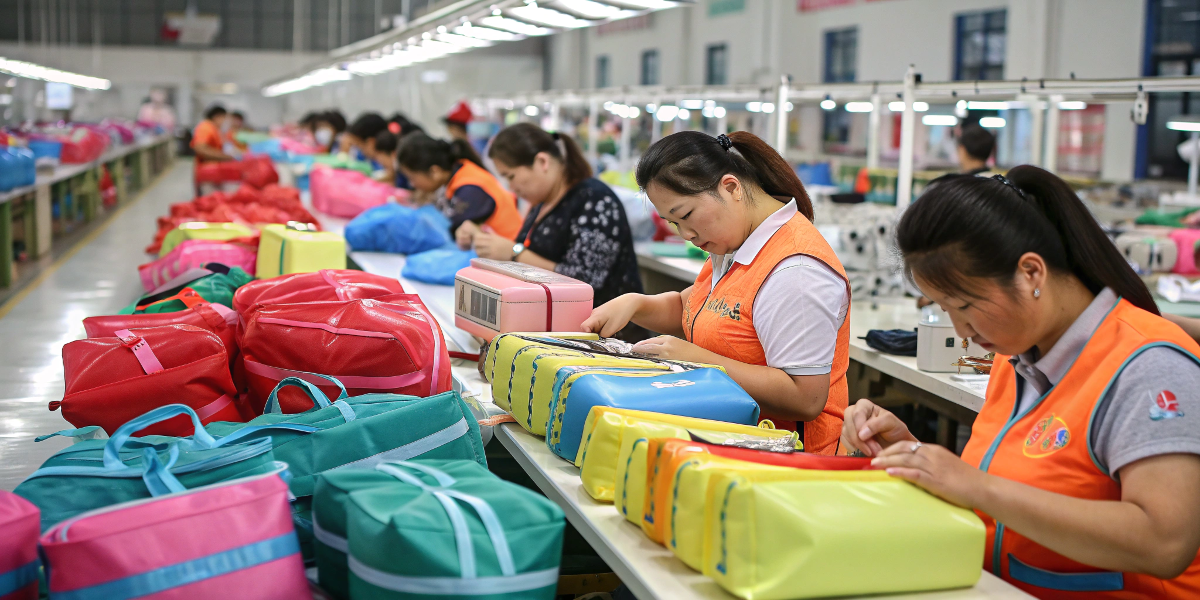
Ask for their verified monthly output and their process for managing production schedules. A reliable partner, like us, uses a transparent system to guarantee on-time delivery, typically providing a lead time of 30-45 days from order confirmation to shipment. We build buffer time into every schedule.
Digging Deeper into Production
When I talk to new clients, this is often their biggest concern. They’ve been burned before. A supplier promises the world, but when a big order comes, everything falls apart. That’s why you have to look beyond a simple number. At EcoRivta, we don’t just say we can produce over 200,000 pieces a month. We show you how. Our production planning is linked directly to our supply chain management. We pre-order common materials and have backup suppliers ready.
Ask them to explain their process for handling unexpected rushes or material delays. A good supplier has a Plan B. For example, a few years ago, a sudden hike in recycled canvas demand created a shortage. Because we had strong relationships and diverse sourcing, we were able to secure the materials for a large client’s holiday collection without any delay. That’s the kind of reliability you’re paying for.
| Production Aspect | What to Ask | Red Flag |
|---|---|---|
| Capacity | “Can you show me your production records for the last 6 months?” | Vague answers or an unwillingness to share data. |
| Lead Time | “What is your process for creating and sticking to a production schedule?” | Not having a formal project management system. |
| Flexibility | “How do you handle a sudden 30% increase in order size?” | “We’ll figure it out.” They should have a clear plan. |
How can you assure quality and material authenticity?
You’ve specified eco-friendly materials, but how can you be sure you’re getting them? Low-quality substitutes or fake certifications can ruin your brand’s reputation and lead to unsellable products.
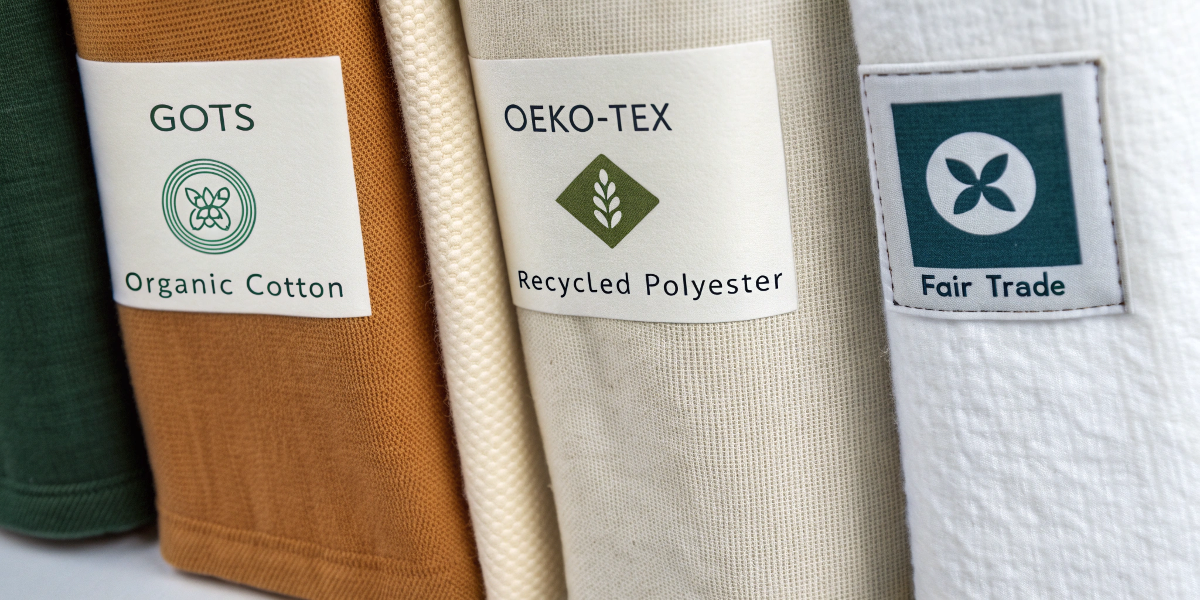
Request a detailed breakdown of their multi-stage quality control process. For materials, demand copies of current certifications like GRS or FSC and ask for a traceability report. This ensures every bag meets your standards from raw material to final stitch, protecting your brand’s integrity.
Digging Deeper into Quality & Materials
Quality isn’t just about the final product looking good. It’s about a rigorous process. I always tell buyers to ask, “Can I see your QC checklist?” It should be incredibly detailed. Our process at EcoRivta has over 50 checkpoints. It starts with an Incoming Quality Control (IQC) team that inspects and tests all raw materials. We check fabric weight, color consistency, and zipper durability before a single piece is cut.
Then, during production (In-Process Quality Control or IPQC), our supervisors monitor every stage. We look for perfect stitch alignment, clean seams, and correct hardware placement. Finally, the Final Quality Control (FQC) team inspects a statistically significant portion of the finished batch based on AQL standards. Nothing ships until it passes this final review. For materials, asking for the Transaction Certificate (TC) for a specific batch of GRS-certified fabric is a great way to verify their claims. It’s a level of detail that serious suppliers are happy to provide.
Do you offer full design support and clear sampling?
Have a great idea but can’t get the supplier to execute it properly? Poor communication during the design and sampling phase leads to endless revisions, wasted time, and a final product that misses the mark.
A good OEM/ODM partner provides a dedicated design team to create technical packs from your concept. For sampling, expect a clear, multi-step process for prototypes and pre-production samples (PPS), ensuring the final product matches your vision perfectly before mass production begins.
Digging Deeper into Design & Sampling
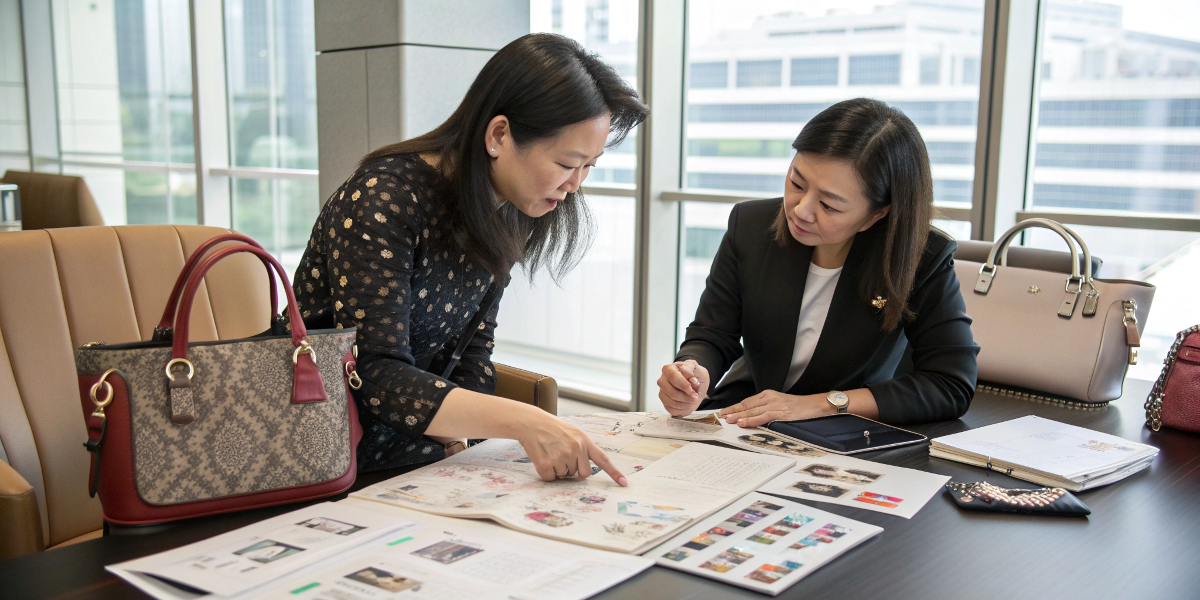
“I just can’t get the sample right.” I hear this a lot from buyers switching to us. This usually happens when there isn’t a structured process. Turning an idea into a physical product requires collaboration. You should be assigned a dedicated merchandiser and have access to pattern makers and technical designers. When a client comes to us with a mood board, our first step is creating a detailed technical pack. This document is the blueprint, specifying everything from dimensions and materials to stitching type and hardware finish.
From there, we create a prototype sample. Its purpose is to get the structure and function right. After your feedback, we create the pre-production sample (PPS). This one is made with the exact final materials and colors. It is the exact bag you are approving for mass production. Ask your supplier what their timeline is for each stage. For us, a prototype takes about 7-10 days, and a PPS takes about 10-14 days. This clarity prevents frustration and keeps the project moving.
What are the full costs and how is my brand protected?
Hidden costs and unclear payment terms can destroy your budget. Worse, a supplier could steal your unique design, leaving you with little recourse and a major competitor you didn’t expect.
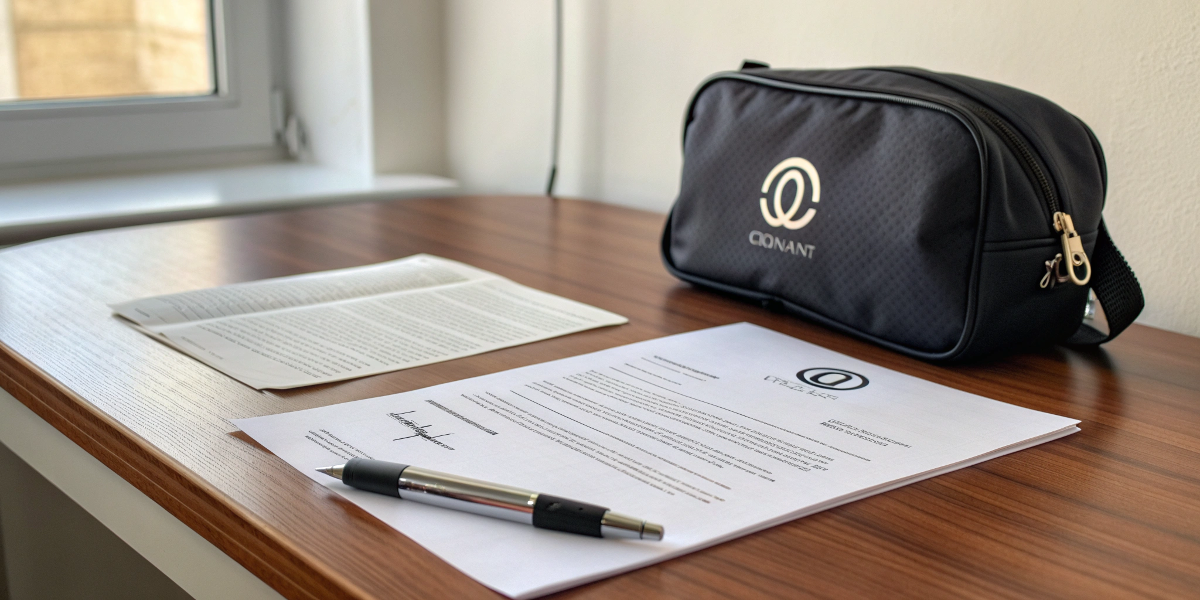
Demand a fully itemized quote with no hidden fees and clear payment terms. To protect your brand, insist on signing a comprehensive Non-Disclosure Agreement[^1] (NDA) and a Manufacturing Agreement that clearly states you own all intellectual property for your designs.
Digging Deeper into Pricing & Protection
Pricing should be transparent. Don’t accept a single per-unit price. Ask for a cost breakdown: fabric, hardware, labor, printing, packaging, and logistics. This helps you understand where the costs are and where you might be able to make adjustments. Also, clarify the Price Term (e.g., FOB, EXW). I find many new buyers don’t realize FOB (Free On Board) means the supplier’s price includes getting the goods to the port, which is a common standard.
For intellectual property[^2] (IP), an NDA is your first line of defense. It should be signed before you share any sensitive design files. Any legitimate supplier will sign one without hesitation. If they push back, it’s a massive red flag. Next, your Manufacturing Agreement should have a clause explicitly stating that you retain 100% ownership of the designs you provide or co-develop. We treat our clients’ designs like state secrets. We have secure servers and access controls in place because we know that your unique design is your competitive advantage. Building trust is more valuable than any single order.
Conclusion
Asking these specific questions transforms you from a customer into a prepared partner. It ensures your supplier meets your standards for capacity, quality, design, and integrity from day one.
---

[^1]: Knowing the key elements of an NDA can safeguard your sensitive information.
[^2]: Protecting your intellectual property is vital to maintaining your competitive edge.