Start with visibility, not only material name
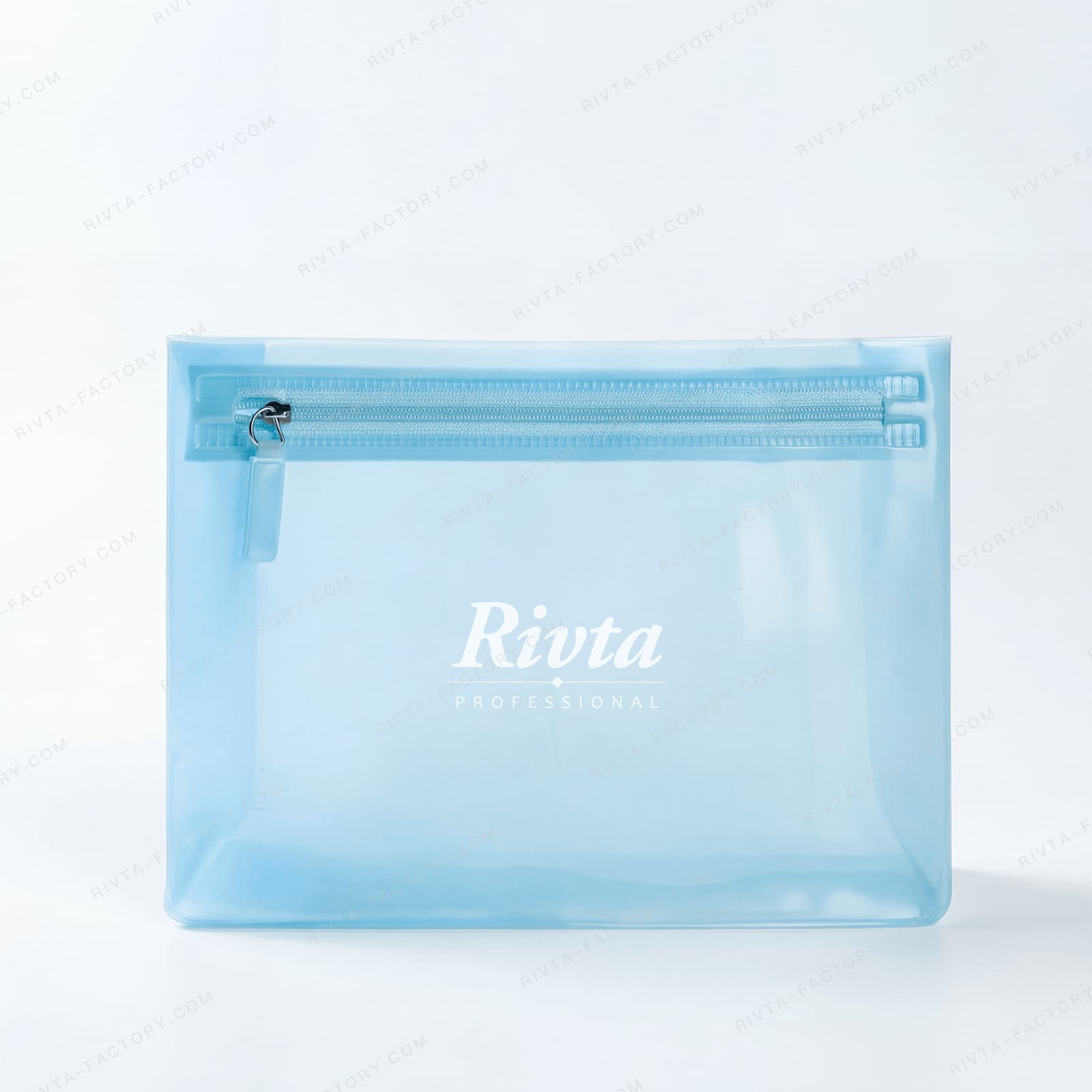
A clear cosmetic pouch can fail a beauty GWP review even when the size and material name look correct. Buyers usually need to approve transparency, surface marks, odor, folding lines, logo opacity and how the pouch looks after real products are placed inside.
This topic is not a generic clear bag factory guide. It is a sample checklist for beauty-brand teams that already know the pouch shape and now need a practical logo and transparency approval route before bulk production.
Send a clear pouch sample brief
Approve the pouch with real fill items
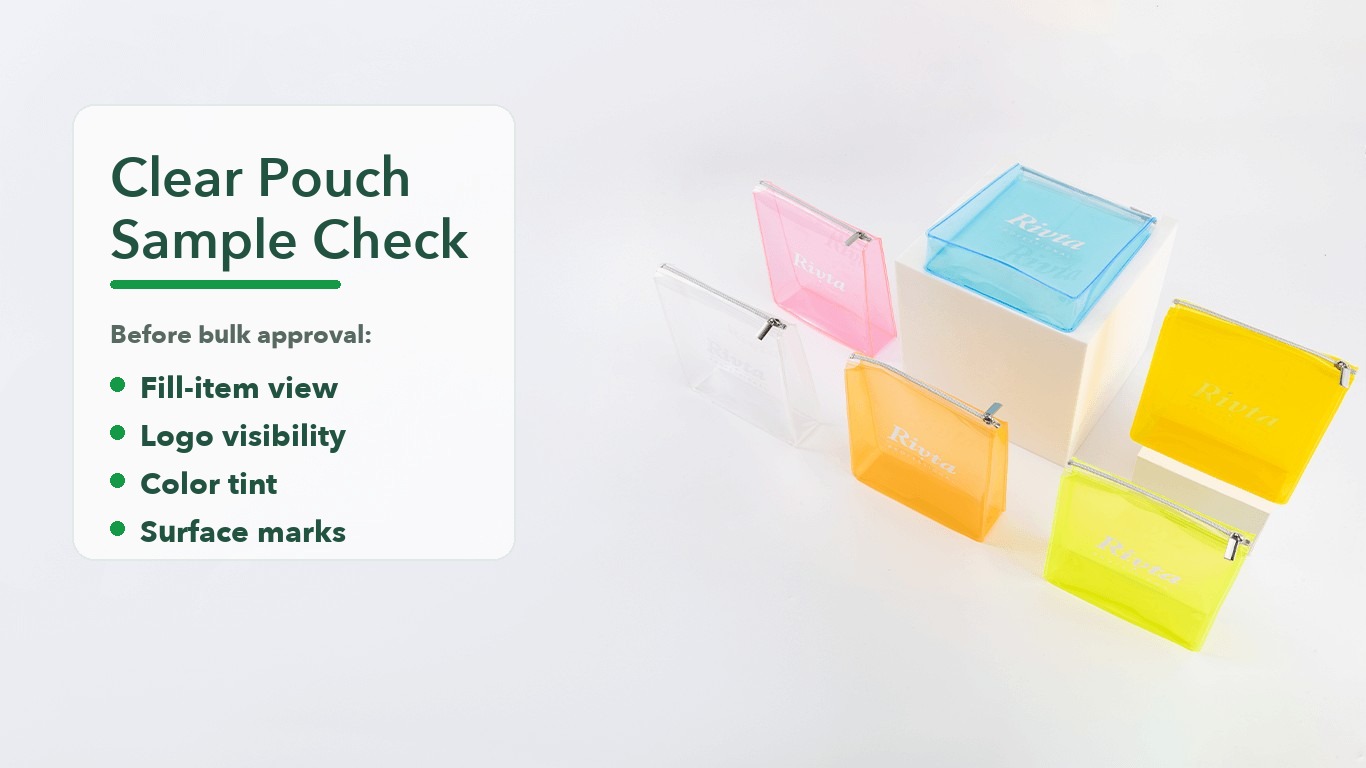
Transparency should be checked under the kind of light where the buyer will photograph, display or pack the product. Empty sample photos can hide a cloudy material, a logo that becomes too strong over product labels, or a seam that looks heavier after the pouch is filled.
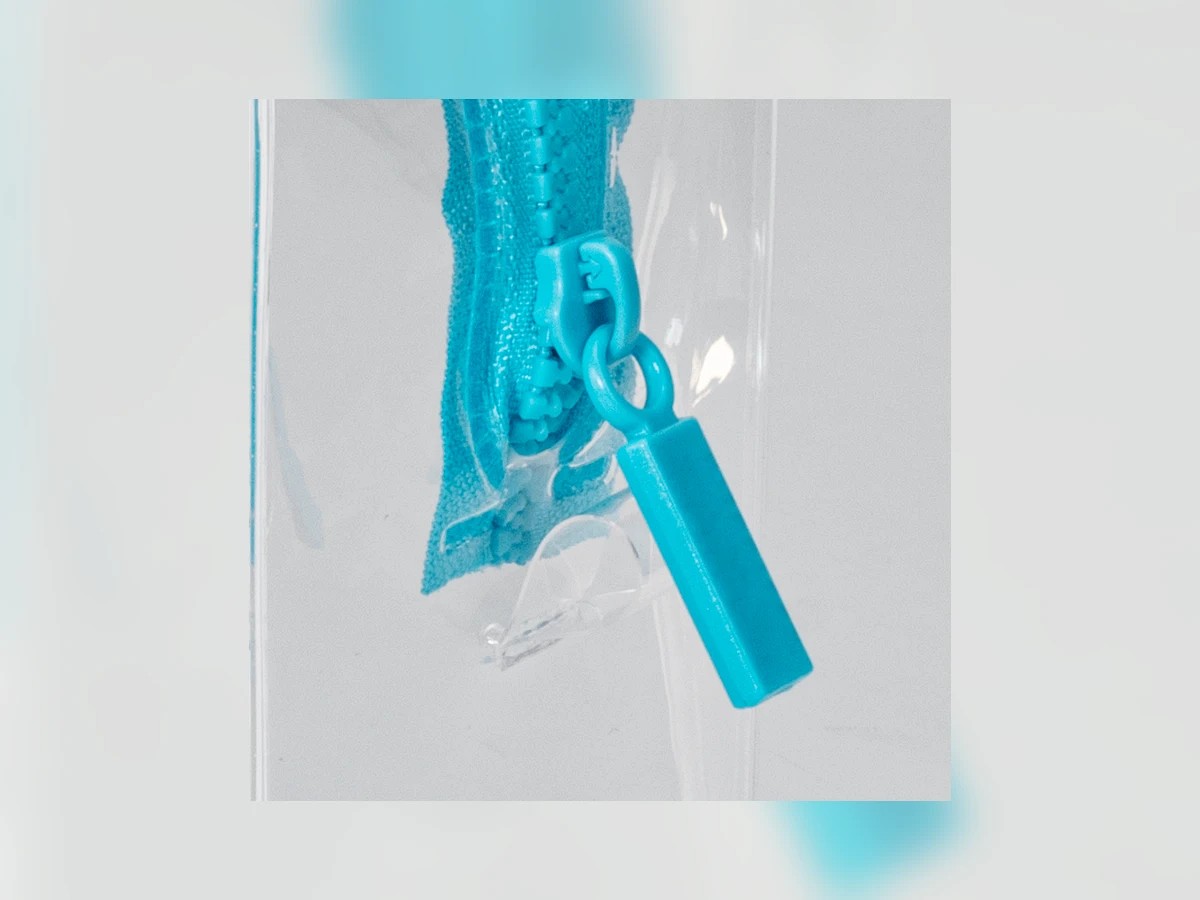
The first sample review should include front, side, zipper, logo close-up and filled-pouch photos. If the buyer wants PVC, EVA or TPU compared, ask for the same shape and similar thickness where possible, otherwise the review becomes a material-plus-construction comparison.
| Sample item | Why it matters | Approval note |
|---|---|---|
| Filled pouch photo | Shows true transparency and label visibility | Use the buyer’s expected product count where possible |
| Logo close-up | Checks opacity, edge sharpness and placement | Approve logo on the actual material route |
| Flat and folded views | Shows crease, wave and surface mark tolerance | Especially important for EVA and soft clear routes |
| Odor check | Protects beauty unboxing experience | Air out sample and check after packing mockup |
PVC, EVA and TPU create different sample risks
Jolian’s buyer insight is useful here: PVC is often cheaper but not the best route when the buyer is asking for a stronger environmental story. EVA can work for some budgets, but surface scratches and fold marks need approval. TPU is often chosen when buyers want a clearer, softer premium route, but price and construction still need to be quoted by the actual pouch design.
If a buyer asks for “eco” or recyclability language, keep the wording conservative and tied to documents. The FTC Green Guides 1 are a useful boundary for environmental marketing claims, and ASTM D7611/D7611M 2 is often referenced when teams discuss plastic resin identification rather than broad sustainability promises. If the pouch uses textile zipper tape, lining, trim or skin-contact soft components, OEKO-TEX STANDARD 100 3 can be discussed as project-dependent component testing support, not as a blanket PVC/EVA/TPU claim.
Logo method should be tested on the final material
For clear pouches, logo approval is not just artwork approval. White ink density, transparent ink behavior, gold or silver foil, heat transfer film and water printing can all look different when placed over a transparent body. A logo that looks premium on an opaque pouch may look heavy or uneven on TPU.
- Logo size: confirm whether the logo should be visible when the pouch is filled.
- Logo color: test white, metallic or brand color against real contents.
- Logo position: avoid zipper pull, seam and fold interference.
- Logo durability: rub and packing contact should be checked on the sample.
The approval file should be small but exact
A useful approval file includes the pouch size, material route, thickness direction, zipper or slider color, logo method, logo position, packing method, quantity, target market and launch window. For beauty GWP, also state whether the pouch is a free gift, a sellable set component or a travel retail insert, because that changes the tolerance for clarity, packing and cost.
Do not write TSA-approved or compliance claims unless the buyer’s legal team has confirmed the route. For this page, the safe angle is clear pouch material and sample approval, not travel-security compliance.
Send the clear pouch details before bulk print
Send the pouch size, PVC/EVA/TPU preference, transparency expectation, logo file, logo color, packing route, quantity and launch date. Ecorivta can review the sample route before the project moves into print or bulk production.
FAQ
What should a buyer check first on a clear cosmetic pouch sample?
Check filled-pouch transparency, surface marks, fold lines, zipper color, logo opacity, odor and whether the pouch still looks clean after packing mockup.
Is PVC always the wrong choice for clear pouches?
No. PVC can be a budget route, but buyers asking for stronger environmental positioning should discuss alternatives and claim wording before sampling.
Why does EVA need a separate scratch or crease review?
EVA can show surface marks and fold lines more obviously on some clear pouch routes, so the buyer should approve tolerance from a real sample.
Should logo printing be approved before material selection?
No. Logo printing should be tested on the final or closest material route because transparency, ink density and adhesion can change the result.
Related Ecorivta pages and guides
- PVC, EVA and TPU Clear Pouch Materials for the main material route.
- Quality Control for sample and bulk approval checks.
- Beauty GWP Accessories for set planning.
-
FTC Green Guides are referenced as a conservative boundary when clear pouch materials are tied to environmental marketing claims. ↩︎
-
ASTM D7611/D7611M is referenced only for plastic resin identification context, not as a sustainability promise. ↩︎
-
OEKO-TEX STANDARD 100 is cited only for project-dependent textile or soft-component testing discussions, not as a blanket certification claim for all clear pouch materials. ↩︎