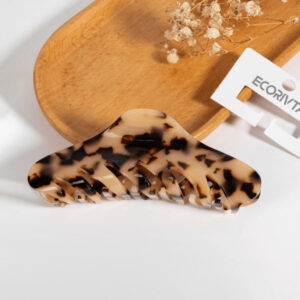
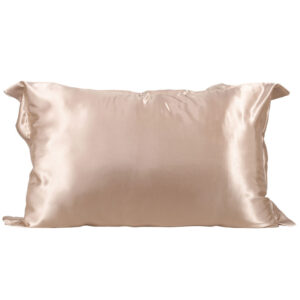
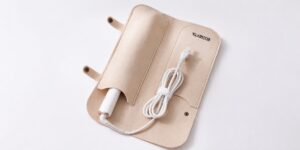
A hair accessory OEM spec sheet helps a beauty brand move from a broad request to a quote-ready brief. It is useful when the buyer is asking for scrunchies, headbands, hair clips, hair towels, eye masks, pouches, cosmetic bags or a coordinated accessory set, but the first inquiry does not yet contain enough detail for responsible costing.
For Ecorivta, the most common gaps are not unusual. Buyers often miss the target price, certificate requirement and launch timing. For scrunchies, the supplier still needs material, logo, color and use. For headbands, length and use matter before price. For hair clips, the biggest early decision is whether the project uses an existing style or a custom mold route.
The goal is not to make buyers fill a long form. The goal is to prevent re-quotation and repeated sampling after logo, route, certificate or target price changes appear late. A clean spec sheet helps Lina and the Ecorivta team recommend the right route earlier, especially for MOQ 500+ branded programs with a launch window and sample-first approval path.
TL;DR
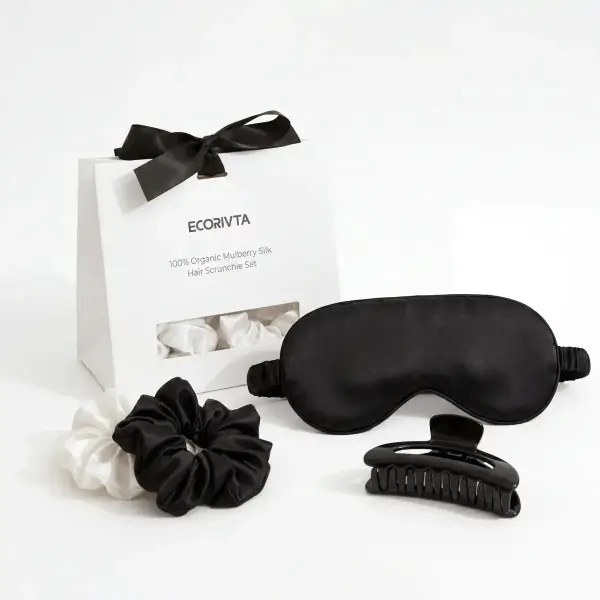
For hair accessory OEM projects, send product use, target price, material, color, logo route, certificate requirement, quantity split and launch timing before final quotation. Scrunchies need material, logo, color and use. Headbands need material, length, use and logo. Hair clips need an existing-style versus custom-mold decision. If the project is still a concept, Ecorivta first asks what the accessory is for, then recommends a practical route.
Send Your Hair Accessory Spec Sheet
What is a hair accessory OEM spec sheet?
A hair accessory OEM spec sheet is a short working file that tells the supplier what to quote. It sits before sample approval. The file should connect commercial intent with production decisions: what the accessory is, how it will be used, what target price the buyer needs, what logo route is expected, what documents may be required and when the project must launch.
For beauty buyers, the spec sheet should be more practical than a mood board. A mood board may show the look. A spec sheet tells the supplier whether the product is for a seasonal GWP, retail private label SKU, launch kit, spa accessory set, haircare campaign, PR mailer or cosmetic bag bundle. Ecorivta’s custom branded beauty accessories page [1] shows that sewn and soft accessories can sit beside cosmetic bags, hair clips and Beauty GWP programs.
The most useful spec sheet separates fixed details from open decisions. If the buyer is unsure, write “supplier to recommend” instead of leaving the field blank. That tells the supplier where route advice is welcome and where the brand has already made a decision.
Which hair accessory products should be separated first?
The first decision is product scope. Ecorivta has demand across scrunchies, headbands, hair clips, hair towels, eye masks, pouches, cosmetic bags and combination sets. These products can live in one beauty program, but they should not be quoted from one vague line that says “hair accessories.” Each route has different material, logo, inspection and packing logic.
| Accessory route | Spec sheet must name | Why it affects quotation |
|---|---|---|
| Scrunchies | Material, logo, color, size direction and use. | Fabric, elastic, tag and packing choices change unit price and sample path. |
| Headbands | Material, length, width, use and logo route. | Spa use, skincare use and gift-set use need different fit and fabric review. |
| Hair clips | Existing style or custom mold, material, logo, color and card packing. | A custom mold route changes setup time and early cost discussion. |
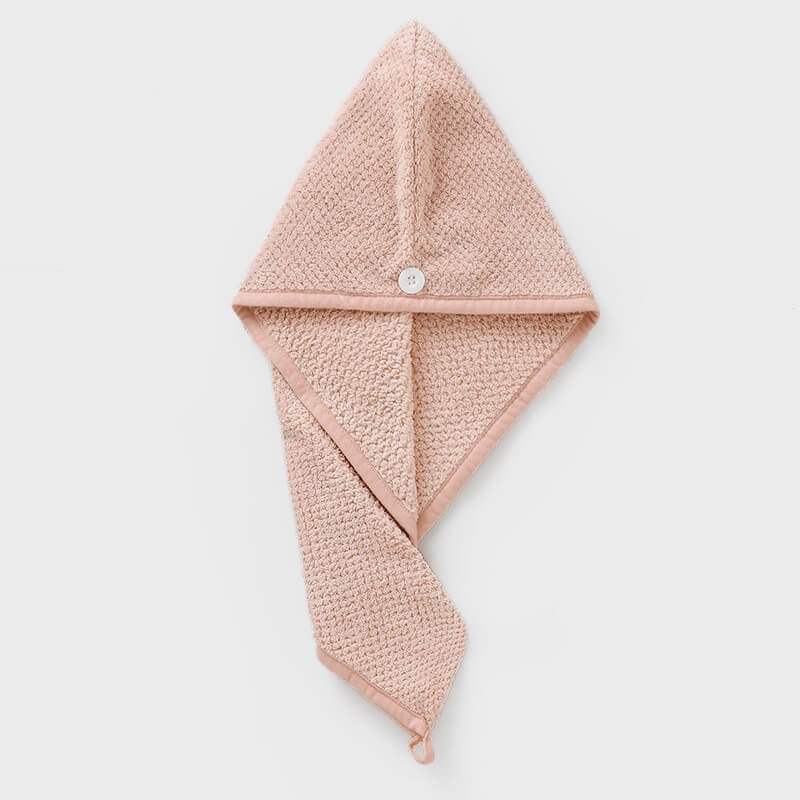
| Hair towels | Material, button/loop, size, absorbency route and set packing. | Towel shape and packing may affect sample timing and carton volume. |
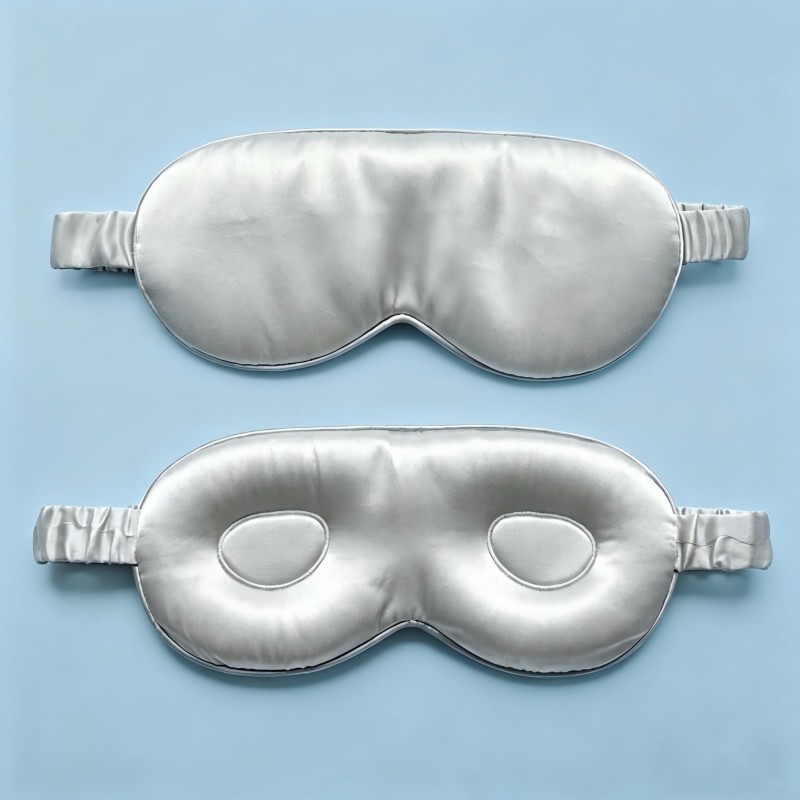
| Eye masks | Fabric route, filling, strap, print/logo and packing. | Comfort, material claim and gift-set presentation need separate approval. |
| Pouch or cosmetic bag | Material, size, zipper, logo, lining, insert card and packout. | The bag may become the container for the whole accessory set. |
| Combination set | Every item, color family, packout sequence and quantity split. | Set assembly, version control and carton evidence affect the real quote. |
A useful first RFQ says, for example, “scrunchie plus headband set for a skincare launch kit” or “existing-style claw clip with logo card packing.” That is enough for the supplier to ask focused follow-up questions instead of rebuilding the quote after the first sample discussion.
What should a scrunchie spec sheet confirm?
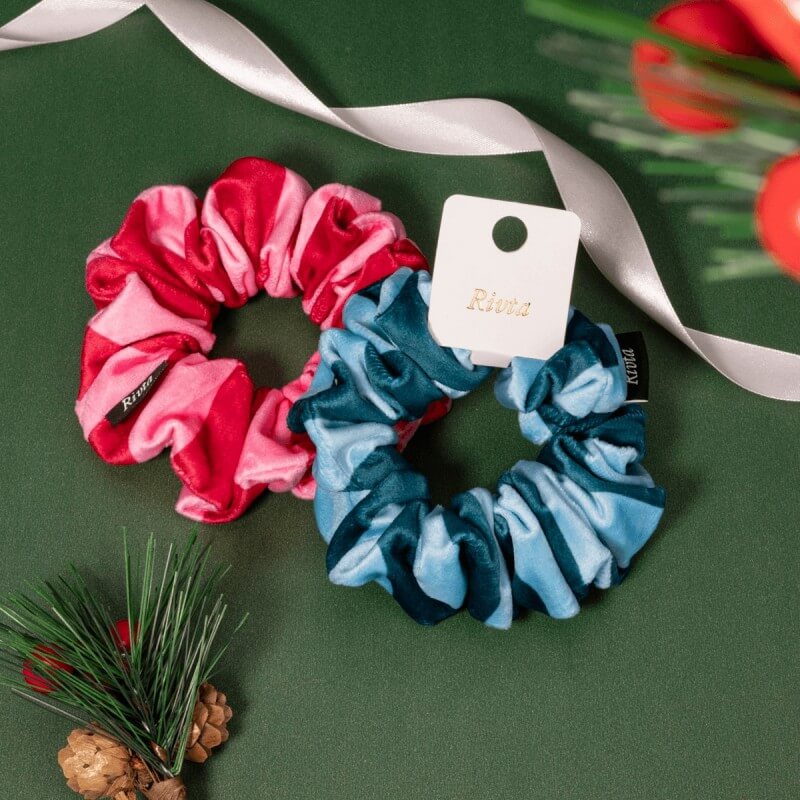
For scrunchies, the supplier should confirm material, logo, color and product use before quotation. Ecorivta’s scrunchies page [2] shows routes such as silk, satin, velvet, plant-based and promotional scrunchies, so a buyer should not treat “scrunchie” as one fixed product.
| Scrunchie field | What to send | Supplier decision supported |
|---|---|---|
| Material | Satin, silk, velvet, recycled satin, cotton, bamboo route or supplier recommendation. | Material cost, color matching and claim scope. |
| Logo | Woven label, printed tag, embroidery, charm, card logo or no logo. | Logo setup, sample method and approval file. |
| Color | Pantone, stock color family, physical sample or campaign palette. | Material sourcing and lab dip discussion. |
| Use | Gift, retail sale, haircare launch, spa set, PR mailer or pouch set. | Material quality, packing and target price route. |
| Packing | Bulk, individual polybag, card, sleeve, pouch set or carton mark. | Labor, paper goods and final packout cost. |
If the buyer only has a concept, Ecorivta should first ask what the scrunchie is for and what target price the buyer needs. A gift accessory can use a different route from a retail private label SKU. A set component can also be priced differently from a standalone accessory.
What should a headband spec sheet confirm?
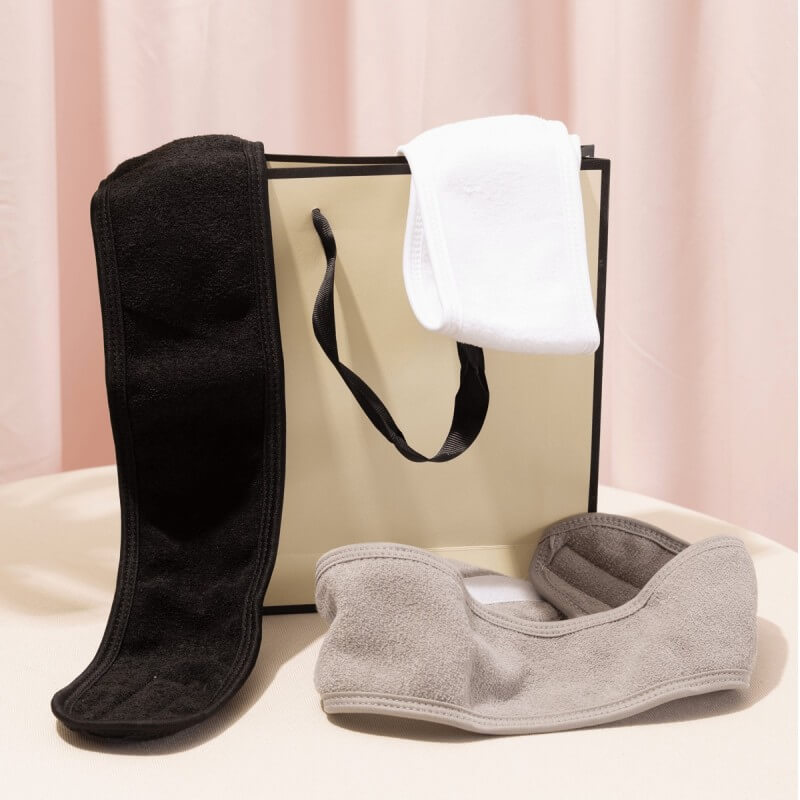
For headbands, the spec sheet should confirm material, length, product use and logo before price is treated as final. Ecorivta’s headbands page [3] includes spa facial headbands, sports headbands, branded promotional headbands and satin or bamboo routes, which means use case strongly affects construction.
The buyer should state whether the headband is for skincare, spa, sleep, fitness, retail sale, GWP or a set with a pouch. A skincare headband may need soft terry or microfiber. A sleep or beauty set may need satin feel and color coordination. A promotional route may need logo visibility and economical packing. The supplier cannot choose the right route without the product use.
| Headband field | Quote-ready detail | Common issue when missing |
|---|---|---|
| Material | Terry, microfiber, satin, bamboo route, recycled fabric or supplier recommendation. | Supplier quotes a texture that does not match use. |
| Length and width | Finished measurement or reference sample. | Fit changes after sampling. |
| Elastic or closure | Stretch, adjustable tie, hook-and-loop, button or fixed size. | Comfort and durability review changes late. |
| Logo | Embroidery, woven label, print, tag, patch or no logo. | Logo cost and sample timing are missing. |
| Use | Spa, skincare, haircare, retail, GWP, hotel amenity or set component. | Material and packing route may be wrong. |
When buyers are not sure, they can send a reference image and a use statement first. Ecorivta can then recommend whether the headband should use an existing route, a material alternative or a custom size route before sample work starts.
What should a hair clip spec sheet confirm?
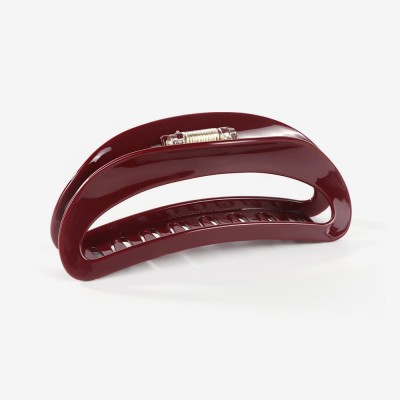
Hair clips need a different early decision: existing style or custom mold. A buyer asking for an existing claw clip with logo card packing is not asking for the same project as a custom-shaped acetate clip. Ecorivta’s hair clip page [4] positions custom acetate hair clips and claw clips for Beauty GWP campaigns, logo options, packaging and bulk QC review.
Before quotation, the spec sheet should show clip type, size, material direction, color, logo position, packaging and whether mold development is expected. If the project can use an existing style, the supplier can often move faster into color, logo and card packing discussion. If the project needs a custom mold, the buyer should expect a different sampling path and should share target price earlier.
| Hair clip field | What to confirm | Why it matters |
|---|---|---|
| Route | Existing style, existing style with color change, or custom mold. | Controls setup discussion and sample schedule. |
| Type | Claw clip, barrette, French clip, banana clip, side comb or set. | Different hardware and quality checks apply. |
| Material | Acetate, resin, metal, mixed material or supplier recommendation. | Material affects look, strength and target price. |
| Logo | Printed logo, metal plate, card logo, tag, charm or no product logo. | Logo method may change sample and packing files. |
| Check point | Clip force, hinge, spring, teeth edge, surface finish and packing protection. | Quality review must match the final use. |
Late logo additions are one of the easiest ways to force a re-quote or re-sample. If the buyer expects logo on the clip, card or package, the spec sheet should state that before the first quote, even if final artwork is still being prepared.
Why should target price, certificates and launch timing be stated early?
Target price, certificate requirement and launch timing are the three details buyers most often miss in first hair accessory inquiries. They are also the three details that can change the supplier recommendation. Without target price, the supplier may recommend a route that looks right but sits above the buyer’s budget. Without certificate requirements, the material route may need to be corrected later. Without launch timing, sampling and bulk planning cannot be judged realistically.
Certificate language should be specific. A buyer should say whether the project needs a supplier audit file, material certificate, product test, third-party lab report, retailer onboarding file or internal QC evidence. Textile Exchange standards support material claim verification within defined scope [5], so a material claim should not be treated as a general factory statement. OEKO-TEX STANDARD 100 [6] relates to harmful-substance testing within its standard scope, which is different from a recycled-content claim.
Timing should be written as a planning range, not as a promise. For many custom hair accessory projects, MOQ can often start from 500+ pieces, sampling may take about 7-10 days depending on process, and bulk production may take about 30-50 days depending on whether suitable materials are available. Rush projects can be reviewed, but the final schedule should depend on material availability, logo method, testing, artwork release and sample approval.
Ask Ecorivta to Review Timing and Route
How should logo and packaging be handled before sampling?
Logo and packaging should be treated as part of the quote, not as decoration added after the quote. A logo can appear on the product, woven label, tag, charm, card, sleeve, pouch, carton or display. Each option changes cost, artwork file needs and approval steps. When logo is added after the first quote, the supplier may need to rebuild the sample path.
Packaging should also be separated by unit packing and set packing. A scrunchie in a simple individual polybag is different from a scrunchie packed with a headband, hair clip, pouch, insert card and carton mark. If the buyer does not yet know the final packout, the spec sheet can ask for product quote plus optional packing routes. That keeps sourcing moving while making the open decision visible.
| Late change | What happens | Better first-brief wording |
|---|---|---|
| Logo added later | Quote and sample method may change. | “Logo required; final file pending; please quote suitable options.” |
| Target price too low for route | Supplier has to recommend a different material or construction. | “Target price range is X; please propose a route that can fit.” |
| Certificate added later | Material route or document timing may change. | “Buyer may need audit/material/test evidence; confirm available scope.” |
| Launch timing shared late | Sampling and bulk schedule may no longer be realistic. | “Launch window is fixed; sample review must happen before X date.” |
What should be sent to Ecorivta before quotation?
A useful first email does not need a perfect tech pack. It should give Ecorivta enough information to recommend a route and identify missing decisions. The Ecorivta contact page asks buyers to send product, quantity, materials, logo, packaging, certificates and delivery information before quotation.Ecorivta contact brief guidance [7]
- Product scope: scrunchie, headband, hair clip, hair towel, eye mask, pouch, cosmetic bag or set.
- Product use: gift, retail sale, launch kit, skincare campaign, spa set, PR mailer or private label program.
- Target price: target range, retail positioning or route budget direction.
- Quantity split: pieces by style, color, SKU, market version and packing version.
- Material route: preferred material, material claim or acceptable supplier recommendation.
- Logo route: product logo, woven label, print, embroidery, card logo, charm or no logo.
- Color reference: Pantone, brand palette, stock color family or physical sample.
- Certificate or test need: audit file, material certificate, product test, appointed lab or QC evidence.
- Timing: sample target, artwork release, approval date, launch window and ship date.
- Open decisions: any field where Ecorivta should recommend the route.
For early projects, Ecorivta can start by asking what the product is for and what target price the buyer needs. Then the team can recommend existing styles, material alternatives, logo routes and set-packing options before the buyer spends time on a sample that does not fit the program.
How is this article different from Ecorivta product pages?
This article handles the pre-quotation spec sheet task. It should support, not replace, product pages. The scrunchies page should answer scrunchie supplier questions. The headbands page should carry headband sourcing intent. The hair clip page and claw clip page should carry clip-specific intent. The hair towel page, eye masks page and cosmetic bag page should answer product-route questions. This article only explains what buyers should send before quotation.
What can Ecorivta deliver for hair accessory spec-sheet review?
This spec sheet is best for beauty brands, personal care companies, DTC teams, retail private label buyers, haircare teams, skincare launch teams and promotional procurement teams sourcing MOQ 500+ hair accessory programs. It fits buyers with a real brand or program, target price, launch window, sample-first approval path, logo requirement, material or certificate question, and the need to compare scrunchies, headbands, hair clips, hair towels, eye masks, pouches or cosmetic bags as part of a coordinated beauty accessory set.
| Buyer situation | Ecorivta can help by |
|---|---|
| Buyer has a branded beauty program with a target price and launch window. | Turning the concept into product scope, material route, logo route and timing fields. |
| Buyer needs Ecorivta to recommend an existing style, material alternative or custom route. | Separating route options before sampling so the first quote is closer to the final scope. |
| Buyer only needs single-piece buying, no-brand resale sourcing or urgent stock-only items. | Keeping the conversation shorter, because a full OEM spec sheet may be more than the project needs. |
| Buyer only wants a general catalog idea and is not ready to share target price, use or timing. | Starting with a short product-route discussion until a real program brief exists. |
Composite case: target price and logo appeared too late
Initial brief
A beauty team asked for a hair accessory set that could include scrunchies, headbands and hair clips. The first message shared a mood direction and rough quantity, but did not include target price, logo route, certificate requirement or launch timing. The supplier suggested a polished material route and packed-set presentation because the request sounded like a retail-facing launch kit.
Problems found before sampling
After the first quote, the buyer clarified that the target price was lower than the suggested route. The buyer also added logo needs for the scrunchie tag, headband embroidery and hair clip backing card. Because the logo and budget were not stated early, the first quotation did not match the real project. Sampling would have started from a route the buyer could not approve.
Correction path
The supplier rebuilt the spec sheet around product use, target price, logo route, quantity split and launch window. Scrunchies moved to a material route that fit the target better. Headbands kept the required length but changed logo method. Hair clips used an existing style with branded card packing instead of a custom mold. Certificate and testing needs were marked for buyer confirmation before final sample approval.
Lesson
The buyer changed its first RFQ template. Future hair accessory inquiries included product use, target price, material preference, logo position, certificate need, launch timing and route flexibility before price comparison. The supplier could still recommend options, but the first quote became closer to the final approved scope.
Anonymous feedback from hair accessory buyers
| Buyer role | Feedback |
|---|---|
| Beauty brand merchandising lead, name withheld | “When the target price is missing, the first sample idea can look right but fail internally. We need the supplier to know whether the item is a premium gift, retail add-on or launch-kit component.” |
| Haircare product team, name withheld | “For scrunchies and headbands, the material and logo decision should happen together. A woven label, embroidery or card logo changes what the buyer is really asking the supplier to make.” |
| Retail private label buyer, name withheld | “Hair clips are different from soft accessories. If we do not say existing style or custom mold early, the supplier cannot give us a useful price or timing path.” |
FAQ
What should a hair accessory OEM spec sheet include?
A hair accessory OEM spec sheet should include product type, product use, target price, quantity split, material route, color reference, logo method, packaging scope, certificate or test requirement, sample deadline and launch timing.
What is the most important information for scrunchie quotation?
For scrunchie quotation, send material, logo, color and product use first. The supplier needs to know whether the scrunchie is satin, silk, velvet, recycled satin, cotton or another route, and whether the logo is on a tag, label, card or packaging.
What should be confirmed before quoting custom headbands?
For headbands, confirm material, length, width, product use and logo route before quotation. A spa skincare headband, satin beauty set headband and promotional headband may need different fabric, elastic, fit and packing.
How should buyers brief hair clips before quotation?
Hair clip buyers should state whether the project uses an existing style, an existing style with color or card changes, or a custom mold route. The brief should also include clip type, approximate size, material direction, logo or card packing need, color reference, quantity and target launch timing.
Can Ecorivta quote if the buyer only has a concept?
Ecorivta can discuss early concepts, but the team first needs to understand what the accessory is for and what target price the buyer needs. After that, Ecorivta can recommend an existing style, material alternative, logo route or set-packing option.
What MOQ and timing should buyers expect for hair accessories?
Many custom hair accessory projects can be reviewed from MOQ 500+ pieces, but the exact route depends on product type, material, logo, color and packing. Sampling may take about 7-10 days depending on process, while bulk production may take about 30-50 days depending on material availability and approval timing.
Which buyers are not a good fit for this spec sheet?
The spec sheet is not designed for single-piece buying, no-brand resale sourcing, urgent stock-only requests or price-only inquiries with no sample approval process. It is most useful for branded beauty programs that need repeatable quotation, logo control, material confirmation, certificate review, launch timing and coordinated accessory or set production.
About the author
Lina Lv writes for Ecorivta as Brand & Product Specialist, with input from the sales and sourcing team. Her articles translate RFQ briefs, spec sheets, material confirmation, logo approval, certificate review, sample timing, packing scope and QC evidence into practical checklists for beauty brands and procurement teams. Ecorivta is operated by Rivta Culture Equipment and backed by a Dongguan factory group with long-term experience in sewn bags and beauty accessories.
If your team is preparing a hair accessory OEM brief, send product type, target price, material, logo, quantity, packaging, certificate requirement and launch timing through the Ecorivta contact page.
Talk to Lina About Your Hair Accessory Brief
Trademark and Certification Note
BSCI, Sedex, SMETA, GRS, OEKO-TEX, ISO and other certification, audit or standard names belong to their respective organizations. This article is a supplier-side sourcing guide and does not claim that every product, material, order or shipment automatically carries every listed certification. Buyers should confirm current document validity, certificate scope, material coverage, testing requirements and market rules before finalizing quotation or bulk production.
Sources
- Ecorivta, custom branded beauty accessories page. Source ↩
- Ecorivta, scrunchies product page. Source ↩
- Ecorivta, headbands product page. Source ↩
- Ecorivta, hair clip product page. Source ↩
- Textile Exchange, standards overview. Source ↩
- OEKO-TEX, STANDARD 100. Source ↩
- Ecorivta, contact page for project brief handoff. Source ↩