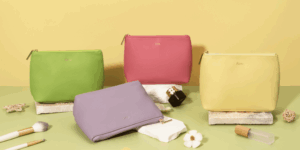
Pre-shipment evidence is the final buyer handoff, not a photo dump
For Beauty GWP accessories, the last week before shipment is when small missing details can still create expensive confusion: carton marks, packing count, color version, label position, barcode ownership, or which sample the factory used as the approved reference.
A useful pre-shipment evidence file is short, visual and tied to the buyer brief. It should show the approved product, the finished goods, the packing method, the carton marks and any shipment evidence that the buyer’s logistics or internal team needs before release.
Review pre-shipment evidence for a Beauty GWP order
Start with the approved reference sample
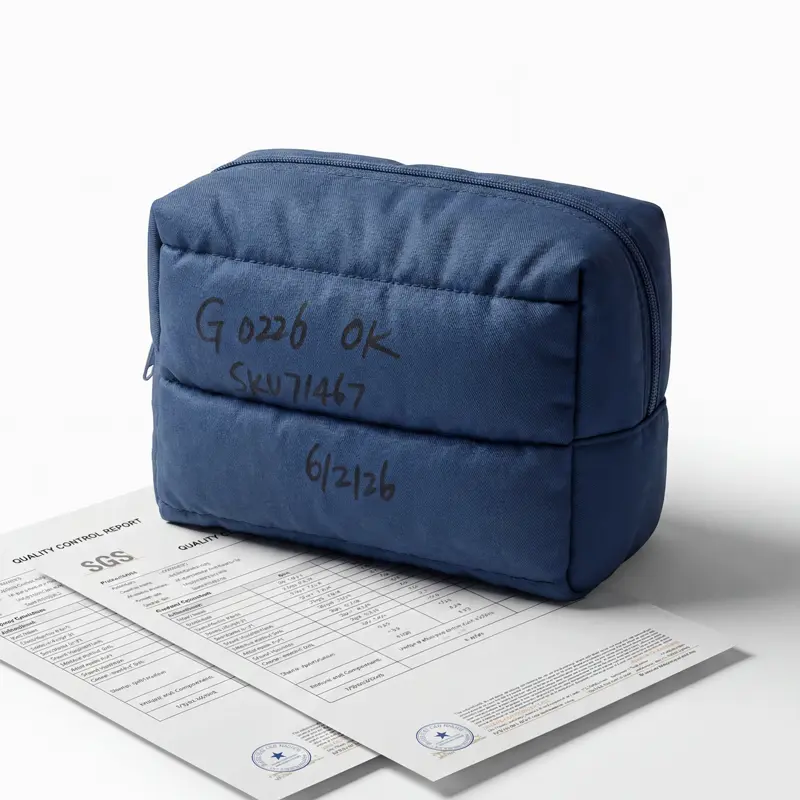
The first photo in the evidence file should make the approved route clear: product type, color, logo, hardware, label, packing and any buyer comments that were accepted before bulk production. If the order has several colorways or set versions, the evidence file should name them in the same way the buyer’s PO or internal tracker names them.
This step matters because many buyers do not have a common internal name for each version. Marketing may call it a holiday gift, sourcing may call it a GWP, and logistics may call it by SKU or carton mark. A single approved reference reduces back-and-forth before release.
Check packing and carton marks before release
Show finished goods before packing is closed
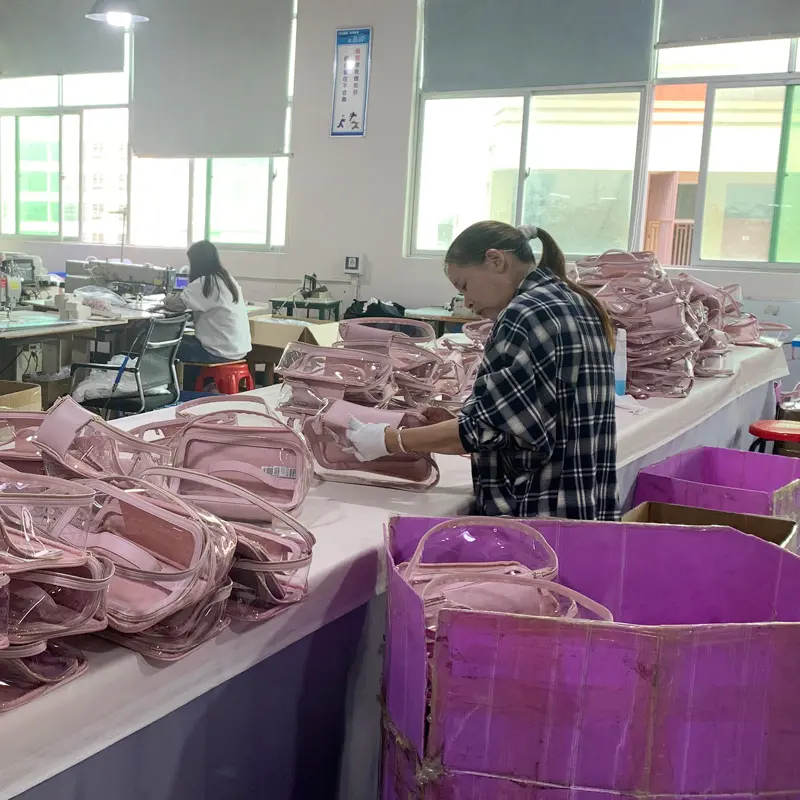
Finished-goods photos should not only show a neat table. Ask for photos that answer buyer questions: front and back, logo close-up, colorway view, stitching or edge detail, inside view where relevant, and one quantity or batch view that proves the photo is from bulk goods.
If the buyer uses inspection sampling terminology, teams often reference ISO 2859-1 1 or ASTM E2234 2 as background. The practical rule is simpler: the photo set should match the agreed inspection plan, not a random set of nice-looking pictures.
Confirm packing, carton marks and version split together
Packing is where many Beauty GWP orders go wrong. A scrunchie, claw clip, eye mask, dust bag or small pouch may be correct by itself, but the order can still fail if the card, inner bag, carton mark or mixed-color count does not match the buyer’s launch plan.
| Evidence item | What the buyer should see | Why it matters |
|---|---|---|
| Inner packing | Polybag, paper card, pouch, box or set packing | Confirms the final unboxing route before shipment |
| Version split | Color, size, market or set version count | Prevents wrong mixed cartons or wrong market allocation |
| Carton mark | PO, item, color, quantity, N.W./G.W., carton number if used | Helps warehouse and buyer teams receive the goods correctly |
| Identification data | Buyer-supplied SKU, barcode or label information when required | Retail packing must not be guessed by the supplier |
If retail labels, carton labels or SKU identification are involved, the buyer should provide the naming and identification rules. GS1 US UPC and barcode prefix guidance 3 is useful background for retail identification, but Ecorivta should not invent a GTIN, SKU or barcode ownership route for the buyer.
Use loading photos only when they answer a real question
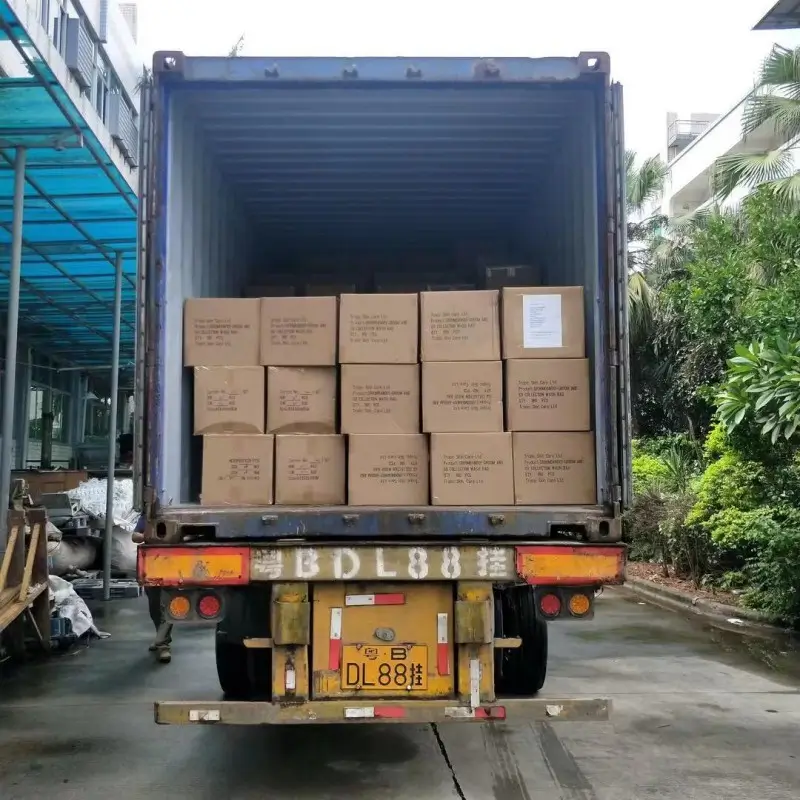
Loading photos are useful for larger or sensitive shipments, but they are not the whole QC file. A buyer still needs evidence that the goods inside the cartons match the approved sample and packing file. Use loading photos to confirm carton condition, loading state and shipment count where the project requires it.
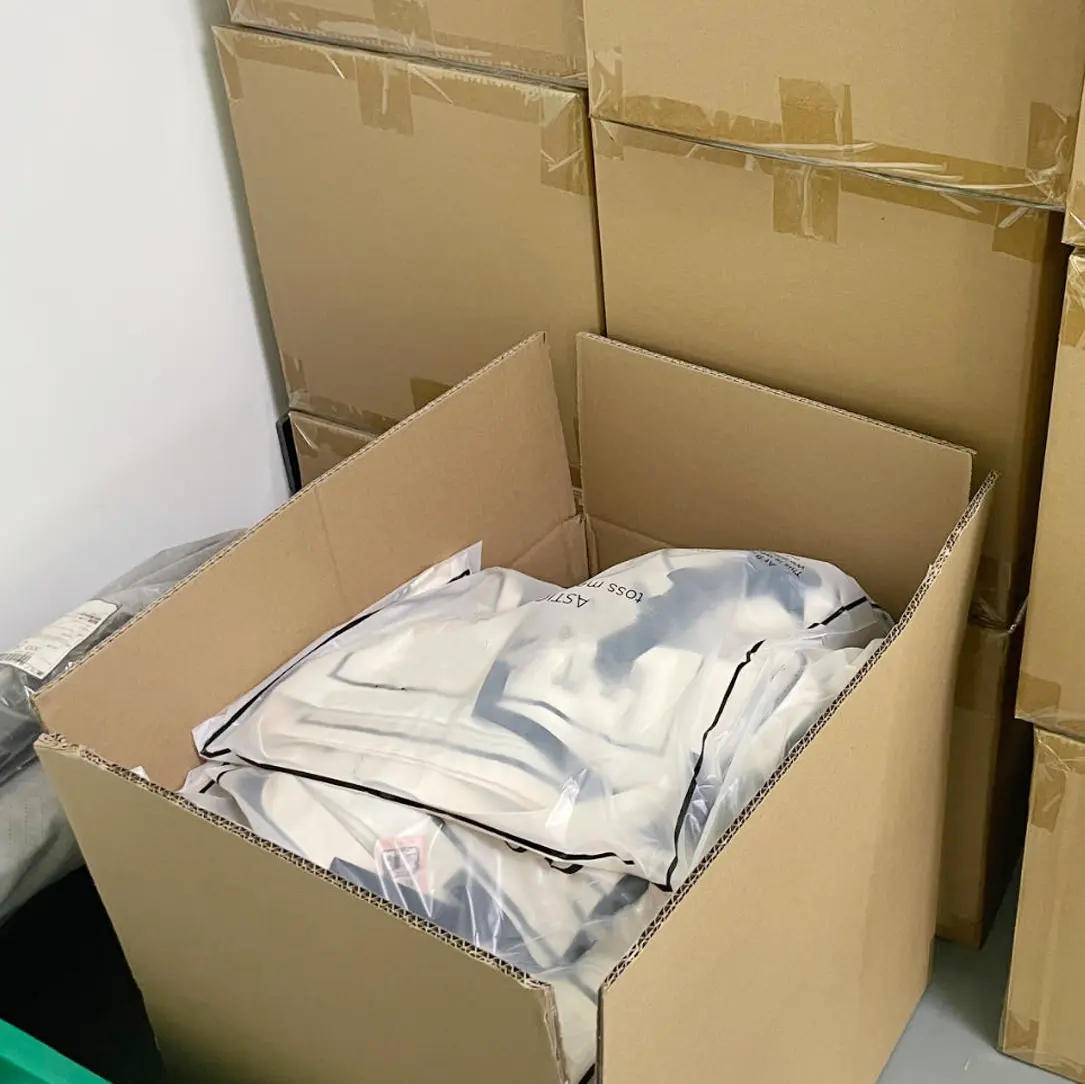
The evidence file should be easy for a buyer to forward to marketing, logistics and finance. The best version is not the longest version. It is the version that proves the product, packing and shipping handoff are aligned with the approved brief.
Send the evidence requirements with the RFQ
When you send a Beauty GWP RFQ, include product type, quantity, color versions, packing route, carton mark needs, launch market and the date when your team needs the final photo file. Ecorivta can suggest a pre-shipment evidence route for the product and packing risk level.
Send a Beauty GWP shipment evidence brief
FAQ
What should be in a pre-shipment evidence file?
Include approved sample reference, finished goods photos, logo/detail close-ups, packing photos, carton marks and shipment evidence when the order needs it.
Should every order need loading photos?
No. Loading photos are useful for larger shipments or buyer-controlled logistics, but finished-goods and packing evidence are usually more important for product approval.
Who should provide barcode or SKU information?
The buyer should provide barcode, SKU and market allocation rules. The supplier can apply the data but should not invent retail identification rules.
When should carton marks be confirmed?
Confirm carton marks before final packing starts, especially when there are multiple colorways, market versions or mixed cartons.
Related Ecorivta pages and guides
- Quality Control for sample, inline and finished-goods checks.
- Beauty GWP Accessories for multi-item launch kits.
- Certifications for project-dependent document support.
-
ISO 2859-1 is cited as a recognized inspection-sampling reference for attribute inspection terminology; the actual AQL plan must match the product and buyer tolerance. ↩︎
-
ASTM E2234 is cited as a sampling-practice reference for product streams; it does not replace project-specific QC acceptance rules. ↩︎
-
GS1 US UPC and barcode prefix guidance is cited for cases where cartons, item labels or retail packing need buyer-supplied identification data before shipment. ↩︎