A certificate is useful only when the buyer knows what it covers: material, paper packaging, factory audit, quality system or order-specific document scope. This guide compares the most common certification and audit signals for Beauty GWP cosmetic bag projects.
Buyer Summary
Beauty GWP buyers should not ask suppliers for every certificate at once. First define the material route, intended claim wording, packaging component, audit requirement, order quantity and document deadline. GRS, GOTS, OEKO-TEX, FSC, BSCI, Sedex and ISO 9001 each answer different questions, so the safest RFQ asks which component or supplier process each document covers before artwork, insert cards or hangtags are approved.
| Best fit | This guide is best for beauty brand teams, procurement managers, packaging teams and private-label buyers preparing Beauty GWP cosmetic bags with recycled material, organic cotton, FSC paper packaging, supplier audit requirements or retailer document review. It fits buyers with a real brand, MOQ 500+ or higher, a launch window, sample-first approval and a need to match claim wording with material, packaging, audit or quality-system evidence before bulk production. |
| Less suitable | This guide is less suitable for single-piece personal orders, no-brand marketplace products, projects with no claim wording, or buyers who only want a price without material, packaging, audit or retailer requirements. It is also not enough for legal approval of certification logo use; the buyer’s compliance, legal or retailer team should confirm final wording and logo placement. |
| Core rule | Do not ask for every certificate first. Define the material route, claim wording, quantity and component scope first. |
| Common request | Buyers often ask for GRS, GOTS, BSCI or Sedex. Ecorivta starts by clarifying which problem the document must solve. |
Why do Beauty GWP buyers need a certification comparison?
Beauty GWP buyers often start with a simple request: We need eco certification. That sentence is not wrong, but it is incomplete. A recycled polyester cosmetic pouch, an organic cotton gift bag, an FSC paper sleeve, a BSCI-audited factory and an ISO 9001 quality system are different evidence types. They cannot be used interchangeably in artwork, insert cards or retailer files.
With AI and better buyer education, fewer customers confuse every certificate in a basic way. The practical issue is still there: buyers may know a few names, but they do not always know whether the document belongs to the material, the paper component, the factory, the quality system or this specific order. Ecorivta’s first step is to ask what certification the buyer actually needs, then solve the requirement step by step.
Working logic: claim wording -> component -> material route -> quantity and budget -> document route -> artwork approval.
How is this different from a GRS/GOTS proof guide or claim copy guide?
This is a comparison guide, not a certification deep dive or a copywriting guide. It helps the buyer decide which document category is relevant before sampling. A dedicated GRS and GOTS article can go deeper into recycled and organic proof. A claim-safe copy review can rewrite insert-card wording. This page compares the main evidence types side by side.
Supplier-side boundary: this guide is not legal or compliance advice. It helps buyers prepare supplier-side certification questions and component-level document requests before artwork approval. Final claim wording, logo use and retailer compliance review should be confirmed by the buyer’s legal, compliance or retail team when required.
| Related question | Better route | How this comparison helps |
|---|---|---|
| Need deeper GRS and GOTS proof? | GRS and GOTS proof guide | Use this comparison first to decide whether recycled, organic, paper, audit or quality documents matter. |
| Need safer insert card wording? | Send claim wording | Confirm which document type can support the claim before copy is approved. |
| Need first RFQ fields? | Send RFQ attachments | Decide which certification questions belong in the RFQ. |
| Need material selection? | Cosmetic bag material guide | Match evidence to the chosen material route. |
Which certification type proves which part of a cosmetic bag project?
The cleanest way to avoid overclaiming is to classify evidence before asking for files. Material certifications, textile-safety standards, paper labels, social audits and quality-management systems answer different buyer questions.
| Category | Common examples | What it may support | What it does not prove |
|---|---|---|---|
| Material content | GRS / RCS / GOTS | Recycled or organic material route, depending on scope. Textile Exchange recycled standards [1] and GOTS [2] are common references. | That every finished-bag component is certified. |
| Textile safety | OEKO-TEX STANDARD 100 | Restricted-substance context for textile components. OEKO-TEX STANDARD 100 [3] | Recycled, organic, low-carbon or social-audit proof. |
| Paper packaging | FSC | Paper sleeve, insert card, hangtag or packaging component. FSC label guidance [4] | That the cosmetic bag fabric is certified. |
| Social audit | BSCI / Sedex / SMETA | Supplier responsibility, retailer onboarding and audit evidence. amfori BSCI [5] and Sedex SMETA [6] | Material sustainability or finished-product environmental proof. |
| Quality system | ISO 9001 | Quality-management process discipline. ISO 9001 [7] | That a specific order passed inspection or uses eco material. |
Which documents are most commonly requested in Beauty GWP cosmetic bag RFQs?
In Ecorivta’s inquiry flow, the most common document names are GRS, GOTS, BSCI and Sedex. Buyers usually care about material proof first. If the project uses recycled material, they may ask for GRS. If the route is natural or organic textile, they may ask about GOTS or related material proof. Retailer or distributor projects may ask for BSCI or Sedex as supplier-audit evidence.
When a buyer asks for all eco certificates, Ecorivta does not simply send a list. The team first clarifies the exact certification need, the material route, the intended claim wording, the order quantity and whether this batch needs separate material proof. If order-specific material proof is required, it may be available as a paid document route depending on supplier chain and order details.
What should buyers know about GRS and recycled material proof?
GRS and related recycled-content routes matter when the buyer wants a recycled cosmetic bag claim, especially for recycled polyester, rPET or recycled cotton blend. The buyer should confirm recycled percentage, supplier chain, fabric scope, component location and whether a transaction certificate or order-specific proof is needed.
| Buyer wants | Ask before sampling | Safer claim direction |
|---|---|---|
| Recycled cosmetic bag | Which component uses recycled material? | Made with recycled polyester outer fabric. |
| GRS claim | Does the document cover this fabric, this order or only supplier capability? | Use GRS wording only where scope supports it. |
| Whole-bag recycled claim | Are lining, zipper, puller, label and packaging included? | Avoid whole-product wording unless every relevant component is covered. |
| Order-specific proof | Is a transaction or batch document required and budgeted? | Confirm paid document route before artwork approval. |
What should buyers know about GOTS and organic textile routes?
GOTS is relevant when the project uses an organic textile route, such as organic cotton outer fabric, and the supplier chain can support the required scope. It is not a certificate for synthetic clear materials, hardware, general factory ethics or every trim of a finished cosmetic pouch. If only the outer fabric is organic, the final wording should not imply that the whole bag is organic unless the document scope supports the finished product.
| Organic route question | Why it matters | Buyer-side action |
|---|---|---|
| Is the organic material only outer fabric? | Lining, zipper and label may not be organic. | Use component-level wording. |
| Does dyeing or processing fall inside scope? | Organic textile claims depend on chain and processing. | Ask before color and artwork approval. |
| Is this an organic look or a documented route? | Natural handfeel is not the same as certification. | Separate visual direction from proof requirement. |
What does OEKO-TEX support, and what does it not support?
OEKO-TEX STANDARD 100 is often used in buyer conversations around textile safety and restricted-substance context. It can be useful when a buyer wants reassurance about textile material scope. It does not mean the cosmetic bag is recycled, organic, compostable, carbon-neutral or fully climate-neutral.
| Buyer assumption | Correct interpretation | Risk if misused |
|---|---|---|
| OEKO-TEX means eco-friendly | It is textile-safety context, not a broad environmental claim. | Insert card may overstate sustainability. |
| OEKO-TEX means organic | Organic textile routes need different proof. | Material claim becomes misleading. |
| OEKO-TEX covers every component | Scope must be checked by material or component. | Buyer may imply more than the document supports. |
How should FSC be used for Beauty GWP packaging?
FSC belongs to paper components such as insert card, paper sleeve, hangtag, display card or paper packaging. It is useful for a Beauty GWP cosmetic bag when the campaign story includes paper packaging. It does not certify the cosmetic bag fabric. If the sleeve is FSC paper, the claim should stay on the sleeve or insert card, not become a whole-bag sustainability statement.
| Paper component | FSC use case | Claim boundary |
|---|---|---|
| Insert card | Campaign message, material story, QR code. | FSC paper insert card. |
| Sleeve | Gift-ready presentation and retail display. | FSC paper sleeve, if scope supports. |
| Hangtag | Material note, care note, barcode or claim explanation. | Paper-tag claim only, not fabric claim. |
| Carton | Shipping or warehouse document scope. | Do not convert carton evidence into consumer bag claim. |
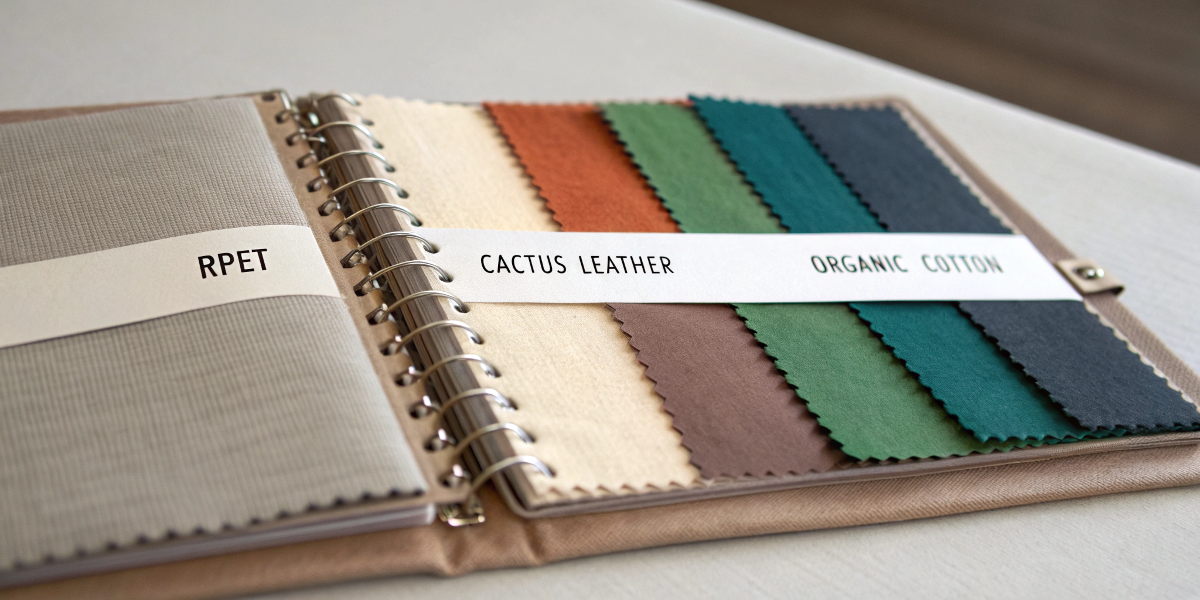 Material proof Use GRS or GOTS routes only where the fabric, chain and order scope support the wording. |
 Copy route Use claim-copy review when the buyer needs safer wording for insert cards or hangtags. |
Paper scope Use a packaging brief when FSC paper, insert card, sleeve or carton mark belongs in the RFQ. |
What do BSCI, Sedex and SMETA mean for cosmetic bag buyers?
BSCI, Sedex and SMETA are supplier-audit or responsible-sourcing signals. They help buyers and retailers understand social compliance, audit process and supplier onboarding context. They do not prove that a cosmetic bag fabric is recycled, organic or sustainable. This distinction is one of the most important parts of a certification comparison.
| Audit signal | Good use | Wrong use |
|---|---|---|
| BSCI | Supplier social responsibility and buyer onboarding file. | Using it as recycled-material proof. |
| Sedex / SMETA | Retailer audit requirement and responsible-sourcing evidence. | Using it as product sustainability proof. |
| Factory audit file | Vendor qualification, social audit and process transparency. | Printing it as a consumer-facing eco claim. |
What does ISO 9001 mean in a Beauty GWP cosmetic bag project?
ISO 9001 relates to quality-management systems. It can show that a supplier has process discipline around quality management, but it does not prove that a specific shipment passed AQL inspection, that a material is sustainable or that a finished cosmetic bag meets every retailer requirement. For launch-critical Beauty GWP projects, ISO 9001 is a useful supplier capability signal, not a replacement for sample approval, inspection or component-level documents.
How should claim wording match certification scope?
The strongest document package is not the one with the most logos. It is the one where each document matches the exact component and claim. If the fabric document supports recycled polyester outer fabric, the claim should not imply that zipper, lining, puller and packaging are also recycled. If the FSC document supports a paper sleeve, the claim should stay with the sleeve.
| Buyer wants to say | Better evidence to ask | Safer wording direction |
|---|---|---|
| Recycled cosmetic bag | GRS / RCS fabric or component document. | Made with recycled polyester outer fabric. |
| Organic cotton pouch | GOTS or organic textile fabric document. | Organic cotton outer fabric, if scope supports. |
| Safe textile | OEKO-TEX related scope. | Textile material tested within applicable scope. |
| FSC packaging | FSC paper document. | FSC paper insert card or sleeve. |
| Responsible factory | BSCI / Sedex / SMETA audit evidence. | Produced by an audited supplier, if buyer-facing wording is approved. |
| Quality-controlled supplier | ISO 9001 quality-management system. | Supplier with ISO 9001 quality-management system. |
What should buyers ask in the RFQ instead of asking for all certificates?
Asking Do you have certificates? is too broad. A stronger RFQ tells the supplier what the buyer needs to claim, where the claim will appear, and whether the buyer needs general proof or order-specific documents. This avoids wasting time collecting documents that cannot support the artwork.
| Weak question | Better RFQ question | Why better |
|---|---|---|
| Are you certified? | Which component does the certificate cover? | Separates material, paper, audit and quality scope. |
| Is this sustainable? | What claim wording do you want to print? | Lets supplier match proof to wording. |
| Can you send all certificates? | Do we need GRS, GOTS, BSCI, Sedex, FSC or ISO for this buyer requirement? | Avoids irrelevant paperwork. |
| Can we use the logo? | Does the certification owner allow this logo use in our placement? | Separates document proof from logo permission. |
| Do you have material proof? | Is order-specific material proof needed, and is it paid? | Clarifies cost, MOQ and lead-time impact. |
How do quantity, budget and document scope affect certification planning?
Certification planning is not only a compliance topic. It can affect MOQ, material selection, supplier chain, cost and lead time. A small and simple reusable pouch may only need basic material specification and supplier document. A retail-ready claim-heavy Beauty GWP campaign may need material proof, FSC paper scope, supplier-audit files and buyer-side copy review.
| Project type | Reasonable document route | Budget / timing note |
|---|---|---|
| Simple reusable pouch | Material spec plus basic supplier document. | Good for simpler GWP projects. |
| Recycled fabric Beauty GWP | GRS / RCS material document if required. | Order-specific proof may need extra cost and planning. |
| Organic cotton gift pouch | GOTS or organic textile route if scope supports. | Confirm fabric and processing before sampling. |
| Retail-ready claim-heavy campaign | Material document plus paper document plus audit evidence. | Needs earlier RFQ and artwork control. |
| Distributor / vendor onboarding | BSCI, Sedex or ISO supplier evidence. | Useful for supplier qualification, not material claims. |
What common certification mistakes should Beauty buyers avoid?
- Using BSCI or Sedex as proof that a fabric is recycled or organic.
- Using FSC paper packaging as evidence that the whole cosmetic bag is sustainable.
- Treating OEKO-TEX as organic, recycled or low-carbon proof.
- Assuming GRS automatically covers the whole finished bag.
- Printing certification logos on hangtags before checking usage permission and scope.
- Requesting order-specific documents after artwork has already been approved.
- Asking for every environmental certificate without confirming material, budget and quantity.
What does a certification-scope cleanup case teach?
Composite anonymized scenario: A skincare GWP buyer wanted a cosmetic pouch project to say sustainable recycled cosmetic bag with FSC packaging. The first supplier file included a BSCI audit, a recycled-looking fabric option and a paper sleeve concept, but the documents did not match the exact claim. The audit belonged to the factory. The recycled material proof had not been confirmed for the order. The sleeve was paper, but FSC paper scope was not yet locked.
Ecorivta separated the claim into components. The bag copy moved toward made with recycled polyester outer fabric, if the selected fabric document supported that scope. The packaging copy moved toward FSC paper sleeve, if the paper component supported it. BSCI stayed in the supplier onboarding file, not consumer-facing claim copy. If the buyer required this batch’s separate material proof, the team treated it as a specific paid document requirement to confirm before sampling.
The strongest document package is not the one with the most certificate names. It is the one where every document matches the exact component, claim and buyer requirement.
Anonymous feedback from brand buyers
Names are withheld because these points summarize recurring certification-scope questions Ecorivta hears from beauty brands, importers, packaging teams and procurement-side conversations.
| Buyer role | Feedback | Practical lesson |
|---|---|---|
| Beauty procurement manager, name withheld | “Our team asked for GRS, but the real question was whether the recycled fabric claim could appear on the insert card.” | Start from claim wording and component scope, then request the document that supports that exact wording. |
| Packaging lead, name withheld | “We had FSC paper for the sleeve, but the bag material needed a separate proof route.” | Keep paper packaging evidence separate from textile or clear-pouch material evidence. |
| Retail onboarding coordinator, name withheld | “BSCI helped with vendor review, but it did not answer our material-claim question.” | Separate supplier audit files from material certification files in the RFQ package. |
What can Ecorivta deliver for certification-heavy Beauty GWP projects?
Ecorivta is a better fit when the buyer can define material route, intended claim wording, order quantity, packaging component, retailer requirement and document deadline. With those inputs, the team can separate material proof, paper proof, social-audit evidence, quality-system evidence and order-specific document needs.
Certification-heavy projects still need buyer-side legal, compliance or retailer review where claims, certification logo use or market-specific language are involved. Ecorivta can help prepare supplier-side scope questions and document routes before sampling and artwork approval.
Which related guide should buyers read next?
| Buyer question | Next page | Why |
|---|---|---|
| Need deeper GRS / GOTS proof? | GRS and GOTS proof guide | Use this for recycled and organic proof depth. |
| Need safer insert card wording? | Send claim wording | Use this when buyer-facing wording needs evidence boundaries. |
| Need first RFQ fields? | Send RFQ fields | Use this for first-send supplier fields. |
| Need material selection? | Cosmetic bag material guide | Use this for fabric and clear material decisions. |
| Need campaign context? | Beauty GWP Solutions | Use this for overall Beauty GWP campaign planning. |
| Ready to check document scope? | Contact Ecorivta | Send material, claim and certification requirement. |
 Campaign route Use the Beauty GWP hub when certification requirements belong to a campaign brief. |
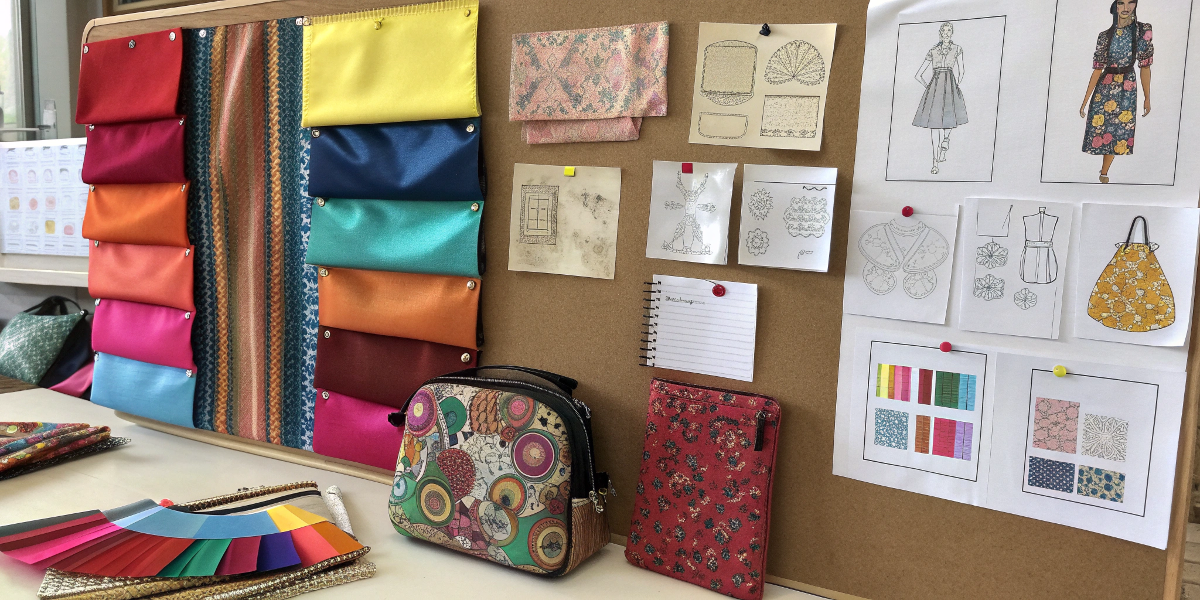 Product route Use the cosmetic bag page when the buyer needs pouch format, material and RFQ direction. |
 Document route Send the intended claim, material route, quantity and document list before artwork approval. |
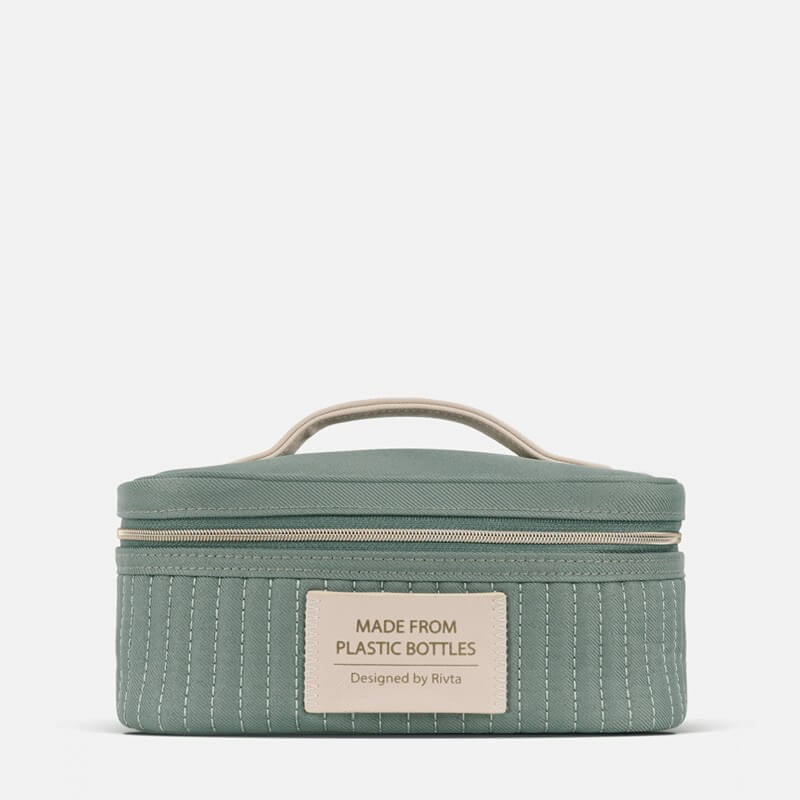 Recycled route Use rPET or recycled textile routes only where component-level proof is clear. |
 Natural route Use natural or organic wording only after fabric scope and proof route are clarified. |
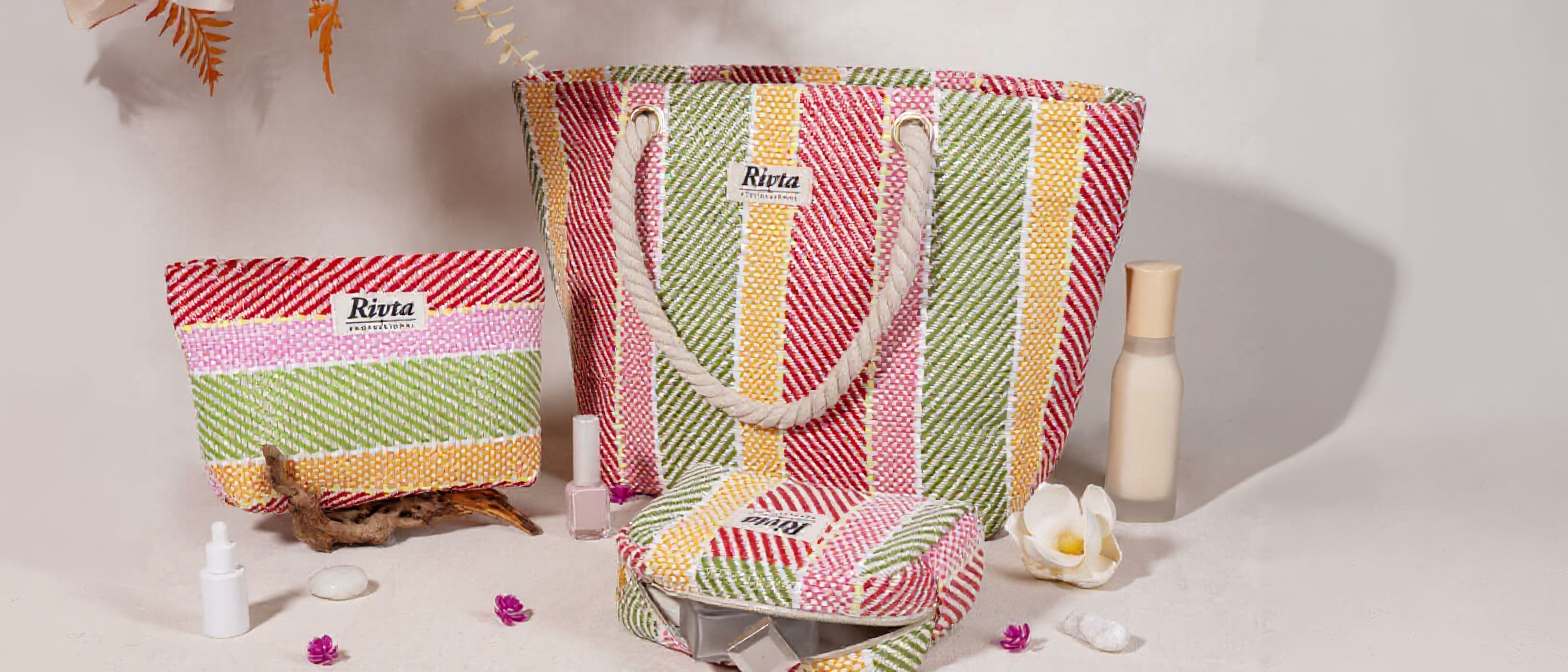 Placement route Use insert cards, sleeves and hangtags carefully so paper claims do not become bag claims. |
Copy-ready certification RFQ checklist
- Project: Beauty GWP cosmetic bag / pouch / clear bag / gift bag.
- Material route: recycled polyester, rPET, recycled cotton, organic cotton, natural textile, clear TPU / EVA or undecided.
- Claim wording: exact sentence planned for bag, insert card, hangtag, sleeve, carton or product page.
- Certification requested: GRS, GOTS, OEKO-TEX, FSC, BSCI, Sedex, ISO 9001 or buyer-specific audit file.
- Scope needed: material-level, paper-packaging-level, factory-audit-level, quality-system-level or order-specific proof.
- Quantity and budget: order quantity, market, retailer requirement and whether paid batch-specific proof is acceptable.
- Approval timing: when documents must be ready before artwork, insert card or hangtag approval.
Send these fields through the Ecorivta contact page. Ecorivta can help check whether each requested certificate belongs to material, packaging, supplier audit, quality system or this specific order.
Need help matching certificates to a Beauty GWP cosmetic bag claim?
Share your intended claim wording, material route, packaging scope, quantity and required certification list. Ecorivta can help build a component-level document checklist before sampling.
FAQ
Does BSCI prove a cosmetic bag is eco-friendly?
No. BSCI is a social-audit signal. It can support supplier responsibility or onboarding, but it does not prove recycled, organic or sustainable material.
Does FSC packaging mean the whole cosmetic bag is sustainable?
No. FSC can support paper components such as insert card, sleeve or hangtag. It does not certify textile fabric, lining, zipper or the whole finished bag.
Which certification do Beauty GWP buyers ask for most often?
Common requests include GRS, GOTS, BSCI and Sedex. The right answer depends on whether the buyer needs material proof, supplier audit evidence, paper packaging scope or quality-system support.
Can Ecorivta provide separate material proof for one batch?
When the supplier chain and order details support it, separate material proof for a batch may be available as a paid document route. It should be confirmed before sampling and artwork approval.
Should buyers ask for all certificates in the first email?
No. It is better to define material route, claim wording, quantity, packaging scope and retailer requirement first. Then the certification list can be narrowed to what the project actually needs.
Trademark notice
Certification, audit, standard and organization names referenced in this guide belong to their respective owners. References are used only to explain buyer-side document scope, certification comparison and RFQ planning. Ecorivta does not claim endorsement by any third party or standard owner.
About the author
Lina Lv is Brand & Product Specialist at Ecorivta, working with beauty brands, importers and sourcing teams on custom cosmetic bags, clear pouches and sewn beauty accessories. Her project work focuses on translating buyer briefs into sample development, material confirmation, logo approval, packing scope, QC evidence and shipment handoff. Ecorivta is operated by Rivta Culture Equipment and backed by a Dongguan factory group with long-term experience in sewn bags and accessories.
Sources
- Textile Exchange, recycled standards. Source ↩
- Global Organic Textile Standard. Source ↩
- OEKO-TEX, STANDARD 100. Source ↩
- Forest Stewardship Council, FSC label guidance. Source ↩
- amfori, BSCI. Source ↩
- Sedex, SMETA audit. Source ↩
- International Organization for Standardization, ISO 9001 quality management. Source ↩