Color approval for scrunchies has to follow fabric, elastic and packing
Private label scrunchies look simple, but color problems often start before production. A buyer may approve a color code, then later change fabric, print method, elastic strength, card design or gift set mix. The final product can still feel wrong even when the supplier followed one part of the brief.
For beauty gifts and GWP programs, the color approval route should connect lab dip, strike-off or print sample, bulk batch, elastic comfort, label color and packing version. This keeps the buyer from approving a pretty swatch that does not match the final gift set.
Review scrunchie lab dip and color route
Approve color by material, not only by code

A color code or buyer reference is a starting point. It is not enough by itself. Satin reflects light differently from silk. Velvet looks deeper and warmer. Printed satin can make a pale shade look busy if the print scale is wrong. If the order uses several fabrics in one beauty gift set, approve each material route separately.
When buyers need colorfastness or textile performance support, recognized standards bodies such as AATCC 1 and ISO textile colorfastness standards such as ISO 105-A02 2 can be useful background. The practical RFQ still needs the exact fabric, color reference, order use and target market.
Separate lab dip, print approval and bulk batch
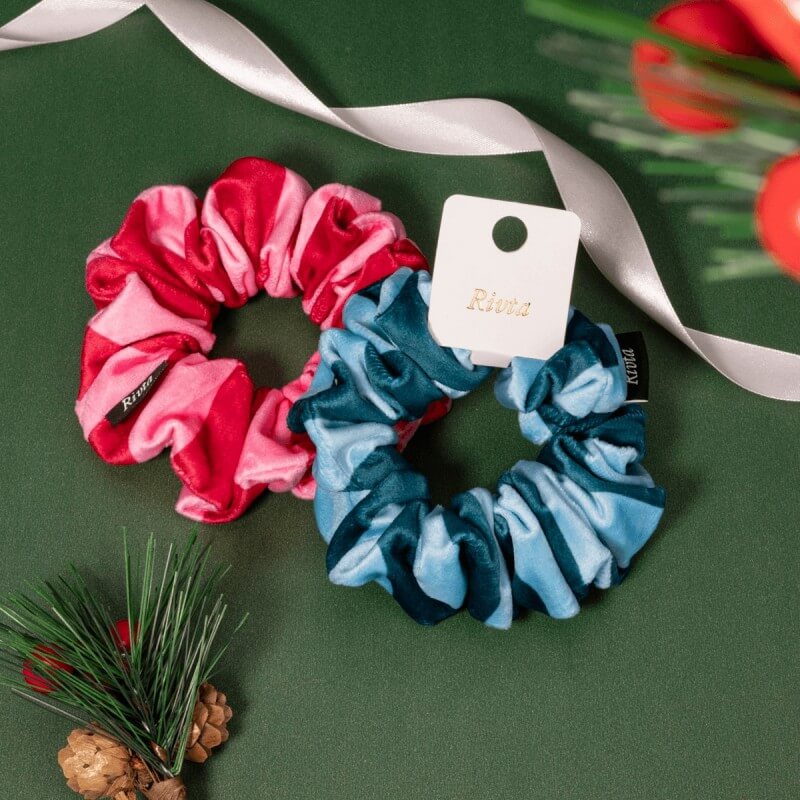
For solid color scrunchies, a lab dip or fabric swatch can confirm the color direction before the sample. For printed scrunchies, the buyer also needs artwork scale, repeat, placement risk and print color review. A beautiful print on flat fabric can look different after gathering because scrunchies fold and bunch the material.
| Approval item | Buyer should confirm | Why it matters |
|---|---|---|
| Lab dip or swatch | Color direction on the chosen material | Prevents approving color only on a screen |
| Print strike-off | Artwork scale, repeat, print color and white base if used | Printed fabric gathers after sewing |
| Bulk batch | First bulk fabric or first pieces against approved sample | Catches dye-lot or batch shift before full packing |
| Packing color | Card, label, sticker, pouch or box color | Protects the final gift presentation |
Plan scrunchie color batch approval
Do not approve color while ignoring elastic comfort
For scrunchies, the elastic size and strength affect the final look. If the elastic is too tight, the scrunchie may gather too much and make the print look cramped. If it is too loose, the shape may look flat and the buyer may worry about function. This is why color review and fit review should happen together.
The buyer does not need to overcomplicate the brief. A good RFQ can state fabric, color direction, elastic comfort target, approximate finished size, quantity per color and packing route. Ecorivta can then recommend whether to start with swatches, a full sample or a small approval set.
One beauty gift set may need more than one color approval
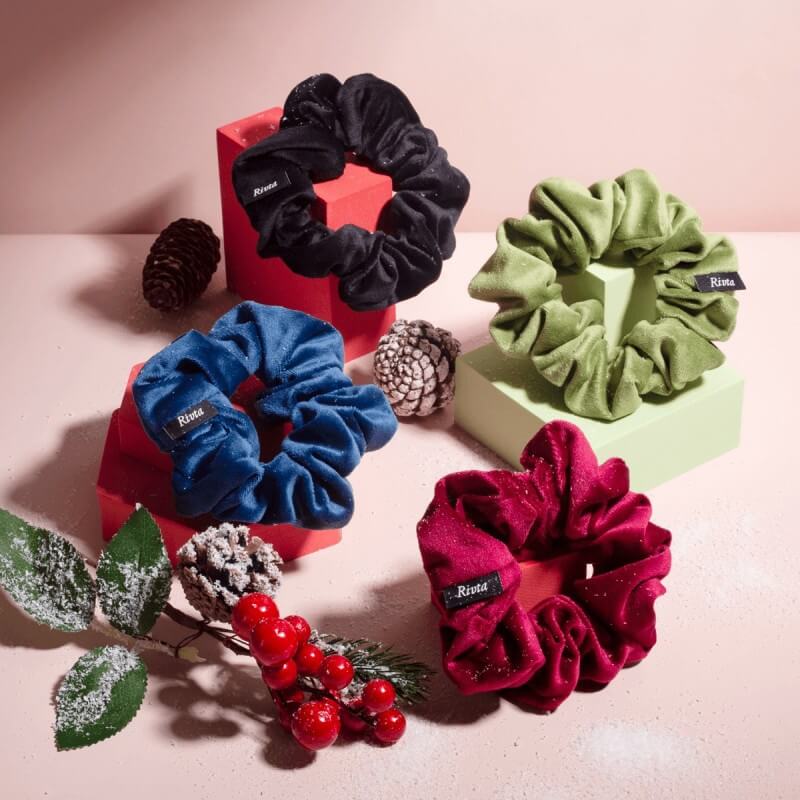
If a Beauty GWP program combines scrunchies with eye masks, headbands, pouches or hair clips, the buyer should decide whether the goal is exact color match or coordinated color family. Exact match across different materials is harder and may raise cost or sampling rounds. Coordinated color is often more realistic for gift sets.
For skin-contact textile items, buyers may also request project-dependent material documentation. OEKO-TEX STANDARD 100 3 is a recognized textile safety reference, but document scope depends on the actual material route, supplier chain and order requirement.
Send a color approval brief before sampling
For a scrunchie RFQ, send the target fabric, color reference, print artwork if any, elastic comfort target, quantity by color, gift or sellable role, packing route and launch date. If the product is part of a set, say which item should be the color anchor.
Send a scrunchie color approval RFQ
FAQ
Is a Pantone or color code enough for scrunchie production?
No. It helps define direction, but buyers should still approve the color on the selected fabric and the final gathered scrunchie shape.
Do printed scrunchies need a different approval route?
Yes. Printed scrunchies should confirm artwork scale, print color and how the print looks after the fabric is gathered and sewn.
When should elastic size be checked?
Check elastic during sample approval, because elastic tension changes the gathered look, comfort and perceived fullness.
Should all set items match exactly?
Not always. Exact match across different materials can be difficult. A coordinated color family may be better for many Beauty GWP sets.
Related Ecorivta pages and guides
- Scrunchies for material, logo and packing routes.
- Beauty GWP Accessories for coordinated launch-kit planning.
- Quality Control for sample and bulk evidence.
-
AATCC standards are cited as textile-testing background when buyers discuss colorfastness, crocking or material performance. ↩︎
-
ISO 105-A02 is cited as background for grey scale assessment of color change in textile colorfastness testing. ↩︎
-
OEKO-TEX STANDARD 100 is cited as a recognized textile safety reference when buyers request project-dependent tested material support. ↩︎