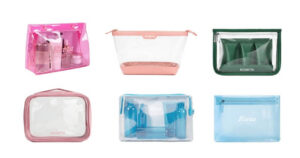
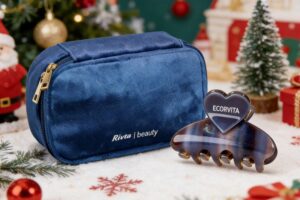
Material QC should be a buyer approval file, not a late inspection surprise
For Beauty GWP accessories, many quality problems begin before production: the buyer approves a style but not the final fabric, trim, color lot, label, elastic, puller, backing card or packing route. By the time finished goods are checked, the supplier may have followed an incomplete file.
A useful material QC brief connects swatches, trims, color references, sample approval and evidence photos. It helps the buyer and supplier agree what must be checked before cutting, during first pieces, during inline work and before packing is closed.
If your team only has swatches or sample photos now, send the material route, trim concern and target launch market by WhatsApp for a quick material QC review.
Send a Beauty GWP material QC brief
Start with product use and material route
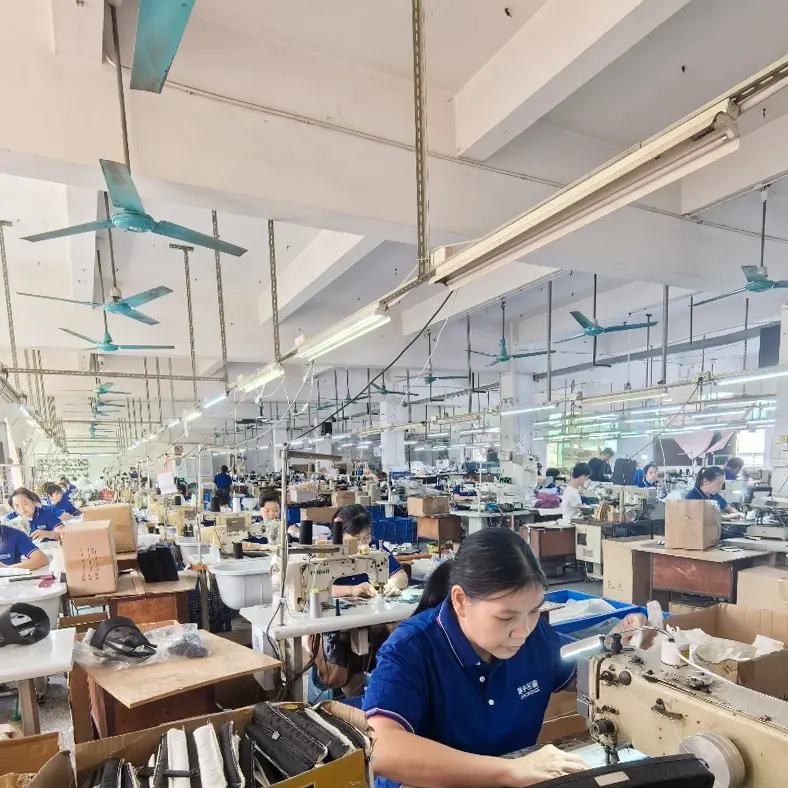
A swatch means little without product use. A scrunchie, eye mask, headband, dust bag, vanity insert or pouch may use similar-looking fabric but require different softness, stiffness, color, lining, stitching or packing behavior. The buyer should state whether the item is a GWP, sellable SKU, PR kit component, spa set or retail accessory.
For skin-contact textiles, buyers may ask about tested material support. OEKO-TEX STANDARD 100 1 is a recognized textile safety reference, but document scope is project-dependent. Ecorivta should not overpromise a certificate for every material unless the exact route and supplier chain support it.
Before a full file is ready, buyers can WhatsApp the material route question to avoid choosing the wrong approval path.
Build a swatch set that includes color, hand feel and trim
A material QC file should not be only a color code. It should include the main material, lining if used, elastic, zipper, drawcord, label, puller, card, pouch or box material where these parts affect the final product. Buyers often remember the main fabric but forget the small parts that make the final set feel mismatched.
When colorfastness, rubbing or textile performance is relevant, AATCC test methods 2 can be useful background. The practical production file should still state the buyer’s actual tolerance: exact match, close match, coordinated family, or approved variance by material type.
| QC item | What to approve | Why it matters |
|---|---|---|
| Main material | Swatch, hand feel, weight, color and finish | Defines the buyer’s visual and tactile expectation |
| Trims | Zipper, elastic, label, puller, drawcord, card or pouch | Small parts can make the set look inconsistent |
| Color lot | Lab dip, bulk fabric or first-piece color against reference | Prevents shade shift after buyer approval |
| Evidence | Photo angle, sample reference and version naming | Makes QC files usable by sourcing, marketing and logistics |
If color or trim matching is the main concern, WhatsApp the swatch and trim review first.
Use first pieces to lock the real production route
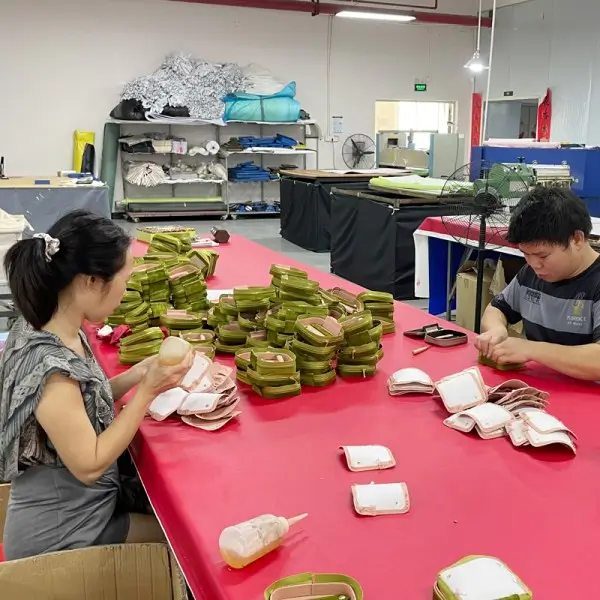
A pre-production sample shows direction. First pieces show what the production route is actually doing. This is where the buyer should confirm color, trim placement, stitching, logo position, label orientation, shape and packing fit before the order moves too far.
If the buyer uses inspection sampling terms, ISO 2859-1 3 is a recognized reference for attribute inspection language. The more useful buyer action is to define which defects are critical for this exact Beauty GWP item: wrong trim, wrong color, scratch, loose stitch, warped shape, label mismatch, packing mismatch or wrong version split.
Connect material claims to packing and artwork
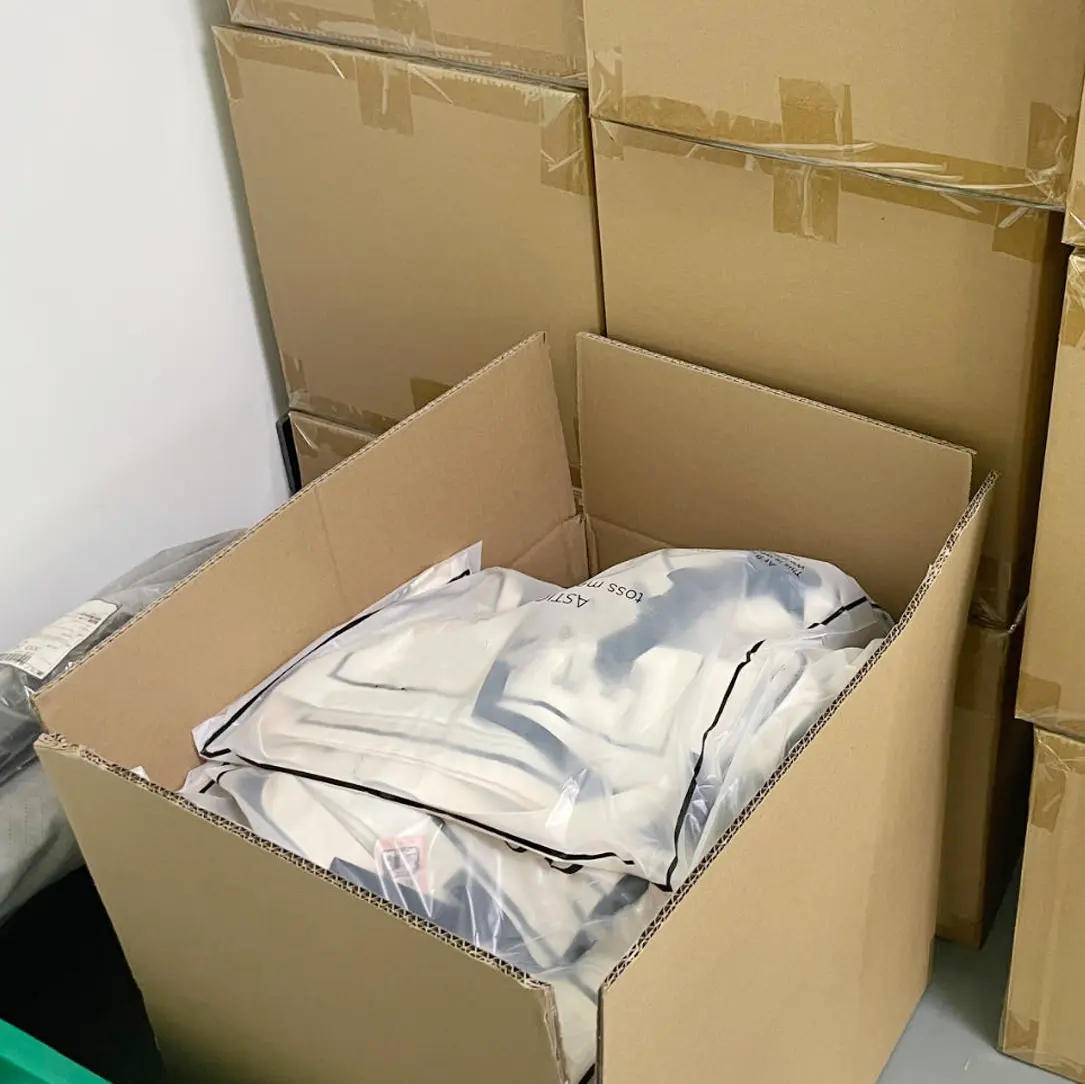
Material QC also affects artwork. If a card, pouch, sticker or insert says recycled, organic, biodegradable, vegan, silk, satin or other material wording, the claim should match the actual approved material and document scope. For US environmental claims, the Guides for the Use of Environmental Marketing Claims 4 are useful claim-boundary background.
For many Beauty GWP programs, the safest wording is project-specific: what material route is being used, which document can be supported for this order, and what the buyer should approve before print or packing. Broad claims should not be added late just because they sound better on a card.
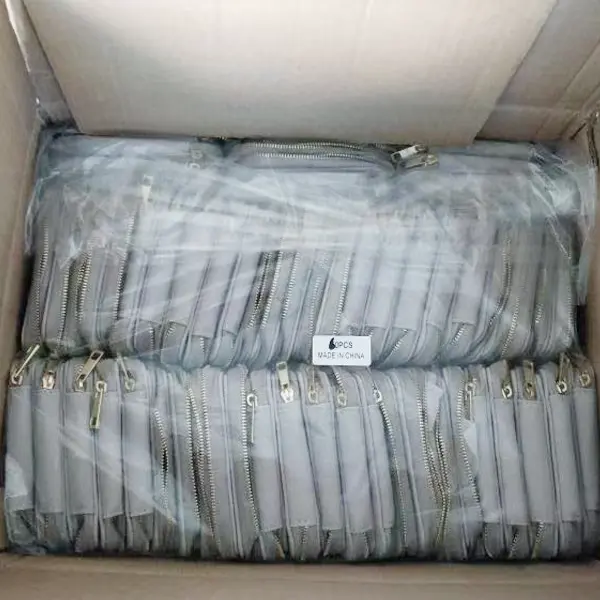
Review swatches, trims and color route
Send the QC file before sample approval is finished
For a material QC brief, send product type, material route, color reference, trims, logo method, packing route, target market, launch window, document needs and the evidence photos your team needs before bulk release. If there are several colors or market versions, name them exactly as your internal team will use them.
Ecorivta can then recommend the approval route: swatch first, material-and-trim card, pre-production sample, first-piece evidence, inline photos or finished-goods photo set.
For the fastest handoff, WhatsApp the material QC RFQ details and keep the Contact form for longer files or notes.
FAQ
What should be in a material QC brief?
Include the approved material route, swatches, color reference, trims, logo method, packing route, sample reference, tolerance notes and evidence requirements.
Should trims be approved separately from the main fabric?
Yes. Zippers, elastic, labels, pullers, cards, drawcords and lining can change the final look and function even when the main fabric is correct.
How should buyers handle color differences across materials?
Decide whether the program needs exact match or coordinated color family. Different materials may need separate swatches or lab dips.
When should QC evidence be requested?
Request the evidence route before bulk starts so the supplier knows which swatches, trims, first pieces, inline photos and finished-goods checks matter.
Related Ecorivta pages and guides
- Quality Control for sample, inline and finished-goods checks.
- Certifications for project-dependent document support.
- Beauty GWP Accessories for launch-kit material planning.
-
OEKO-TEX STANDARD 100 is cited as a recognized textile safety reference when buyers ask about skin-contact material support. ↩︎
-
AATCC test methods are cited as textile-testing background when buyers discuss colorfastness, rubbing or material performance. ↩︎
-
ISO 2859-1 is cited as recognized inspection-sampling terminology background; the actual acceptance rules must match the product and buyer tolerance. ↩︎
-
The US environmental marketing claim guides are cited as claim-boundary background for material or environmental statements on packaging. ↩︎