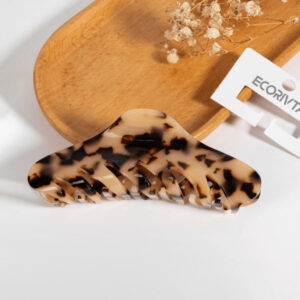
A sewn beauty accessory supplier can respond quickly only when the buyer brief is clear. For scrunchies, headbands, hair towels, eye masks, cosmetic pouches and mixed Beauty GWP sets, a missing RFQ detail often changes the quote after the first conversation.
The problem is rarely one big missing file. It is usually a chain of small gaps: target price is missing, product use is unclear, logo details are verbal, certificate scope is not named, or the launch date is shared after sampling. That makes two suppliers quote different projects, even when both appear to answer the same inquiry.
This checklist turns the RFQ handoff into a buyer-side working file. It helps beauty brands, DTC teams, retail private label buyers and procurement teams send a supplier enough information to quote the right accessory route before sample development starts.
TL;DR
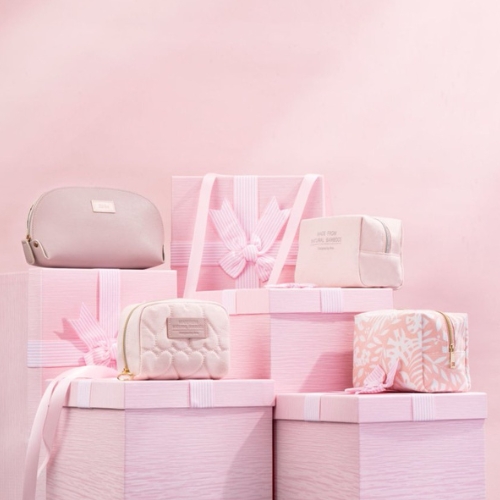
Send the RFQ file before asking a sewn beauty accessory supplier for final price. Include product use, target price, product type, logo method, quantity, packaging scope, sample deadline, launch window, certificate or test requirements and the decision owner. If the buyer only has a concept, Ecorivta first clarifies whether the item is for a gift, retail sale, launch kit or set, then recommends a practical route.
Send Your Sewn Accessory RFQ Brief
What is RFQ handoff for sewn beauty accessories?
RFQ handoff is the point where a buyer transfers enough project information for a supplier to quote responsibly. It sits between a general sourcing conversation and formal sample development. The buyer does not need every final artwork file, but the supplier needs enough fixed information to estimate material, labor, logo process, packing, testing, lead time and whether the project can fit the target price.
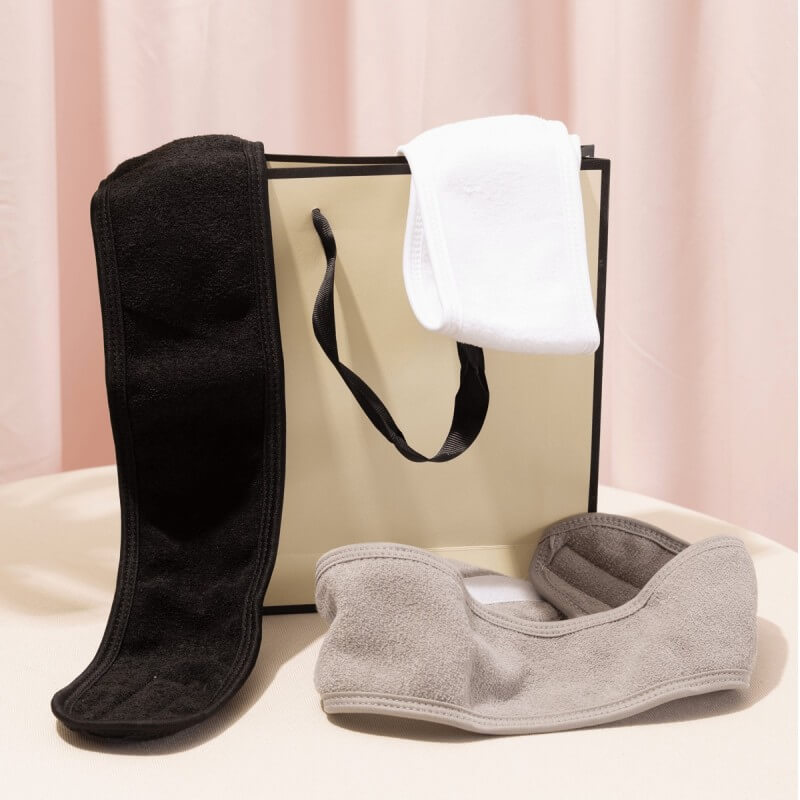
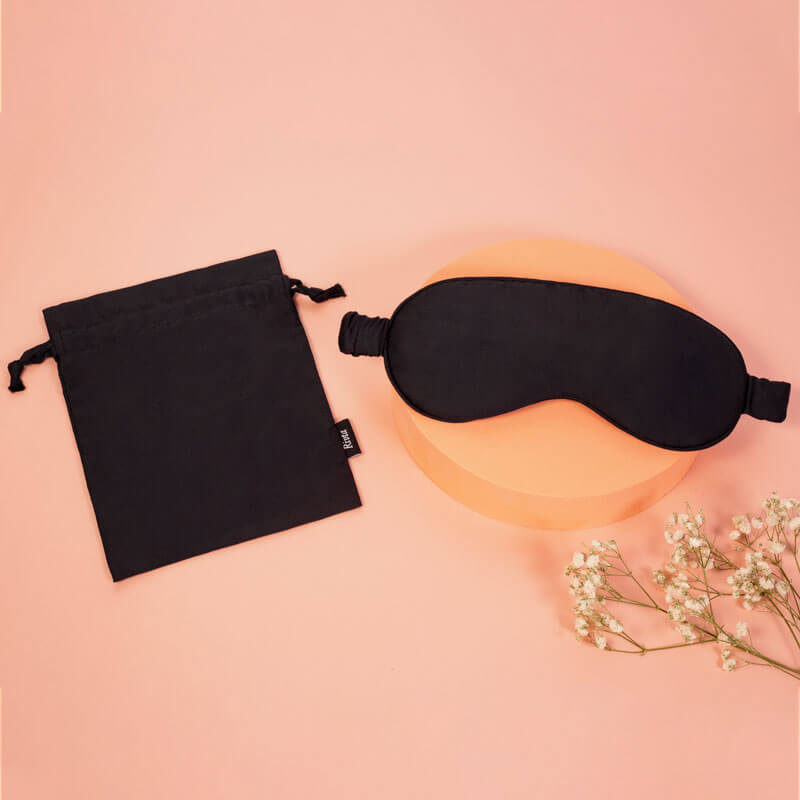
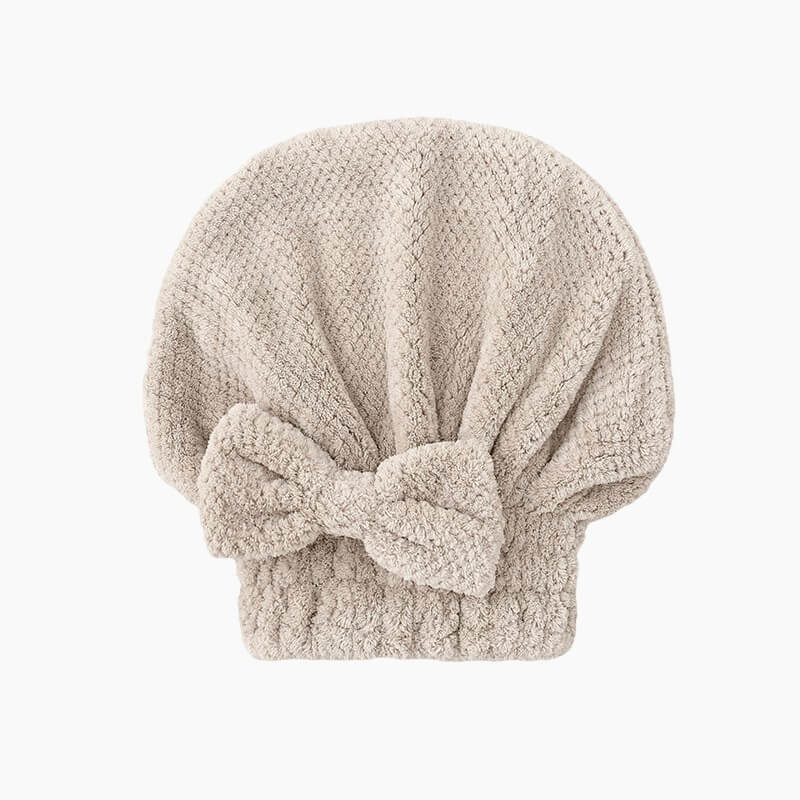
For sewn beauty accessories, RFQ handoff is especially important because the same product name can hide different production routes. A scrunchie may be silk satin, recycled satin, velvet, cotton, mesh or a mixed-material route. A headband may need terry, microfiber, elastic, woven label, embroidery or packed-set assembly. A hair towel may need button, loop, carton packing and absorbency-related review.
Ecorivta positions sewn beauty accessories as part of custom branded beauty accessory routes [1] and Beauty GWP programs, not as single-piece retail buying. That means the RFQ file should help the supplier understand the commercial program: product purpose, target buyer, launch window and approval path.
Which product scope should be defined first?
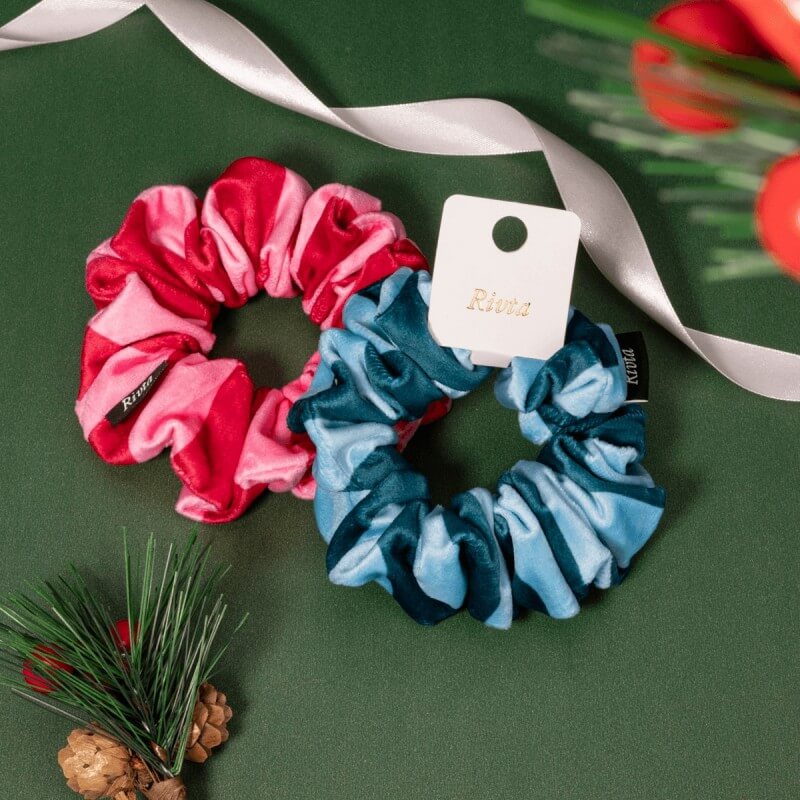
The first RFQ decision is not material. It is scope. The supplier needs to know whether the buyer is sourcing one accessory, a sibling product family or a full gift set. Without scope, the quote may miss packout labor, insert cards, set assembly, carton marking or multi-SKU color control.
| RFQ scope | What the buyer should state | Why it changes quotation |
|---|---|---|
| Single accessory | One product type, one size, one logo route and one packing route. | Supplier can quote material, labor and sample path directly. |
| Sibling accessory family | Several related items such as scrunchie, headband and hair towel. | Color matching, material consistency and approval files need coordination. |
| Beauty GWP set | Accessory, pouch, insert card, sleeve, carton and shipment handoff. | Packout labor, component responsibility and carton evidence affect price. |
| Retail private label program | SKU list, barcode, market version, label rule and reorder window. | Supplier must manage version control and repeat production evidence. |
A buyer who only writes “custom beauty accessories” leaves too much room for interpretation. A clearer RFQ says whether the request is for a scrunchie, headband, hair towel, eye mask, pouch, launch kit component or full packed beauty gift set. The buyer should also explain whether the item is a gift, a retail item, a private label SKU or a set component, because the same product may need a different material and packing route depending on use.
What specifications belong in the RFQ file?
The RFQ file should separate fixed specifications from open decisions. This gives the supplier permission to quote what is known and flag what still needs buyer approval. The four details buyers most often miss are target price, product use, logo requirement and certificate or test requirement. If everything is marked as final when it is not final, the first quote becomes fragile.
| RFQ field | Minimum detail | Common risk when missing |
|---|---|---|
| Product type | Scrunchie, headband, hair towel, eye mask, pouch, cosmetic bag or set. | Supplier quotes the wrong construction route. |
| Product use | Gift, retail sale, launch kit, PR mailer, spa set or private label SKU. | Material, packing and target price may change. |
| Target price | Target range, retail positioning or budget direction. | Supplier cannot recommend the right route. |
| Size | Finished size, tolerance expectation and fit reference when available. | Sample approval changes after first sample. |
| Material route | Preferred fabric, finish, recycled content claim or alternative route. | Material cost and certificate scope are unclear. |
| Logo method | Embroidery, woven label, heat transfer, print, metal charm or no logo. | Logo cost and lead time are not included correctly. |
| Color reference | Pantone, lab dip, physical sample or existing product reference. | Buyer and supplier approve different shades. |
| Packing | Polybag, insert, hangtag, sleeve, carton mark, set packing or display. | Quote misses labor, paper goods or carton space. |
| Quantity | Target quantity per style, color, SKU and market version. | MOQ and unit price cannot be compared fairly. |
For early projects, the buyer can mark some fields as “supplier to recommend.” That is better than leaving the field blank. Blank fields make the supplier guess; recommendation fields tell the supplier where route advice is welcome.
How should logo artwork and color be handed off?
Logo handoff should include artwork file, logo size, placement, method, color and approval owner. A logo on a barrettes card, a woven label on a scrunchie and embroidery on a headband do not follow the same cost path. The supplier needs to know whether the buyer expects a logo strike-off, a digital mockup, a physical trim sample or full sample approval.
Color should also be treated as a handoff item, not a mood-board note. If the buyer has Pantone references, lab dip rules or existing brand color standards, they should be sent before quote confirmation. When color is flexible, the RFQ should say which color family is preferred and whether supplier stock material is acceptable.
For branded programs, the buyer should also state whether artwork is final or temporary. Temporary artwork can support early costing, but final artwork is needed before production approval. If barcode, insert card or market text is involved, the buyer should identify who owns those files and when they will be released. GS1 barcode standards [2] support identification across supply chains, which is why barcode handoff should not be treated as a last-minute carton task.
What packaging and packout information belongs in the RFQ?
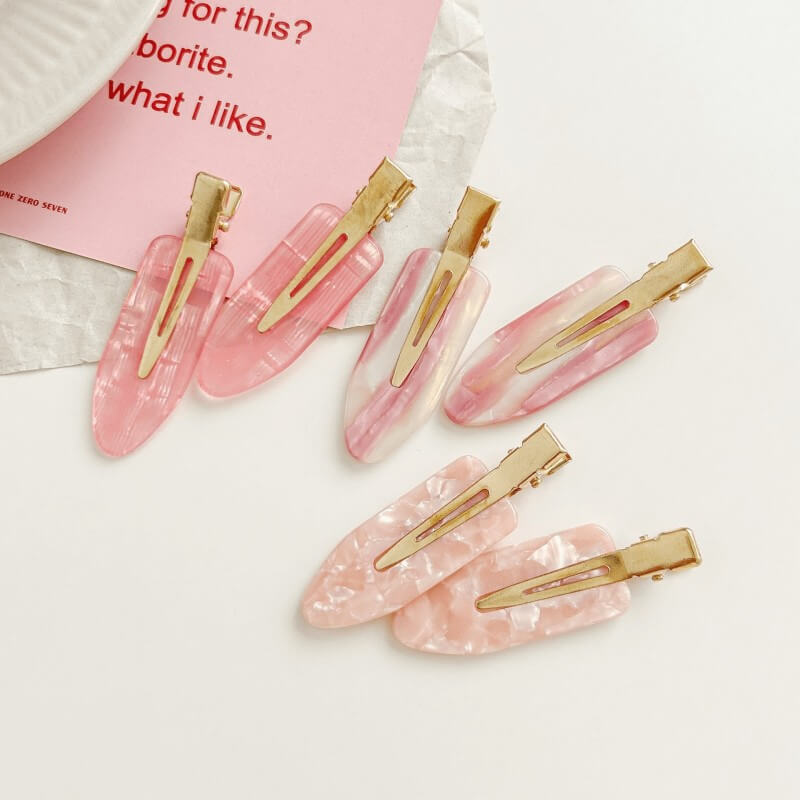
Packaging changes the quote because it changes labor, material purchasing and shipment planning. A spa headband packed alone is not the same as a headband packed with a pouch, insert card, carton mark and market label. A retail private label accessory may also need barcode, country version, carton quantity and photo evidence before shipment.
| Packaging item | Buyer handoff | Supplier response needed |
|---|---|---|
| Unit packing | Polybag, sleeve, band, card, hangtag or no individual packing. | Confirm labor, paper size and approval proof. |
| Set packing | Which accessory goes with which bag, pouch, towel or card. | Confirm packout sequence and responsibility. |
| Carton mark | SKU, quantity, market version, barcode or retailer wording. | Confirm carton layout and photo evidence. |
| Insert card | Artwork owner, language version and approval deadline. | Confirm print lead time and file format. |
| Display requirement | Retail shelf, counter display, mailer, PR kit or warehouse shipment. | Confirm protection, carton size and packing method. |
If packaging is still undecided, the buyer should split the RFQ into product quote and packing option quote. That keeps early sourcing moving without pretending the full packout has already been approved.
When should certificates, audit files and tests be named?
Certificate and test requirements should be named before RFQ whenever they affect supplier selection, material route or launch approval. A recycled material claim, social audit request or harmful-substance test can change what material is suitable and how long sample approval will take. Textile Exchange describes standards as tools for verifying material claims [3], so the buyer should connect each claim to a specific material and scope.
OEKO-TEX STANDARD 100 is a textile safety standard for harmful substance testing within its scope; it is not the same as a recycled-content claim.OEKO-TEX STANDARD 100 [4] Sedex describes SMETA as an audit methodology covering labor, health and safety, environment and business ethics review.Sedex SMETA audit methodology [5]
For RFQ handoff, the buyer should name the required document instead of asking for “all certificates.” A useful request says whether the buyer needs BSCI, Sedex / SMETA, GRS, OEKO-TEX, ISO 9001, appointed lab testing, internal QC evidence or pre-shipment photos. ISO 9001 can support quality management discussion,ISO 9001 quality management [6] but it does not replace product-specific testing or sample approval.
How should timing and quantity be stated?
Timing should include sample deadline, final artwork deadline, bulk approval deadline, target ship date and launch window. Buyers often send only the launch date, but suppliers need the approval path that comes before it. For most custom sewn beauty accessory projects, MOQ can often start from 500+ pieces, sampling is often about 7-10 days depending on process, and bulk production is often about 30-50 days depending on whether suitable materials are available. These are planning ranges, not fixed promises; Ecorivta can review faster options when a buyer has a real launch deadline.
Quantity should be stated by style, color, SKU and market version. “10,000 pcs total” is not enough if the order includes four colors, two logo versions and three markets. The supplier needs the split to check MOQ, material purchasing, packing plan and inspection evidence.
| Timing field | What to send | Why it matters |
|---|---|---|
| Sample target | Date for first sample or route sample review. | Controls material sourcing and logo test timing. |
| Artwork release | Date final logo, card, label or carton files will be available. | Prevents supplier from quoting with temporary files. |
| Bulk approval | Date buyer expects to approve size, material, logo and packing. | Sets the production start point. |
| Launch window | Campaign, retail, holiday, PR or replenishment date. | Helps supplier judge whether schedule is realistic. |
| Quantity split | Pieces by SKU, color, market and packing version. | Makes MOQ and price comparison usable. |
What should be sent to Ecorivta before quotation?
A practical RFQ package does not need to be beautiful. It needs to be decision-ready. For sewn beauty accessories, send one brief file and one attachment folder. The brief should summarize commercial scope, while the folder should hold artwork, reference photos, packaging files and document requirements.
- Product route: scrunchie, headband, hair towel, eye mask, pouch, cosmetic bag, cleansing pad, scarf, pillowcase or mixed set.
- Product use: gift, retail sale, launch kit, PR mailer, spa set, private label SKU or seasonal GWP.
- Target price: budget direction, target range or retail positioning if available.
- Target buyer and program: beauty brand, DTC launch, retail private label, spa kit, PR mailer or seasonal GWP.
- Quantity: target quantity per style, color, SKU and market version.
- Size and fit: finished size, tolerance request and reference sample if available.
- Material route: preferred material, claim requirement and acceptable alternatives.
- Logo route: artwork file, size, placement, color, method and approval owner.
- Packing route: unit packing, insert card, hangtag, sleeve, carton, display or set packing.
- Document route: audit file, certificate, test report, QC evidence or third-party lab requirement.
- Timeline: sample deadline, artwork deadline, bulk approval date and launch window.
- Decision owner: who approves material, logo, packing, sample and documents.
Ecorivta’s contact page asks buyers to send beauty GWP, cosmetic bag, tote or sewn accessory briefs with quantity, materials, logo, packaging, certificates and delivery information.Ecorivta contact brief guidance [7] The stronger the RFQ handoff, the faster the supplier can separate ready options from details that still need buyer confirmation.
How is this article different from Ecorivta product pages?
This article handles the RFQ handoff task. It should not replace product-level pages. The beauty GWP accessories hub explains the accessory range. The custom branded beauty accessories page shows broader branded accessory routes. Product pages such as scrunchies, headbands, hair towels, eye masks and cosmetic bags carry product-level sourcing intent. This article only explains what a buyer should send before quotation.
What can Ecorivta deliver for RFQ handoff review?
This checklist is best for beauty brands, personal care companies, DTC teams, retail private label buyers, promotional agencies and procurement teams that need a China supplier to quote sewn beauty accessories with enough detail for sample development. It fits MOQ 500+ branded programs with a launch window, sample-first approval process, target price, product-use discussion, logo or packing requirement, retailer review, material claim, audit file or QC evidence need.
| Buyer situation | Ecorivta can help by |
|---|---|
| Buyer needs scrunchies, headbands, hair towels, eye masks, pouches or a mixed Beauty GWP set. | Separating product scope, material route, logo route, packing route and timing before quotation. |
| Several teams must approve product, artwork, packaging and shipment handoff. | Turning scattered requirements into one supplier-ready RFQ checklist. |
| Buyer only needs single-piece, urgent stock-only or no-brand resale sourcing. | Keeping the discussion lighter, because a full RFQ handoff may be more than the project needs. |
| Project involves branded accessories, launch timing, retailer review, material claims or set packing. | Using a structured RFQ handoff so quotation, sampling and approval start from the same scope. |
Composite case: RFQ scope changed after first quote
Initial brief
A beauty brand asked for a quotation for a soft accessory set. The first message said the buyer needed scrunchies and headbands for a launch kit, with a preferred color family and rough quantity. The buyer did not state target price, final product use, certificate requirement or logo method. The supplier quoted a simple route based on plain unit packing and one logo option.
Problems found before sampling
After the first quote, the buyer clarified that the set was also part of a retail-facing launch kit. The buyer added a woven label, insert card, carton mark, recycled material claim and packout with a cosmetic pouch. Quantity also changed from total pieces to three colorways and two market versions. The first quote no longer matched the approved scope.
Correction path
The supplier first asked what the accessories were for and what target price the buyer needed to protect. Then the supplier rebuilt the RFQ file into product scope, material route, logo route, packing route, document route, timing and quantity split. The second quotation separated product cost, packing cost, logo setup and optional documents, so each team could review its own part.
Lesson
The buyer changed its RFQ template. Future inquiries included product use, target price, product type, size, logo, packing, certificate requirement, sample deadline, launch window and quantity split before price comparison. The supplier still gave route advice, but both sides discussed the same project from the first quotation.
Anonymous feedback from beauty accessory buyers
| Buyer role | Feedback |
|---|---|
| Procurement manager, name withheld | “The quote is only useful when the supplier knows whether we are buying one accessory or a packed launch set. Otherwise our internal team compares numbers that are not really comparable.” |
| Brand operations lead, name withheld | “Artwork timing is the biggest handoff issue for us. If the logo file, insert card and carton mark are not owned by one person, the sample calendar starts to move.” |
| Packaging engineer, name withheld | “Set packing changes everything. A pouch plus headband plus card is not the same as three separate products. We need that scope before the supplier locks the quote.” |
FAQ
What should a sewn beauty accessory RFQ include?
A sewn beauty accessory RFQ should include product use, target price, product type, size, material route, color target, logo method, packaging scope, quantity, sample deadline, launch window, destination market and any audit, certification or testing requirement.
Should I send artwork before asking for price?
Yes, if logo placement or print method affects the product. A supplier can give a rough estimate without artwork, but a usable quotation needs logo size, file type, print or embroidery method, color reference and placement. If final artwork is not ready, a temporary layout with dimensions is better than a verbal description.
How early should packaging information be shared?
Packaging information should be shared before final quotation when the campaign involves insert cards, sleeves, hangtags, market labels, polybags, cartons or retail display requirements. If packaging is undecided, the RFQ should mark which parts are fixed and which parts are still under buyer review.
Do buyers need to confirm certificates before RFQ?
Buyers should name required certificates, audit files and test reports before RFQ if those documents affect supplier qualification, material choice or retailer approval. A request for BSCI, Sedex, GRS, OEKO-TEX or third-party testing can change the material route, sample schedule or document handoff.
What is the difference between RFQ handoff and sample approval?
RFQ handoff happens before price and sample planning. It gives the supplier enough information to quote the right scope. Sample approval happens after the supplier makes or adapts a sample, and it checks size, material, color, logo, function, packing and evidence files.
Can Ecorivta quote if the buyer only has a concept?
Ecorivta can usually discuss a concept, but the first step is to understand what the product is for: gift, retail sale, launch kit, spa set, PR mailer or private label program. The team then asks for target price, target quantity, logo direction, packing direction and target delivery window before recommending a route.
Which buyers are not a good fit for this RFQ checklist?
This RFQ checklist is not designed for single-piece orders, urgent stock-only buying, no-brand resale sourcing or lowest-price-only requests with no sample approval process. It is most useful for MOQ 500+ branded programs where the buyer needs a repeatable quotation, documented sample route, packing handoff and responsible supplier review before launch.
About the author
Lina Lv writes for Ecorivta as Brand & Product Specialist, with input from the sales and sourcing team. Her articles translate RFQ briefs, sample development, material confirmation, logo approval, packing scope, QC evidence and shipment handoff into practical checklists for beauty brands and procurement teams. Ecorivta is operated by Rivta Culture Equipment and backed by a Dongguan factory group with long-term experience in sewn bags and accessories.
If your team is preparing an RFQ for sewn beauty accessories, send the product type, quantity, logo, packing and timeline through the Ecorivta contact page.
Trademark and Certification Note
BSCI, Sedex, SMETA, GRS, OEKO-TEX, ISO, GS1 and other certification, audit or standard names belong to their respective organizations. This article is a supplier-side sourcing guide and does not claim that every product, material, order or shipment automatically carries every listed certification. Buyers should confirm current document validity, certificate scope, material coverage, testing requirements and market rules before finalizing quotation or bulk production.
Sources
- Ecorivta, custom branded beauty accessories page. Source ↩
- GS1, barcode standards overview. Source ↩
- Textile Exchange, standards overview. Source ↩
- OEKO-TEX, STANDARD 100. Source ↩
- Sedex, SMETA audit solution brief. Source ↩
- International Organization for Standardization, ISO 9001 quality management. Source ↩
- Ecorivta, contact page for RFQ and project brief handoff. Source ↩