Launching a new makeup bag line is exciting but finding a reliable factory feels overwhelming. You need a clear process to turn your smart idea into a real, selling product.
To partner with a makeup bag manufacturer, first define your brand vision, budget, and target audience. Next, vet potential suppliers based on their certifications and experience. After that, create a prototype, agree on MOQs, and place your first order while planning your next sustainable collection.
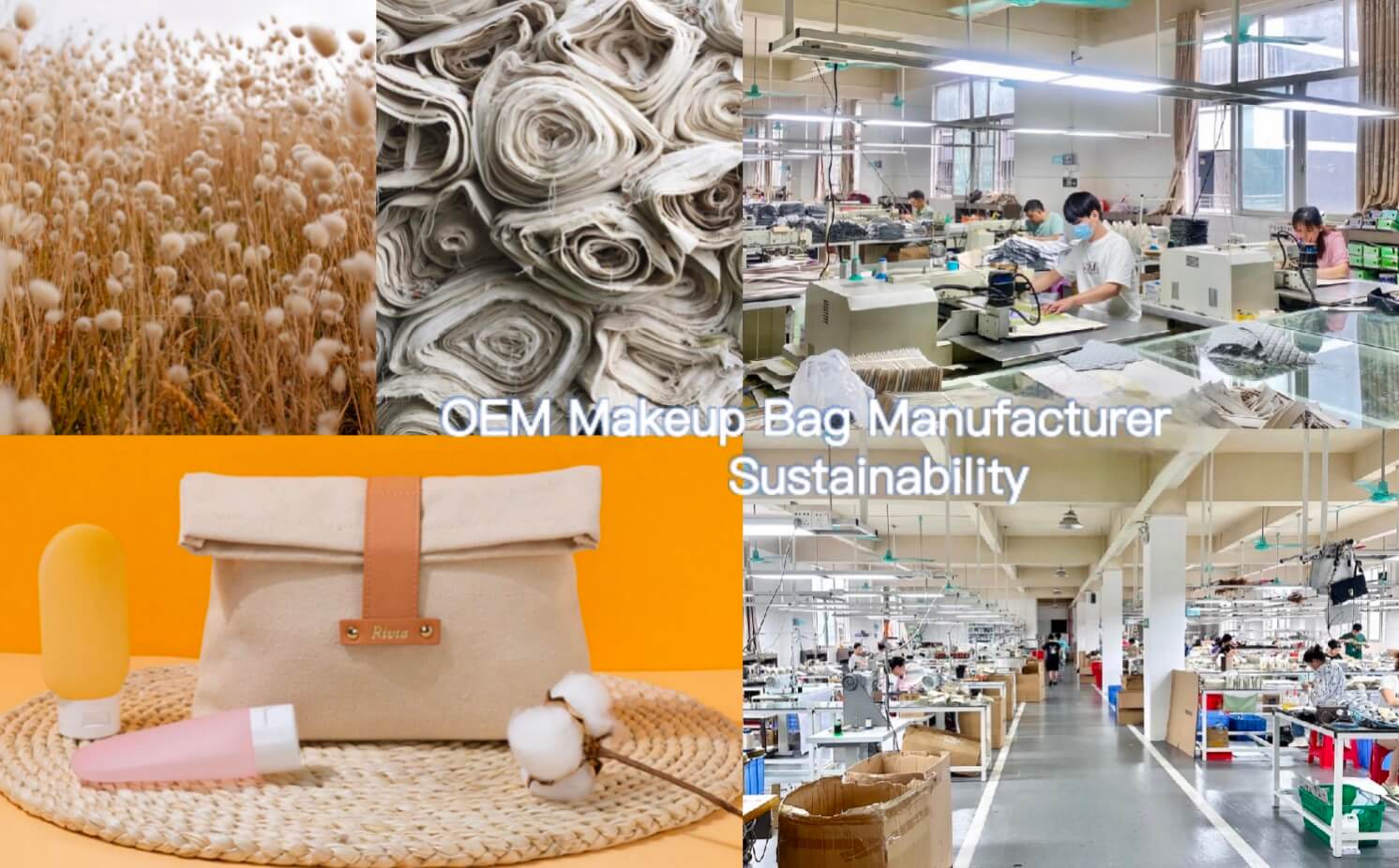
This looks like a lot of work, but I have guided many beauty and wellness brands through this exact journey. Over my years in international trade and working with EcoRivta, I see that a clear, step-by-step plan stops costly errors. It makes sure the final bag matches your dream perfectly. Let us walk through this makeup bag manufacturing process together so you can launch with pure confidence.
How Do You Define Your Vision, Budget, and Target Audience?
You have a stunning idea for a cosmetic bag, but it is just a thought right now. Without a strict plan, you might make a product that nobody wants to buy.
Create a strict profile for your brand identity and ideal customer before you contact a factory. Set a clear target cost per unit. This strong foundation gives your OEM partner a perfect blueprint to follow, saving time and money.
Before you reach out to a factory, you must answer some hard questions. This homework is the base of your success. A factory cannot guess what is in your head. As a Senior Sales Manager, I always tell my clients to be very direct. Do not just ask for an “eco-friendly bag.” Tell me exactly what you mean. Do you want a cheap promotional gift or a premium retail item? Our prices range from a few RMB to hundreds of RMB, depending on your needs. A sharp vision guides every choice we make together.
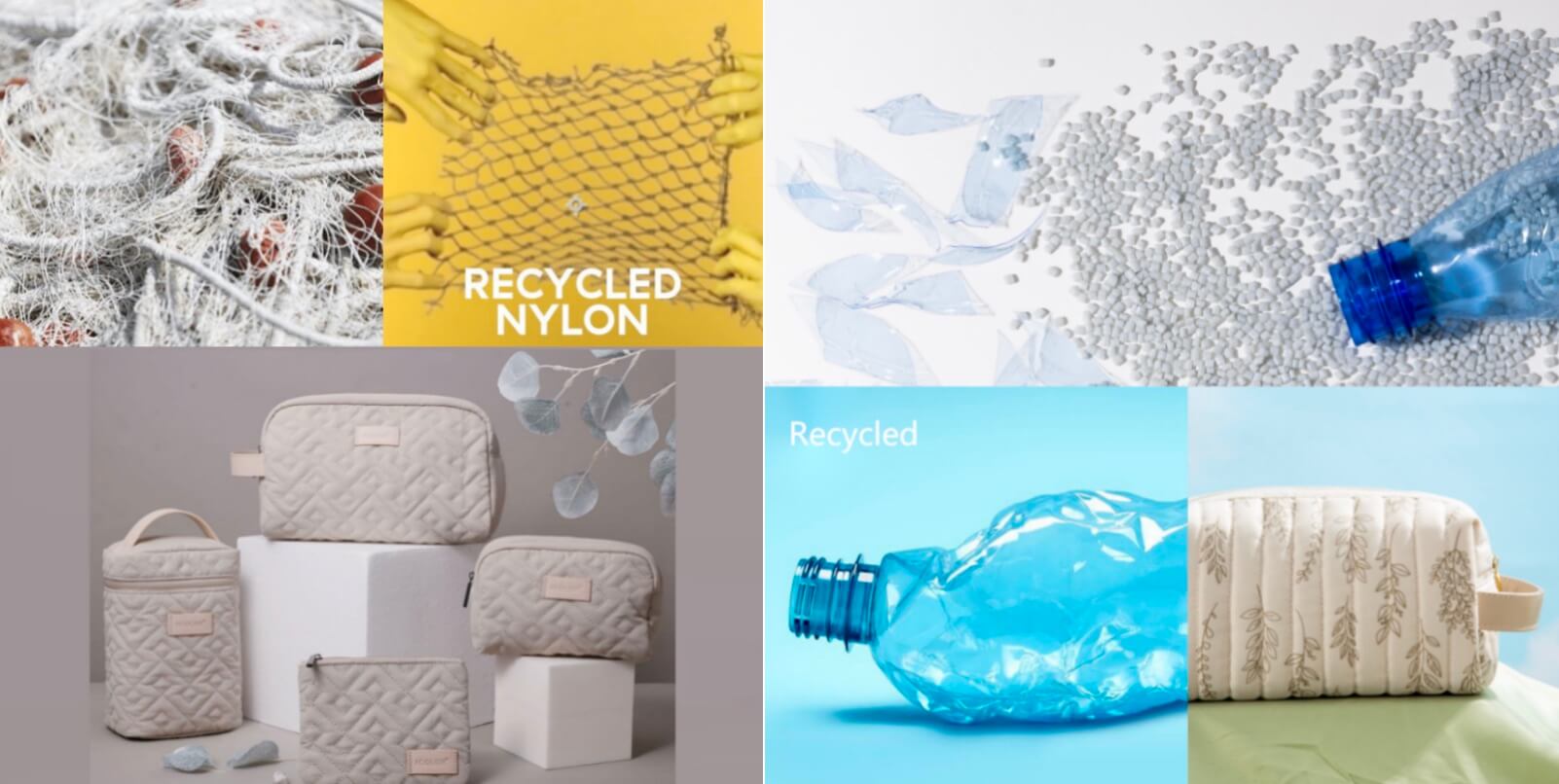
For example, if you want a waterproof toiletry bag, I will suggest recycled RPET or recycled nylon because they are light, cheap, and sustainable. If you want a luxury touch, we might use eco-friendly pineapple leather just for the logo patch. To learn more about eco-options, read our guide on the Top 10 Sustainable Materials for Your Next Eco-Friendly Private Label Makeup Bag Collection-》.
| Planning Area | Key Questions to Answer | Good Example |
|---|---|---|
| Brand Vision | What makes your brand different? | “We sell vegan, waterproof travel bags for busy moms.” |
| Target Audience | Who buys your products? What do they care about? | “Sarah, 35. She buys organic skincare and hates plastic waste.” |
| Unit Budget | What is your exact target cost per bag? | “My cost must be under $4 because the retail price is $18.” |
Having these answers ready helps us pick the right recycled materials from our large stock to match your goals perfectly.
How Do You Vet and Select the Right Manufacturing Partner?
Picking a bad factory leads to messy stitching, cheap zippers, and late deliveries. Your brand image is on the line, so you need a team you can trust completely.
Choose a dependable manufacturer by checking their history, factory size, and quality certifications like ISO or SEDEX. Ask to see actual case studies of brands they helped in the past. Real proof of quality is better than nice promises.
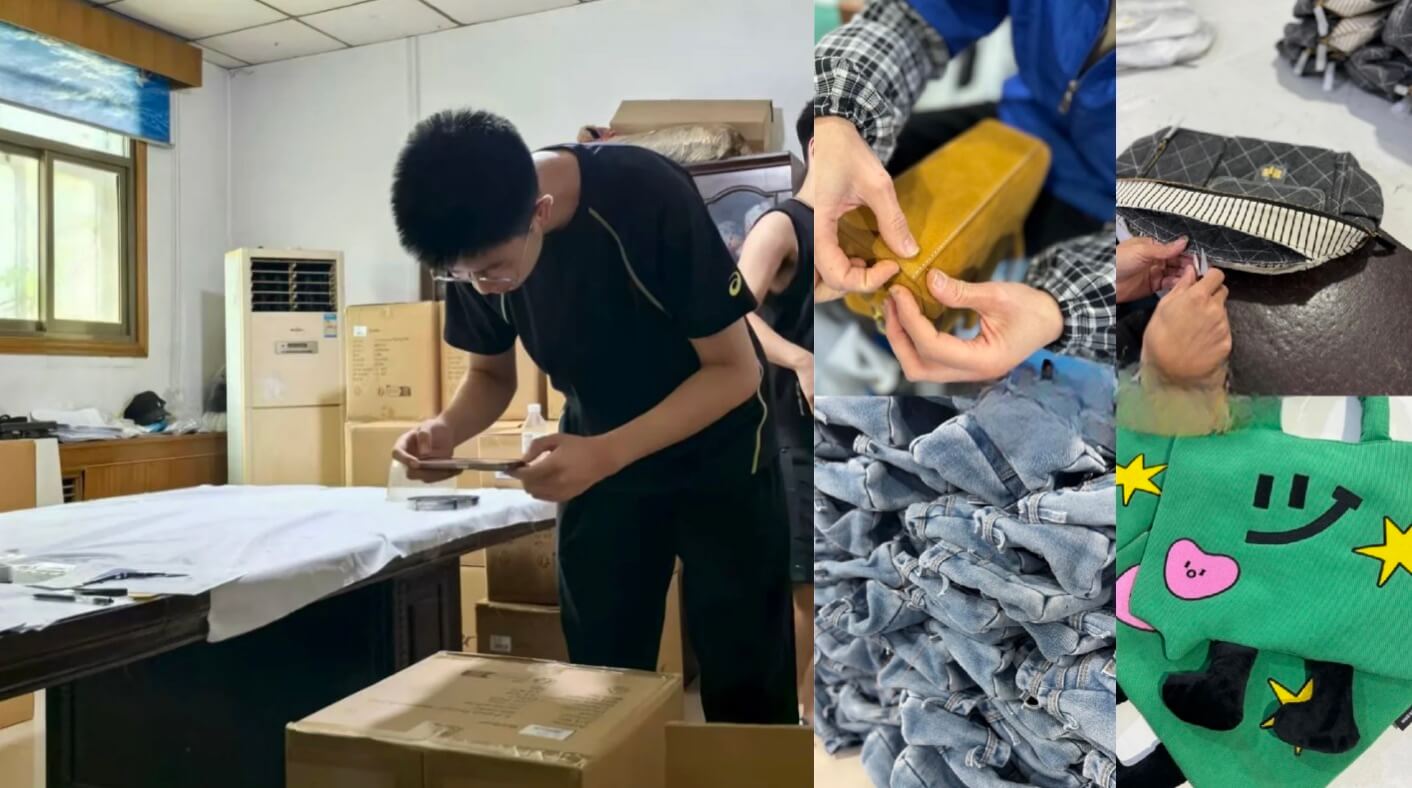
Finding a list of suppliers on Google is easy, but finding a real partner is hard. I see many start-ups fail because they just pick the cheapest factory quote. Low price is tempting, but skill and honesty save you money later. When you hire EcoRivta, you do not just rent sewing machines; you get our whole team’s brain power. You must ask deep questions to find out who is real and who is a middleman. For a detailed checklist, check out our post on 10 Critical Questions to Ask Your Private Label Cosmetic Bag Supplier Before Signing.
To prove they are a real factory, demand facts. Here is what I always share with my new brand partners to show our strength. First, look at the factory size. We run a 5,000 m² facility with over 120 skilled workers. This means we can handle big orders fast without losing quality. Second, check certifications. Are they audited? We hold certifications that prove we treat our workers well and manage quality strictly. Third, look at their eco-commitments. Sustainability is not just a trend for us; it is our core business. You can read more about our mission on our Why EcoRivta page. We help brands move away from virgin plastic smoothly.
How Do You Get From Design and Sampling to Your Final Prototype?
A drawing on paper looks perfect, but sewing it into a real bag is a different story. The sampling process uncovers hidden problems with fabric choices or zipper placements.
Turn your flat design into a real bag by working closely on a physical sample. Send a very detailed tech pack to the factory. Test the first sample, make small changes, and approve a final golden prototype for mass production.
This step is the most thrilling part of launching your brand. You finally hold your idea in your hands. But it is normal if the first try is not 100% perfect. Sampling is a test run. I recall a client who wanted a heavy metal zipper on a very thin recycled nylon fabric. The first sample warped and looked ugly. Using my experience, I advised them to switch to a lighter nylon zipper that looked like metal. The second sample was flawless. Open talk with your factory makes the final product amazing.
Here are the exact steps we use at EcoRivta to make sure your custom cosmetic bags are perfect before we cut the main bulk fabric.
- The Tech Pack: You send us a file with all details. We need exact sizes, Pantone color codes, material types (like mesh or PU), and logo files.
- First Mockup: We cut and sew one single bag. We send it to you to test the size and feel.
- Fixing Issues: You tell us what you hate and what you love. Maybe the inside pocket is too tight for a lipstick. We adjust the pattern.
- The Pre-Production Sample (PPS): This is the magic final sample. Once you say “yes” to this bag, we lock the design. All massive production runs will look exactly like this approved unit.
How Do You Understand MOQs, Production Timelines, and Logistics?
Your sample is perfect, but now you worry about the math. How many bags do you have to buy at once? How long will it take to reach your warehouse?
Talk openly about Minimum Order Quantities (MOQs) and lead times before paying a deposit. Factories need MOQs to buy raw fabric in bulk. Expect 30 to 45 days for production. Pick clear shipping terms to control your landing costs.
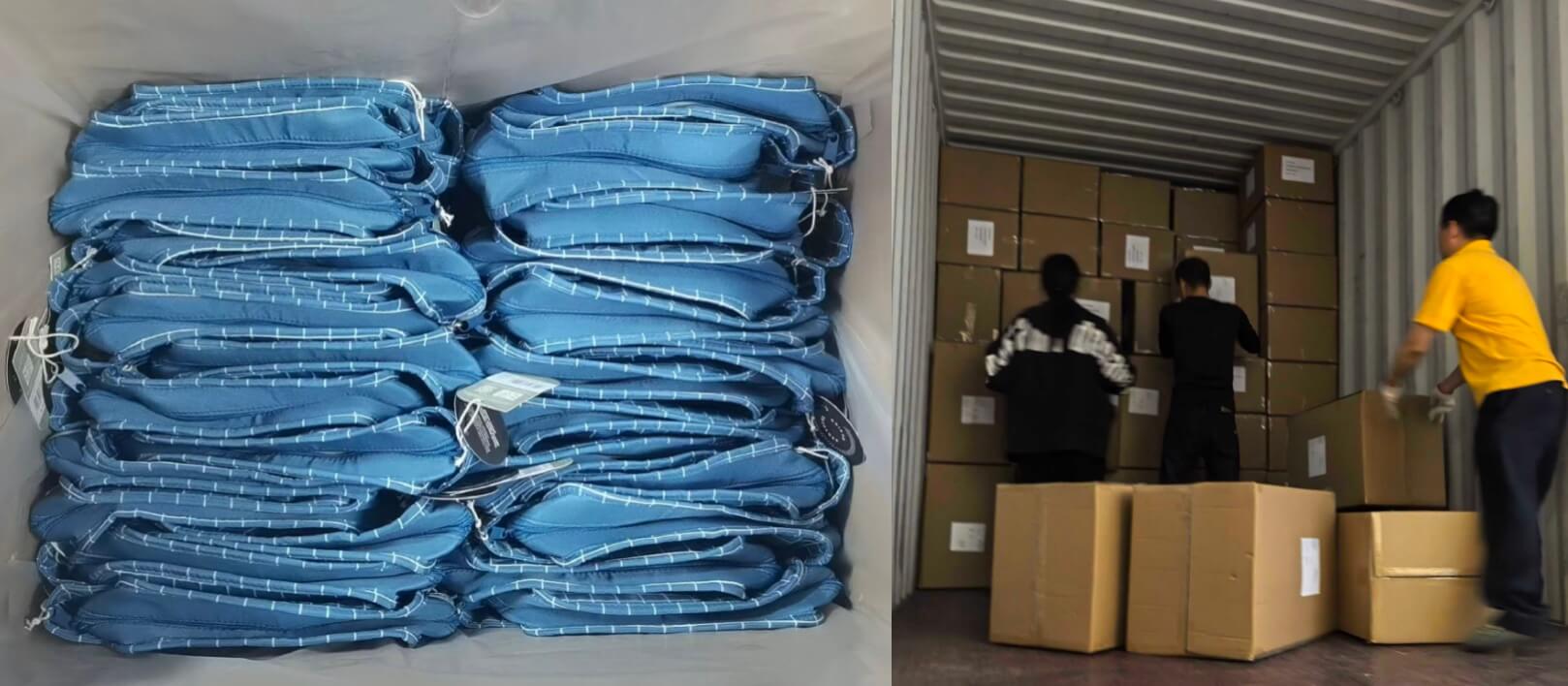
The business side of making bags scares many new founders. The biggest fear is the MOQ. Factories ask for high MOQs because fabric mills sell material by the ton, not by the yard. But here is an industry secret that I use to help my clients: Since we keep a large stock of eco-friendly materials in our warehouse, we can often match your exact color needs with very low MOQs. If you want to dive deeper into this topic, read What’s a Realistic MOQ (Minimum Order Quantity) for a Custom Cosmetic Bag Manufacturer?.
You need to map out your timeline so you do not miss your big season launch. For a standard order, sourcing raw materials takes about 10 days. Cutting the fabric and printing your logo takes another 7 days. The actual sewing takes 15 to 20 days. Finally, we spend 3 to 5 days cleaning, inspecting every zipper, and packing them into cartons. For logistics, I usually suggest FOB (Free On Board) if you have your own shipping agent. If you are new to importing, we can do DDP (Delivered Duty Paid), which means we drop the boxes right at your office door, and we handle all customs math.
How Do You Place Your First Order and Plan for Future Collections?
Paying for your first bulk order is a big deal. However, smart brand owners do not stop there; they start designing the next season immediately.
Start production by signing a detailed Purchase Order (PO) and paying the starting deposit. While the factory sews your first batch, begin talking about new materials and colors for your next holiday release or summer collection.
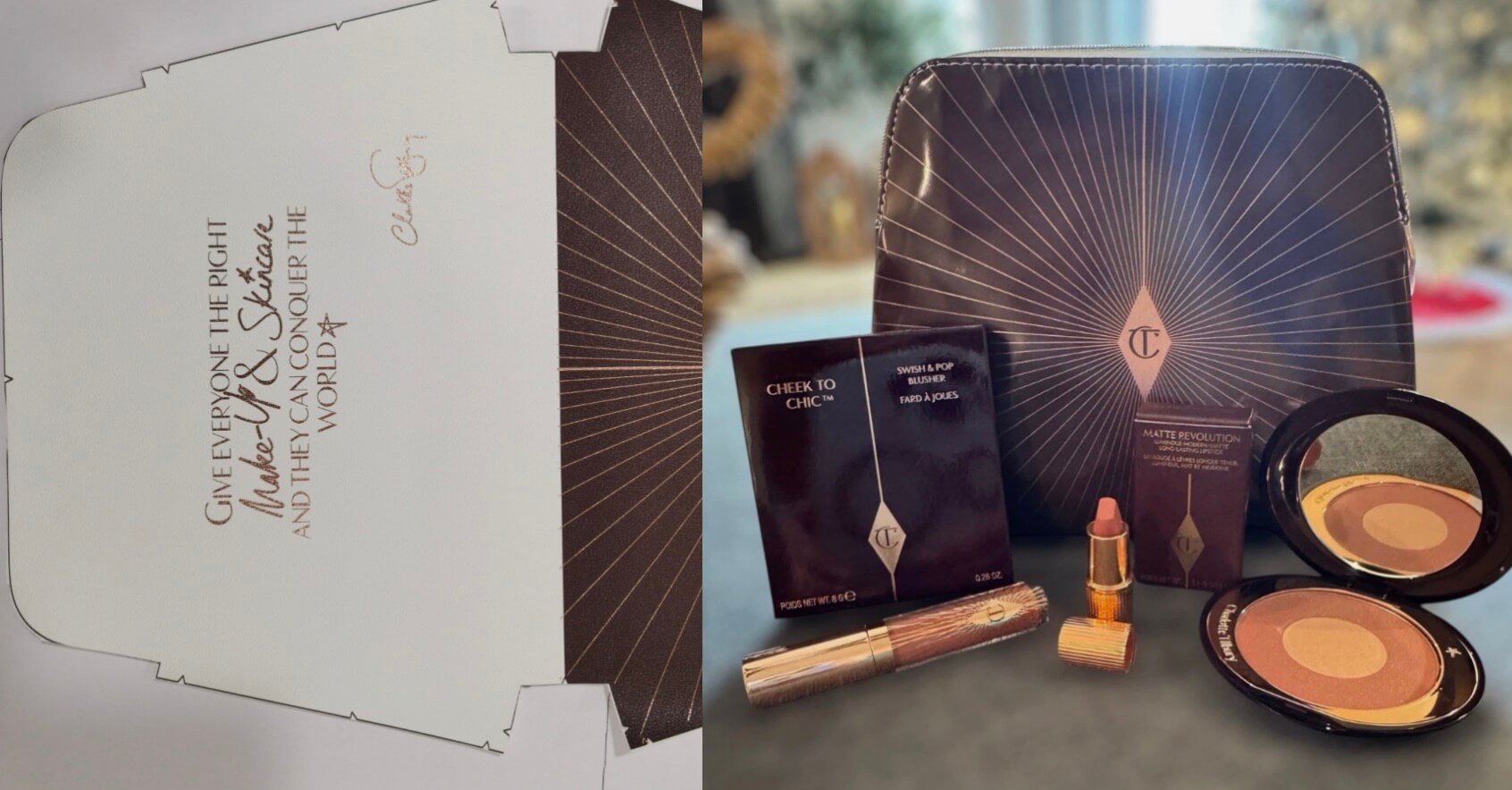
Sending the deposit feels like jumping off a cliff, but it means you are officially in business. Our job is to make sure you land safely. But the magic really happens when we look ahead. The beauty market moves fast. While your first bags are on a ship, I am already looking at new material trends for you. By working together closely, we keep your brand fresh and acting like a big industry leader, always ready with the next great gift set.
The final steps are easy if you did the early homework right. First, you send a formal PO. This paper lists the approved sample number, the total unit amount, the agreed price, and the delivery date. You usually pay a 30% deposit to start. Next is Quality Control (QC). Our internal team checks everything, but I always welcome you to send a third-party agent to verify our work. Finally, let us plan growth. We often talk to partners about extending their line. If the recycled wash bag sells well, maybe we add a matching sustainable travel tote or a smaller brush pouch using the same eco-fabric for the next quarter.
Conclusion
Starting a cosmetic bag line needs a solid plan and a trusted factory. By defining your goals, vetting suppliers deeply, and managing samples and MOQs smartly, your brand will launch with huge success.