2026 sustainable cosmetic bag materials are useful only when they survive claim review, sample approval and supplier evidence checks. For Beauty GWP buyers, the material trend is not an environmental slogan. It is a decision about component scope, certificate limits, product fill, logo method, packaging and RFQ requirements before bulk production.
TL;DR: Treat 2026 material trends as claim and certificate scope decisions. rPET, recycled cotton, clear TPU or EVA, FSC paper packaging and plant-based leather alternatives can all support a useful Beauty GWP story, but only when buyers define which component is covered, what the evidence proves, what it excludes and how the final wording is approved before artwork and bulk.
Buyer Summary
Use this guide when a Beauty GWP cosmetic bag project needs a 2026 material shortlist that can be quoted, sampled and reviewed with evidence. The practical conclusion is clear: do not choose a material only because it sounds current. Match material route to product fill, logo method, packaging role, market version, claim wording and supplier evidence. For most buyers, the strongest shortlist starts with documented recycled textile options, natural-feel cotton routes where use conditions fit, clear material routes for visibility, and FSC paper components when the claim belongs to packaging.
Best fit
This guide is best for beauty founders, brand teams, private-label buyers, product development teams and sourcing managers planning 2026 skincare, makeup, fragrance, haircare or wellness GWP bags. It fits projects where the buyer needs to compare rPET, recycled cotton, clear TPU or EVA, natural canvas, FSC paper packaging or plant-based leather alternatives before sampling. It is especially useful when marketing wants a modern material story, but procurement still needs certificate scope, component mapping, sample approval, logo compatibility and RFQ evidence. The guide works best when the buyer already knows product fill, target market, quantity range, launch timing and where the claim may appear.
Less suitable
This guide is less suitable for one-piece personal orders, generic marketplace resale, no-brand projects or buyers who only need a visual trend list without sample or evidence planning. It is also not the right workflow when the team has no product fill, no launch date, no target market, no material preference and no owner for wording review. If a campaign needs a plain pouch with no material claim, a standard cosmetic bag specification sheet may be enough. This article also does not replace legal review, certification body guidance, retailer review or formal lab testing when those steps are required by the buyer’s market.
What this material or certificate proves and does not prove
Trend language should not outrun evidence. US environmental claim guidance [1] and EU Green Claims direction [2] are useful reminders that a buyer should connect each material story to the covered component and approval file. Recycled-content, paper packaging and textile safety references also have separate scopes: GRS [3], FSC [4] and OEKO-TEX STANDARD 100 [5] should be mapped carefully, while ISO 14021 [6] and ISO 9001 quality-management [7] help frame self-declared wording and process control.
| Material/certificate | proves | does not prove | RFQ evidence |
|---|---|---|---|
| rPET or recycled polyester | A recycled polyester route may be available for the named shell or fabric component. | It does not cover lining, zipper, puller, label, card or carton unless listed. | Fabric composition, supplier declaration, certificate scope and component map. |
| Recycled cotton or canvas | A cotton-based route may include recycled input or natural handfeel for the selected fabric. | It does not confirm shrinkage, stain resistance, lining performance or whole-bag claim scope. | GSM, blend ratio, shrinkage note, approved swatch and sample photos. |
| Clear TPU or EVA | A clear material route may support visibility, wipe-clean use or a lightweight pouch format. | It does not prove airport acceptance, safety wording, odor control or trim coverage by itself. | Thickness, odor review, clarity sample, seam method and market notes. |
| FSC paper packaging | Insert card, sleeve, hangtag or paper label may use an FSC paper route. | It does not prove the cosmetic bag fabric, zipper, logo or full gift set. | Paper supplier proof, artwork scope, print method and carton packing note. |
| OEKO-TEX textile reference | A textile or trim may have substance-related testing coverage within the stated scope. | It does not confirm recycled content, organic origin or finished-product claim wording. | Certificate number, validity date, covered material list and supplier name. |
| Plant-based leather alternative | A leather-look material may include a plant-origin material story or composition detail. | It does not prove durability, full-bag composition or premium performance without testing. | Composition breakdown, abrasion note, odor review, MOQ and sample test result. |
| Sample approval record | The buyer reviewed material, color, logo, packing and presentation before bulk. | It does not replace material documentation, market review or final copy approval. | Signed sample photos, revision notes, final artwork and approval date. |
Sibling Diff: how this page should not compete with nearby Ecorivta pages
| Page | Primary job | This page should own |
|---|---|---|
| Sustainability | Explain Ecorivta’s broader sourcing and material evidence approach. | 2026 material trend shortlist and claim-scope checklist for Beauty GWP bags. |
| Custom Cosmetic Bags | Choose bag shape, size, lining, zipper, logo method and product format. | How 2026 material routes affect claim wording and RFQ evidence. |
| Claim-safe sustainable materials page | Go deeper on material claim wording and certificate boundaries. | A trend-led buyer shortlist that connects 2026 options to supplier handoff. |
| Beauty GWP Solutions | Plan full campaign route, product set and launch timing. | Cosmetic bag material trend decisions before sample and artwork approval. |
Which 2026 material routes deserve a shortlist?
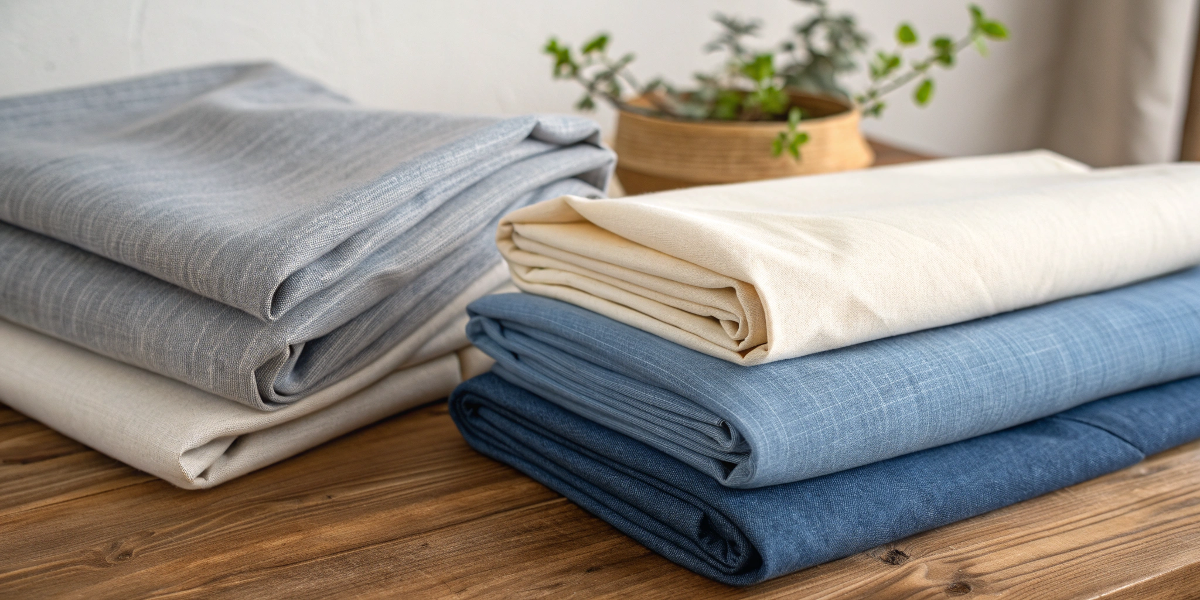
The strongest shortlist should include one practical route, one backup route and one brand-story route. For many Beauty GWP programs, rPET or recycled polyester is the practical route because it can scale and has familiar supplier documentation paths. Recycled cotton or canvas can be the tactile route when product fill is dry and the brand wants a softer handfeel. Clear TPU or EVA can work when product visibility matters. FSC paper packaging should be treated separately because the paper component may carry a different evidence path from the bag itself.
| Buyer situation | recommended route | approval check |
|---|---|---|
| High-volume skincare or makeup GWP needs a recycled material story. | rPET or recycled polyester shell with documented component scope. | Confirm shell, lining, zipper and label are not mixed into one broad claim. |
| Wellness or clean-positioned set needs natural texture. | Recycled cotton, cotton canvas or blended canvas route. | Check shrinkage, staining, lining and logo clarity before copy approval. |
| Product visibility is part of the gift experience. | Clear TPU or EVA route with structured packing. | Review clarity, odor, seam method, label placement and market version. |
| Packaging carries the material story. | FSC paper sleeve, hangtag, insert card or paper label. | Separate paper proof from bag fabric proof and final artwork. |
| Premium set needs a leather-look finish. | Plant-based leather alternative or coated route with composition review. | Check abrasion, odor, edge finish, embossing and MOQ before quote lock. |
Composite case: when a trend material became an evidence-led RFQ
A skincare buyer preparing a 2026 launch wanted a cosmetic pouch that felt current, soft and easy to explain on an insert card. The first idea was to ask suppliers for the most sustainable material, but the product team had not separated shell fabric, lining, zipper, label, paper card and carton. Ecorivta asked the buyer to define product fill, target market, claim placement and sample approval owner before choosing a material route.
The team shortlisted rPET shell fabric, recycled cotton canvas and a clear TPU option. After reviewing bottle fit and artwork, the clear route was removed because product residue would show too easily. Recycled cotton looked strong for handfeel, but the buyer needed tighter color control for the launch palette. The final RFQ used rPET shell fabric as the primary route and cotton canvas as the backup route. FSC paper insert card evidence was handled as a separate packaging line.
The revised brief named the covered component, requested supplier evidence, listed what the evidence did not cover and added sample approval photos for color, logo placement and packing. Marketing still kept a 2026 material story, but the story was tied to a defined shell route rather than the entire gift set. The buyer avoided late artwork changes because the claim, material and packaging scope were reviewed before bulk production.
Anonymous buyer feedback
| Buyer type | What changed after review | Result |
|---|---|---|
| Skincare product manager | Separated shell material evidence from insert card evidence. | The 2026 material story became easier to approve internally. |
| Private-label sourcing lead | Added backup material route and component map to the RFQ. | Supplier quotes were easier to compare before sampling. |
| Beauty marketing owner | Moved broad trend language into a specific insert-card note. | The launch copy stayed clearer and less exposed to late revision. |
What should buyers send for a material shortlist review?
A useful 2026 material review needs product fill, target market, quantity range, launch date, material preference, backup material route, claim wording draft, certificate or supplier evidence request, logo method, packaging component, carton mark and approval owner. If the buyer only has trend images, Ecorivta can still suggest direction, but the first quote will be stronger when the RFQ shows which component carries the story and which evidence is required.
Who We Don’t Take On
Ecorivta is not the right partner for one-piece personal purchases, unbranded resale stock, unsupported environmental slogans, copied artwork or projects that ask for a material claim with no product fill, target market, evidence request, sample deadline or approval owner. We work best with beauty teams that want a practical material shortlist, clear component scope and an RFQ that can move from sample to bulk with fewer late wording changes.
About the author
Lina Lv is a Brand & Product Specialist at Ecorivta. She works with beauty buyers on GWP cosmetic bags, sustainable material route selection, claim-aware RFQ preparation, sample approval and packaging handoff for skincare, makeup, fragrance, haircare and wellness campaigns.
Trademark and certification notice
All trademarks, certification names and program names belong to their respective owners. Ecorivta can help organize supplier evidence, material scope and packaging handoff for buyer review, but final marketing wording, legal approval and certification interpretation should be confirmed by the brand, retailer or qualified advisor for the target market.
Sources
- U.S. eCFR, 16 CFR Part 260 environmental marketing claim guides. Source ↩
- European Commission, Green Claims. Source ↩
- Textile Exchange, Global Recycled Standard. Source ↩
- Forest Stewardship Council, FSC labels and paper sourcing context. Source ↩
- OEKO-TEX, STANDARD 100. Source ↩
- ISO, ISO 14021 environmental labels and declarations. Source ↩
- ISO, ISO 9001 quality management. Source ↩
FAQ
What is the biggest 2026 sustainable cosmetic bag material mistake?
The biggest mistake is choosing a trend material before checking product fit, component scope, certificate limits, logo method, packaging role and sample approval evidence.
Does a certificate cover the whole cosmetic bag?
Usually no. A certificate or supplier declaration may cover only one fabric, trim or paper component. Buyers should map shell, lining, zipper, label, card and carton separately.
Which material route is most practical for Beauty GWP scale?
rPET or recycled polyester is often practical for scale when supplier documentation and color availability support the project, but the right route still depends on product fill, market and claim wording.
Should packaging claims be reviewed with bag material claims?
Yes. Insert cards, sleeves, hangtags and carton files may have separate evidence and approval owners, so they should be reviewed with the bag material before artwork is locked.