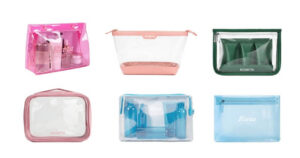
A Beauty GWP RFQ handoff brief should match the buyer’s real starting point. Some buyers already know the exact item, construction and branding they want. Others know only the campaign direction and need an Ecorivta catalogue before they can shortlist products. Both routes are valid, but they should not be handled as the same quote request.
Quick Buyer Summary
- Use this when: a buyer has several beauty GWP items in mind and needs a clean quote handoff for sales, sourcing or factory review.
- Do not use it for: a generic RFQ checklist with no real product photos, no quantity tiers and no launch date.
- Main risk: the factory answers quickly but prices the wrong material, wrong packout or wrong delivery route because the inquiry details were scattered.
- Best first action: state whether the buyer has an exact target or needs a catalogue shortlist, then collect the details required for that route.
Choose the Right Starting Point: Exact Target or Catalogue
Ecorivta sees two useful starting points. A buyer with a clear target should send the reference photo, size, material, logo, packing and quantity so the team can evaluate the exact route. A buyer without a fixed target should first receive a relevant catalogue, shortlist a small number of styles and then turn those selections into a quote brief.
A catalogue request is therefore not a weak inquiry; it is an earlier buyer stage. The practical mistake is asking the supplier to quote every catalogue item before the buyer has chosen a direction. The better next step is a focused shortlist based on campaign use, budget, market and preferred product category.
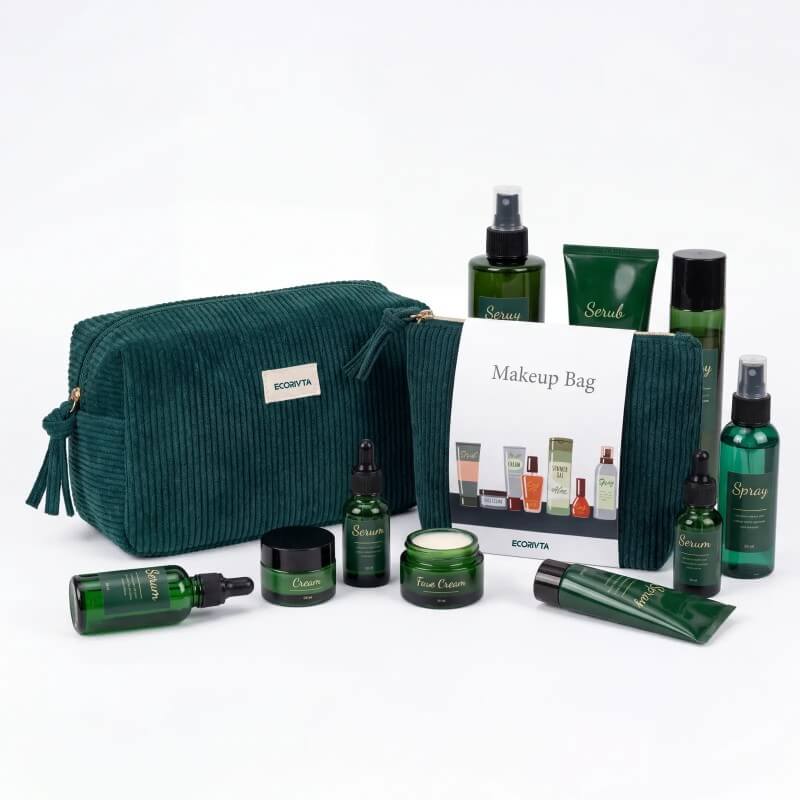
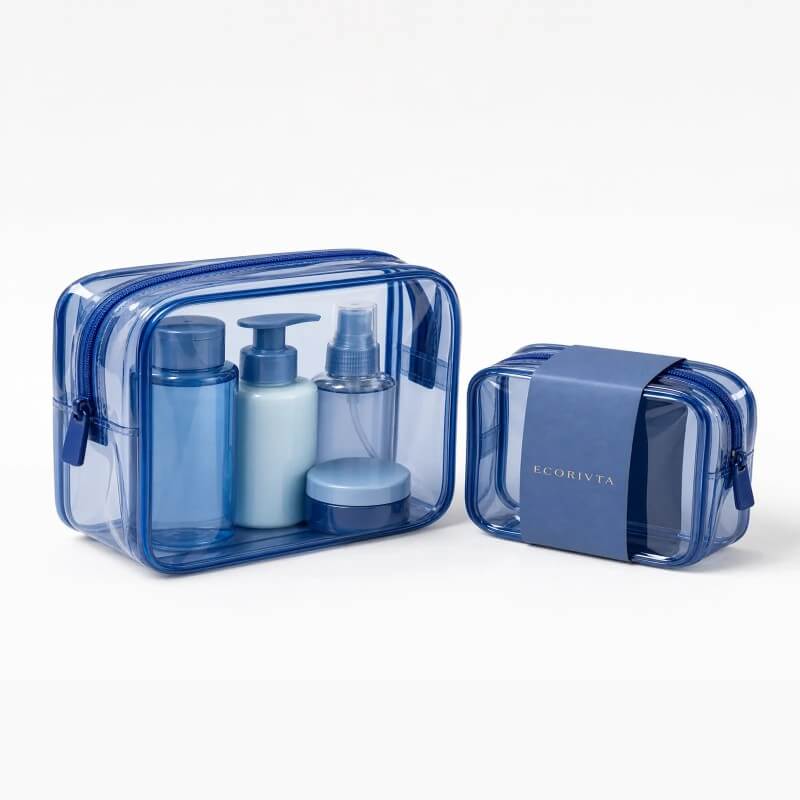
Even when the product name is known, it can hide too many choices. A buyer may say pouch, headband, wristband or clip, but the reference photo shows whether the item is plush, satin, canvas, rigid, elastic, packed in a box or tied with a card.
When a buyer sends multiple photos, the handoff should label each one by item, material, logo route and expected use. GS1 standards 1 are helpful as a reminder that product identity, packaging and traceability data should stay tied together, especially when several GWP items are quoted in one campaign.
Real Sampling Note: An AI Reference Is Not a Production Specification
In one 1,000-piece US brand GWP sampling project, the buyer started with an AI-generated reference image rather than a production specification. The image showed a gathered drawstring pouch with a decorative bow positioned at the opening. That placement looked attractive in the concept, but it did not translate cleanly into the real drawstring and gathering route. Ecorivta recommended moving or removing the bow before sampling, and the buyer accepted the change.
Evidence status: the sample fee has been paid and the project is at sampling stage. The initial material direction is a linen-cotton route. The final fabric, size, drawcord, logo method, packing and appearance still need sample confirmation. This is not presented as a completed, shipped or repeat order.
The buyer lesson is practical: keep the intended mood and product use from the AI image, but turn every functional detail into a separate decision. Size, material, opening, decoration, logo and packing should each be confirmed before the supplier treats the picture as a sample brief.
Put Quantity Tiers Next to the Real Buyer Constraint
Quantity tiers are not just numbers. A startup may ask for 100 to 300 pieces because demand is untested. A retailer may ask for 1,000 to 1,500 pieces because a launch window is fixed. A promotional buyer may ask for 5,000, 10,000 and 15,000 pieces because carton data and ship-out date matter more than a small sample run.
For cross-border quotes, the price basis should be visible. The ICC Incoterms rules 2 help buyers compare FOB, air-freight first batch and delivered pricing without mixing shipping responsibility into the product cost.
| RFQ field | Bad handoff | Better handoff |
|---|---|---|
| Reference photo | Looks like this. | Photo A: satin ruched pouch; Photo B: metal logo plaque; Photo C: drawstring toggle. |
| Quantity | Low MOQ please. | Quote 100, 250 and 500 pieces; tell us the true minimum if lower is not realistic. |
| Launch date | Urgent. | Sample approval needed by July 25; first air batch to Adelaide before campaign launch. |
| Logo | Custom logo. | One-color embroidery, debossed metal plaque or screen print, with artwork attached. |
Translate Launch Date Into Sample and Bulk Decisions
A launch date is only useful if it becomes a sample and bulk decision. If the date is near, the quote should show whether a stock or semi-stock blank can save time, whether the first batch can ship by air and which decoration method is fastest.
Certification should not be left until the final email. If the RFQ mentions textile safety, recycled material or retailer compliance, the buyer should say whether OEKO-TEX Standard 100 3 or recycled-content documents are required before the factory builds the sample route.
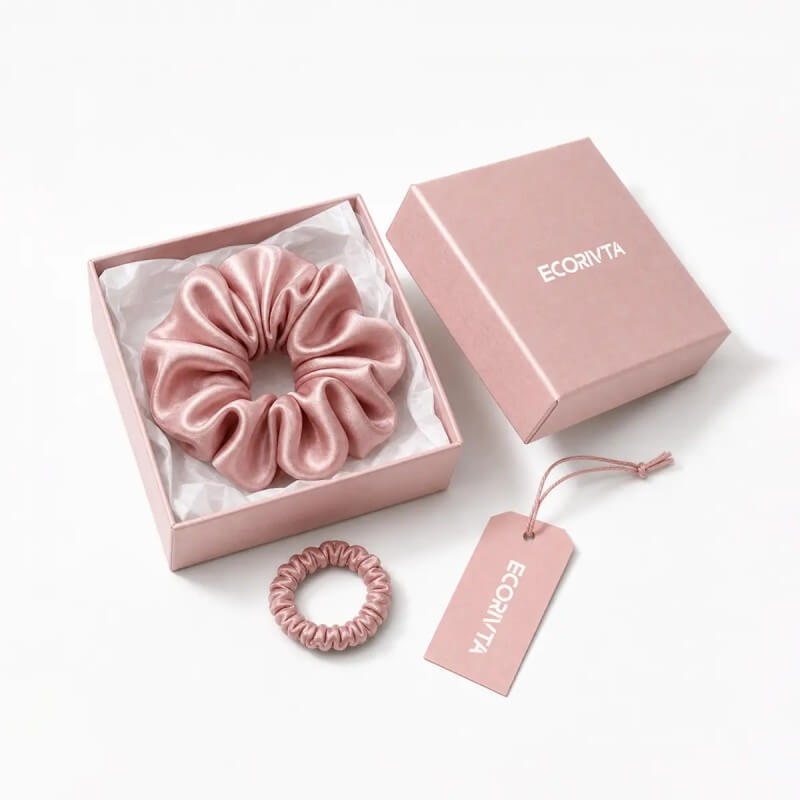
Send reference photos for GWP review
Keep the Handoff Clean Enough for One Reply
A good Beauty GWP RFQ handoff should let the supplier answer in one organized reply: MOQ, price tiers, sample cost, lead time, logo route, packing route, carton estimate and shipping basis. If the product has a tariff or customs question, the WCO HS Nomenclature 4 is a useful reference point for keeping product categories and customs wording separate from marketing names.
Use this article to support the main Beauty GWP solutions page and adjacent pages such as custom cosmetic bags or custom headbands, depending on the product mix. Do not turn it into a generic factory page.
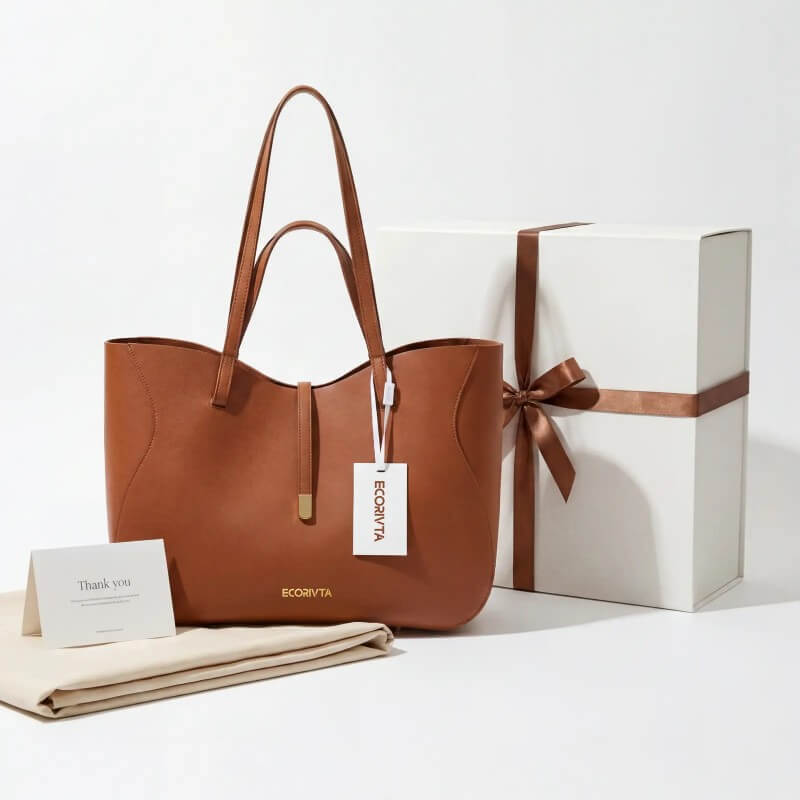
Send This Beauty GWP RFQ Handoff
For a faster quote, send the product list, reference photos, target sizes, material preference, logo method, packaging route, quantity tiers, sample deadline, bulk deadline and delivery country.
Send quantity tiers and launch date
FAQ
What makes a Beauty GWP RFQ handoff quote-ready?
It includes reference photos, target size, material preference, logo method, packing route, quantity tiers, sample deadline, bulk deadline and shipping country.
Should a buyer send reference photos before asking for price?
Yes. Photos show construction and finish details that product names do not capture, especially for pouches, headbands, clips and multi-item GWP sets.
How should urgent timelines be written?
Write the required sample approval date, bulk ship-out date and whether air freight is acceptable for the first batch. This lets the supplier compare stock, semi-stock and bespoke routes.
Can this brief cover more than one product type?
Yes, but each item should have its own photo, size, material, logo and quantity line so the supplier does not merge different products into one vague quote.
Evidence Used in This Brief
-
GS1 standards – Used for product, packaging and identification discipline across multi-item GWP handoffs. ↩︎
-
ICC Incoterms rules – Referenced for keeping product price and shipping responsibility clear in RFQ replies. ↩︎
-
OEKO-TEX Standard 100 – Referenced for textile safety discussions when beauty accessory materials are requested. ↩︎
-
WCO HS Nomenclature – Used to keep customs category discussions separate from marketing product names. ↩︎