Finding a genuinely sustainable supplier can feel overwhelming. You worry about greenwashing, which could harm your brand’s reputation. Here’s a simple four-step method to find a true partner.
To evaluate a manufacturer’s sustainability, you must verify their certifications like GRS[^1], check raw material traceability, assess their factory operations for waste management[^2], and confirm ethical labor practices through social audits. This provides a complete picture of their commitment.
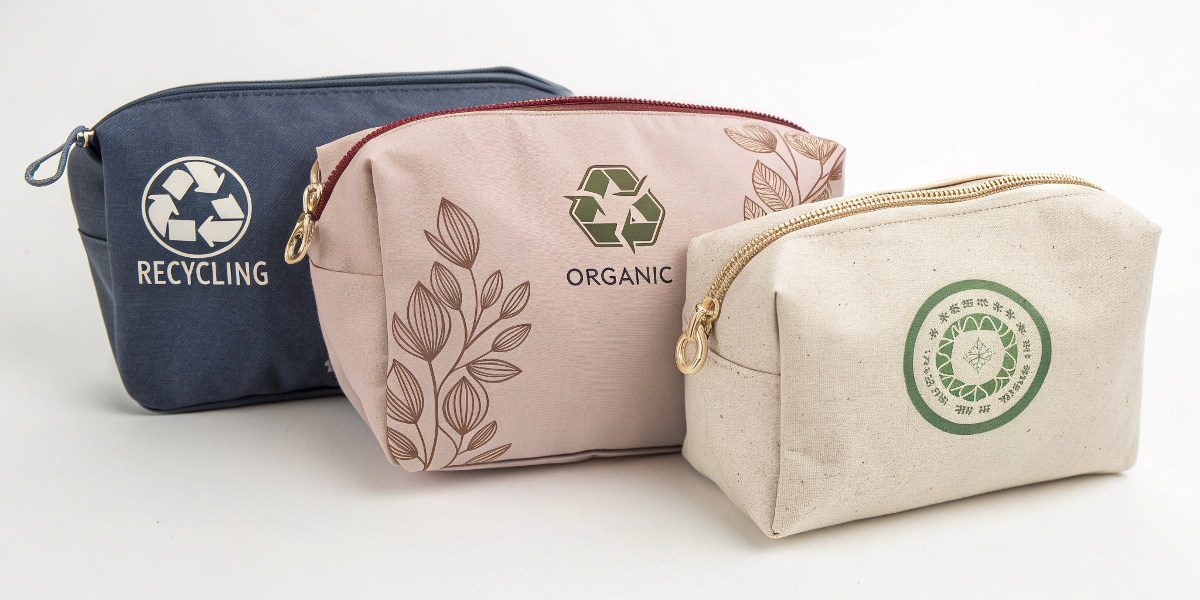
I’ve been manufacturing bags for global beauty brands since 1990. In that time, I’ve seen the term “eco-friendly” go from a niche concept to a marketing buzzword. It’s easy to get lost in a sea of green labels and vague promises. Sorting the genuine partners from the opportunists is one of the biggest challenges for buyers today. But I’ve learned that you can cut through the noise by asking the right questions. Let’s break down the evaluation process into four clear, manageable steps.
Step 1: How to Request and Verify Key Certifications like GRS, FSC, and OEKO-TEX?
Facing a long list of supplier certifications? It’s overwhelming to know which ones are legitimate or even relevant to your products. Here’s how to focus on the documents that truly matter.
Always ask for copies of GRS (Global Recycled Standard), FSC (Forest Stewardship Council), and OEKO-TEX certifications[^3]. GRS verifies recycled content, FSC ensures sustainable wood-based fibers, and OEKO-TEX confirms materials are free from harmful substances. Always verify their validity online through the official databases.
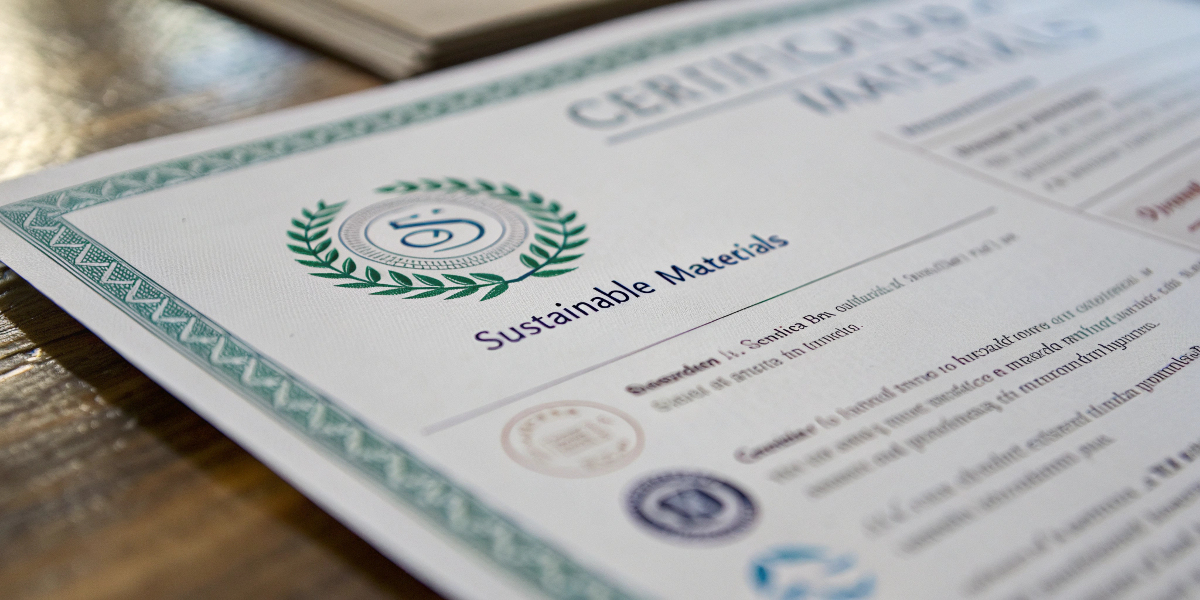
Certifications are the first thing I discuss with any potential partner. They are the essential proof needed to back up a claim. Without them, any talk of sustainability is just talk. However, a certificate is only a starting point. The real value for a buyer lies not in a single certified material, but in a supplier’s ability to offer a range of certified options. This shows a rich and resilient supply chain.
Key Certifications for Cosmetic Bags
| Certification | What It Verifies | Why It Matters for Cosmetic Bags |
|---|---|---|
| GRS | The presence and amount of recycled material in a final product. | Essential for popular materials like rPET (recycled plastic bottles). |
| FSC | That materials from wood/forests come from responsibly managed sources. | Crucial for products using paper, cardboard packaging, or wood-based textiles like viscose. |
| OEKO-TEX | That every component of the product has been tested for harmful substances. | A mark of consumer safety, ensuring the bag is safe for skin contact. |
A supplier who can only offer one GRS-certified fabric might be new to sustainability. But a supplier who can provide GRS-certified options in various weaves, colors, and price points demonstrates true expertise. This flexibility is what allows you to create an eco-friendly product line that is both authentic and commercially viable.
Step 2: How to Inquire About Raw Material Traceability and Supply Chain Integrity?
You’ve verified a supplier’s certificates. But where did the raw materials actually come from? Without clear traceability, even a certified product can hide environmental or ethical risks in its supply chain.
Ask your manufacturer for a Bill of Materials (BOM) that traces key components back to their origin. For recycled materials, inquire about the source of the post-consumer waste. A transparent supplier should provide this documentation without hesitation.
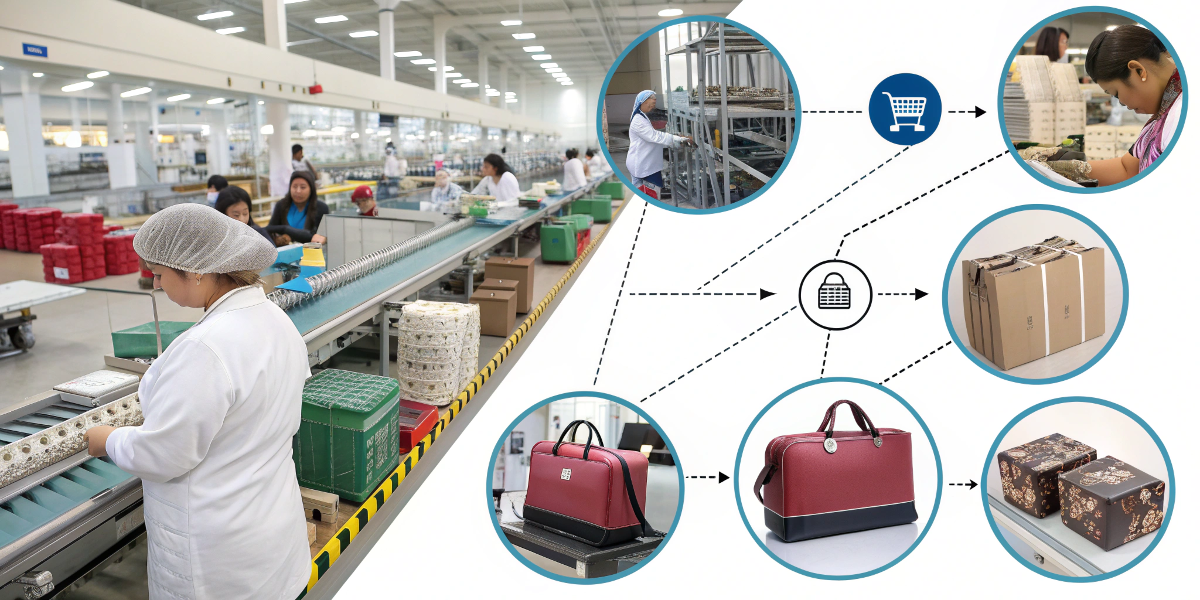
I remember a client once asked me where the plastic bottles for our rPET fabric came from. It was a great question. It’s not enough to just say something is “recycled.” We need to know the story behind the material. Is it from a reliable, audited source? This level of detail is what separates a simple trader from a dedicated manufacturing partner. A strong partner has deep relationships with their raw material suppliers and isn’t afraid to show you the paper trail.
Questions to Ask About Traceability
You should always dig a little deeper than the certificate itself. Here are the questions I encourage my clients to ask:
- Can you map out the supply chain for this material? They should be able to tell you where the raw material was processed, where the fabric was woven, and where it was dyed.
- What documentation can you provide for material origins? Look for transaction certificates (TCs) that follow a batch of certified material through the supply chain.
- How do you ensure consistency across different production runs? This speaks to their quality control and their ability to source from the same reliable suppliers repeatedly.
A supplier who can answer these questions confidently is one who has control and visibility over their supply chain. This transparency is not just about sustainability; it’s about reducing risk and ensuring consistent quality for your brand.
Step 3: How to Assess Their Factory Operations for Waste and Energy Management?
A product made from sustainable materials can still be produced in an unsustainable factory. You are buying into a manufacturer’s entire process, not just their fabrics. How do you look beyond the product itself?
Request information on their factory’s specific programs for waste reduction, water recycling, and energy consumption. Ask for data or internal reports on their progress. A committed factory will measure and actively manage its environmental footprint[^4].
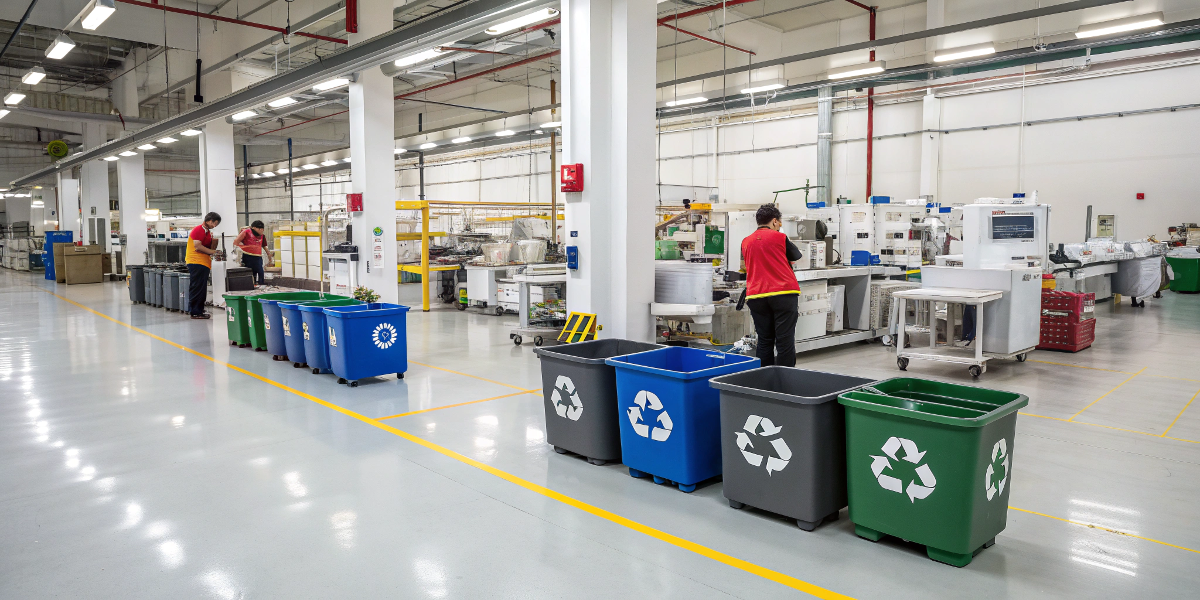
When I first established our factory, my focus was on production efficiency. But over the years, I realized that true efficiency includes resource management. Reducing waste isn’t just good for the planet; it’s good for business. We started simple, by sorting our fabric scraps for recycling. Now, we have systems to monitor our water and energy use. A manufacturer’s claims about being “green” are much more believable when you see they are applying those same principles to their own home.
Key Areas to Evaluate in Factory Operations
| Operational Area | What to Look For | Red Flags |
|---|---|---|
| Waste Management | Segregated waste streams (fabric, plastic, paper), programs for recycling or downcycling scraps. | Unsorted waste bins, no clear policy on material offcuts. |
| Water Usage | Water treatment or recycling systems, especially in dyeing and finishing processes. | Vague answers about water consumption or disposal methods. |
| Energy Efficiency | Use of energy-saving equipment (e.g., LED lighting, modern machinery), data on energy consumption. | Old, inefficient machinery with no plans for upgrades. |
It’s impractical to think a factory can have zero waste. But a great partner is one who is honest about their challenges and can show you what they are actively doing to improve. Ask them: “What is your biggest environmental challenge in the factory, and what is your plan to address it?” Their answer will tell you everything you need to know about their commitment.
Step 4: How to Look for Proof of Ethical Labor Practices and Social Compliance Audits?
Sustainability isn’t just about the environment; it’s also about people. An “eco-friendly” product made in an unethical factory is a contradiction. Your brand’s reputation depends on ensuring your partners treat their workers fairly.
Ask for a recent social compliance audit report from a recognized third party, such as a SMETA or BSCI audit. These assessments cover critical areas like working hours, wages, and health and safety, providing unbiased proof of ethical practices.
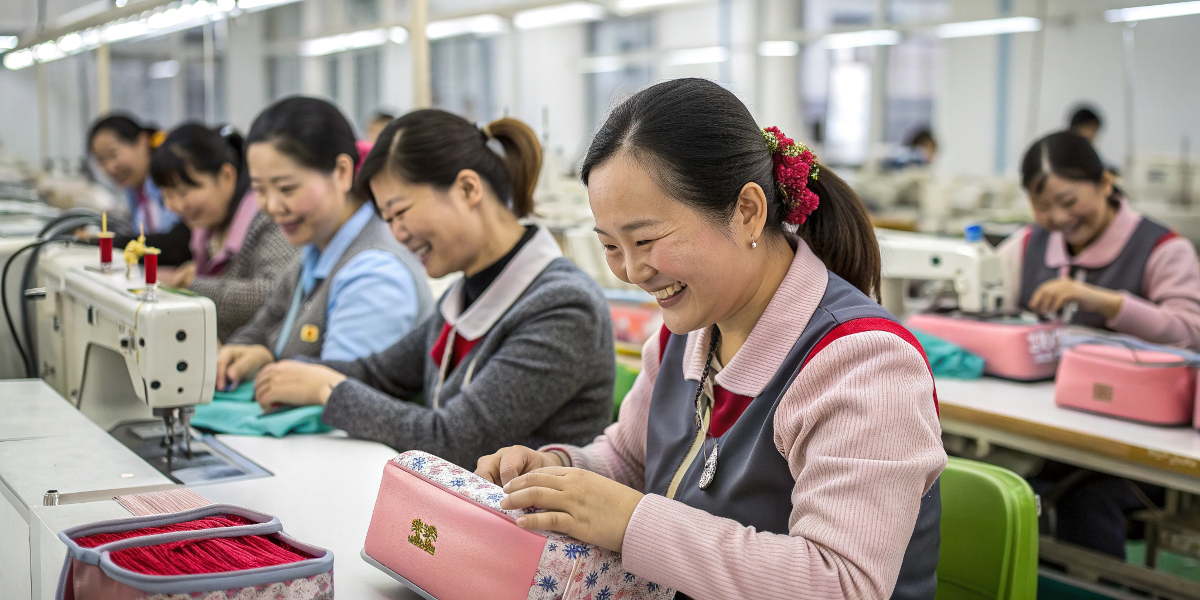
I am proud of my team. Many of our 120 skilled workers have been with me for years. Providing a safe and fair workplace is a personal responsibility for me. It is the foundation of our business. When a buyer asks to see our social audit reports, I see it as a positive sign. It shows they care about the entire process and are looking for a long-term, responsible partnership. A supplier who hesitates to share these reports should be a major concern.
Understanding Social Compliance Audits
A social audit is like a health check-up for a factory’s labor practices. It verifies that a supplier meets both local laws and international standards.
- What do they check? Audits look at everything from fair wages and reasonable working hours to fire safety and the absence of forced or child labor.
- Who conducts them? Reputable audits are done by independent, third-party organizations to ensure the results are objective. Key audit types include BSCI (Business Social Compliance Initiative) and SMETA (Sedex Members Ethical Trade Audit).
- What if there are issues? No factory is perfect. A good audit report will include a Corrective Action Plan (CAP). Ask the supplier to show you their plan for fixing any issues found. This demonstrates transparency and a commitment to improvement, which is often more important than a flawless initial report.
By asking for these reports, you protect garment workers and your own brand from the significant risks associated with an unethical supply chain.
Conclusion
To truly evaluate a supplier, you need to look beyond marketing claims. By verifying certifications, demanding traceability, assessing factory operations, and confirming ethical labor practices[^5], you can build a truly sustainable partnership.
---

[^1]: This link will provide detailed information on important certifications that validate sustainability in products.
[^2]: Discover effective waste management practices that can enhance sustainability in manufacturing processes.
[^3]: Learn about OEKO-TEX certification and its significance in ensuring product safety and sustainability.
[^4]: Explore methods for measuring and managing the environmental footprint of manufacturing operations.
[^5]: This resource will help you understand the importance of ethical labor practices and how to verify them.