Finding truly eco-friendly PVC bags is tough. Brands worry about regulations and customer perception. We provide innovative, compliant, and sustainable PVC solutions that build trust and meet modern demands.
An innovative PVC manufacturer approaches sustainability by first ensuring all materials meet strict standards like REACH and Prop 65. Then, we integrate recycled PVC (rPVC)[^1] and bio-based alternatives[^2] like TPU, design for durability, and maintain transparent, efficient production to truly minimize environmental impact.
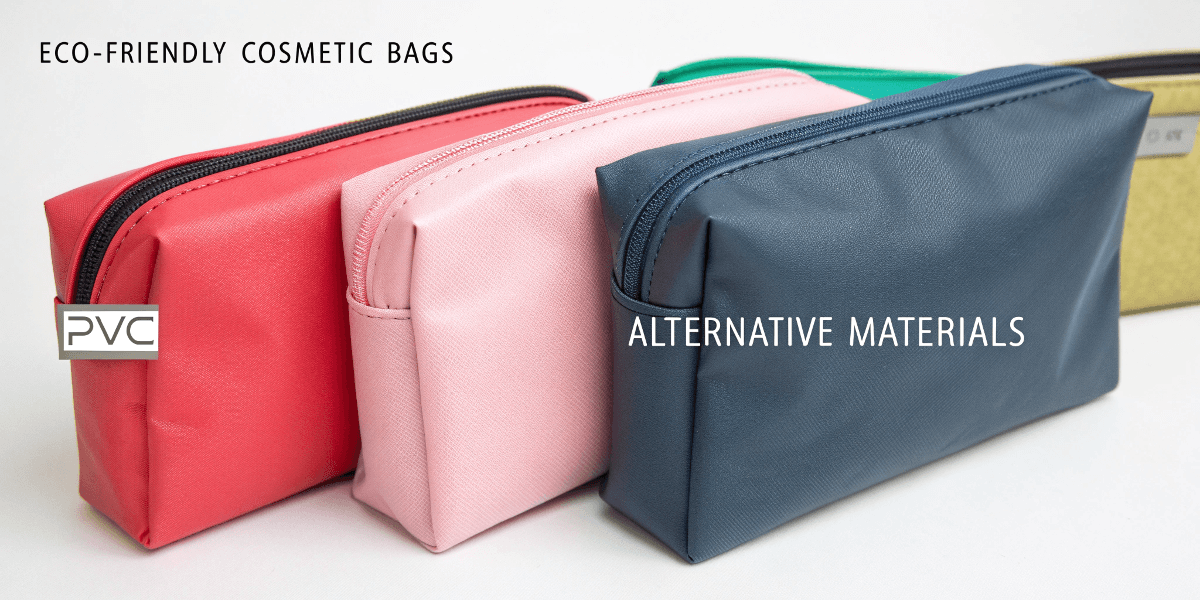
You might be thinking, “Eco-friendly” and “PVC” in the same sentence? It sounds like a contradiction. I’ve spent over 30 years in this business, and I’ve seen materials evolve in ways I never thought possible. The reality is that through innovation, even traditional materials can be part of a sustainable future. Let me walk you through how we make this happen, step by step, and what it could mean for your brand’s commitment to the planet.
Beyond PVC: Exploring Recycled and Bio-Based Material Alternatives?
Your brand wants to offer sustainable choices, but new materials seem complex or unproven. You worry about maintaining quality. We explore a range of tested, eco-friendly materials that meet high standards.
We go beyond standard PVC by focusing on recycled and bio-based alternatives. We use recycled PVC (rPVC)[^1] to give plastic a second life and offer innovative materials like thermoplastic polyurethane (TPU)[^3], which is biodegradable and recyclable, providing a durable and stylish eco-conscious option.
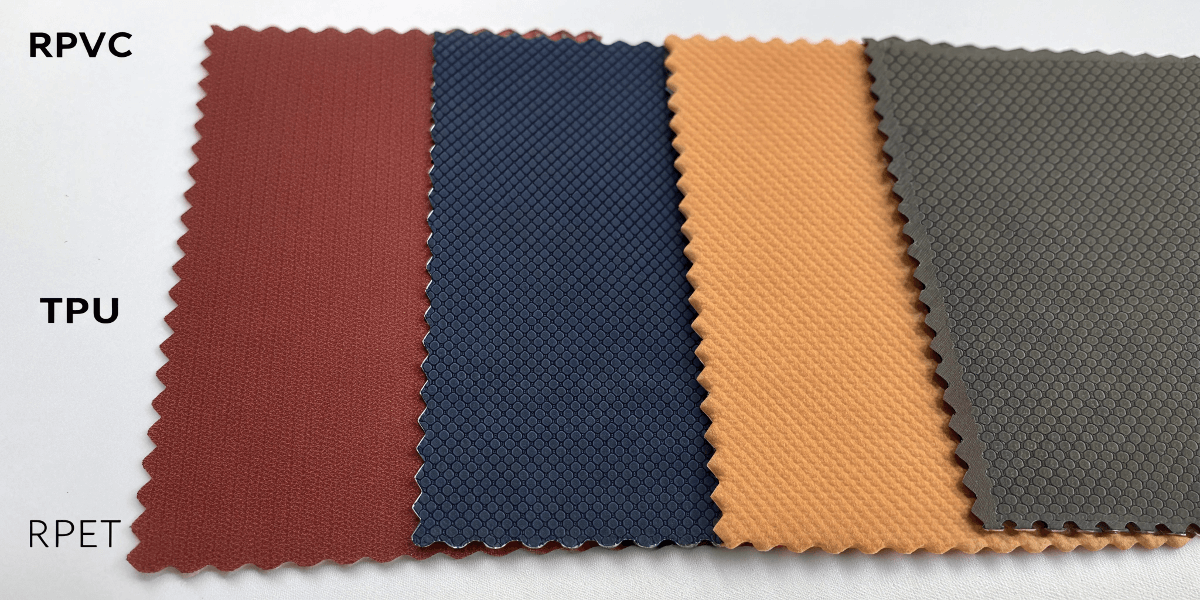
When we talk about sustainable materials, the conversation has to be practical. It’s not just about finding an alternative; it’s about finding the right one for your product. We start by looking at materials that directly address waste and chemical concerns. For instance, even our standard PVC must meet European REACH standards[^4] and California’s Proposition 65[^5]. This is our baseline, our non-negotiable starting point for safety and compliance. From there, we innovate.
Expanding Your Material Options
Our goal is to provide a portfolio of materials that align with different sustainability goals. This means we offer more than just one “eco” option.
- Recycled PVC (rPVC): This material takes post-industrial or post-consumer PVC waste and turns it into new, high-quality cosmetic bags. It reduces the need for virgin plastic production and keeps waste out of landfills.
- Thermoplastic Polyurethane (TPU): TPU is a fantastic substitute. It’s a bio-based material that is more durable and flexible than PVC. Plus, it’s recyclable and can biodegrade over time, offering a much cleaner end-of-life story.
Here is a simple breakdown:
| Material | Key Eco-Benefit | Best For |
|---|---|---|
| Compliant PVC | Meets REACH & Prop 65 safety standards | Cost-effective, transparent designs |
| Recycled PVC (rPVC) | Reduces plastic waste, lower carbon footprint[^6] | Brands highlighting circular economy[^7] |
| TPU | Bio-based, recyclable, biodegradable | Premium, durable, and flexible products |
The Circular Economy in Action: Designing for Durability and Recyclability?
Products that break quickly create waste and hurt your brand’s reputation. You need items that last. We design cosmetic bags not just for beauty, but for a long, useful life.
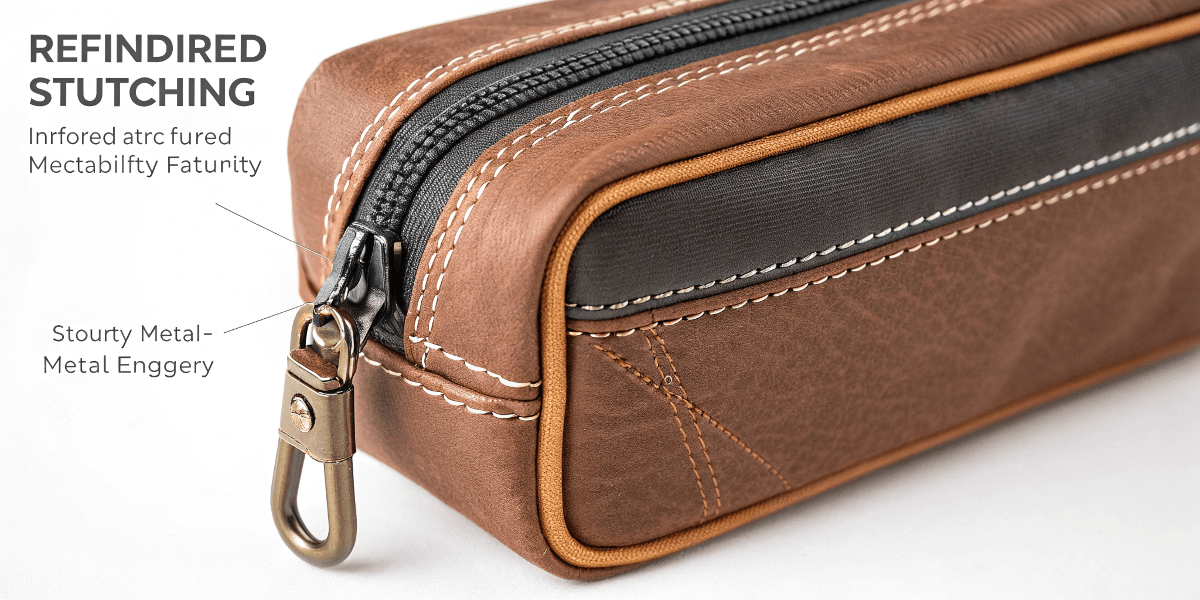
We design for durability and recyclability. By using high-quality materials, reinforcing seams, and choosing robust zippers, we create bags that last longer. We also design with mono-materials where possible, making the entire bag easier to recycle at the end of its life.
Thinking in circles is the new way forward. The old “take, make, waste” model just doesn’t work anymore. For us, the circular economy starts right at the design table. Before we even think about cutting fabric, we ask: How can we make this product last as long as possible? And what happens to it when it’s finally worn out? I remember seeing a pile of discarded promotional bags from a trade show years ago; most were broken. That image stuck with me. It’s our responsibility to make products that people want to keep and can be responsibly managed later.
Building for a Longer Life
A bag that is used for years is far more sustainable than one that is thrown away after a few trips. We focus on key elements to extend product life.
- Material Selection: We choose materials like TPU or high-grade PVC known for their resistance to tearing and cracking.
- Construction Quality: We don’t cut corners. Key stress points like corners and handle attachments are reinforced. We use strong stitching and quality zippers that won’t fail.
This table shows where our focus on design makes a real difference:
| Design Element | Standard Approach | Our Circular Approach |
|---|---|---|
| Seams | Single-stitched | Double-stitched or reinforced |
| Zippers | Basic plastic | High-quality metal or recycled plastic |
| Material | Thin, low-grade plastic | Durable, compliant, or recycled options |
| End-of-Life | Landfill | Designed with mono-materials for recyclability |
Reducing the Carbon Footprint Through Efficient Production Processes?
High production costs and environmental impact are major concerns. Inefficient processes waste energy and materials, hurting your bottom line. We use smart, lean manufacturing to reduce waste and our carbon footprint.
We reduce our carbon footprint by optimizing every step of production. We use energy-efficient machinery[^8], organize our cutting patterns to minimize fabric waste, and operate on a lean manufacturing model. This reduces energy consumption, material waste, and ultimately, the product’s overall environmental impact.
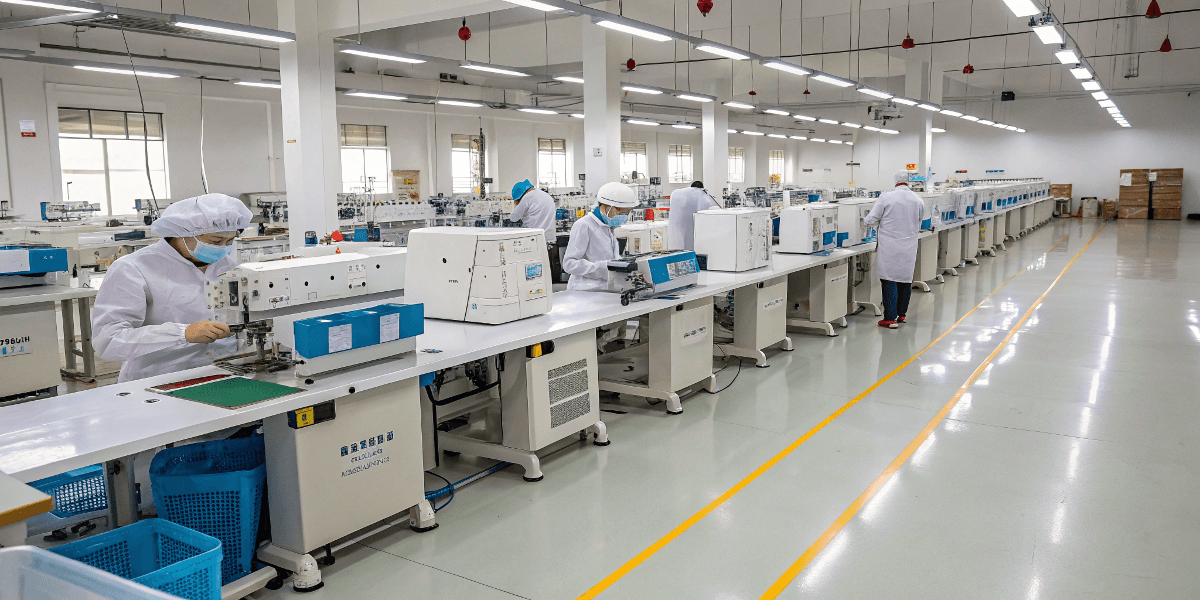
A product’s environmental impact isn’t just about the material it’s made from. It’s also about how it’s made. Our factory in Dongguan isn’t just a place where we assemble bags; it’s a system we’ve been refining for over 30 years. We learned early on that waste is not just bad for the environment, it’s bad for business. Every scrap of wasted fabric, every kilowatt of unnecessary electricity, is a cost that doesn’t add value for our clients. That’s why we’ve become obsessed with efficiency, not just for cost savings, but for our planet.
Our Approach to Lean and Green Manufacturing
Efficiency is embedded in our culture. We continuously look for ways, big and small, to reduce our footprint.
- Waste Minimization: We use advanced software to plan our cuts, ensuring we get the most out of every roll of material. It’s like a game of Tetris, but the prize is less landfill waste.
- Energy Conservation: We invest in modern, energy-efficient sewing machines and lighting. We also schedule production runs to minimize machine idle time, which cuts down on electricity use.
Here’s how our processes contribute to a lower carbon footprint:
| Process Area | Inefficient Method | Our Efficient Method |
|---|---|---|
| Material Cutting | Manual, high-waste patterns | Computer-optimized nesting to reduce scraps by up to 15% |
| Energy Use | Older, high-draw machines | Modern, energy-saving servo motor machines |
| Workflow | Disjointed assembly lines | Lean production flow, reducing movement and time |
| Packaging | Over-packaged with virgin plastic | Minimized packaging using recycled materials |
Transparent Sourcing and Certifications Your Customers Trust?
Your customers are smart. They demand proof of your sustainability claims, and “greenwashing” can destroy brand credibility. You need verifiable proof. We offer full transparency and internationally recognized certifications.
We provide trusted transparency through clear sourcing and certifications. We can trace our materials back to their origin and provide documentation for standards like REACH, Prop 65, and GRS (Global Recycled Standard). This gives you and your customers confidence in our eco-friendly claims.
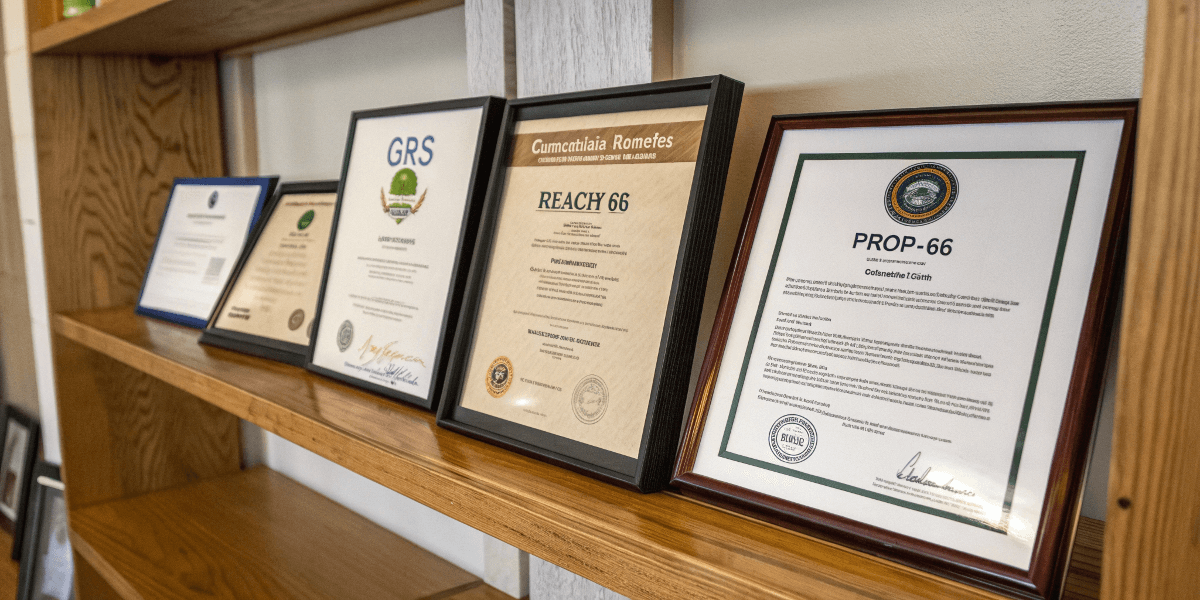
In today’s market, trust is everything. A brand can say it’s “eco-friendly,” but customers want to see the receipts. I learned this from a client years ago who was grilled by their community on social media about their sourcing. Since then, we’ve made transparency a core part of our mission. It’s not enough for us to know we’re doing the right thing; we need to be able to prove it to you, so you can prove it to your customers. It’s about building a chain of trust that starts with a raw material and ends with a happy, confident consumer.
Our Commitment to Verifiable Standards
We don’t just make promises; we back them up with proof. We work with globally recognized standards to ensure our materials and processes meet the highest environmental and social benchmarks.
- Traceability: We maintain detailed records of our supply chain. If you ask where the recycled PVC for your order came from, we can tell you.
- Third-Party Audits: Our facility and processes are open to audits. We believe in accountability and welcome the chance to demonstrate our commitment.
These certifications provide clear, verifiable proof of our claims:
| Certification/Standard | What It Guarantees | Why It Matters to Your Brand |
|---|---|---|
| REACH | Safety from harmful chemicals (EU standard) | Ensures product is safe for European markets |
| California Prop 65 | Safety from specific toxic chemicals (US) | Protects consumers and ensures US market compliance |
| GRS (Global Recycled Standard) | Verifies recycled content and responsible production | Provides credible proof for recycled material claims |
| ISO 9001 | Consistent quality management systems | Guarantees reliable product quality and process control |
Conclusion
By focusing on compliant materials, innovative alternatives, durable design, and efficient, transparent production, we offer genuinely sustainable cosmetic bag solutions that you can trust and your customers will love.
---

[^1]: Learn about the process and benefits of using recycled PVC in sustainable products.
[^2]: Discover innovative bio-based materials that can replace conventional plastics in products.
[^3]: Find out why TPU is a preferred eco-friendly material for durable products.
[^4]: Understand the significance of REACH standards in ensuring product safety and compliance.
[^5]: Get insights into Proposition 65 and how it affects product safety regulations.
[^6]: Discover actionable steps businesses can take to lower their carbon emissions.
[^7]: Explore the principles of the circular economy and its benefits for sustainability.
[^8]: Find out how energy-efficient machinery can lower costs and reduce environmental impact.