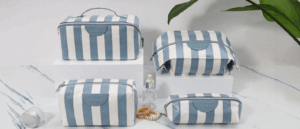
A Beauty GWP tote brief should connect the bag to product fill, size, material, logo, packaging, claim wording and launch timing before a supplier quotes the campaign.
TL;DR
Before asking suppliers for price, buyers should prepare a Beauty GWP tote sourcing brief with campaign type, product fill, target size, material route, logo method, packaging scope, claim wording, quantity, sample timing, launch date and approval evidence. The purchasing conclusion is simple: compare supplier routes only after the brief shows what the tote must carry, how it should be packed, which documents are needed and when the launch must ship.
| Route filter | Procurement conclusion |
|---|---|
| Best fit | This guide is best for beauty founders, brand teams, private-label buyers and sourcing managers preparing a Beauty GWP tote, launch-kit tote, retail promotion tote or tote + pouch set with a real brand, target launch window and expected order around MOQ 500+ or higher. It fits projects where product fill, tote size, material route, logo method, insert card, sleeve, carton mark, claim wording, sample deadline and supplier evidence affect the quote. It is especially useful when marketing has a tote idea but procurement needs one RFQ-ready sourcing brief before asking suppliers for comparable routes, sample timing, route evidence and approval records. |
| Less suitable | This guide is less suitable for single-piece personal orders, generic marketplace resale, no-brand projects, one-off event favors without production files or price-only sourcing where the buyer only wants a visible tote. It is also not the right workflow when the team has no product fill, no logo file, no material direction, no packaging scope, no sample approval owner and no plan to review claim wording, carton marks or launch timing before bulk production. If the buyer cannot share product dimensions, target quantity or receiving requirements, the brief will remain too vague for supplier comparison. |
Why should a tote sourcing brief stay tied to Beauty GWP?
A tote sourcing brief is useful when it helps beauty brands prepare a launch kit, retail promotion or GWP campaign. The brief should show what the tote carries, how the product set is presented, which claim wording appears, and what evidence the supplier needs before sampling.
That keeps the conversation practical: the supplier is not quoting a generic bag, but a campaign-ready tote with product-fit, logo, packaging and timing requirements already defined.
What fields belong in a Beauty GWP tote sourcing brief?
| Brief field | What to provide | Why it matters |
|---|---|---|
| Campaign type | Skincare launch, makeup set, fragrance mini, wellness kit, retail promotion or sampling campaign. | Defines perceived value and packing expectations. |
| Product fill | Product dimensions, weight and whether an inner pouch is included. | Controls size, gusset, handle and carton planning. |
| Tote size | Preferred width, height, gusset and handle drop, or product-fit target. | Prevents oversized or underfilled tote decisions. |
| Material route | Canvas, recycled canvas, cotton blend, rPET blend or other route. | Affects handfeel, claim wording, cost and sample timing. |
| Logo method | Screen print, embroidery, woven label, patch, hangtag or insert card route. | Controls brand visibility and perceived value. |
| Packaging scope | Sleeve, insert card, hangtag, individual packing and carton marks. | Turns the tote into a campaign-ready gift. |
| Claim wording | Where sustainability or material claims appear and what document supports them. | Reduces claim risk before artwork approval. |
What evidence should buyers attach before asking for a quote?
| Evidence | Best format | Why it helps the quote |
|---|---|---|
| Product fill photo | Photo or size chart of items going into the tote. | Helps size and structure planning. |
| Reference tote | Photo with notes on what to keep or change. | Prevents vague style interpretation. |
| Logo file | Vector file plus color reference. | Supports accurate logo method and size quotation. |
| Packaging idea | Insert card, sleeve, hangtag or pack-out reference. | Shows whether the tote must be retail-ready. |
| Claim requirement | Desired material or sustainability wording. | Allows document scope review before sampling. |
| Launch timeline | Sample deadline, approval date and delivery need. | Shows whether the route is realistic. |
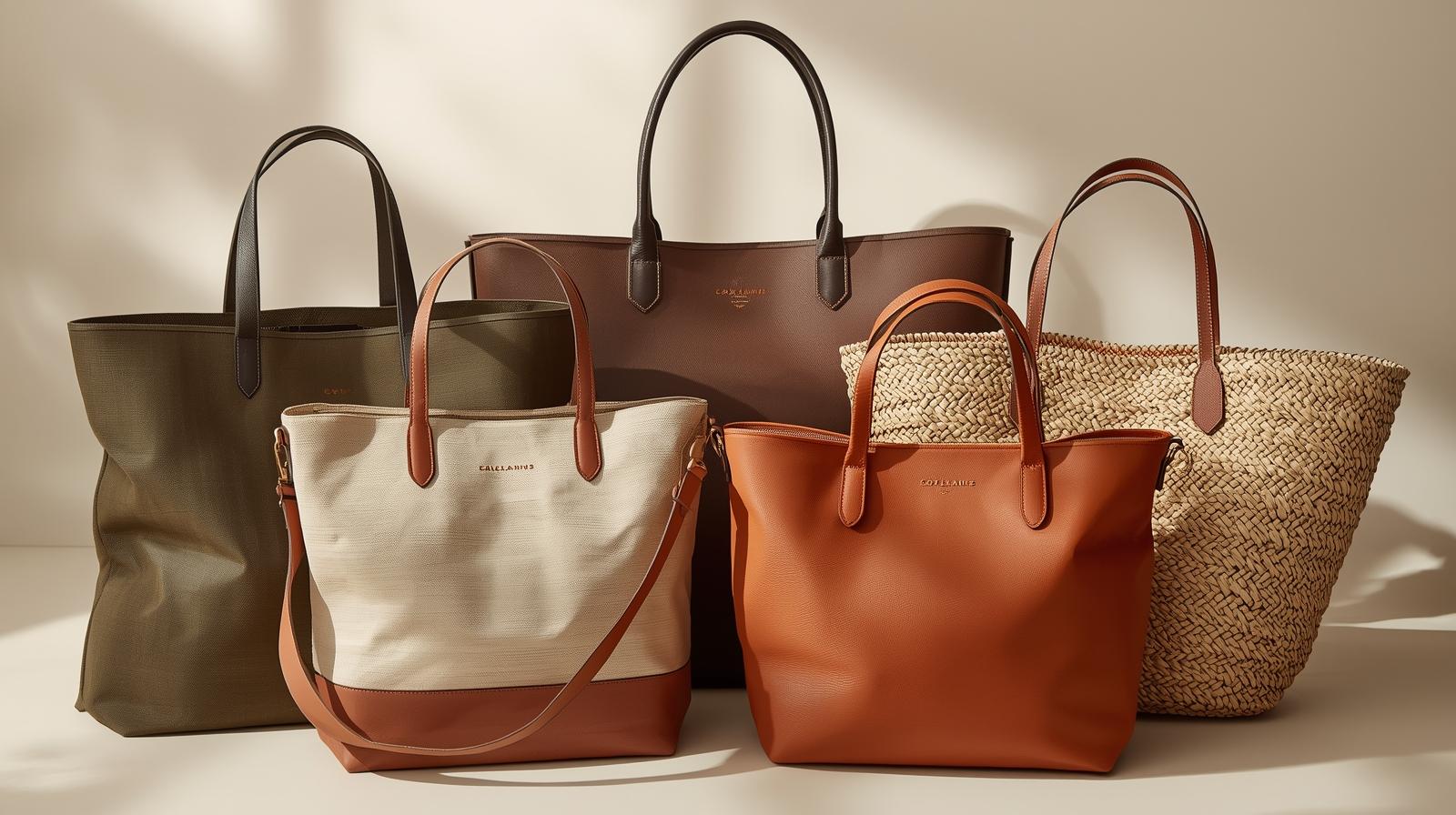
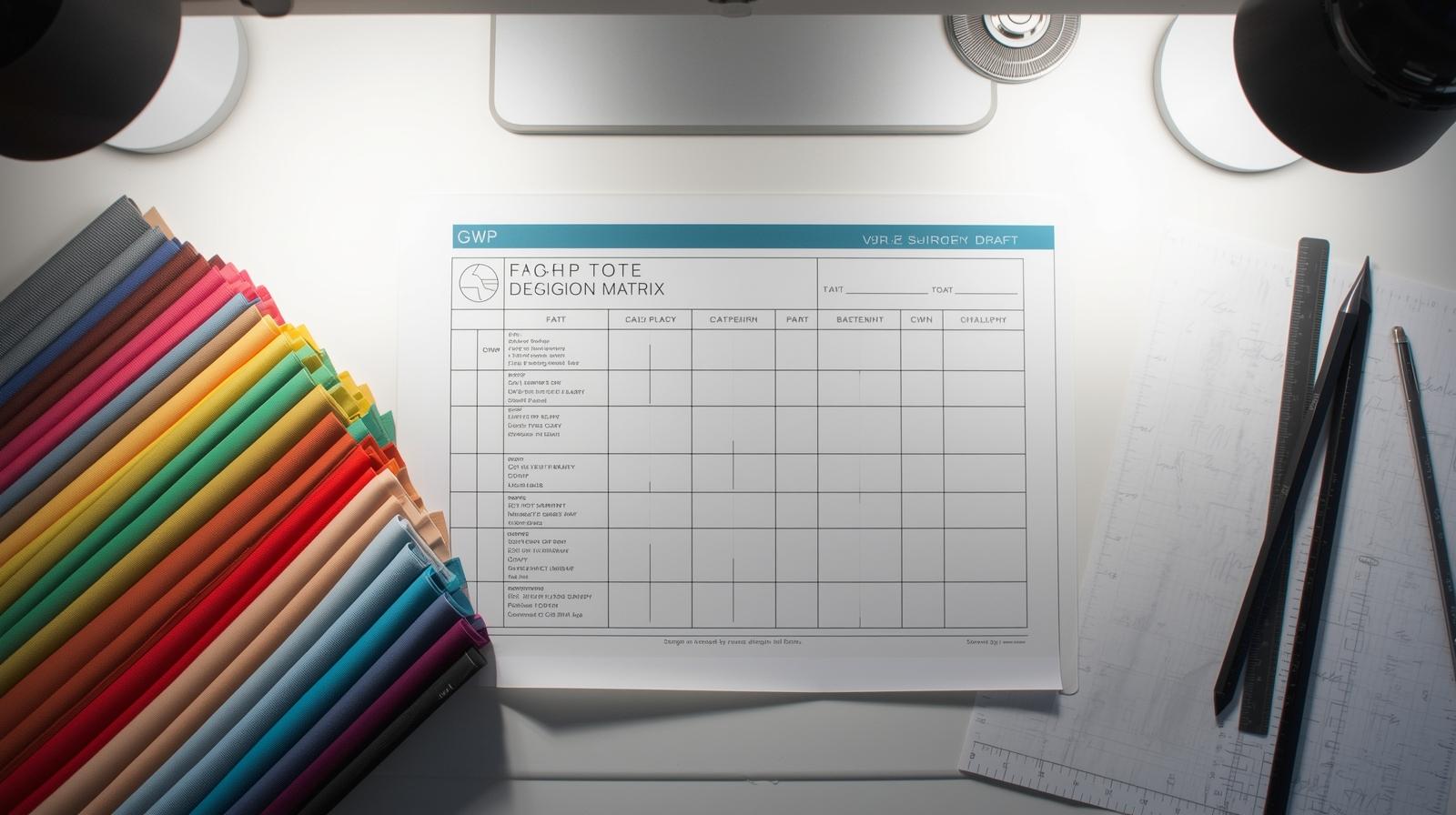
Attach product fill and size evidence before asking for a tote quote. Without it, the quote may describe a bag, but not the bag your launch kit actually needs.
RFQ file checklist before asking for price
The RFQ file should help the supplier answer with a route, not a guess. Buyers do not need a finished technical pack at the first email, but they do need enough information for size, material, logo, packaging, sample timing and claim evidence to be quoted separately.
| Buyer input | Supplier response | Risk if missing |
|---|---|---|
| Campaign type, product fill, approximate product weight and product-label photos. | Recommended tote size, gusset depth, handle drop and product-fit assumption. | The tote may look empty, strain at seams or require a late size change. |
| Target tote format, material route, lining need and handfeel preference. | Material option, fabric weight, construction route, MOQ and sample timing. | The buyer may compare different products while thinking the quotes are equal. |
| Logo artwork, color count, logo position and preferred branding method. | Logo method, setup need, size limit, artwork requirement and approval step. | Logo cost or sample timing may move after internal budget approval. |
| Packaging scope: insert card, sleeve, hangtag, individual pack and carton mark. | Separated packaging line, print-file need, pack quantity and packed-sample route. | The quote may exclude the pieces that make the tote campaign-ready. |
| Claim wording, delivery market, target quantity and launch date. | Document scope, wording boundary, lead time and approval schedule. | The team may approve price before checking whether the claim and timeline can be supported. |
How should buyers choose the right supporting guide?
| Route | Use when | Open page |
|---|---|---|
| Tote GWP design route | Buyers need tote design options for beauty launch kits and retail promotions. | Open guide |
| Tote size route | Product fit, carry comfort and carton volume decide the tote brief. | Open guide |
| Material route | Recycled canvas, cotton blend or claim wording drives the sourcing brief. | Open guide |
| Logo method route | Print, embroidery, label or patch choice affects perceived value. | Open guide |
| Launch-kit pairing route | The tote must coordinate with a cosmetic pouch or beauty product set. | Open page |
| RFQ route | Buyers are ready to send product fill, quantity and launch timing. | Open form |
What sourcing decisions should not be made too early?
Buyers often choose a tote style before the product fill, packaging and claim route are clear. That creates sample rework. The supplier may quote a tote that looks fine in isolation but fails the launch kit. The following decisions should stay open until the brief has enough evidence.
| Decision | Wait until… | Risk if rushed |
|---|---|---|
| Final tote size | Product fill and packaging are confirmed. | Empty space, zipper stress or carton waste. |
| Logo method | Material surface and campaign tier are clear. | Wrong handfeel, cost or durability. |
| Material claim | Document scope is confirmed. | Unsupported eco wording. |
| Packaging scope | Retail or GWP presentation role is defined. | Late insert-card or sleeve cost. |
| MOQ expectation | Custom variables are known. | Unrealistic quantity for the desired route. |
How should buyers compare two tote quotes without choosing the wrong route?
A lower tote quote is not always the better quote. For Beauty GWP work, buyers should compare what is included, what is excluded and what evidence the supplier used. A quote that separates material, logo, packaging and approval gates is usually easier to manage than a single line that only says “custom tote.”
| Quote area | Weak quote signal | Better Beauty GWP quote signal |
|---|---|---|
| Material | Only says cotton, canvas or recycled fabric. | Lists fabric route, weight target, lining need and certificate scope if a claim is used. |
| Size | Uses a catalog size without checking product fill. | Shows width, height, gusset, handle drop and product-fit assumption. |
| Logo | Logo cost is included but method is unclear. | Separates print, embroidery, label, patch or hangtag route with size limits. |
| Packaging | Only quotes the tote. | Lists insert card, sleeve, hangtag, individual packing and carton marks if required. |
| Approval | Only mentions sample photo. | Defines physical sample, packed sample, logo approval and pre-production confirmation. |
| Timeline | Gives one delivery date without sample gates. | Separates sample timing, approval window, bulk preparation and shipping buffer. |
What approval record prevents tote sourcing drift?
When a tote supports a launch kit, the approval record should protect more than the bag shape. It should show what was approved, which product fill was tested and which claim or packaging decision the supplier is expected to follow. This is especially important when several teams review the same GWP: marketing checks the look, procurement checks cost, and operations checks timing.
| Approval record | What to lock | Why it protects the campaign |
|---|---|---|
| Front view | Logo size, placement, color and flatness. | Prevents visual surprises when the bag is filled. |
| Side / gusset view | Actual product-fit depth and seam behavior. | Prevents a tote that looks good flat but strains when packed. |
| Inside view | Lining, pocket, label and product contact area. | Protects skincare or makeup product presentation. |
| Packaging view | Insert card, hangtag, sleeve and individual pack direction. | Confirms the GWP looks campaign-ready on arrival. |
| Carton view | Carton marks, pack quantity and compression risk. | Helps retail, warehouse or distributor teams receive the order correctly. |
| Claim record | Where the material or sustainability wording appears. | Keeps fabric, tag, insert and online copy aligned. |
How is this different from related tote and Beauty GWP sourcing guides?
This article is the sourcing-brief route. It helps buyers prepare the RFQ file before supplier quote comparison. Related tote guides answer adjacent questions, but they should not replace the brief when the team still needs to define product fill, size, logo, packaging, claim wording and sample timing.
| Sibling guide | Use that guide when | Use this guide when |
|---|---|---|
| Beauty GWP tote cost drivers | The buyer already has a brief and needs to compare quote lines, cost drivers and hidden exclusions. | The buyer still needs to create the RFQ brief before asking for price. |
| Tote size decision guide | The main decision is size, gusset, product fit and carton space. | The size decision must be written into a supplier-ready brief with logo, material and packaging fields. |
| Logo method guide | The team is choosing between screen print, embroidery, label, patch or other branding methods. | The chosen logo route must be included in the RFQ with size, placement and approval needs. |
| Tote supplier red-flags guide | The team is checking supplier behavior, missing evidence or weak approval workflow. | The team needs to prevent vague supplier answers by sending a complete sourcing brief first. |
What can Ecorivta deliver for Beauty GWP tote sourcing briefs?
| Support area | Practical sourcing-brief support | What to confirm early |
|---|---|---|
| Use case | Beauty GWP launch kits, skincare sets, makeup sets, fragrance minis, wellness bundles and retail promotions. | The tote should be tied to a beauty product set or campaign role. |
| Formats | Flat tote, gusset tote, structured tote, mini tote, tote + pouch route. | Format should be chosen by product fill and campaign role. |
| MOQ | 500-1,000 simple logo route; 1,000-3,000 custom trim or packaging; 3,000-5,000+ special material or multi-SKU route. | Higher customization needs more realistic quantity and timing. |
| Sample timing | 7-14 days simple route; 14-21+ days for new material, trim, logo or packaging sample. | Rush projects should reduce custom variables. |
| Documentation | Material certificate, claim scope, artwork, pack-out and inspection record. | Documents must match the actual order route. |
What does an anonymized brief cleanup case teach?
An anonymized beauty launch team in 2025 asked for a custom tote quote with only a reference image, a target price and a rough launch month. The first supplier response looked usable at first glance, but it did not include product fill, material claim, logo method, insert card, individual packing or carton quantity. The tote size was copied from a catalog model, and the supplier assumed a simple one-color print because no logo method had been specified. When the marketing team placed the skincare set beside the tote reference, the bag looked too large and the gift felt underfilled.
Ecorivta rebuilt the brief before sampling. The buyer added product dimensions, target quantity, desired logo method, material route, insert-card role, packed-sample need and launch approval date. That changed the route from a large generic tote to a medium gusset tote with an inner cosmetic pouch and a clearer logo zone. The revised supplier quote separated tote base, logo setup, insert card, individual packing, sample timing and carton marks. Procurement could now compare what each supplier included instead of arguing over the first visible unit price. The final lesson was straightforward: the brief, not the catalog photo, decides whether the tote can support a Beauty GWP campaign. A stronger RFQ file reduced sample rework and made the launch-kit route easier to approve internally.
What did three anonymous buyers say after brief cleanup?
| Role | Before review | After review |
|---|---|---|
| Founder | The team chose a tote reference before checking product fill and perceived value. | The revised brief connected tote size, inner pouch and product presentation before sampling. |
| Procurement lead | Supplier quotes used different assumptions for logo, packing and carton marks. | The RFQ checklist forced each supplier to answer the same brief fields. |
| Marketing manager | The original tote looked good alone but underfilled with the real skincare set. | The approved route used product-fill photos and packed-sample review to protect the campaign look. |
How can buyers write a copy-ready Beauty GWP tote sourcing brief?
- Campaign type.
- Target market.
- Product fill.
- Inner pouch needed.
- Preferred tote format.
- Target tote size.
- Material route.
- Logo method.
- Packaging scope.
- Claim wording and document requirement.
- Target quantity.
- Sample deadline.
- Launch date.
- Carton or freight constraint.
- Approval photos required.
Send this through the Ecorivta contact form when the team needs help turning a tote idea into a quote-ready brief. Include product dimensions and launch timing so the first review can focus on route fit.
Which evidence should support the brief?
For material and claim planning, buyers should connect the tote brief to GRS recycled-content documentation [1], FSC packaging context [2], OEKO-TEX textile safety scope [3] and FTC environmental marketing guidance [4]. The document must match the actual material, packaging component and wording route.
For packing, supplier and repeatability planning, the brief may also need ISTA distribution-test context [5], ISO 9001 quality-management context [6] and Sedex SMETA audit context [7]. These references help buyers decide what evidence to request before sample approval and bulk release.
Who We Don’t Take On
- Broad reusable tote requests that are not connected to beauty products, GWP campaigns or retail promotions.
- Projects that ask for a quote without product fill, target quantity, logo method or launch date.
- Orders that use sustainability wording without defining material route and document scope.
- Launches that should use a cosmetic pouch, clear bag or smaller beauty accessory instead of a tote.
About the author
Lina Lv works with beauty brands on custom cosmetic bags, Beauty GWP totes, material routes, logo methods, packed samples and supplier-ready RFQ files. Her writing focuses on practical sourcing decisions that help buyers turn early campaign ideas into quote-ready briefs before sampling or bulk approval.
Trademark notice
Brand names, certification names, retailer names and standard names mentioned in this article belong to their respective owners. They are used for buyer education and sourcing context only. Ecorivta does not claim ownership of third-party trademarks, and buyers should confirm current trademark, certification and labeling requirements with the relevant owner, certifier, retailer or legal advisor before using marks or claim wording in public packaging, inserts or campaign materials.
FAQ: Beauty GWP tote sourcing briefs
When does a tote sourcing brief fit Beauty GWP?
It fits when the tote is tied to a beauty launch kit, skincare set, makeup set, fragrance mini, wellness bundle, retail promotion or GWP campaign.
What should a Beauty GWP tote sourcing brief include?
It should include campaign type, product fill, tote size, material route, logo method, packaging scope, claim wording, target quantity, sample deadline and launch date.
How does this help before asking for a tote quote?
It turns a tote idea into quote-ready fields so the supplier can price the actual launch-kit route, not only a generic bag shape.
How does this connect to tote size decisions?
The brief should include the product-fill and carton evidence that supports the chosen tote size. Size should not be approved from a catalog photo alone.
When should buyers contact Ecorivta?
Buyers should contact Ecorivta when they have product fill, timing and launch goals but are not sure which tote route or brief fields are ready for sampling.