Beauty buyers often begin with a simple request: write short eco copy for a makeup bag insert, tag or sleeve. The buying problem is more specific. The team must decide what the bag is made from, which component carries the claim, where the wording appears, which supplier evidence supports it and how the final copy moves into artwork approval before quote and bulk production.
TL;DR: Claim-safe eco makeup bag copy is a procurement task, not only a writing task. Buyers should decide the material route, component scope, proof request, placement and RFQ handoff before artwork is locked. The strongest copy names what is covered, avoids implying more than the evidence supports and gives marketing, sourcing and legal teams the same review file.
Buyer Summary
Use this guide when a Beauty GWP makeup bag project needs wording for insert cards, hangtags, sleeves, woven labels, bag prints or product pages. The useful procurement conclusion is simple: do not approve claim copy until the buyer has mapped material route, covered component, document request, placement and final artwork owner. For many programs, the safer route is to write around the outer fabric, paper card or reuse design intent instead of implying that the whole gift set has the same status. Ecorivta can help buyers turn a broad campaign idea into a sample-ready RFQ, supplier evidence checklist and contact handoff for quote comparison.
Best fit
This guide is best for beauty founders, brand teams, private-label buyers, creative operations leads and sourcing managers who need short copy for a makeup bag GWP but also need the wording to survive internal review. It fits skincare, makeup, fragrance, haircare and wellness campaigns where the bag, insert card, sleeve or hangtag uses language about recycled fabric, organic cotton, FSC paper, PVC-free clear material, reuse intent or supplier evidence. It is especially useful when marketing has already drafted a line, but sourcing has not yet confirmed material route, component scope, document availability or placement. The guide helps the team turn copy review into an RFQ decision before sample and artwork approval.
Less suitable
This guide is less suitable for one-off personal orders, unbranded resale stock, generic marketplace copy or projects where the buyer does not need environmental wording on any bag, card, sleeve or product page. It is also not the right tool when the team has no product fill, no target market, no material preference, no artwork deadline and no approval owner. If a buyer only needs a plain pouch quote with no claim, a standard cosmetic bag specification sheet may be enough. This guide also does not replace legal review, retailer compliance review, certification body guidance or final approval from the brand’s internal claims team.
How buyers should decide the route
Buyers should decide the route by starting with the business scene, not the slogan. A small insert card can explain component scope better than a tiny woven label. A bag print may look strong, but it can also make the claim feel like it applies to the whole product. A product page gives more room, but it may trigger retailer or marketplace review. The route should connect the buyer problem, material option, proof request and linked money page before the quote is requested.
| Situation | recommended route | linked money page |
|---|---|---|
| New Beauty GWP campaign needs one giftable bag plus insert copy. | Start with campaign route, product fill, bag size, insert placement and approval owner. | Beauty GWP Solutions |
| Buyer needs a makeup pouch with component-level recycled fabric wording. | Define outer fabric, lining, zipper, label, print area and supplier evidence before artwork. | Custom Cosmetic Bags |
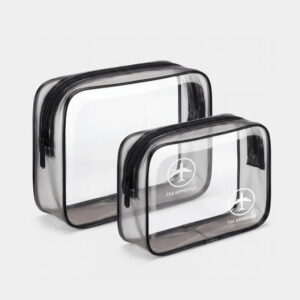
| Clear pouch copy needs to avoid overclaiming material scope. | Confirm TPU or EVA route, clarity, odor, market notes and where wording appears. | Clear PVC Cosmetic Bag |
| Buyer wants paper sleeve or insert card wording. | Separate paper component claim from bag material claim and request paper supplier proof. | Beauty GWP Solutions |
| Team has draft copy but no supplier handoff. | Send copy, placement, material route, target market, evidence request and sample deadline. | Contact Ecorivta |
Sibling Diff: how this page should not compete with nearby Ecorivta pages
| Page | Primary job | This page should own |
|---|---|---|
| Beauty GWP Solutions | Plan the campaign route, product set, launch timing and supplier workflow. | Copy and RFQ logic for eco wording on bags, cards, tags and sleeves. |
| Custom Cosmetic Bags | Choose shape, size, lining, zipper, material and logo method. | How the chosen material becomes claim copy and evidence scope. |
| Clear Cosmetic Bags | Compare clear bag material, structure, use case and logo options. | How clear pouch wording should stay tied to material route and placement. |
| Sustainability | Explain Ecorivta’s wider material and supplier evidence approach. | A practical copy workflow for one Beauty GWP makeup bag project. |
What wording inputs should buyers prepare before quote?
The buyer does not need perfect copy before contacting a supplier, but the RFQ should show what the claim is trying to do. Ecorivta can then suggest whether the copy belongs on the bag, insert card, sleeve, hangtag or product page, and which evidence request should travel with the sample brief. US environmental claim guidance [1], EU Green Claims direction [2] and the UK Green Claims Code [3] all point toward clear, supportable and non-overstated wording.
Material and paper references should stay tied to the correct component. GRS [4] can support a recycled-content route when scope is clear, FSC [5] is relevant to paper cards or sleeves, OEKO-TEX STANDARD 100 [6] relates to textile substance testing scope, and ISO 14021 [7] is useful context for self-declared environmental labels.
| RFQ input | Why it matters | Example handoff |
|---|---|---|
| Product fill | Controls bag size, lining, leakage tolerance and perceived value. | Three minis, one jar, one folded routine card. |
| Material route | Controls claim wording and supplier evidence request. | Recycled polyester outer fabric with separate lining note. |
| Covered component | Prevents copy from implying more than the evidence covers. | Shell fabric only; zipper, puller and card reviewed separately. |
| Copy placement | Changes review risk and space for explanation. | Insert card primary, hangtag short line, no bag print. |
| Target market | Affects reviewer expectations and label language. | US specialty retail and EU online launch. |
| Approval owner | Keeps sample, copy and artwork moving together. | Marketing drafts, sourcing checks evidence, legal reviews final line. |
What copy routes are usually safer for inserts and tags?
| Buyer draft | Better working direction | What to confirm |
|---|---|---|
| Eco makeup bag | Name the material route and covered component. | Fabric composition, lining exclusion and document scope. |
| Sustainable packaging | Move the wording to the paper sleeve or insert if that is the covered item. | Paper supplier proof, print method and artwork file. |
| Recycled makeup pouch | Say which fabric or component uses the recycled route. | Outer fabric document, percentage statement if used and sample approval. |
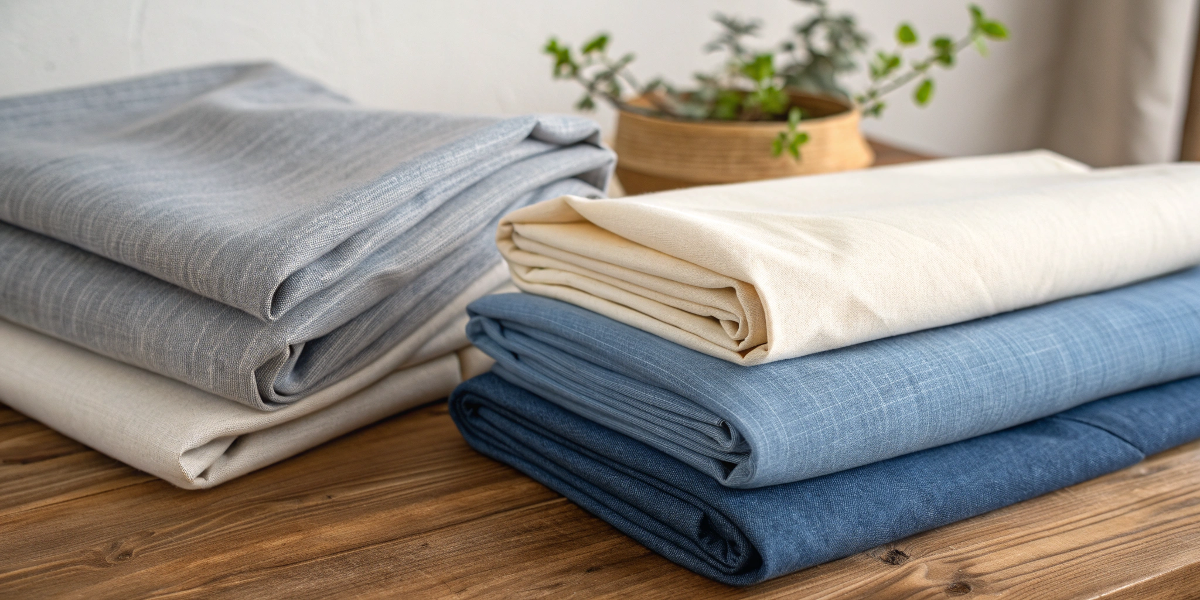
| Natural cotton pouch | Tie wording to cotton canvas route and leave trims separate. | Cotton scope, lining, dye route, zipper and label. |
| Reuse after campaign | Tie copy to structure and quality review. | Stitching, zipper, lining, logo durability and packed sample approval. |
| PVC-free clear pouch | State the selected clear material route when confirmed. | TPU or EVA route, odor, clarity, handfeel and market notes. |
Composite case: when insert copy changed the material route
A skincare buyer planned a spring GWP pouch with two serum minis, one travel cleanser and an insert card. The first draft copy described the bag as an eco gift pouch and the creative team wanted the line printed directly under the logo. During supplier review, Ecorivta asked the buyer to separate product fill, material route, claim placement and proof request. The available option was a recycled polyester outer fabric with a standard lining, zipper and woven label. The evidence path covered the outer fabric route, not the full bag or the paper insert.
The team changed the copy plan before artwork. The bag kept a clean logo only. The insert card carried the material note, with wording tied to the outer fabric and a separate paper card line reviewed by the packaging supplier. The RFQ also added lining color, zipper puller, logo method, market version, carton mark and sample photo approval. This gave marketing enough room to tell the campaign story without forcing a short bag print to carry too much meaning.
When samples arrived, the buyer approved handfeel and size but revised the insert placement because the card covered the logo window inside the pouch. The second sample aligned product fill, copy visibility and packing. The final quote file included material route, copy placement, supplier evidence request and named approval owners, so the project moved into bulk review with fewer late artwork changes.
Anonymous buyer feedback
| Buyer type | What changed after review | Result |
|---|---|---|
| Skincare brand manager | Moved broad eco wording from the bag print to the insert card. | The claim became easier for marketing and legal teams to review. |
| Private-label sourcing lead | Added component scope and supplier evidence request to the RFQ. | Supplier quotes were easier to compare across material routes. |
| Gift set planner | Added product fill, card size and packed sample photos to approval. | The team caught a packing issue before bulk booking. |
What should the final Contact handoff include?
Before contacting Ecorivta, buyers should prepare product fill, quantity range, target market, material preference, backup material route, draft copy, copy placement, artwork deadline, sample deadline, required evidence, packaging scope and approval owner. If the team is unsure which wording is suitable, send the broad draft anyway. Ecorivta can help translate it into a material route, component map and RFQ checklist.
Who We Don’t Take On
Ecorivta is not the right partner for copied artwork without permission, unsupported environmental slogans, no-brand resale stock, one-piece personal purchases or projects that ask for claim wording without material route, component scope, target market, sample deadline or approval owner. We work best with beauty teams that want a practical quote file, reviewable wording and a supplier handoff that connects product, packaging and evidence.
About the author
Lina Lv is a Brand & Product Specialist at Ecorivta. She works with beauty buyers on GWP cosmetic bags, claim-aware copy handoff, sample approval, material route comparison and RFQ preparation for skincare, makeup, fragrance, haircare and wellness programs.
Trademark and certification notice
All trademarks, certification names and program names belong to their respective owners. Ecorivta can help organize supplier evidence, material scope and wording handoff for buyer review, but final marketing copy, legal approval and certification interpretation should be confirmed by the brand, retailer or qualified advisor for the target market.
Sources
- U.S. eCFR, 16 CFR Part 260 environmental marketing claim guides. Source ↩
- European Commission, Green Claims. Source ↩
- UK Competition and Markets Authority, Green Claims Code. Source ↩
- Textile Exchange, Global Recycled Standard. Source ↩
- Forest Stewardship Council, FSC labels and paper sourcing context. Source ↩
- OEKO-TEX, STANDARD 100. Source ↩
- ISO, ISO 14021 environmental labels and declarations. Source ↩
FAQ
What is the main buyer problem this guide solves?
It helps buyers turn broad eco copy into a route decision that connects material, covered component, proof request, copy placement and RFQ handoff before quote and artwork approval.
Should claim copy go on the bag or on an insert card?
It depends on evidence scope and space. Insert cards and sleeves often give buyers more room to explain component-level wording, while bag prints should stay short and carefully scoped.
What evidence should buyers ask suppliers for?
Ask for material composition, certificate or supplier declaration when relevant, component mapping, sample photos, artwork file, packaging scope and any market-specific review notes required by the buyer.
Is this article legal advice?
No. It is a supplier-side procurement and copy-handoff guide. Final claim approval should come from the buyer’s internal reviewer, retailer reviewer or qualified advisor for the target market.