Confirm Size and Crown Panel Before Artwork
For custom sewn caps, the buyer should confirm the head circumference range and fit route before approving logo artwork. A cap can look correct in a rendering but fail if the crown, closure or head size does not match the target customer. This brief focuses on size, crown panel and logo placement for custom sewn caps only; it does not mix in hair towels or dry hair caps.
Color communication can use Pantone Color Systems 1, textile document discussions can reference OEKO-TEX Standard 100 2, and sample or textile performance language can be framed with AATCC Textile Testing Standards 3.
Head Circumference Is the First Size Check
A custom sewn cap brief should not start with artwork alone. The buyer needs to confirm the head circumference range, target wearer and closure route first. If the cap is for a beauty GWP, brand launch kit or retail gift, a broad adjustable fit may be more practical than a narrow fixed-size route. If the cap is for a more premium retail program, crown shape and fit feel may need a more detailed sample review.
Jolian’s key reminder for this product is simple: the head size must be confirmed with the customer. Without that, the cap can pass the logo and fabric review but still fail during wearing. The supplier should ask for target wearer, closure preference, crown type and whether the cap should feel structured or soft.
For beauty GWP buyers, the easiest way to keep the brief simple is to state the intended wearer and market rather than asking for a full technical cap spec at the first step. For example, adult broad fit with adjustable back closure gives the supplier a clear starting point. If the buyer needs a fixed size or a special fit, the head circumference range should be written into the sample brief before fabric or logo files are locked.
| Brief item | What to confirm | Why it matters |
|---|---|---|
| Head circumference | Target wearer range, adult/teen route, adjustable closure or fixed size. | This is the size detail that must be confirmed before sample approval. |
| Crown and panel | Structured or soft crown, panel count, brim shape and side trim. | Construction changes fit, perceived value and logo placement. |
| Fabric route | Cotton, corduroy, RPET, bamboo blend, Tencel or campaign-specific fabric. | Fabric affects handfeel, shape, color and cost. |
| Logo method | Embroidery, patch, woven label, printed logo or metal detail. | Logo result changes with panel curve and fabric texture. |
Crown Panel Route Changes Shape and Logo Placement
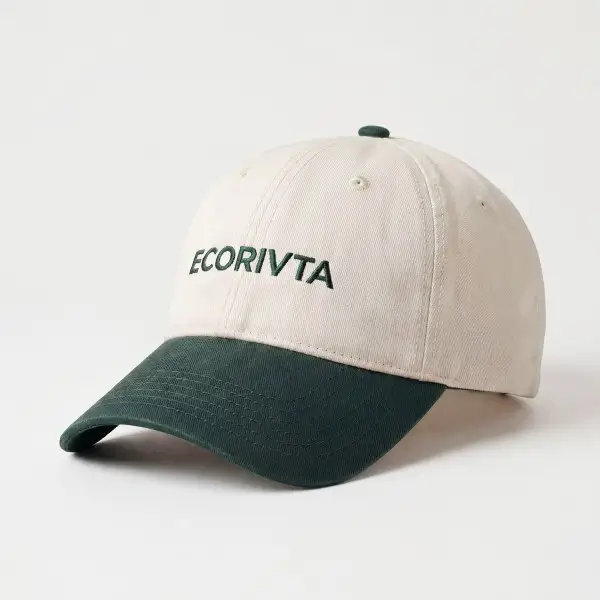
Custom sewn caps need a crown panel route before logo artwork is approved. The buyer may choose a soft unstructured cap, a structured front panel, a curved brim route, a side label route or a back-closure detail depending on the campaign. A soft crown panel can make embroidery look relaxed, while a more structured panel can hold a front patch or logo placement more clearly.
The fabric route should be discussed with actual sample photos. A flat swatch is helpful, but the buyer also needs to see how the fabric behaves on the crown and brim. If the cap is paired with other beauty accessories, color should be reviewed against the full set rather than the cap alone.
Fabric also affects the head size feel. A softer crown may feel more forgiving, while a structured cap may need more careful sizing and closure review. If the buyer wants a premium handfeel, the sample should show both close-up fabric texture and the full cap shape. If the buyer wants a campaign cost route, the supplier can adjust fabric while still protecting the approved fit range.
Logo Placement Must Follow the Cap Panel
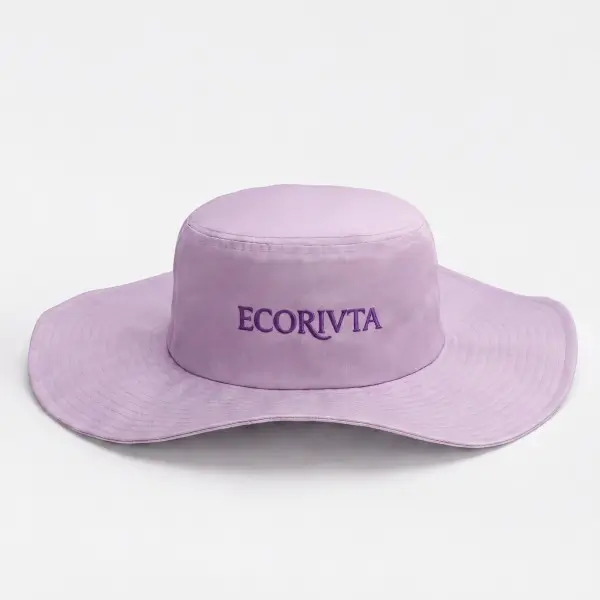
Embroidery, patch, woven label and printed logo routes all behave differently on a cap. A logo that looks clean on a flat file may change on a curved front panel. The buyer should confirm logo size, thread or patch color, front panel placement, side label, back closure detail and whether the logo should be subtle or highly visible.
For Beauty GWP, the cap does not need to become a billboard. A clean logo route often works better for premium campaigns. If the buyer needs stronger brand visibility, sample photos should show front, side and back views before bulk.
Sample Photos Should Show Size, Crown Panel and Packing
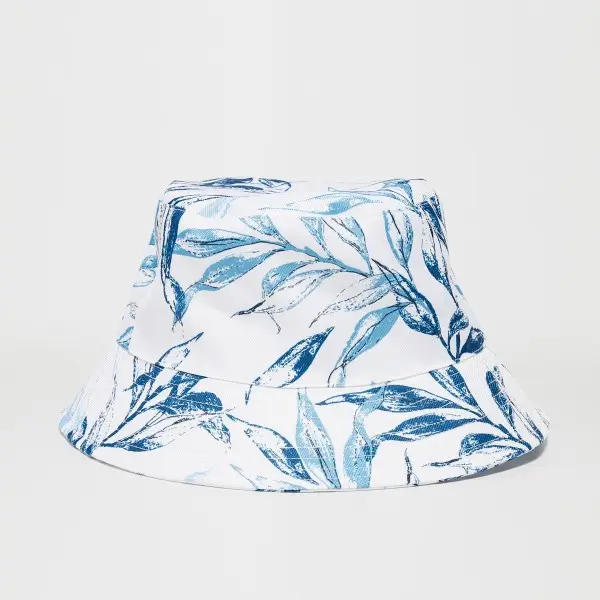
The useful sample set should show the front panel, side panel, back closure, inside seam, brim curve, logo placement and packing state. If the cap is shipped as part of a beauty launch kit, the packing route should protect the shape and avoid crushing. If it is a retail gift, the buyer may need a hang tag, label, sleeve or carton mark.
The first inquiry can stay short. Send quantity, target wearer, head circumference range, fabric idea, logo method, packing role and launch date. Ecorivta can recommend a sample route and ask only for the missing details that affect cap fit and approval.
For a launch kit or Beauty GWP program, the packing route should also protect the cap shape. A cap packed too tightly can arrive flattened even if the product itself is correct. The buyer should approve how the cap will be stacked, bagged, boxed or packed with the rest of the set. This is especially important when the logo sits on a curved front panel and needs to look clean after transport.
Send a Cap Size and Logo Brief
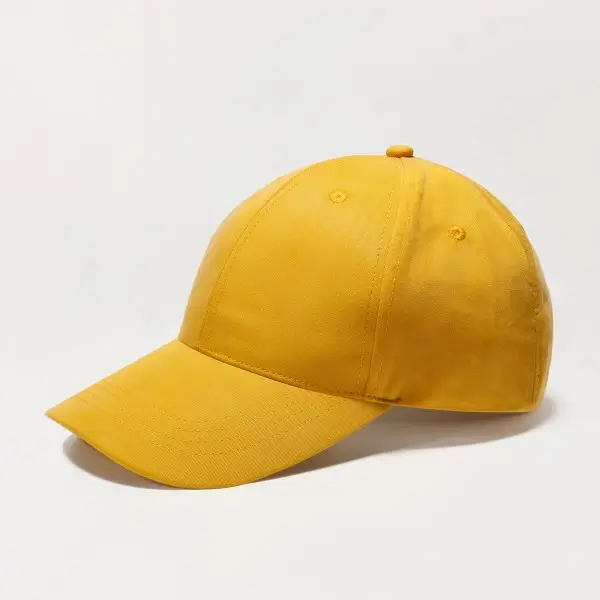
Send the target head circumference range, crown panel route, closure route, logo placement, quantity, target market, packing role and launch window. Ecorivta can help prepare a custom sewn cap sample route for approval.
Custom Sewn Cap Brief Questions
What cap size detail should be confirmed first?
Confirm the target head circumference range and closure route first. Logo artwork should follow the fit route.
Can one cap size fit a broad GWP program?
Often an adjustable closure can support a broad program, but the target wearer and fit expectation should still be confirmed before sampling.
Which logo method is best for custom sewn caps?
It depends on fabric and brand look. Embroidery, patch, woven label and print can all work, but they should be reviewed on the actual cap panel.
What should be in a custom sewn cap RFQ?
Quantity, target market, head size range, closure, crown shape, fabric, logo method, packing route and launch date.
Related Ecorivta pages and guides
- Custom Sewn Caps – Main page for cap size, crown panel, logo placement and packing routes.
- Beauty GWP Accessories Hub – Use this hub when caps support a wider beauty launch kit.
- Contact Ecorivta – Send a short custom cap RFQ.
Evidence Used in This Brief
-
Pantone Color Systems – Used as a reference for brand color communication across fabric, embroidery, label and packing. ↩︎
-
OEKO-TEX Standard 100 – Used as a reference point for textile document discussions when fabric touches skin or hair. ↩︎
-
AATCC Textile Testing Standards – Used as a neutral textile reference for fabric performance, color and sample testing language. ↩︎