Dust bag approval starts with product role
A dust bag for a beauty accessory set is not just a drawstring pouch. The buyer needs to confirm what the bag protects, whether it is part of the gift presentation, which logo route is acceptable, and how the size, closure and packing method affect the final launch kit.
This topic supports Ecorivta’s live dust bag page without becoming a generic drawstring bag factory article. The focus is Beauty GWP and accessory packing: size, closure, material handfeel, logo, quantity, sample approval and RFQ handoff.
Confirm the item before choosing the dust bag size
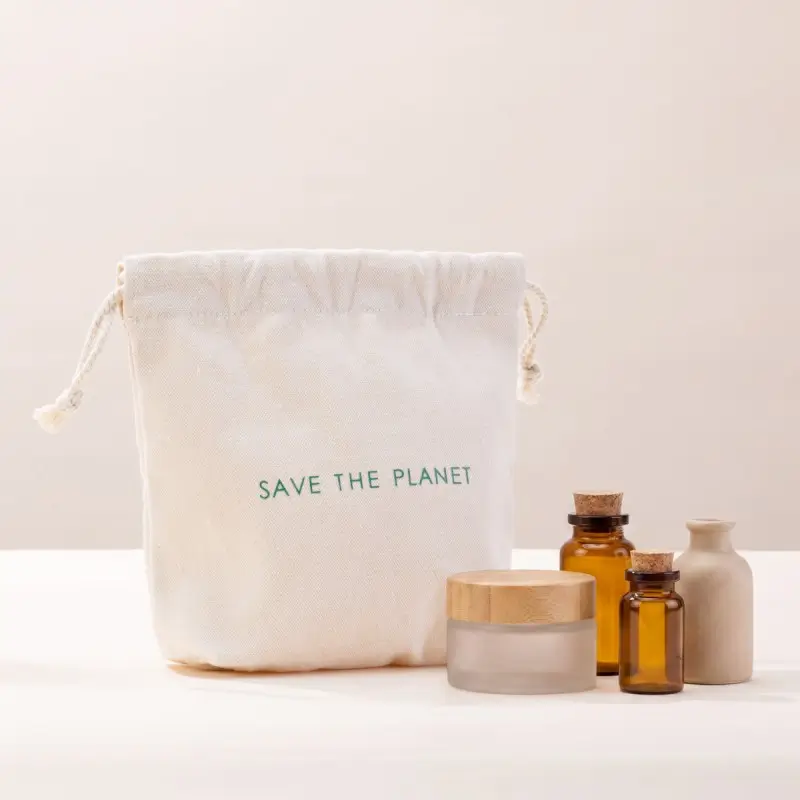
The fastest way to choose size is to place the real accessory or bottle set inside a reference bag. Flat dimensions alone can be misleading because soft products, bottle corners, hangtags and folded inserts all change the fill shape.
| Buyer input | Why it matters | Sample check |
|---|---|---|
| Product size and thickness | Prevents a bag that looks right flat but tight when filled | Fit with the real product or a close mockup |
| Gift vs protective use | Changes how much empty space is acceptable | Approve filled look and unboxing feel |
| Insert card or sleeve | Can increase folded width or make the top stiff | Check the bag after the card is inserted |
| Carton or set packing | Affects folded volume and count per carton | Confirm before bulk packing |
Closure and logo route should be approved together
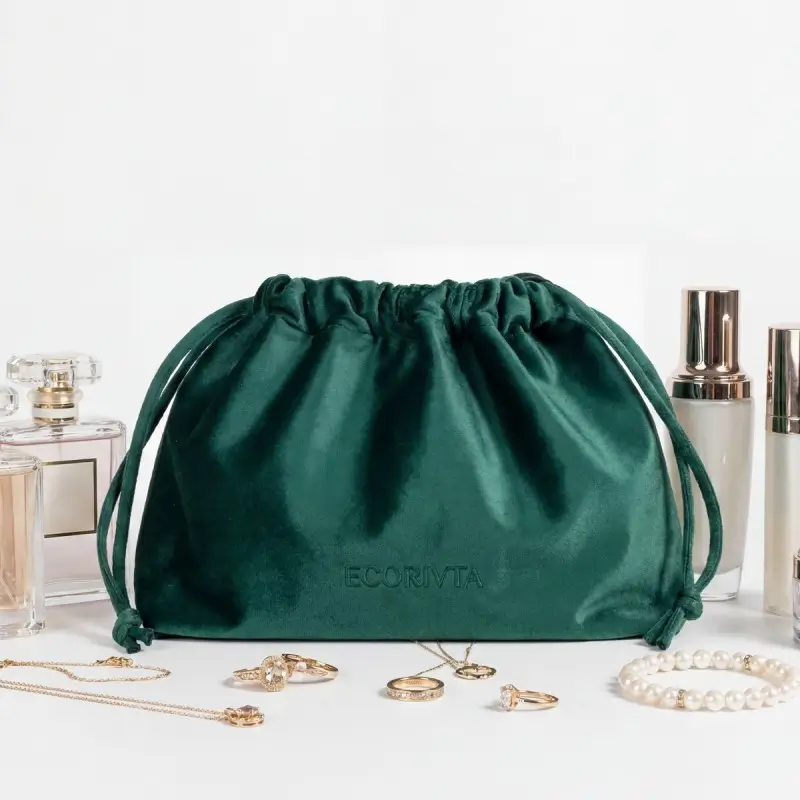
Drawstring thickness, cord color, ribbon feel and knot finish can change the perceived quality. Logo size also changes the result: a large print can look heavy on a small bag, while a subtle woven label may feel more premium for a beauty accessory set.
If recycled or environmental wording appears on the bag, card or campaign copy, keep the claim project-dependent and document-led. FTC Green Guides 1 are a useful boundary for broad environmental marketing claims. If the route uses recycled material, confirm the exact material and certificate scope instead of writing a blanket claim.
Material choice changes both feel and protection
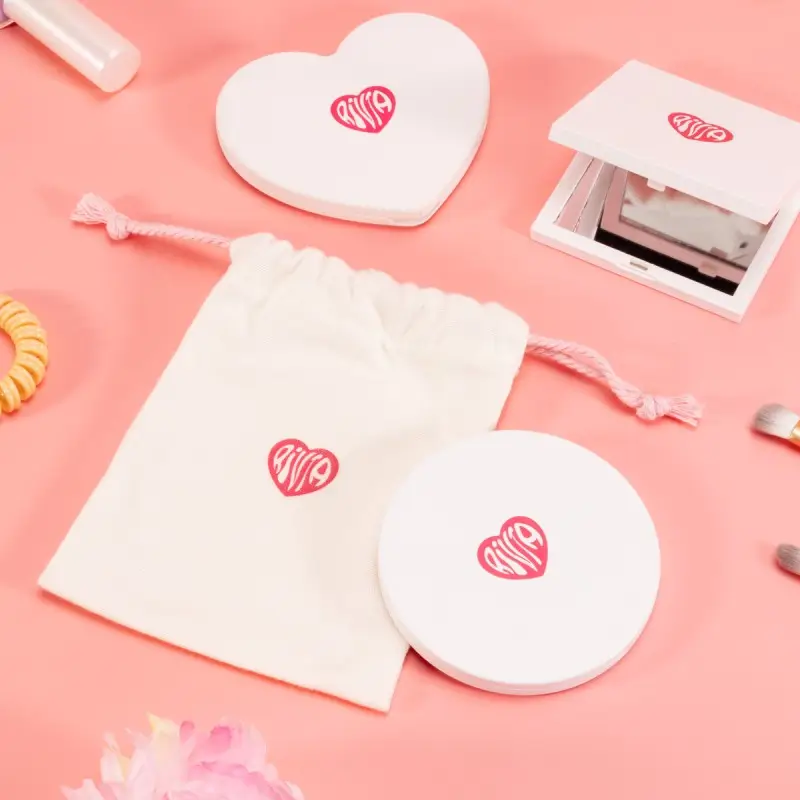
Recycled cotton, cotton canvas, RPET velvet, bamboo fiber and soft velvet routes can all work, but they solve different buyer problems. Cotton can feel simple and natural. Velvet can raise perceived value. Canvas can protect heavier items. Bamboo fiber or recycled routes need claim wording checked against the actual document route.
For textile contact and material-safety discussions, buyers often ask about project-dependent test support. OEKO-TEX STANDARD 100 2 is a recognized textile testing reference, but the final certificate scope must match the material and project.
The RFQ file should be short but specific
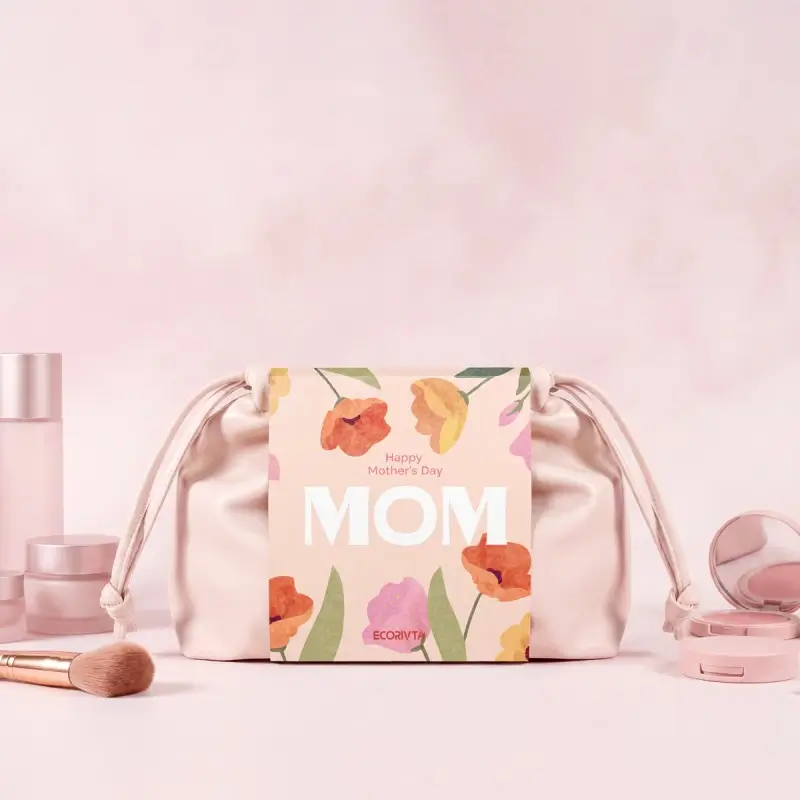
A clean RFQ file should include the product being packed, desired bag size, material route, closure type, logo method, logo size, quantity, color split, insert card or sleeve requirement, target market and launch window. If the bag is a free gift component, say that. If it is a sellable accessory pack, include barcode, label and retail-packing expectations early.
When recycled-content wording is requested, use a document-led route. The Textile Exchange Global Recycled Standard 3 is relevant background for recycled-content chain-of-custody discussions, but it should not be used as a blanket promise for every dust bag route.
Common details buyers forget until the second sample
Most dust bag delays are not caused by a complicated product. They come from small missing decisions. The buyer may send a bag size but not the item thickness. They may approve the logo artwork but not the logo position on a filled bag. They may request an eco route but not define whether the wording will appear on the bag, card, website or retailer file.
To keep the project moving, separate the decision into three simple approvals: product fit, visible branding and packing handoff. Product fit answers whether the item goes in and out smoothly. Visible branding answers whether the logo looks right after the bag is filled and closed. Packing handoff answers how the dust bag is folded, bagged, counted and identified for the buyer’s launch or warehouse team.
If the dust bag is used inside a larger Beauty GWP set, approve it together with the main accessory, box, pouch or card. A dust bag can look correct alone but feel too bulky, too plain or too soft when placed next to the rest of the set.
Send the dust bag brief before sample approval
Send the item to be packed, size target, material route, closure, logo file, packing route, quantity, target market and launch date. Ecorivta can help turn that into a dust bag sample route for Beauty GWP and accessory sets.
FAQ
How should a buyer choose dust bag size?
Choose size by testing the real accessory or a close mockup inside the bag, then confirm the filled look, drawstring closure and packing volume.
Which logo method works best for dust bags?
It depends on material and brand feel. Print, embroidery, woven label and small tag routes should be approved on the actual material sample.
Should a beauty GWP dust bag use cotton or velvet?
Cotton can feel clean and natural, while velvet can feel more premium. The best route depends on product value, target price, protection need and packing route.
What information should be sent for a dust bag RFQ?
Send product size, bag size target, material, closure, logo file, packing route, quantity, target market and launch window.
FTC Green Guides are cited as a conservative boundary for environmental wording and claim qualification. ↩︎
OEKO-TEX STANDARD 100 is cited as a recognized textile testing reference when buyers request project-dependent material support. ↩︎
Textile Exchange Global Recycled Standard is cited as background for recycled-content chain-of-custody discussions, not as a blanket promise for every route. ↩︎