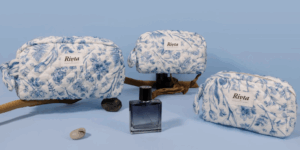
Choosing the right cosmetic bag supplier can make or break your brand. Inconsistent quality and missed deadlines don’t just cause frustration—they damage trust with your customers. The key is finding a partner you can rely on, time after time.
A strong long-term manufacturer should have solid quality control, clear communication, and flexible production capabilities. Look for one that offers deep customization [^1], transparent pricing, and a genuine commitment to ethical and sustainable practices. With these qualities, you’ll have a foundation for long-term growth.

Choosing a manufacturer is one of the most important decisions you will make for your brand. It goes far beyond just getting a product made. You are looking for a partner who understands your vision and can help you grow. I’ve learned from my years in this industry that the right partnership is built on trust, transparency, and a shared commitment to excellence. It’s about finding a team that is as invested in your success as you are. Let’s break down the key areas you need to examine to find that perfect fit for your business.
What Quality Standards and Certifications Should Every Cosmetic Bag Supplier Meet?
Are you worried about the product quality from a new supplier? Poorly made bags can quickly damage your brand’s reputation and lead to costly returns. Here is how you can verify their quality.
A trustworthy supplier should hold certifications like ISO 9001 for quality management systems. You should also ask for their internal quality control[^2] (QC) process, material testing[^3] reports, and proof of compliance with chemical safety regulations[^4] like REACH or California’s Proposition 65.
[^5] checklist](https://www.ecorivta.com/wp-content/uploads/2025/09/a-close-up-of-a-certification-document-and-a-quali-1.png)
Certifications are a great starting point, but you need to dig deeper. Think of them as proof that a factory has a system in place. However, the real quality comes from how they apply that system every single day. I always advise designers to ask about the specifics of the in-house QC process. A strong partner won’t hesitate to share this information.
Key Quality Benchmarks
A good manufacturer should be able to provide clear documentation. Here’s a quick guide to what you should ask for:
| Certification/Report | What It Means for You |
|---|---|
| ISO 9001 | They have a consistent quality management system. |
| REACH/Prop 65 | Materials are tested and safe from harmful chemicals. |
| Material Specs | Proof that the fabric and hardware meet your standards. |
| Internal QC Report | Shows their process for in-line and final inspections. |
Beyond the Certificates: The Day-to-Day Process
The best manufacturers have quality checks built into every stage of production. They inspect raw materials when they arrive. They check products on the assembly line. And they perform a final, detailed inspection before the goods are packed for shipping. In my experience, this constant attention to detail is what separates an average supplier from a great one. It prevents small mistakes from becoming big problems and ensures every bag that reaches your customer is perfect.
How Can You Balance MOQ, Lead Times, and Pricing for Cost and Reliability?
Are you trying to manage high MOQs and tight deadlines? It can feel impossible to find a supplier that fits your budget and schedule. I want to explain how to find that balance.
A good partner will offer flexible Minimum Order Quantities (MOQs), especially for new brands. They provide clear, realistic lead times[^6] for both samples and production and offer transparent pricing[^7] that breaks down costs.

Finding the right balance between cost and reliability is a common challenge, but it’s not impossible. It’s about clear communication and finding a manufacturer who is willing to work with you. In my work, I’ve seen that the best partnerships happen when suppliers act like advisors, helping brands navigate these logistical puzzles. They understand that your success is their success.
Understanding the MOQ Trade-Off
Minimum Order Quantity, or MOQ, directly impacts your unit price. A higher MOQ usually means a lower price per bag because the manufacturer can produce more efficiently. However, it also means a higher upfront investment for you. A great manufacturing partner understands this. They might offer a lower MOQ for your first order to help you test the market. Or, they might suggest strategies like producing a single bag style in multiple colors to meet the quantity threshold. The key is flexibility. A rigid supplier who only offers a one-size-fits-all solution is not a long-term partner.
Decoding Production Lead Times
Unpredictable lead times can ruin a product launch. A reliable manufacturer will give you a transparent production schedule. It’s important to understand what this timeline includes. Here is a typical breakdown:
- Material Sourcing: 1–3 weeks
- Pre-Production Sample (PPS): 1–2 weeks
- Mass Production: 4–6 weeks
- Quality Control & Packing: 1 week
This timeline helps you plan your marketing and sales efforts effectively. A good partner will also communicate immediately if any delays occur and work with you to find a solution.
What Customization and Private Label Options are Essential for Retail & Wholesale Brands?
Does your current supplier limit your creative vision? Generic, off-the-shelf bags will not make your brand stand out on crowded shelves. A great partner helps bring your unique designs to life.
Your manufacturer should provide extensive customization options for materials, colors, hardware, and unique branding applications[^8] like debossing. They must also have a smooth, collaborative private label[^9] process to ensure your brand identity is perfectly represented.
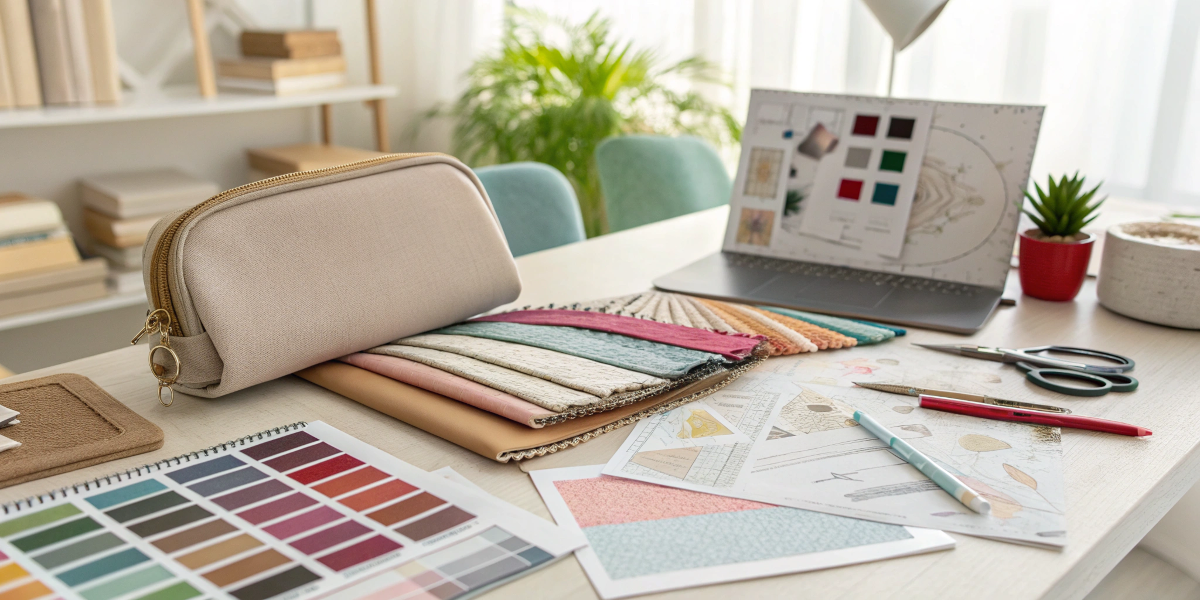
As a designer, this is where the magic happens. Your cosmetic bag is an extension of your brand’s story. It’s not just packaging; it’s a keepsake. I believe the design process should be a co-creation between you and the manufacturer. A good partner doesn’t just take your order; they provide feedback, suggest new materials, and collaborate to make your idea even better.
The Customization Checklist
A truly capable manufacturer can customize almost every element of a cosmetic bag. When I work with clients, we go through a detailed checklist to make sure nothing is missed. You should expect your supplier to offer options for:
- Materials: From rPET and organic cotton to high-quality vegan leather.
- Hardware: Custom zipper pulls, magnetic snaps, and buckles in various finishes.
- Branding: Screen printing, embroidery, embossing, debossing, and custom-woven labels.
- Construction: Unique shapes, interior pockets, and functional features.
- Color: Custom dyeing to match your brand’s exact Pantone colors.
Making Private Label Seamless
For private label[^9] brands, the process should feel effortless. A professional manufacturer will guide you through each step. It usually starts with a design consultation, where we discuss your vision. Next, they will create digital mock-ups and then physical pre-production samples for your approval. This sampling stage is critical. It’s your chance to touch and feel the product, test its function, and make any final adjustments. A committed partner will work with you on these samples until you are 100% satisfied.
Why are Sustainability and Ethical Manufacturing Crucial in Cosmetic Bag Production?
Today’s consumers are demanding sustainable products. Using a supplier with poor environmental or ethical standards puts your brand’s reputation at risk. Here’s how you can find a partner who aligns with your brand’s values.
Look for manufacturers with green certifications like the Global Recycled Standard (GRS) for materials and social compliance audits like BSCI or Sedex. These verify their commitment to sustainability and fair labor practices in their factories.
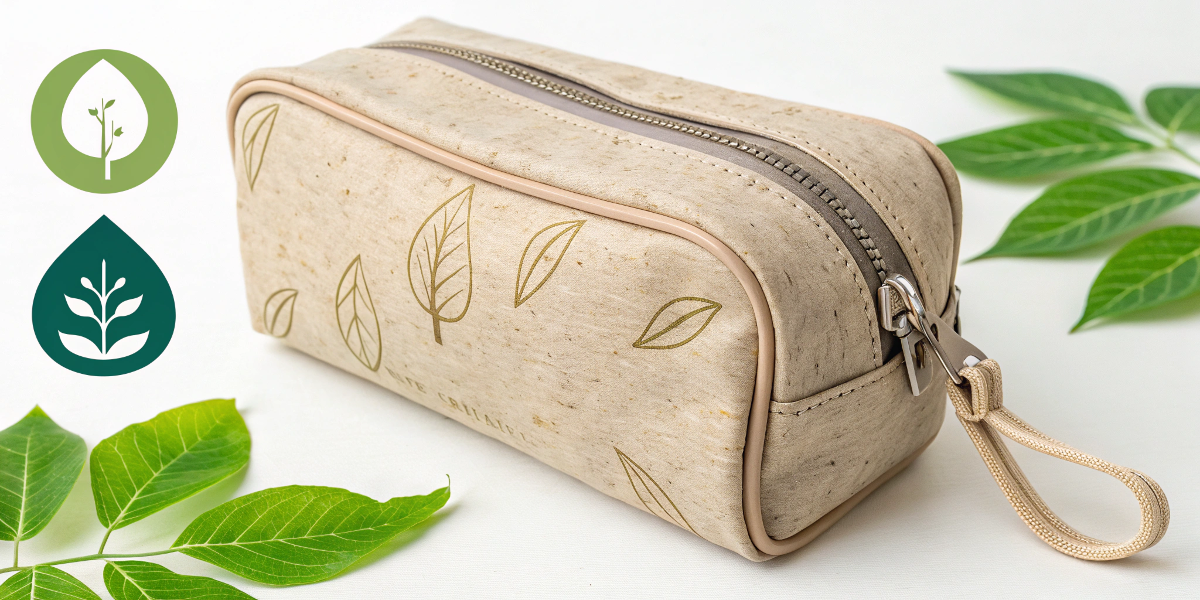
At Ecorivta, sustainable material selection is part of the sourcing brief, so each public claim must stay within the scope of its supporting document. Sustainability is no longer a niche interest; it’s a fundamental expectation, especially in the luxury market. Partnering with a manufacturer who shares these values isn’t just good for the planet—it’s good for business. It strengthens your brand story and builds trust with customers who are increasingly making purchasing decisions based on a brand’s principles.
Sustainable Material Choices
A forward-thinking manufacturer should be an expert in sustainable materials[^10]. They should be able to offer and explain the benefits of various eco-friendly options. For example, I often recommend rPET fabric, which is made from recycled plastic bottles, because it’s durable and keeps waste out of landfills. Other great choices include organic cotton, recycled canvas, and innovative materials like pineapple or cactus leather. A good partner will not only have these materials available but will also help you communicate their benefits to your customers on your hangtags or website.
Ethical Production: More Than a Buzzword
Beyond materials, ethical manufacturing[^11] is about people. Social compliance audits like BSCI and Sedex ensure that factory workers are treated fairly. These audits check for things like fair wages, safe working conditions, and a strict prohibition of child or forced labor. For any premium or luxury brand, this is non-negotiable. Aligning with an ethically certified manufacturer protects your brand from risk and shows your customers that you care about the entire supply chain. It’s about ensuring that the beauty of your product is reflected in the beauty of how it was made.
Conclusion
Finding the right manufacturer means building a long-term partnership. By focusing on quality, flexibility, customization, and shared values, you can set your brand up for lasting success and growth.
---

[^1]: Explore how customization can enhance your brand's uniqueness and appeal to your target market.
[^2]: Understanding quality control is essential for ensuring product consistency and reliability in your supply chain.
[^3]: Material testing is crucial for ensuring product safety and compliance with industry standards.
[^4]: Understanding chemical safety regulations is essential for protecting consumers and your brand.
[^5]: Quality inspection is key to maintaining product standards and customer satisfaction.
[^6]: Effective lead time management is crucial for timely product launches and customer satisfaction.
[^7]: Transparent pricing builds trust and helps you understand the true cost of production.
[^8]: Explore various branding applications that can enhance your product's marketability.
[^9]: Explore the concept of private label and how it can enhance your brand's market presence.
[^10]: Discover the advantages of using sustainable materials and how they can benefit your brand and the environment.
[^11]: Learn about the significance of ethical practices in manufacturing and how they impact brand reputation.