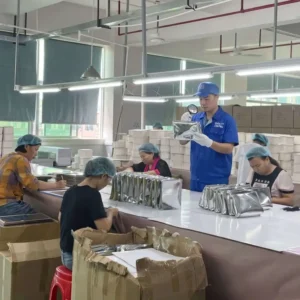
A beauty bag program becomes harder when color, size, logo, product fill, market version and packaging version are treated as one project. Multi-SKU production needs SKU-level control before bulk starts.
Buyer Summary
Multi-SKU beauty bag production should be planned with a SKU master sheet before sampling and bulk release. Each SKU needs clear fields for color, market, packaging version, material, logo, carton mark and quantity. Buyers should separate shared components from SKU-specific components early, because a correct bag can still become a failed shipment if the sleeve, barcode, carton mark or product-fill version is assigned to the wrong SKU.
| Best for | This guide is best for beauty brand teams, procurement buyers, operations managers and packaging owners ordering multiple cosmetic bag SKUs across colors, sizes, materials, product lines, countries, packaging versions or retailer programs. It fits buyers with MOQ 500+ or higher per meaningful production route, a real brand, a launch window, SKU-level artwork, product-fill information, packaging files and carton mark requirements. It is especially useful when several markets, product lines or gift sets share a visual campaign but still need separate production references, packing instructions and inspection identities. It also fits repeat programs where the buyer wants cleaner order files before scaling additional colors or markets. |
| Less suitable | This guide is less suitable for single-piece personal orders, no-brand marketplace sourcing, one-color programs with no version split, or buyers who do not have SKU codes, color references, packaging files, product-fill details or destination markets ready. It is also not a launch strategy, ERP setup manual or warehouse system guide. If the buyer only needs one simple pouch with one logo and one carton mark, a standard RFQ and sample approval checklist may be enough before using a full multi-SKU control workflow. |
| Ecorivta reality | Some customers have many product lines and place many SKUs at the same time. Some use different packaging versions for different countries. |
| Core boundary | This is SKU production planning. It is not a launch timeline, market strategy, pack-out checklist or packaging scope guide. |
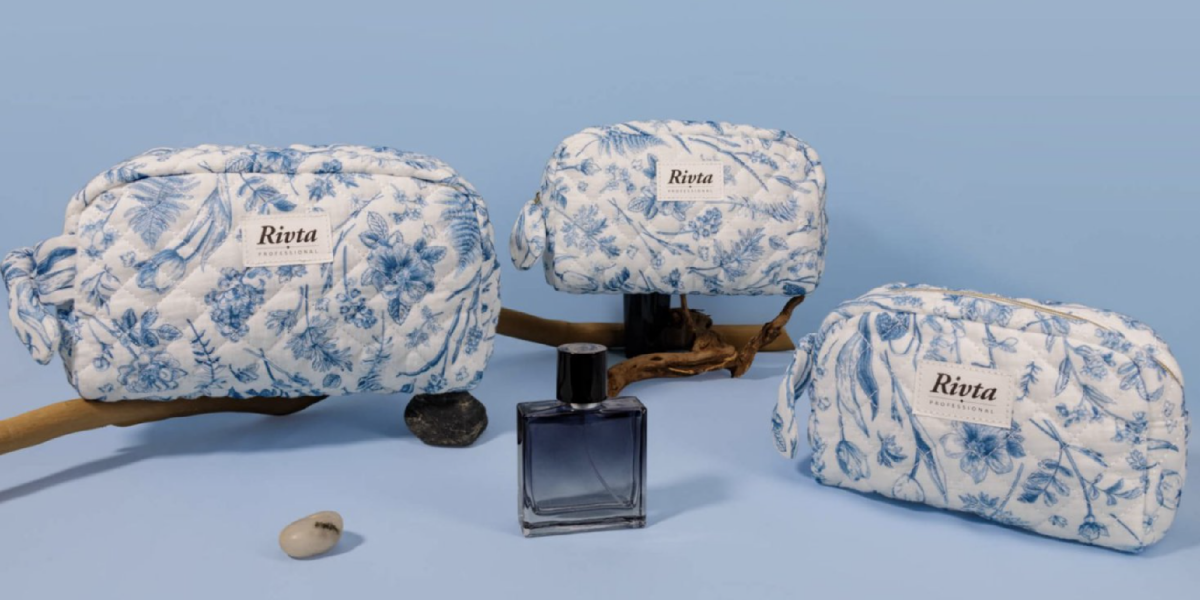
Why does a multi-SKU beauty bag program need a different plan?
A single-SKU cosmetic bag program can be controlled through one sample, one color, one logo, one packaging route and one carton mark. A multi-SKU beauty bag program needs more discipline because every variation can become a production variable. Color, size, logo, material, lining, product fill, sleeve, barcode, carton mark and country version may all change at the same time.
For Ecorivta, multi-SKU work is real. Some customers have a broad product line and place many SKUs together. Others use the same Beauty GWP concept across countries but change packaging language, label, carton mark or market version. The production question is not whether multi-SKU is possible. The question is whether each SKU has a clear file, approval reference and production instruction.
Multi-SKU control also needs a quality-management mindset. The goal is not simply to make more versions quickly. The goal is to keep approved files, visual standards, material references and carton information traceable so the factory can repeat the right version under production pressure. Systems such as ISO 9001 quality management [1] can support process discipline, but each project still needs SKU-level control.
| Working logic | SKU master sheet + color approval + packaging version + order file separation = controllable multi-SKU production. |
How is this different from launch timeline and packaging guides?
This article focuses on how multiple SKUs are split, quoted, sampled and controlled inside one production program. It differs from a launch timeline guide, which explains when approvals happen. It differs from a launch-market guide, which treats market and channel as business strategy. It differs from a packing checklist, which explains how one approved kit is packed.
| Related guide | Best used for | This guide answers |
|---|---|---|
| Beauty GWP launch timeline | Approval gates and delivery timing. | SKU split and version control inside the program. |
| Launch-market planning | Market and channel decisions. | Country version as a production variable. |
| Launch kit packing checklist | Pack-out order and packing evidence. | SKU control before packing begins. |
| Packaging scope guide | Which packaging components are included. | Which packaging version belongs to each SKU. |
SKU matrix: what each version should show
| SKU matrix field | What to record | Why it matters |
|---|---|---|
| Color | Pantone, material roll, color card, photo standard and color placement. | Prevents reversed colors, wrong contrast and batch confusion. |
| Market | Country, retailer, distributor, language and receiving requirement. | Keeps labels, carton marks and packaging versions tied to destination. |
| Packaging version | Insert card, sleeve, sticker, barcode, QR code and language file. | Prevents a correct bag from being packed with the wrong market material. |
| Material | Outer material, lining, trim, zipper route and approved swatch. | Separates shared construction from material-specific approval. |
| Logo | Artwork file, logo color, method, size and placement for each SKU. | Prevents wrong logo contrast or old artwork entering bulk. |
| Carton mark | PO, SKU, destination, quantity per carton, gross weight and handling mark. | Protects warehouse receipt and shipment identity. |
| Quantity | Total quantity, quantity by SKU and any market split. | Shows whether the program is efficient or split into many small runs. |
Which variables can create a separate SKU?
Beauty buyers often think of SKU as a sales or warehouse label. For production, SKU means a distinct set of instructions. If two bags use different colors, logo colors, sizes, product fills, sleeves or carton marks, they may need separate production control even when the base design looks similar.
| Variable | Can create new SKU? | Production risk | Control method |
|---|---|---|---|
| Bag color | Usually yes | Color reversed, wrong batch or poor logo contrast. | Color card, material roll approval and standard photo. |
| Size | Yes | Wrong product fit or carton quantity. | Product fill and size reference. |
| Logo color / method | Often yes | Artwork used on wrong bag color. | Logo proof and SKU-level artwork file. |
| Packaging version | Yes | Wrong sleeve, label or language version. | Packaging proof per SKU. |
| Market or country | Often yes | Wrong carton mark or label language. | Destination and carton mark field. |
| Product fill | Often yes | Same bag cannot fit different products. | SKU-specific product dimensions. |
 |
 |
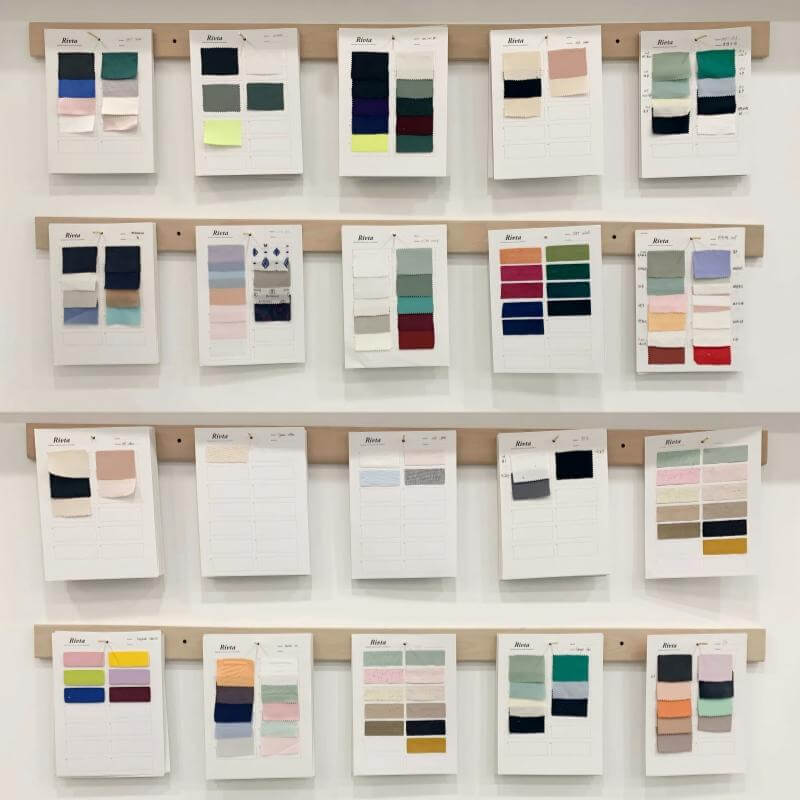
| Color and material control
Multi-SKU work starts when one program contains several colors, styles or versions. |
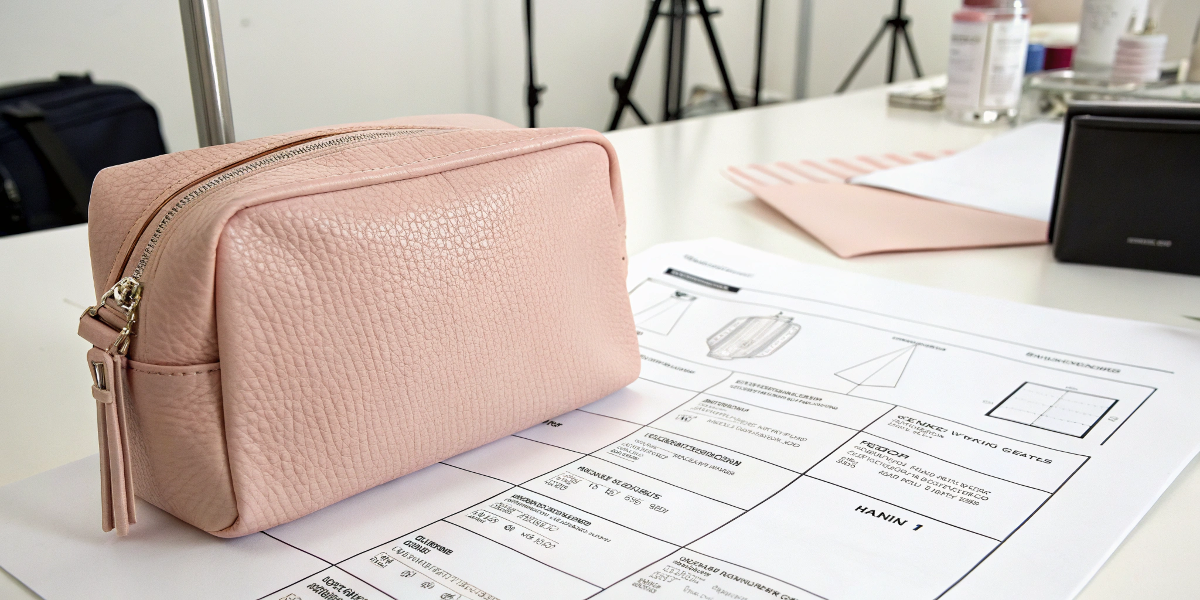
Approval reference
Every SKU needs a visual or document reference, even when it does not need a full prototype. |
What should be in the SKU master sheet?
The SKU master sheet is the control center. It should show whether a change is a new SKU, a design note, a packaging note or a carton mark note. Without it, the factory may know that there are several versions but not know which artwork, color, sleeve or carton mark belongs to which version.
Barcode and retail identification fields should not be left outside the SKU master sheet when the program goes to retailers, distributors or multiple markets. The supplier can apply labels and carton marks, but the buyer usually controls barcode data, SKU naming and receiving requirements. Those fields need to be linked to the correct SKU before labels are printed, especially when GS1 barcode standards [3] or retailer receiving rules apply.
| Field | Why it matters | Example |
|---|---|---|
| SKU code | Creates one reference for order, sample, label and carton. | SKIN-PCH-GRN-US. |
| Bag style / size | Separates structure and product-fit needs. | Small pouch, vanity case, clear pouch. |
| Color and material | Controls batch and material approval. | Green rPET, beige cotton, clear TPU. |
| Logo file | Prevents wrong artwork on wrong color. | White screen print, tonal patch. |
| Packaging version | Connects sleeve, card, label and barcode to the right SKU. | US sleeve, EU sleeve, travel set label. |
| Carton mark | Controls receiving and shipment separation. | PO, SKU, destination, quantity per carton. |
| Approval reference | Shows what sample, photo or video is standard. | Standard photo set and approved video. |
Why are color and packaging version the highest-risk areas?
In multi-SKU production, color needs special attention. Ecorivta has experienced a case where customer colors were made in reverse. That is exactly the kind of mistake a multi-SKU control system must prevent. When two similar colors, reversed color positions or multiple bag-and-logo combinations are in one program, every SKU needs a clear visual reference.
Packaging version is another high-risk area. A buyer may have one bag shape but different country packaging, sleeve language, barcode, carton mark or insert card. If those versions are not separated, the bag can be correct and the packaging can still be wrong. Color and packaging version should be treated as production variables, not late administrative notes.
Material and color assurance should be handled through approved references, not only digital mockups. Different rolls, dye lots or finishing steps can create visible variation. If a buyer needs textile-related assurance or component-level safety documentation, that requirement should be stated before material approval rather than after the SKUs are already cut. Standards such as OEKO-TEX STANDARD 100 [5] are useful only when their scope matches the actual component and route being claimed.
| Risk | Why it happens | Control action |
|---|---|---|
| Color reversed | Two color positions are similar or instructions are read too quickly. | Standard photo and marked color placement per SKU. |
| Batch color drift | Different material rolls or dye lots behave differently. | Material roll confirmation and color-card check. |
| Wrong logo contrast | One logo color is applied across several bag colors. | Logo proof on each color route. |
| Wrong sleeve version | Country or language versions are packed together. | Packaging version code and separated order file. |
| Wrong carton mark | SKU and destination are not tied to carton file. | Carton mark proof per SKU. |
How should Ecorivta separate order files internally?
Ecorivta’s practical control method is simple and important: one order has one file, and order information, standard-version images, videos and documents are kept separately. This matters because multi-SKU programs are not controlled only by a conversation. They need a stable reference package that production, QC and packing teams can use without guessing.
A standard photo can show color placement, logo position and packaging version. A video can record sample behavior or packing detail. Documents can hold order quantity, carton marks, barcode data and buyer approvals. When these references are separated by order and SKU, the risk of mixing versions is lower.
| File type | What it controls | Why separate it |
|---|---|---|
| Order file | Quantity, SKU code, destination and commercial note. | Prevents one SKU instruction from being applied to another. |
| Standard photo | Color, logo, placement and finished look. | Fast visual check for production and QC. |
| Video | Sample handling, opening, packing or product-fit detail. | Clarifies details that photos may not show. |
| Artwork / packaging file | Logo, sleeve, sticker, card and label version. | Prevents old artwork from entering bulk. |
| Carton mark file | SKU, PO, quantity and destination. | Keeps warehouse information tied to the right SKU. |
 |
| SKU identity during inspection
Final inspection should check SKU identity, not only workmanship. |
How should shared and separate components be planned?
The fewer shared components a multi-SKU program has, the more it behaves like several separate projects. A program may share one base structure and zipper but use different colors, sleeves and carton marks. Another program may share packaging but use different bag sizes. The buyer and supplier should define what is shared before quoting and sampling.
Paper packaging needs the same logic. One insert card or sleeve can sometimes serve several SKUs, but country language, environmental wording, QR destination or barcode position may split the packaging into separate versions. If FSC or paper-label wording is used, the claim should stay connected to the paper component and the approved artwork version. FSC on-product label guidance [6] can help buyers keep paper claims connected to the relevant paper component.
| Component | Can often be shared | May need SKU separation |
|---|---|---|
| Base structure | Same size and pattern across colors. | Different product fill or gusset depth. |
| Material | Same material type across SKUs. | Different color, finish, dye lot or coating. |
| Logo method | Same print or patch process. | Different logo color or placement. |
| Paper packaging | Same card or sleeve size. | Different language, claim or barcode. |
| Carton | Same carton size for same unit count. | Different SKU label, market or quantity. |
Shared component vs SKU-specific component planning
| Component type | Can be shared when | Must be SKU-specific when | Approval reference |
|---|---|---|---|
| Base bag structure | All SKUs use the same size, opening, gusset and sewing route. | Product fill, size, pocket, handle or structure changes by SKU. | Master sample plus SKU notes. |
| Material and color | Same material, color and finish apply across the program. | Colors, dye lots, finishes, lining or trim differ by SKU. | Material swatch, color card and standard photo. |
| Logo and branding | Same logo method, size, color and placement apply across SKUs. | Logo contrast, placement, language, brand line or artwork version changes. | Logo proof per affected SKU. |
| Packaging | Same sleeve, insert, sticker and barcode are used for all versions. | Market language, barcode, QR code, claim wording or retailer file changes. | Packaging proof per version. |
| Carton and shipment identity | Same PO, market, quantity and carton identity apply. | Destination, SKU, item number, quantity per carton or handling mark changes. | Carton mark proof per SKU. |
How should MOQ and cost be discussed across SKUs?
Multi-SKU quantity is not always the same as total quantity. A 3,000-piece program split into six SKUs behaves differently from one 3,000-piece SKU. Color, material, logo method, packaging version and carton label may each create setup work. This does not mean multi-SKU is a bad idea. It means the buyer should know which parts are shared and which parts are priced by SKU.
| Quantity split | Production meaning | Buyer risk |
|---|---|---|
| One SKU, 3,000 pcs | Most efficient production route. | Less version flexibility. |
| Three colors, 1,000 pcs each | Color control and material planning increase. | Each color needs its own approval reference. |
| Six SKUs, 500 pcs each | More setup, labeling and file control. | Total quantity looks strong but each SKU is small. |
| Country versions | Packaging and carton mark split. | Wrong version can ship to wrong market. |
| Different product fill | Fit and packing may change by SKU. | One sample cannot represent all versions. |
How should carton marks and shipment identity stay SKU-specific?
Carton marks are part of SKU control. If two SKUs share a carton size but go to different countries, retailers or product lines, the outer carton still needs the correct identification. PO number, SKU, item number, quantity per carton, destination, gross weight, net weight and handling marks should be tied to the SKU master sheet.
Handling symbols and carton information should be used consistently instead of created casually at the last minute. When the buyer requires specific shipment or handling marks, those fields should be confirmed before bulk packing. For programs with multiple SKUs, carton identity is one of the last places where a correct product can become a wrong shipment. ISO 780 packaging handling symbols [4] can support consistent handling-mark expectations.
| Carton field | SKU control purpose | Risk if skipped |
|---|---|---|
| SKU / item number | Identifies the correct version. | Warehouse receives the wrong SKU. |
| Destination market | Separates country or retailer version. | Correct bag ships with wrong market label. |
| Quantity per carton | Supports counting and inventory receipt. | Shortage or overage appears during receiving. |
| Handling mark | Shows carton handling expectation. | Fragile packaging or display components are mishandled. |
| Carton mark proof | Locks final shipment identity. | Late correction delays release. |
What approval references does every SKU need?
Not every SKU needs a full prototype, but every SKU needs an approval reference. The reference may be a master sample, color swatch, logo strike-off, material roll photo, packed sample photo, packaging proof or carton mark proof. Without SKU-specific reference, the production team cannot reliably judge whether a version is correct.
| Reference | Best use | SKU risk controlled |
|---|---|---|
| Master sample | Main structure and workmanship. | Wrong shape or construction. |
| Color swatch / color card | Color and material route. | Color reversal or batch mismatch. |
| Logo proof | Print, embroidery, patch or puller. | Wrong artwork or logo contrast. |
| Packaging proof | Sleeve, label, insert card or sticker. | Wrong language, barcode or market version. |
| Carton mark proof | Outer carton identity. | Wrong SKU or destination on carton. |
How should inspection work when several SKUs are produced together?
Inspection should check both workmanship and SKU identity. A bag can pass stitching, zipper and logo checks but still fail the program if it carries the wrong sleeve, wrong barcode, wrong carton mark or wrong color placement. The approved SKU reference should be available during inspection so the team can compare the goods against the correct version.
For larger programs, buyers may define sampling or inspection criteria. That decision should sit on top of the SKU master sheet, not replace it. Sampling procedures help decide how goods are checked, while SKU references tell the inspector what the correct version should look like. ISO 2859-1 sampling procedures [2] can support inspection planning when paired with clear SKU references. If the program includes display packaging or shipping protection, carton or transport-related checks may also need to be included using defined buyer requirements such as ISTA test procedures [7].
| Inspection point | SKU-specific check | Example failure |
|---|---|---|
| Color | Compare with SKU color card or standard photo. | Two colors reversed across versions. |
| Logo | Check artwork and placement by SKU. | Correct logo applied to wrong color. |
| Packaging | Check sleeve, label and insert version. | EU insert packed with US SKU. |
| Carton | Check carton mark against SKU sheet. | Carton shows wrong destination or quantity. |
| File reference | Use order file, standard photo and video if needed. | Inspector uses old approval version. |
What does a composite multi-SKU case teach?
A beauty brand ordered one cosmetic pouch program for several product lines. The styles looked related, but each SKU had a different color, logo placement and packaging version. One country version also needed a different sleeve and carton mark. At first, the buyer treated the program as one order because the base bag shape was similar. The risk was not whether the factory could make the bags. The risk was whether each color, market file and packaging version would stay matched to the correct SKU during material approval, packing and shipment.
Ecorivta separated the order into SKU files before bulk planning moved too far. Each file included order information, color reference, material note, standard photo, video reference where needed, artwork, packaging proof and carton mark documents. Color placement was checked against the standard photo before cutting, and packaging files were kept separate by SKU. Shared components were marked clearly, while SKU-specific components such as sleeves, barcodes and carton marks were locked per version.
The buyer also learned that total order quantity was not enough for production planning. Six SKUs with small runs each needed more control than one large SKU, even when the combined quantity looked strong. The key lesson is that multi-SKU control is not about making the system complicated. It is about preventing one correct component from being attached to the wrong SKU.
Anonymous feedback from brand buyers
Names are withheld because these points summarize recurring multi-SKU planning concerns Ecorivta hears from beauty brand, operations, packaging and procurement-side conversations.
| Buyer role | Feedback | Practical lesson |
|---|---|---|
| Beauty operations manager, name withheld | “The bag was correct, but the first packing plan mixed market sleeves too easily.” | Treat packaging version as a SKU variable, not a late packing note. |
| Brand packaging lead, name withheld | “We needed one sheet that connected color, barcode, insert card and carton mark.” | Build the SKU master sheet before artwork and carton files are printed. |
| Procurement buyer, name withheld | “The total quantity sounded efficient, but each color split still needed its own approval.” | Discuss MOQ and setup by SKU, not only by total program quantity. |
What can Ecorivta deliver for multi-SKU beauty bag programs?
Ecorivta is a better fit for buyers who can define SKU-level differences before production. For these projects, Ecorivta can help translate many colors, product lines, market versions and packaging files into controllable supplier order files.
| Buyer input | Ecorivta output |
|---|---|
| SKU list, colors, materials, sizes and quantities. | SKU master sheet and production-variable review. |
| Artwork, logo methods and packaging versions. | SKU-level artwork and packaging reference separation. |
| Product fill by SKU. | Fit-risk review and sample reference plan. |
| Carton marks, barcode fields and destination markets. | SKU-specific shipment identity checklist. |
Which related Ecorivta guide should buyers read next?
 Development route Use when deciding whether the program should adapt existing style, go semi-custom or move to full OEM. |
 Launch timing Use when approval gates and delivery timing must be planned after SKU scope is clear. |
 Pack-out control Use when approved SKUs need bag, card, sleeve and carton packing sequence. |
 Packaging scope Use when sleeve, label, display or carton requirements must be separated before quote. |
 Inspection route Use when defect class, sampling and SKU-level QC references need alignment. |
 Supplier review Send SKU list, colors, product fill, packaging versions and carton marks for supplier review. |
Copy-ready multi-SKU beauty bag production brief
- Program name: campaign, product line or market program name.
- SKU list: SKU code, bag style, size, color, material and quantity for each SKU.
- Color references: Pantone, color card, material swatch, standard photo or color placement note.
- Logo references: artwork file, logo color, logo method and placement for each SKU.
- Packaging versions: insert card, sleeve, sticker, barcode, language version and market label per SKU.
- Product fill: product dimensions and fill layout when each SKU packs different products.
- Carton marks: PO, SKU, destination, quantity per carton and handling mark per SKU.
- Approval references: master sample, standard photos, video, material roll approval and packaging proof.
- Order file rule: confirm whether each SKU or order has separated files for documents, photos and videos.
Need help planning a multi-SKU beauty bag program?
Send your SKU list, colors, packaging versions, product fill and carton mark requirements. Ecorivta can help separate the program into supplier-ready order files before bulk production.
Trademark Notice
Brand, barcode, quality, packaging and standard references in this guide belong to their respective owners. References are used only to explain supplier-side production planning for Beauty GWP bag programs. This guide is not legal, retail system or compliance advice.
About the author
Lina Lv is Brand & Product Specialist at Ecorivta, working with beauty brands, importers and sourcing teams on custom cosmetic bags, clear pouches and sewn beauty accessories. Her project work focuses on translating buyer briefs into sample development, material confirmation, logo approval, packing scope, QC evidence and shipment handoff. Ecorivta is operated by Rivta Culture Equipment and backed by a Dongguan factory group with long-term experience in sewn bags and accessories.
FAQ
What is multi-SKU production planning for beauty bag programs?
It is the process of separating colors, sizes, logo routes, packaging versions, product fills, carton marks and approval references so each SKU can be produced and inspected correctly.
Does every color need a separate SKU?
Usually yes for production control, especially when color affects material approval, logo contrast, packaging version, carton mark or product allocation.
Can one master sample represent all SKUs?
One master sample can represent shared construction, but each SKU still needs its own approval reference for color, logo, packaging version and carton identity.
Why are carton marks part of SKU control?
Carton marks connect finished goods to SKU, PO, destination, quantity and receiving requirements. A correct bag can still become a wrong shipment if the carton mark is wrong.
How should inspection handle several SKUs produced together?
Inspection should check workmanship and SKU identity together, using the SKU master sheet, color references, packaging proofs and carton mark proofs as the comparison standard.
Sources
- International Organization for Standardization, ISO 9001 quality management. Source ↩
- International Organization for Standardization, ISO 2859-1 sampling procedures. Source ↩
- GS1, barcode standards overview. Source ↩
- International Organization for Standardization, ISO 780 packaging handling symbols. Source ↩
- OEKO-TEX, STANDARD 100. Source ↩
- Forest Stewardship Council US, FSC on-product labels. Source ↩
- International Safe Transit Association, test procedures. Source ↩