A makeup bag trend is useful only when it becomes a buyer decision framework. Beauty GWP buyers should turn inspiration into campaign fit, product fill, material route, size, logo, packing, sample approval and RFQ handoff before asking suppliers for a quote.

TL;DR: Do not send a supplier a mood board and ask for a trend sample. Convert the idea into a buyer decision guide: campaign situation, product fill, format, material, logo method, packing scope, claim boundary, MOQ, sample timing and approval evidence.
Best fit
This guide is best for beauty founders, brand teams, private-label buyers and sourcing managers who have trend references but need to decide whether those ideas can become a practical Beauty GWP makeup bag program. It fits skincare, makeup, fragrance, wellness, haircare and loyalty campaigns where the team must connect visual direction with product fill, material, size, logo, packing, sample approval and RFQ handoff. It is especially useful when marketing likes several ideas, but procurement needs to know which route can be sampled within the launch calendar. The guide helps buyers move from inspiration to supplier-ready fields without losing the campaign intent.
Less suitable fit
This guide is less suitable for teams that only want a mood-board article, one-off personal pouches, generic marketplace resale, or projects with no product fill, target quantity, launch timing or approval owner. It is also not the right place to solve full compliance review, freight planning or supplier audit questions. If the buyer has not decided whether the GWP should be a cosmetic bag, clear pouch, tote, toiletry bag or accessory, start with a broader route page before turning trend ideas into RFQ fields.
Which campaign situation is this idea suitable for?
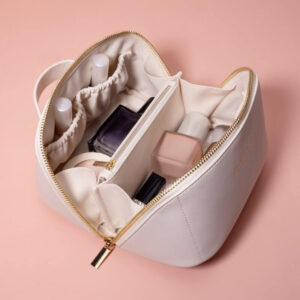
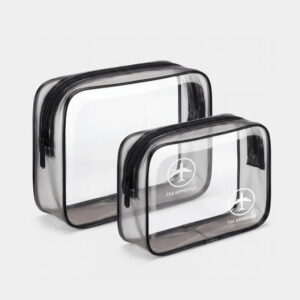
The best trend idea depends on the campaign situation. A soft pouch can fit a skincare discovery set, while a clear bag may fit travel retail visibility, and a structured vanity case may fit premium loyalty. The buyer should connect each idea to use case and RFQ detail before sampling.
| Idea | use case | material or packing decision | RFQ detail |
|---|---|---|---|
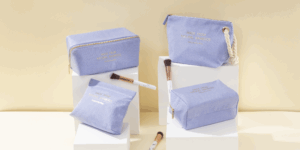
| Soft premium pouch | Skincare trial set or loyalty gift | Coated fabric, lining, zipper and sleeve | Product fill, handfeel target, logo method and packed photo |
| Clear makeup bag | Travel retail, discovery kit or visible product set | TPU, EVA or PVC route, warning language and carton protection | Thickness, clarity, odor check, market wording and sample timing |
| Quilted or padded bag | Holiday, fragrance or higher-value set | Padding, stitching, zipper curve and carton pressure | Stitch pattern, fill test, packed-sample approval and carton method |
| Natural texture pouch | Wellness, spa or clean beauty positioning | Canvas, cotton blend, paper tag or sleeve | Material weight, claim boundary, logo route and packaging evidence |
| Logo-detail bag | Makeup launch or influencer kit | Puller, patch, label, embroidery or embossing | Artwork size, placement, trim sample and approval photos |
How should buyers turn trends into RFQ fields?
Trends become useful when each visual idea is translated into a supplier action. A supplier cannot quote “soft premium” accurately without material route, product fill, logo method and packing expectations. The buyer should write fields that the supplier can answer with options, MOQ, sample timing and risk notes.
| Buyer decision | Supplier should answer | Why it matters |
|---|---|---|
| Campaign role | Which format supports the product set and gift value | Prevents a trendy idea from missing the use case |
| Product fill | Size, gusset, zipper opening and structure recommendation | Protects product fit and packed appearance |
| Material route | Available stock, custom option, MOQ and document scope | Shows whether the trend can be sampled on time |
| Logo method | Best method for the surface and artwork | Prevents weak contrast, peeling or misplaced branding |
| Packing scope | Insert card, sleeve, hangtag, barcode, carton and sample proof | Makes gift-ready costs visible before quote approval |
| Approval evidence | Photos, videos, swatches, QC notes and packed sample | Keeps the trend tied to a repeatable production standard |
Sibling Diff: where this guide fits in the trend cluster
| Nearby page | Use that page for | Use this page for |
|---|---|---|
| Beauty GWP Solutions | Overall campaign route and product role | Turning trend ideas into buyer decisions |
| Cosmetic Bags | Product format and bag family options | Converting a chosen format into RFQ details |
| Contact Ecorivta | Supplier review once the brief is ready | Sending product fill, trend references and launch timing |
Composite case: when a trend board became a supplier-ready brief
A makeup launch team prepared a Beauty GWP pouch around a “soft premium” trend. The first file showed muted color, quilted texture, a metal-look puller and a clean insert card. It looked attractive, but it did not include product fill, target quantity, logo method, packing scope or launch date. One supplier could quote a simple pouch, another could quote a padded style, and a third could interpret the trend as a structured vanity case.
Ecorivta helped the buyer turn the idea into decision fields. The team listed three products, pouch dimensions, zipper opening, preferred fabric handfeel, logo position, sleeve need, sample deadline and quantity band. The material shortlist narrowed to one available coated textile and one padded route for comparison. The buyer also separated the insert card from the base bag cost so the gift presentation could be reviewed without hiding packaging assumptions.
The final RFQ did not say “make it trendy.” It asked suppliers to quote two routes with the same product fill, logo, packing and approval evidence. That made the first sample round more useful. The buyer kept the creative direction, while procurement gained a comparison sheet that connected trend, cost, timing and sample risk.
The same brief also helped the team explain the decision internally because each trend reference had a sourcing reason, a packing note and a sample approval checkpoint instead of only a visual label.
Anonymous buyer feedback
| Buyer context | What they changed | Result |
|---|---|---|
| Makeup launch team | Added product fill and logo method before sending trend references | Supplier replies became easier to compare |
| Skincare GWP buyer | Separated material route from packaging route | The team could test handfeel and insert card decisions independently |
| Fragrance loyalty planner | Added sample deadline and packed-photo requirement | The trend brief became realistic for the launch calendar |
What should buyers send to Ecorivta?
Send campaign type, product fill, item dimensions, trend references, preferred format, material direction, logo artwork, logo method, packing scope, claim wording if any, target quantity, destination market, sample deadline, launch date and internal approval concerns.
Who We Don’t Take On
Ecorivta is not the right fit for projects that ask for a trendy look without product fill, quantity band, material direction, logo method, packing scope or launch timing. We also do not support public case copy using unauthorized brand names, retailer names or client logos. A trend brief should become a supplier-ready buyer decision file, not a vague request for inspiration.
About the author
Lina Lv is a Brand & Product Specialist at Ecorivta. She works with beauty and wellness buyers on GWP trend briefs, cosmetic bag route selection, material decisions, sample approval, packing evidence and supplier-ready RFQ files.
Trademark and certification notice
Third-party marks, retailer names, certification names and testing references belong to their respective owners. Ecorivta uses them only to describe buyer-side approval context, documentation scope or sourcing questions. Any claim, certification or audit statement should be checked against the applicable document holder, product component, supplier scope and destination-market wording before final artwork or retail copy is approved.
FAQ: Makeup bag trend briefs
How early should a Beauty GWP team send a trend brief?
Send it as soon as product fill, quantity range, route direction and launch date are known. Early supplier review is most useful before artwork, claim wording and packaging are locked.
Can a supplier quote more than one material route?
Yes. Ask for one available route for timing and one stronger visual route if the campaign can support extra sample review.
Should claim wording be included in the first RFQ?
Yes, but label it as draft wording. The supplier should confirm which component can support the wording and what evidence scope applies.
What should buyers send first?
Send product fill, trend references, format direction, material preference, logo method, packing idea, quantity range and launch date.
When should buyers contact Ecorivta?
Contact Ecorivta when the team has inspiration but needs to turn it into sample-ready supplier fields.