Having trouble finding a manufacturing partner who truly understands your vision? It can be discouraging when samples fall short and progress slows. What you need is a dependable partner who can turn your designs into reality.
To find the perfect manufacturer, you must evaluate them on more than just price. Look closely at their experience with luxury goods, sustainable material sourcing, quality control certifications, production capacity, and how well they communicate. This ensures they can meet your brand’s high standards.

Finding the right partner is probably the most critical step in launching a successful private label product line. I’ve learned this over years of working on luxury beauty projects. A great manufacturer acts as an extension of your team, while a poor one can cause endless headaches, delays, and budget overruns. The search can feel overwhelming, but if you break it down into a clear, methodical process, you can confidently find a partner who will help you create beautiful, high-quality makeup bags that your customers will love. Let’s walk through the steps I always take to ensure a project’s success from the very beginning.
Essential Criteria to Evaluate When Choosing a Makeup Bag Manufacturer?
You’ve found a few potential manufacturers. But how do you know if they can actually deliver the quality your luxury brand requires? You worry about making the wrong choice.
Your evaluation must be thorough. Key criteria include their material sourcing practices, especially for sustainable options, their quality control systems, their certified production capacity, and past experience with brands similar to yours. These factors determine if they are a true partner or a potential risk.
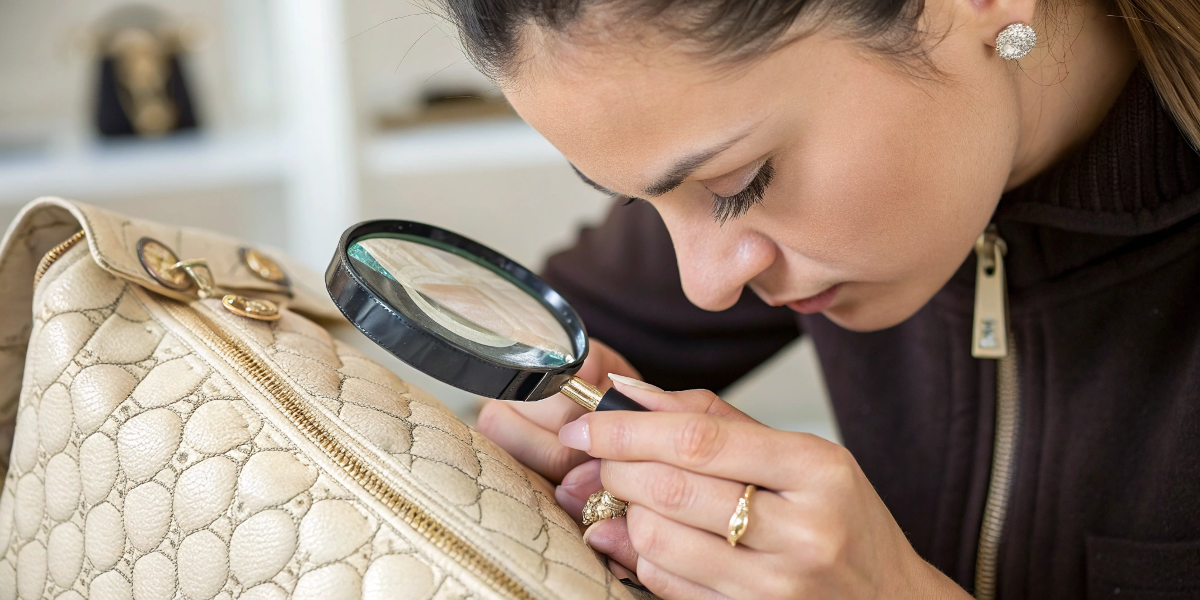
When I’m vetting a new manufacturer, I move past the sales pitch and dive deep into their actual operations. It’s not just about what they say they can do; it’s about finding proof. For me, this process is about de-risking the project and ensuring the final product lives up to the brand’s promise. I organize my evaluation around a few core pillars that have never let me down.
Sourcing and Sustainability Credentials
For luxury and sustainable design, this is my starting point. I ask for their portfolio of sustainable materials. I don’t just take their word for it; I ask for certifications.
| Material | Key Certification | What It Verifies |
|---|---|---|
| Recycled Content | Global Recycled Standard (GRS) | Traces and verifies recycled content, plus social and environmental practices. |
| Organic Fibers | Global Organic Textile Standard (GOTS) | Ensures the organic status of textiles, from harvesting to labeling. |
| Forest-Based Materials | Forest Stewardship Council (FSC) | Confirms that materials come from responsibly managed forests. |
If a manufacturer can’t provide these, it’s a major red flag.
Quality Control and Manufacturing Excellence
A beautiful design means nothing if the execution is flawed. I always ask about their quality control process. Do they have an in-house QC team? What are their Acceptable Quality Limits (AQL)? I also inquire about ISO 9001 certification, which indicates a formal quality management system is in place. On one project, a supplier’s poor stitching caused a whole batch to be rejected. Now, I ask for sample seams and hardware before even committing to a full prototype.
Portfolio and Relevant Experience
Finally, I look at who they’ve worked with before. I ask to see examples of bags they’ve produced for other luxury or beauty brands. This shows me they understand the level of detail required—the perfect zipper pull, the precise foil stamp, the feel of the fabric. If their portfolio is full of low-cost promotional items, they probably aren’t the right fit for a high-end skincare or fragrance brand, no matter how low their price is.
Where and How to Search for Reliable Private Label Bag Suppliers?
You need to find a supplier, but searching online feels like a gamble. You’re drowning in options, and you’re worried about scams or unreliable factories who will disappear after you pay.
Start your search on trusted B2B platforms like Alibaba, but don’t stop there. Attend major industry trade shows to meet suppliers in person. Most importantly, tap into your professional network for trusted referrals.
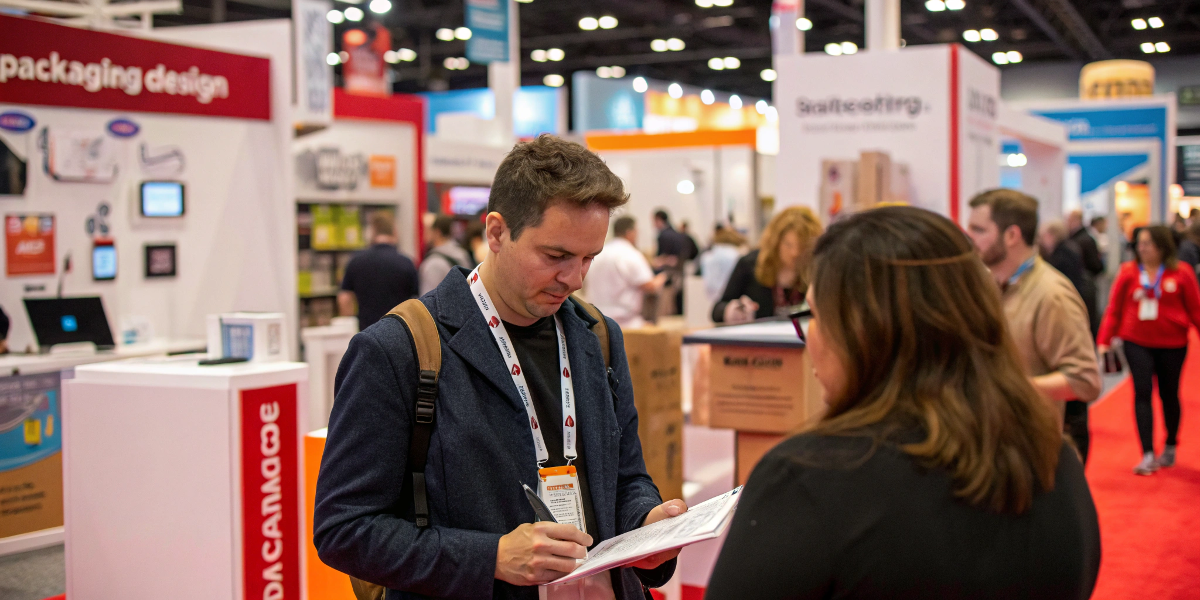
The search for a great supplier isn’t a single event; it’s a campaign. I use a mix of digital tools, old-school networking, and face-to-face meetings. Relying on just one method is too risky. Each channel gives you a different piece of the puzzle, and when you put them all together, you get a much clearer picture of who you can trust with your brand’s reputation.
Using Online B2B Platforms Strategically
Platforms like Alibaba and Global Sources are a good starting point, but you have to be smart about it. Don’t just search for “makeup bag manufacturer.” I use very specific keywords like “GRS certified rPET cosmetic pouch” or “luxury vegan leather train case.” Then, I use the filters. I look for:
- Verified Suppliers: This adds a basic layer of trust.
- Years in Business: I prefer suppliers with at least 5-10 years of experience. They’ve likely weathered challenges and have stable processes.
- Response Rate: A high response rate (90%+) suggests they are attentive and professional.
The Value of Industry Trade Shows
Nothing beats meeting a potential partner in person. Shows like Luxe Pack in New York, Paris, or LA are invaluable. Here’s why:
- Touch and Feel: You can physically inspect their quality, see their materials, and feel the craftsmanship.
- Face-to-Face Chemistry: You can gauge their professionalism and see if you “click” with their team. Good communication is everything.
- Discover Innovation: You often find new materials and techniques you wouldn’t have discovered online. I always go to these shows with a list of questions and a clear idea of what I’m looking for.
Your Network is Your Best Asset
The best suppliers I’ve ever worked with came from referrals. I reach out to other designers, brand managers, and production specialists in my network. A recommendation from a trusted colleague is worth more than any online review. It means the supplier has already been vetted in a real-world project. They’ve proven they can deliver on time, on budget, and on quality. So, before you spend hours searching online, send a few emails or LinkedIn messages. You might find your perfect partner that way.
What Questions to Ask Manufacturers Before Signing a Contract?
You’re about to email a promising manufacturer. But you’re worried about missing something important. Asking the wrong questions, or not enough of them, could lead to costly surprises later on.
To protect your project, ask detailed questions about more than just cost. Inquire about their Minimum Order Quantity (MOQ), sample and production lead times, payment terms, and how they protect your intellectual property (IP).

The first conversation with a potential supplier sets the tone for the entire relationship. I treat it like an interview. I’m not just seeing if they can make my product; I’m seeing if they can be a reliable, long-term partner. I come prepared with a structured list of questions that covers everything from cost to compliance. This clarity prevents misunderstandings and ensures we’re aligned from day one. It’s about building a foundation of trust and transparency.
Breaking Down the Essential Questions
To make sure I cover all my bases, I group my questions into four critical categories. This helps me organize the conversation and compare different suppliers more easily.
| Category | Key Question | Why It’s Important |
|---|---|---|
| Production & Capability | What is your Minimum Order Quantity (MOQ)? What are your lead times for samples versus bulk production? | This determines if the project is financially viable and fits your launch timeline. |
| Cost & Terms | Can you provide a detailed cost breakdown? What are your payment terms (e.g., 30% deposit, 70% before shipping)? | A breakdown prevents hidden fees. The terms affect your brand’s cash flow. |
| Quality & Compliance | What quality control checks do you perform? Can you provide compliance certificates for materials (e.g., GRS, FSC)? | This ensures the final product will meet your brand’s standards and sustainability claims. |
| Communication & IP | Who will be my main point of contact? How do you ensure our design’s intellectual property is protected? | A dedicated contact prevents communication breakdowns. IP protection is non-negotiable to prevent your design from being copied. |
Asking these questions upfront shows the manufacturer you are a serious and professional partner. Their answers will tell you everything you need to know about their capabilities and whether they are the right fit for your brand.
How to Avoid Common Pitfalls in Private Label Makeup Bag Production?
You’re about to start production. You’ve heard horror stories of quality fading after the first order, unexpected delays, and final products that don’t match the approved sample. You need to avoid these problems.
Stay proactive to avoid pitfalls. Always insist on a signed pre-production sample before approving bulk manufacturing. Have a detailed contract, and maintain constant, clear communication with your supplier throughout the entire process.
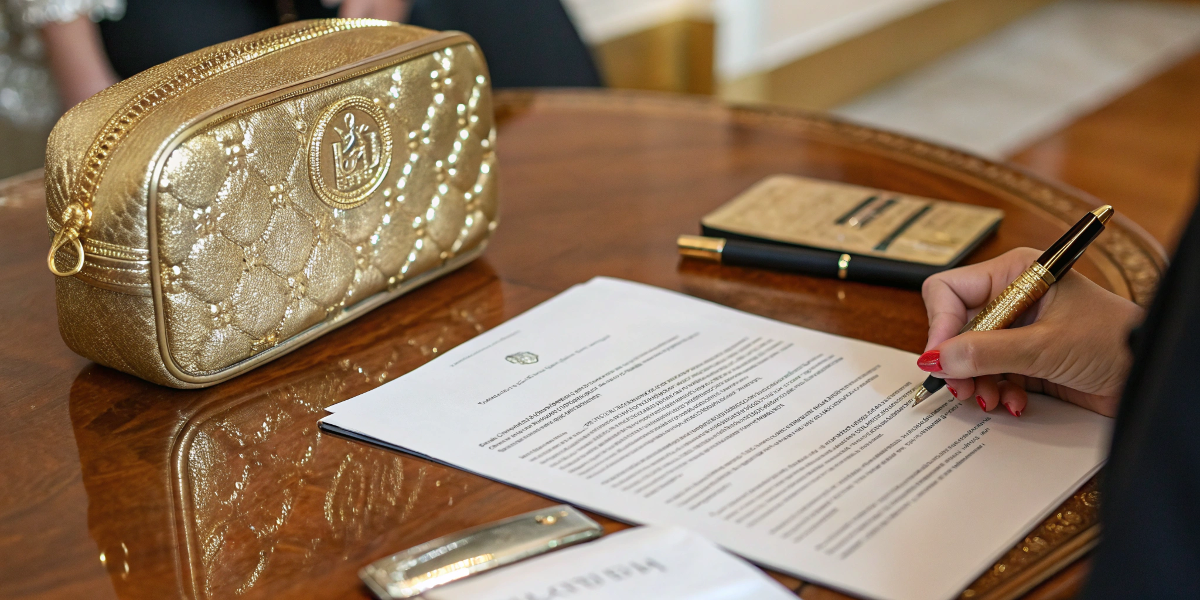
Even with the perfect manufacturer, things can go wrong. I’ve learned that the key to avoiding major issues isn’t hoping for the best; it’s planning for the worst. Over the years, I’ve developed a simple but effective defense system. It’s built on three principles: tangible proof, written agreements, and relentless communication. This approach has saved my projects more times than I can count, turning potential disasters into minor, manageable bumps in the road.
The Non-Negotiable “Golden Sample”
The single most important item in production is the pre-production sample, or what I call the “golden sample.” This is the final prototype made with the actual bulk materials and production methods. Once I approve it, I have the supplier sign it, and I sign my own reference copy. This signed sample becomes the physical benchmark for the entire production run. If there are any discrepancies in the final order, we can compare them directly to this golden sample. It removes all ambiguity and serves as undeniable proof of the agreed-upon standard.
Your Contract is Your Shield
A handshake is nice, but a contract is your protection. My contracts are incredibly detailed. They include:
- Full Material Specifications: Fabric type, weight, color Pantone codes, zipper model, etc.
- Dimensional Tolerances: Exact measurements with acceptable variance (e.g., +/- 2mm).
- AQL Standards: Defines the acceptable number of defects in a batch.
- Penalty Clauses: Clear consequences for late delivery or failure to meet quality standards. A detailed contract protects both you and the manufacturer because it makes all expectations crystal clear.
Proactive and Visual Communication
Especially when working with international partners, you cannot over-communicate. Misunderstandings are the root of most production problems. My rule is to be relentlessly clear. I use simple English, avoid slang, and use visuals whenever possible. I send annotated photos, diagrams, and even short videos to explain complex details. After every important conversation, I follow up with an email summarizing what was agreed upon. This creates a written record and ensures we are always on the same page.
Conclusion
Finding the right manufacturer is a strategic process of vetting, questioning, and proactive management. By focusing on quality, communication, and clear agreements, you build a partnership that brings your vision to life.