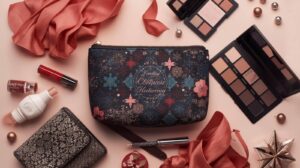
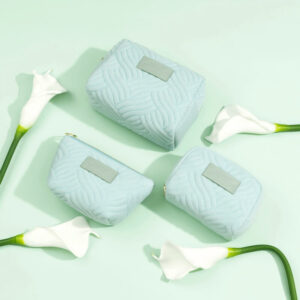
A beauty GWP cosmetic bag idea should not stay as a mood board. To become supplier-ready, it needs a buyer decision framework: campaign fit, product fill, size, material route, logo method, packing scope, sample approval and RFQ handoff before the supplier quotes.
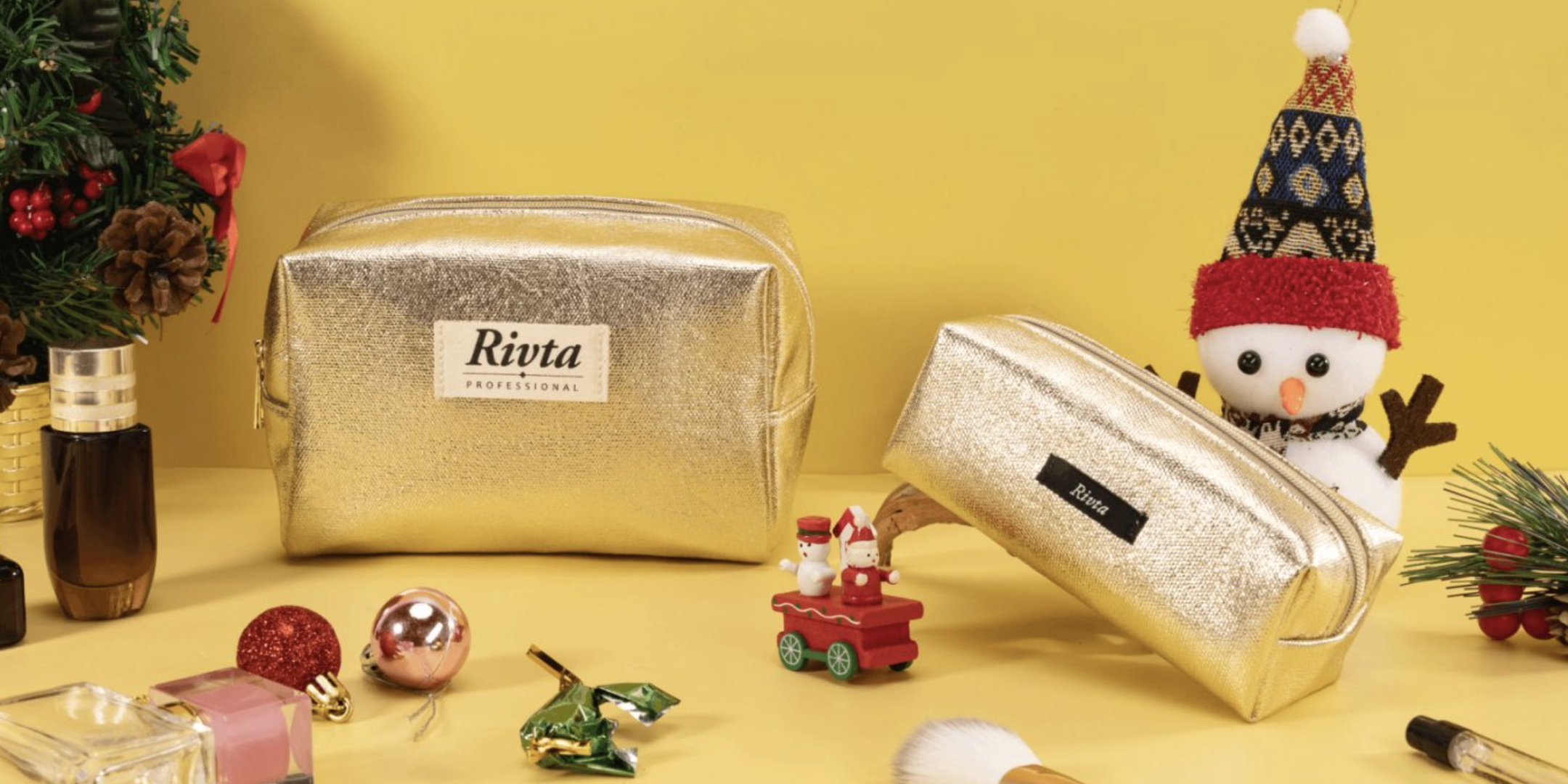
TL;DR: Use this guide to turn inspiration into buying decisions. Start with the campaign situation, then define the bag’s job, product fill, size, material, logo, packing, claim boundary, sample approval gate and RFQ detail. The goal is not more ideas; it is a clearer supplier brief.
Which campaign situation is this idea suitable for?
This guide is best for beauty founders, brand teams, creative managers and sourcing teams who have several cosmetic bag ideas but need to decide which route can become a real GWP brief. It fits campaigns where the bag must support a launch, sampling kit, loyalty gift, travel retail set, influencer mailer or holiday promotion, and where the buyer needs to connect style with product fill, budget, packing and sample timing. It is especially useful when the team has mood boards, reference bags, product dimensions, target users and launch dates, but still needs a structured way to choose size, material, logo method and RFQ details before sampling starts.
Less suitable fit
This guide is less suitable for one-piece personal orders, generic marketplace resale, early brainstorming with no product fill, or projects where the buyer wants a design image but has no quantity, launch date, market, packing route or approval owner. It is also not a full material certification manual, legal review, landed-cost model or post-launch ROI report. If the main problem is material comparison, cost modeling or campaign measurement, use the related Ecorivta pages first, then return to this guide when the team is ready to turn the preferred idea into a supplier-ready brief.
Idea decision table for a buyer-ready design brief
The brief should help a supplier understand why an idea exists and what must be checked before a quote. Each idea should be tied to a use case, a material or packing decision and a practical RFQ detail.
| Idea | Use case | Material or packing decision | RFQ detail |
|---|---|---|---|
| Soft flat pouch | Sampling kit, mini skincare set or low-bulk counter gift | Lightweight fabric, lining choice and simple individual packing | Send product dimensions, logo size, fabric direction and required arrival date. |
| Gusseted makeup pouch | Skincare tubes, compacts or mixed product fill | Depth, zipper opening, lining and carton compression | Share product-fill photos, target size, gusset depth and sample approval criteria. |
| Vanity-style cosmetic bag | Premium GWP, holiday set or launch kit | Structure, piping, handle, lining and protective packing | Confirm whether the bag must stand, hold boxed products or ship filled. |
| Clear cosmetic pouch | Travel retail, sunscreen, resort or visual product display | PVC/EVA/TPU route, label placement and warning text review | State destination market, material preference, product visibility and packing route. |
| Tote-and-pouch set | Larger purchase gift or loyalty tier reward | Coordinated material, logo placement and set packing | Define whether items ship nested, filled or packed separately. |
| Insert-card campaign route | Brand story, ingredient education or launch explanation | Card size, paper route, claim wording and barcode location | Attach artwork files, market version, copy owner and approval deadline. |
Sibling Diff: how this guide differs from nearby Ecorivta pages
| Related page | Use that page when | Use this guide when |
|---|---|---|
| Beauty GWP Solutions | The team is deciding campaign role, gift strategy and program route. | The team already has a GWP direction and needs to turn ideas into supplier inputs. |
| Cosmetic Bags | The buyer wants product formats, structures and customization choices. | The buyer needs to decide which format matches campaign use and RFQ detail. |
| Contact Ecorivta | The buyer is ready to send files for review. | The buyer wants to prepare the fields that make the first review useful. |
What should the design brief decide before RFQ?
A useful brief should translate creative language into buying fields. Instead of saying “premium pouch,” it should define target user, product fill, approximate size, structure, material route, logo method, packing scope, claim boundary, sample gate, approval owner and launch timing.
| Brief decision | Buyer question | Supplier output expected |
|---|---|---|
| Campaign goal | Is the bag a sampling kit, purchase gift, loyalty reward, travel set or retail display item? | Recommended format, cost drivers and sample route. |
| Product fill | What bottles, tubes, jars, brushes or cartons must fit? | Size suggestion, gusset check and product-fill sample note. |
| Target user | Who should keep or reuse the bag after the campaign? | Structure, texture, color and logo placement advice. |
| Material route | Does the buyer need fabric feel, clear visibility, wipeability or certification scope? | Material shortlist, MOQ effect and evidence boundary. |
| Logo method | Should branding be print, embroidery, patch, label, embossing or zipper puller? | Sample timing, placement limit and artwork request. |
| Packing scope | Does the project need insert card, sleeve, hangtag, label, polybag or carton mark? | Packing line item, artwork handoff and QC photo plan. |
| Sample gate | What must be approved before bulk production? | Sample purpose, approval file and inspection checklist. |
Where does Ecorivta fit best in this design brief workflow?
Ecorivta is strongest when the buyer can describe the bag as a working GWP item, not only a visual reference. The practical workflow is product fill first, then bag structure, material, decoration, packing and launch timing. That order helps the supplier quote the real job of the bag, not just its surface style.
| Workflow area | Ecorivta can support | Buyer should clarify early |
|---|---|---|
| Bag format | Flat pouch, zipper pouch, vanity case, train case, clear pouch, drawstring pouch or launch-kit bag | Whether the bag must stand, hang, fold flat, ship filled or protect boxed products. |
| Material route | rPET, recycled polyester, cotton canvas, clear PVC/EVA/TPU, Tyvek, vegan leather and mixed-material trims | Claim wording, handfeel, color availability and destination-market use. |
| Logo and trim | Print, embroidery, patch, woven label, embossing, zipper puller or hangtag | Artwork files, logo size, placement, color tolerance and sample approval owner. |
| Packing route | Insert card, sleeve, barcode label, polybag, paper wrap, master carton and carton mark | Retail channel, market version, SKU logic and warehouse instruction. |
| Quality handoff | Sample approval, product-fill check, logo photo, packing photo and QC checklist | What evidence the buyer wants before bulk production starts. |
Composite case: when a mood-board idea became a buyer decision brief
A skincare brand started with three mood-board directions for a spring GWP bag: a soft pastel flat pouch, a clear travel pouch and a structured vanity-style bag. The creative team liked all three, so the first internal discussion kept circling around color and trend references. The sourcing team could not quote clearly because product fill, carton packing, insert card and launch timing were not connected to any one idea.
Ecorivta helped the buyer turn the mood board into a decision table. The pastel pouch looked attractive, but the product-fill test showed two tubes pressed against the zipper. The clear pouch displayed the products well, but the destination market needed extra review for label placement and material wording. The vanity-style route had the best product fit and display value, but it needed a longer sample window and a more detailed packing note.
The buyer chose the vanity route for the main campaign and kept the flat pouch as a later sampling-kit option. The RFQ then included product dimensions, target size, logo area, lining preference, insert-card scope, carton mark and sample approval criteria. That extra structure also gave the internal team a cleaner way to explain timing and cost tradeoffs. The lesson was simple: design ideas become useful when they are compared by campaign fit, material or packing decision and RFQ detail, not only by how they look in a presentation.
Anonymous buyer feedback
| Buyer situation | What they added to the brief | What improved |
|---|---|---|
| Indie skincare launch | Product-fill photos, insert-card copy owner and target display route | The supplier could recommend a structure before sampling. |
| Travel retail GWP | Clear material preference, label location and destination market note | Material and packing questions surfaced before quote approval. |
| Holiday beauty set | Set-packing direction, carton mark file and approval deadline | The team compared bag ideas against launch timing instead of taste alone. |
What should a buyer send for design brief review?
Send a short campaign goal, target quantity, destination market, product-fill list, mood board, reference bag photos, logo files, material preference, packing idea, claim wording draft, sample deadline and required arrival date. If some fields are open, mark them clearly. A supplier can help choose a route more effectively when open questions are visible.
Who We Don’t Take On
Ecorivta is not the right partner for projects that only want a pretty reference image with no product fill, quantity, launch date, packing route or buyer approval owner. We are also not a fit for requests that use broad claim wording before documentation review, or designs that ignore sample approval and packing evidence. Our workflow is built for brand teams that want creative direction translated into supplier-ready decisions.
About the author
Lina Lv works with beauty and personal care teams on cosmetic bag, toiletry bag, canvas tote and beauty GWP sourcing. Her work focuses on turning buyer briefs into sample-ready project information, then keeping material, logo, packing, certification and QC records aligned before production.
Trademark and certification notice
All trademarks, retailer names, certification marks and third-party standards referenced in this guide belong to their respective owners. Ecorivta does not represent those organizations. Certification, claim wording, barcode use and market labeling should be reviewed against the buyer’s own files, applicable program rules and destination-market requirements before printing or shipment.
FAQ
Should a cosmetic bag design brief start with the material?
No. Start with the campaign situation and product fill, then choose material to support that use case. Material matters, but it should not drive the brief alone.
How many ideas should a buyer send to a supplier?
Two or three clear routes are usually better than many vague references. Each route should include use case, size direction, material route, logo method, packing expectation and sample timing.
What causes the most design sample rework?
Missing product dimensions, vague logo instructions, unclear claim wording, no packing scope and late approval ownership are common causes of sample rework.
What should be included in the RFQ handoff?
Include product fill, target quantity, destination market, launch date, bag format, material route, logo files, packing scope, claim boundary, sample deadline and approval criteria.
Sources
- Environmental marketing guidance, Federal Trade Commission.
- Global Recycled Standard information, Textile Exchange.
- ISO 9001 quality management principles, ISO.