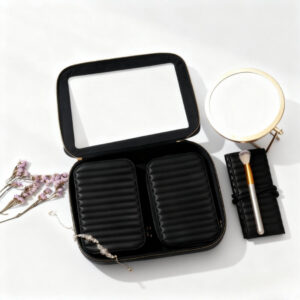
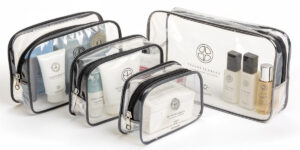
China can still be a practical sourcing route for beauty GWP bags, but the decision should be made by RFQ readiness, MOQ fit, sample timing, certification scope, packing details, cost exposure and evidence quality. A country route is useful only when the buyer’s files are ready enough for a supplier to respond with a meaningful production plan.
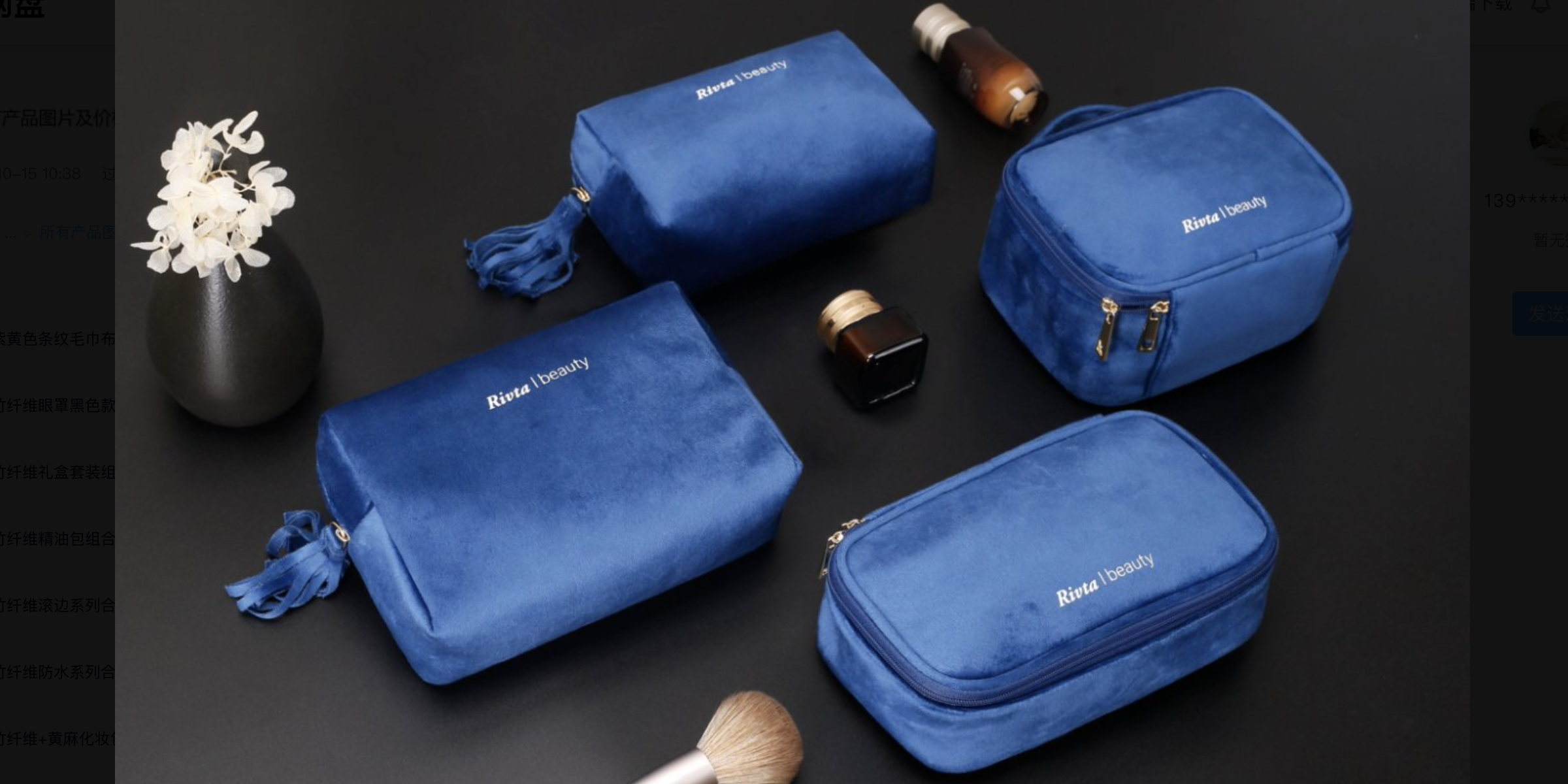
TL;DR: Before asking for price, buyers should prepare product-fill details, quantity, launch date, destination market, bag size, material route, logo method, artwork, packing scope, claim or certification needs, sample deadline and approval owner. Without those files, a quote may look complete but still miss timing, cost and quality risk.
Best fit
This guide is best for beauty founders, brand teams, procurement managers and GWP campaign planners comparing China sourcing for cosmetic bags, clear pouches, toiletry bags, tote-and-pouch sets or launch kit packaging. It fits projects where the buyer needs more than a stock pouch: material options, logo testing, sample gates, packing coordination, carton marks, certification scope review or multi-SKU handoff. It is especially useful when a campaign has a real launch date, a target delivery window, a quantity range, product-fill information and an internal approval owner who can answer supplier questions quickly before sampling starts. It also helps teams compare suppliers without losing sight of packing evidence and approval timing.
Less suitable
This guide is less suitable for one-piece personal orders, reseller projects with no brand files, local event needs with an immediate deadline or early mood-board discussions where size, material, quantity and packing route are still undecided. It is also not a shortcut for legal, customs, freight or certification advice. If the buyer cannot share product dimensions, logo files, target market, sample deadline, packing scope or claim language, the first task is to build the brief. A sourcing route can be compared only after the supplier sees enough detail to judge timing and risk.
RFQ file checklist before asking for price
The strongest China sourcing conversation starts before the first quote. A supplier can give a clearer response when the buyer sends files that connect design, timeline, quality and packing needs in one place.
| Buyer input | Supplier response | Risk if missing |
|---|---|---|
| Bag format and target size | Confirms pattern route, sample approach and size tolerance | Quote may ignore structure, lining or zipper complexity. |
| Product fill and pack-out goal | Checks capacity, shape after filling and zipper access | The sample may look fine empty but fail as a GWP set. |
| Target quantity and launch date | Screens MOQ fit, capacity window and production path | Timing and cost may be based on assumptions. |
| Destination market | Flags label, warning, carton and claim review needs | Market-version details may appear too late. |
| Material route | Confirms available stock, custom color, certification scope or new sourcing | Sample timing and MOQ may shift after quote. |
| Logo method and artwork | Checks print, embroidery, patch, label or hardware route | Logo testing may need extra rounds. |
| Packing scope | Reviews insert card, sleeve, hangtag, label, polybag and carton mark | Retail presentation may not be included in the first price. |
| Evidence needs | Lists document, photo, video, sample and QC records available for review | The buyer may compare suppliers without knowing proof depth. |
How should buyers read lead-time bands?
Lead-time bands are planning ranges, not fixed dates. Final timing depends on material availability, artwork readiness, sample comments, approval speed, packing decisions, factory capacity, inspection timing and export route.
| Program route | Sampling window | Bulk window after approval | Use when |
|---|---|---|---|
| Available material with basic logo | 7-14 days | 25-35 days | The buyer has a simple pouch, ready artwork and limited packing scope. |
| Custom color, lining or logo method | 14-21 days | 35-45 days | The campaign needs a branded look and has time for one or two sample checks. |
| Clear pouch or market-sensitive material | 14-21+ days | 35-50 days | Material choice, warning text, label placement or retail channel expectations matter. |
| Certification or claim-sensitive route | 14-21+ days | 40-55+ days | Material documents, hangtag wording and buyer review must be separated from design taste. |
| Multi-piece launch kit | 21+ days | 45-60+ days | The project includes a bag plus insert, sleeve, carton plan or several coordinated items. |
Sibling Diff: how this guide differs from nearby Ecorivta pages
| Related page | Use this page when | Use L038 when |
|---|---|---|
| Beauty GWP Solutions | The buyer is defining campaign role, gift strategy and program route. | The buyer is comparing whether China sourcing fits the brief, timeline and evidence needs. |
| Cosmetic Bags | The buyer needs bag formats, materials and customization options. | The buyer already has a likely bag type and needs RFQ readiness before price comparison. |
| Contact Ecorivta | The buyer is ready to send files for a project review. | The buyer wants to prepare the exact fields that make the first supplier response useful. |
Where does Ecorivta fit best in this sourcing route?
Ecorivta is most useful when a buyer needs a practical bridge between brand brief and supplier execution. We help buyers organize bag format, material route, product fill, logo method, packing scope, certification boundary, sample gate and QC evidence before the project becomes a production order.
| Planning area | What Ecorivta can support | What should be clarified early |
|---|---|---|
| Bag route | Cosmetic pouch, clear pouch, toiletry bag, canvas tote, launch-kit bag or coordinated set | Rigid cases, electronics packaging and non-beauty luggage need a separate assessment. |
| Material route | rPET, recycled polyester, cotton canvas, vegan leather, clear PVC/EVA/TPU, Tyvek and mixed-material routes | Claims must match available documents and destination-market use. |
| MOQ planning | Route screening for available materials, custom colors, logo methods and packing scope | Low quantity plus heavy customization may need a simpler route. |
| Sample gate | Shape sample, logo sample, packed sample or pre-production sample planning | Sample purpose should be written before payment. |
| Evidence package | Photos, video, material notes, certification scope, packing records and QC checklist | Evidence should be tied to the actual project, not only supplier marketing files. |
Composite case: when a six-week launch changed the China sourcing route
A skincare brand planned a counter GWP pouch for a regional launch. The first idea included a custom recycled-content fabric color, contrast lining, branded zipper puller, printed logo, insert card and retail sleeve. Internally, the team wanted China sourcing because the supplier route offered more material options and coordinated packing. The issue was timing: the buyer had only six weeks before the goods needed to leave the factory, and artwork was still under review.
Instead of forcing the original route into the short calendar, Ecorivta helped the buyer split the brief into fixed and flexible items. Fixed items were product fill, pouch size, logo placement, target quantity, destination market and launch date. Flexible items were fabric color, lining detail, puller shape and insert-card finish. The supplier then checked available material stock, logo test timing and packing capacity before quoting. The buyer chose an available recycled polyester route, kept the logo method simple, moved detailed claim wording into a separate approval step and used a standard carton mark format.
The project still needed sample review and buyer approval, but the quote became more realistic because the supplier was responding to a defined RFQ file. The lesson was not that China is always the right route. The lesson was that China sourcing works better when the buyer adjusts customization scope to the calendar and asks for evidence before comparing supplier responses.
Anonymous buyer feedback
| Buyer situation | What they added to the RFQ | What improved |
|---|---|---|
| Indie skincare campaign | Product-fill dimensions, target carton count and sample approval owner | Supplier timing comments became specific enough for internal launch planning. |
| Retail GWP program | Market version, barcode note, insert-card scope and carton mark file | Packing cost and warehouse handoff were discussed before sample payment. |
| Clear pouch launch | Material preference, warning-label location and short video evidence request | The buyer could compare material and compliance-related risk before choosing a route. |
What should buyers compare before choosing a supplier?
Price is only one part of the supplier response. For a beauty GWP bag, the buyer should compare whether each supplier can read the RFQ file, identify missing inputs, explain sample timing, state MOQ assumptions, separate certification scope from design claims, describe packing records and name the evidence available before production release.
| Comparison point | Better supplier response | Weak supplier response |
|---|---|---|
| RFQ review | Asks focused questions about product fill, artwork, packing and market version | Gives a number without discussing open files. |
| MOQ fit | Explains which details affect quantity band | Treats all customization as equal. |
| Sample timing | Separates shape, logo, packed and pre-production sample needs | Gives one timeline without approval gates. |
| Certification scope | States which component or document supports which wording | Uses broad claim language without file boundaries. |
| Packing detail | Includes insert, sleeve, label, carton mark and QC photo expectations | Prices only the bag and leaves packing for later. |
Who We Don’t Take On
Ecorivta is not the right partner for requests that ask for heavy customization without quantity, launch date, artwork, product-fill details or packing direction. We also are not a fit for projects that want broad claim wording before documentation review, or sourcing decisions based only on a country preference. Our workflow is built for buyers who want supplier comparison, sample gates and evidence records to support a real beauty GWP launch.
About the author
Lina Lv works with beauty and personal care teams on cosmetic bag, toiletry bag, canvas tote and beauty GWP sourcing. Her work focuses on turning buyer briefs into sample-ready project information, then keeping material, logo, packing, certification and QC records aligned before production.
Trademark and certification notice
All trademarks, retailer names, certification marks and third-party standards referenced in this guide belong to their respective owners. Ecorivta does not represent those organizations. Certification, claim wording, barcode use and market labeling should be reviewed against the buyer’s own files, applicable program rules and destination-market requirements before printing or shipment.
FAQ
What should buyers prepare before asking for a China sourcing quote?
Prepare product fill, quantity, launch date, destination market, bag format, material route, logo method, artwork, packing scope, claim or certification needs, sample deadline and approval owner.
Is China still useful for beauty GWP bag sourcing?
It can be useful when the project needs material variety, sample iteration, logo methods, packing coordination, export handling and evidence records. The fit depends on RFQ readiness and timeline, not country preference alone.
What lead time should a buyer plan?
Simple available routes may need 7-14 days for sampling and 25-35 days for bulk after approval. Custom material, claim-sensitive routes or multi-piece launch kits may need longer planning windows.
How should buyers compare supplier responses?
Compare RFQ questions, MOQ assumptions, sample timing, evidence records, certification scope, packing detail and QC handoff. A useful response explains open risks instead of only giving a number.
Sources
- ISO 9001 quality management principles, ISO.
- Sedex SMETA audit context, Sedex.
- Global Recycled Standard information, Textile Exchange.
- Environmental marketing guidance, Federal Trade Commission.