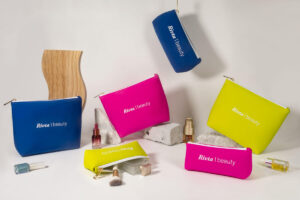
A clear pouch may look correct when empty and still fail when real sunscreen tubes, skincare minis, insert cards and packing pressure are added. The packed sample is the last practical checkpoint before bulk production.
Buyer Summary
Approve a clear pouch only after it has been packed with the real product fill or accurate dummies. The buyer should check product fit, clarity, odor, seam pressure, zipper behavior, logo placement, insert card position, carton packing and photo evidence before releasing bulk production. For PVC routes, confirm handfeel and destination conditions early; for TPU or EVA routes, confirm clarity, surface marks and packing pressure.
| Best fit | This guide is best for beauty brand teams, procurement buyers, packaging owners and private-label managers approving clear PVC, EVA or TPU pouches for sunscreen, skincare minis, travel retail, resort kits, transparent GWP campaigns or launch sets. It fits projects with MOQ 500+ or higher, real product fill, fixed artwork, insert card or sleeve requirements, carton packing needs, a launch window and a sample-first approval process. It is especially useful when the buyer must confirm whether the filled pouch still looks clean, closes smoothly, protects the logo view and can be repeated by the bulk packing team without guessing or late rework. |
| Less suitable | This guide is less suitable for single-piece personal orders, no-brand marketplace purchases, empty-pouch-only reviews, or projects where the buyer has no product dimensions, no packing method, no artwork approval owner and no bulk launch schedule. It is also not a full material comparison, lab-test plan or AQL inspection manual. If the buyer is still deciding between PVC, EVA and TPU, or needs formal lab testing, those decisions should be handled before using this packed-sample approval checklist for production release today. |
| Ecorivta reality | Clear pouch projects are usually straightforward, but PVC softness, destination use, cleanliness and packing method still need explicit approval. |
| Core boundary | This is not a full TPU QC guide, AQL inspection standard or material comparison. It is the packed-sample approval step before bulk. |
Why should a clear pouch be approved packed, not only empty?
Clear pouches are visual products. Dust, fingerprints, scratches, product labels, card placement and zipper pressure are easier to see than on opaque fabric bags. An empty sample can confirm size, logo and material direction, but it cannot show whether the real gift set still looks clean and premium after product fill.
The packed sample should answer practical questions before bulk production: does the largest tube pass through the opening, does the zipper close without stress, does the logo stay readable, does the insert card shift, does the pouch bulge, and does the packing method keep the transparent surface clean? For quality systems, sample approval should be connected to documented production control [1] rather than treated as a photo reference only.
Working logic: empty sample approval -> real product fill -> material and cleanliness check -> packing method -> correction rule -> bulk release.
How is this different from TPU QC, AQL and packaging guides?
This article is deliberately narrow. It does not replace a TPU QC test guide, a PVC versus TPU material comparison, a clear pouch packaging brief or an AQL inspection standard. Those routes answer broader systems. This page focuses on the buyer-side approval moment when one packed clear pouch sample must be accepted, corrected or held before bulk production starts.
| Related buyer question | Better route | How this article helps |
|---|---|---|
| How do we test TPU seam, odor or clarity? | Send TPU QC questions | Use this packed-sample article after the material-specific risks are known. |
| Which clear material should we choose? | PVC vs TPU clear bag material guide | Use this article to approve how the chosen material behaves when packed. |
| How should bulk inspection be sampled? | Send inspection scope | Use the approved packed sample as the visual target for bulk inspection. |
| How should travel retail packaging be briefed? | Send packaging brief | Use this article for one sample’s filled appearance and behavior. |
What should be packed inside the approval sample?
The packed sample should use the real product fill wherever possible. If real products cannot be sent, the buyer should send accurate dimensions, weight references and orientation notes. A clear pouch for sunscreen tubes behaves differently from one holding fragrance minis, sheet masks, jars or brush sets. The packed sample should reflect the final campaign condition, not only the bag maker’s empty sample.
| Product fill | Approval check | Risk if skipped |
|---|---|---|
| Sunscreen tubes | Opening width, zipper pressure, tube label visibility and front-panel bulge. | Pouch closes but looks distorted or stressed. |
| Skincare jars | Depth, base stability and corner pressure. | Clear film marks or seams take too much pressure. |
| Mini fragrance | Scratch risk, weight distribution and protection. | Hard items mark the transparent surface. |
| Sheet masks | Flatness, card position and sleeve fit. | Sample looks larger than needed or card shifts. |
| Mixed SKU set | Final arrangement, market version and carton packing. | Bulk team packs a different layout from the approved sample. |
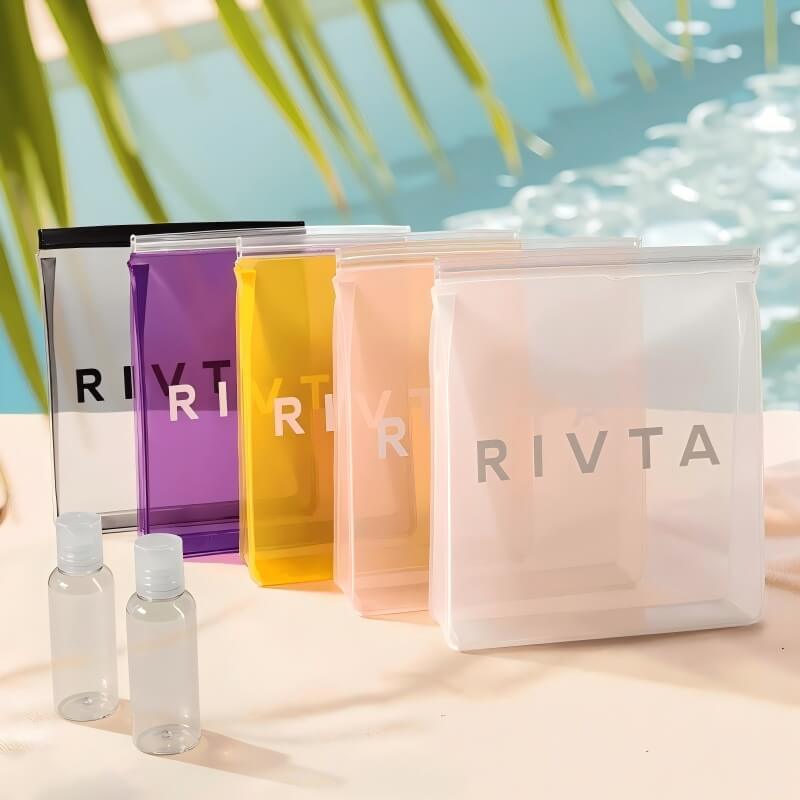 Filled GWP approval Approve the clear pouch as a filled GWP item, not only as an empty bag. |
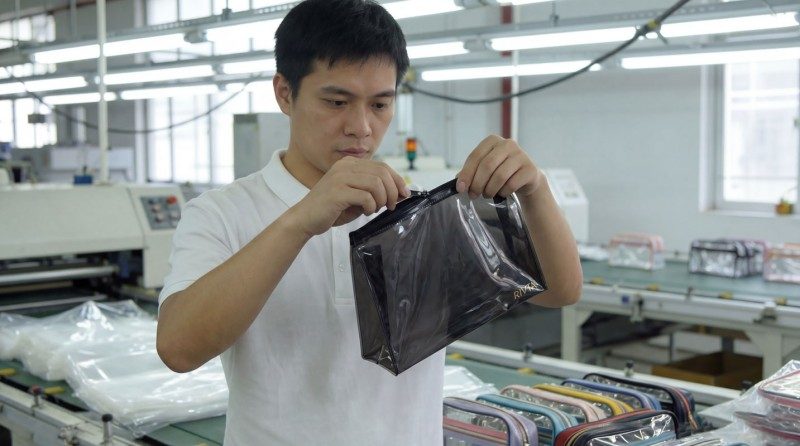 Zipper and material check Sample approval should check zipper behavior, material surface and packed appearance together. |
How should PVC softness, hardness and cold-region use be checked?
For PVC clear pouch projects, softness or hardness is not a minor detail. PVC can become too soft, too stiff or less suitable for cold environments depending on formulation. If the campaign ships to cold regions, buyers should tell the supplier early. In Ecorivta’s practical project handling, PVC may need cold-resistant consideration for cold destinations; otherwise there is a risk of cracking or brittleness in low-temperature use.
TPU does not carry the same cold-cracking concern in the common Ecorivta clear pouch discussions, but TPU still needs clarity, odor, seam, scratch and packing checks. The packed sample should document the selected material route instead of leaving the factory to infer the use condition. If the buyer has market-specific safety or warning expectations, those requirements should be stated before sample approval rather than after bulk goods are made. CPSC FHSA context [4] and California Proposition 65 [5] are examples of market-related warning or safety contexts buyers may need to consider.
| Material route | Approval focus | Buyer should confirm |
|---|---|---|
| PVC, standard use | Softness, hardness, clarity, odor and seam behavior. | Desired handfeel and destination market. |
| PVC, cold destination | Cold-resistant formulation or additive route. | Whether the pouch will go to cold places. |
| TPU | Premium clarity, flexibility, odor, scratch and zipper pressure. | Whether higher material cost fits the campaign. |
| EVA | Softness, haze and lower-cost positioning. | Whether the look is acceptable for Beauty GWP. |
What cleanliness checks matter most for transparent products?
Clear bags make cleanliness visible. A small fingerprint, dust mark, scratch or fiber may be more obvious than on fabric. Ecorivta has enough factory experience handling transparent products, but the buyer should still define what the packed sample must show: clean surface, clear panel, stable logo position, no obvious dust inside, no packing marks and no avoidable surface scratches.
Cleanliness should be checked under normal viewing conditions and under the kind of light the brand expects for product photography or retail display. If the buyer plans to photograph the filled pouch for campaign assets, the photo sample should be reviewed before bulk. If minor marks are possible within normal handling, the acceptable level should be discussed before inspection.
| Cleanliness point | How to check | Decision before bulk |
|---|---|---|
| Surface dust | Front, back and seam area after packing. | Cleaning method and packing protection. |
| Fingerprints | Check under light after handling. | Handling glove or wipe process if needed. |
| Scratches | Look around product contact points and zipper area. | Product layout and protective packing. |
| Haze or color cast | Compare sample with approved material route. | Accept, correct or change material route. |
| Residue / odor | Open packed sample and smell/inspect normally. | Air-out, material check or rejection route. |
Which zipper, seam and logo checks belong in packed approval?
This article does not replace a full TPU QC checklist, but a packed clear pouch still needs basic zipper, seam and logo review before bulk. The buyer should close and open the zipper with products inside. The seam should not take abnormal pressure from hard bottles or overfilled product sets. The logo should stay readable after the pouch is filled, especially if the bag front becomes curved or visually busy.
If the buyer needs a formal lab-test route, that should be specified separately from visual packed-sample approval. Textile and plastic-sheet test references can help frame the discussion, but Ecorivta should not imply a lab claim unless the buyer requests and approves the relevant test scope. OEKO-TEX STANDARD 100 [6] and ASTM D882 [7] are examples of references that may be relevant only when the project scope calls for them.
| Check | Pass signal | Correction if not acceptable |
|---|---|---|
| Zipper closure | Closes smoothly with real product fill. | Adjust size, opening, product layout or zipper route. |
| Seam pressure | No excessive stretching or whitening at corners. | Change pouch size, material thickness or fill layout. |
| Logo readability | Logo is clear after products are packed. | Move logo, resize artwork or adjust product orientation. |
| Panel flatness | Front panel still looks clean enough for the campaign. | Reduce fill pressure or revise gusset/structure. |
| Insert card position | Card supports presentation and does not create visual clutter. | Resize card or move it behind the product set. |
How should packing method be approved?
For many transparent pouch projects, packaging is simple. That does not mean it should be undefined. The sample should show whether the pouch is individually packed, whether tissue or protective layer is needed, whether products are packed inside, whether an insert card or sleeve is included, and how cartons protect the clear surface. Shipping and packing validation can also be relevant when the presentation must survive handling. ISTA test procedures [2] are useful context for packaged-product handling discussions.
| Packing point | Approval question | Why it matters |
|---|---|---|
| Individual packing | Is the pouch protected from dust and scratches? | Clear surfaces show handling marks quickly. |
| Insert card / sleeve | Does paper stay flat and clean? | Paper shift can make the pouch look messy. |
| Product packed inside | Is the layout fixed or flexible? | Bulk packing team needs a repeatable method. |
| Carton packing | Does compression create marks or deformation? | Carton pressure can change the final look. |
| Photo record | Are front, side, back and carton photos saved? | Creates a clear standard for bulk. |
TPU filled-sample route TPU routes still need filled-sample checks for clarity, scratch and zipper pressure. |
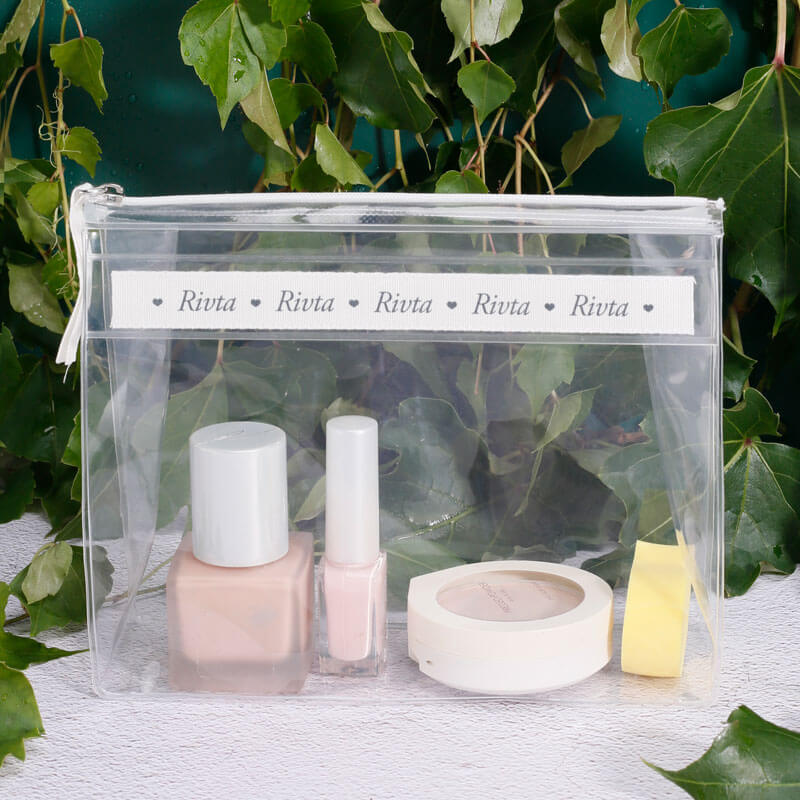 EVA filled-sample route Soft clear routes should be checked with the actual product layout before bulk. |
What happens if the packed sample shows a problem?
If the packed sample reveals a real problem, the correct response is not to ignore it and hope bulk will improve. Ecorivta’s practical rule is straightforward: problems should be corrected. If the issue is small, the team can discuss it with the buyer and judge it against agreed inspection or industry sampling standards. The important point is to define the decision before production quantity is made.
Bulk inspection may use sampling procedures [3] or customer-defined criteria, but those criteria are only useful when the approved sample standard is clear. If the buyer approves a packed sample with vague comments, later inspection becomes subjective. If the buyer approves a clear photo record and written criteria, the factory and buyer have the same target.
| Problem type | Likely action | Decision owner |
|---|---|---|
| Wrong fit or cannot close | Revise size, fill layout or structure before bulk. | Buyer and supplier together. |
| PVC too soft or too hard | Confirm handfeel, formulation or material alternative. | Buyer approval after supplier recommendation. |
| Cold-region risk | Discuss cold-resistant PVC route or TPU route. | Buyer based on destination market. |
| Cleanliness issue | Improve handling, wipe, packing or protection method. | Factory process owner. |
| Minor appearance issue | Discuss tolerance and inspection standard. | Buyer approval record. |
What approval record should be saved before bulk starts?
The approval record should be specific enough for production, QC and packing teams to follow without guessing. A short message that says sample approved is weaker than a record that names the product fill, material route, PVC handfeel or TPU route, logo location, cleanliness expectation, packing method and photo standard. For clear pouches, a photo record is especially useful because the visual condition is the product.
Ecorivta can provide records according to customer requirements. Some buyers only need packed sample photos and comments. Others may ask for a defect list, rework confirmation, carton mark, material note or pre-shipment inspection record. The key is not to over-document a simple clear pouch project. The key is to make the few important points clear before bulk begins.
| Approval record | What it should show | Why it matters |
|---|---|---|
| Filled sample photos | Front, side, back and zipper view with real product fill. | Shows the final campaign condition. |
| Material route note | PVC, EVA or TPU, plus PVC softness or cold-region note if relevant. | Prevents material assumptions in bulk. |
| Cleanliness comment | Dust, fingerprints, scratches, haze and packing protection. | Sets the visual standard for transparent products. |
| Packing photo | Individual bag, insert card, sleeve, product layout and carton method. | Helps the packing team repeat the approved look. |
| Correction rule | What must be reworked and what minor points follow agreed tolerance. | Reduces subjective disputes during inspection. |
What does a composite sunscreen GWP sample case teach?
Composite anonymized scenario: A sunscreen campaign requested a clear pouch for two tubes, one small after-sun sample and a thank-you card. The empty pouch sample looked acceptable because the size, logo and zipper position matched the artwork. Before bulk release, Ecorivta asked to check a packed sample because transparent pouches reveal pressure, dust, card shift and label clutter more clearly than fabric bags. Once the real fill was placed inside, the largest tube pushed against the front panel, the insert card leaned forward and the logo looked slightly curved in photos.
The team did not restart the project. It adjusted the product layout, confirmed the opening width, checked the zipper with the tubes inside, and reviewed whether the PVC handfeel matched the campaign’s destination market. Because the pouch was intended for a warm-weather promotion, cold-region PVC concern was not the main issue. Cleanliness and packing method mattered more: the sample was reviewed for dust, fingerprints, insert-card position, sleeve fit and carton protection. The buyer approved a filled-sample photo record with front, side, zipper and carton views, plus a note on what must be corrected if bulk packing drifts. The lesson is simple: clear pouch projects may be straightforward, but final approval should prove the real packed condition before production quantity is made.
Anonymous feedback from brand buyers
Names are withheld because these points summarize recurring clear pouch approval concerns Ecorivta hears from beauty brand, packaging and procurement-side conversations.
| Buyer role | Feedback | Practical lesson |
|---|---|---|
| Beauty packaging manager, name withheld | “The empty pouch looked clean, but the filled version showed card shift and front-panel pressure.” | Approve the sample with actual product fill before confirming bulk packing. |
| Skincare launch buyer, name withheld | “Our logo placement looked right until the tube curved the front panel.” | Check logo readability after products are inside, not only on the flat empty sample. |
| Procurement coordinator, name withheld | “The biggest argument was not size. It was whether small dust marks were acceptable on a clear product.” | Set cleanliness and photo standards before inspection starts. |
Which related route should buyers use next?
TPU QC route Use this when the main risk is TPU seam, odor, clarity, scratch or packing deformation. |
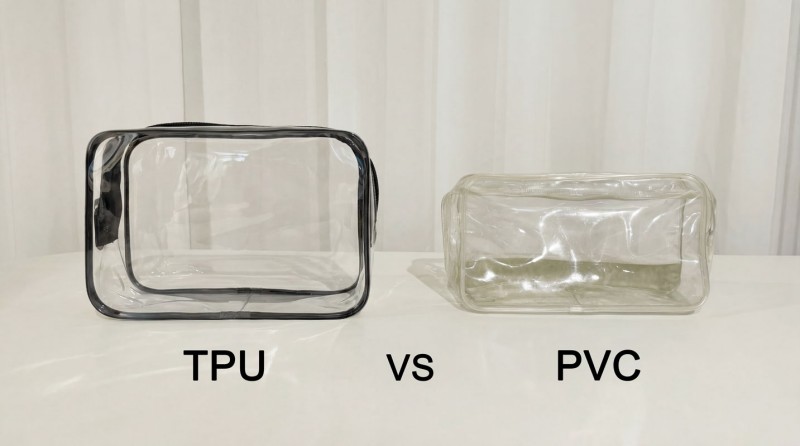 Material route Use this before approval when PVC, EVA and TPU are still being compared. |
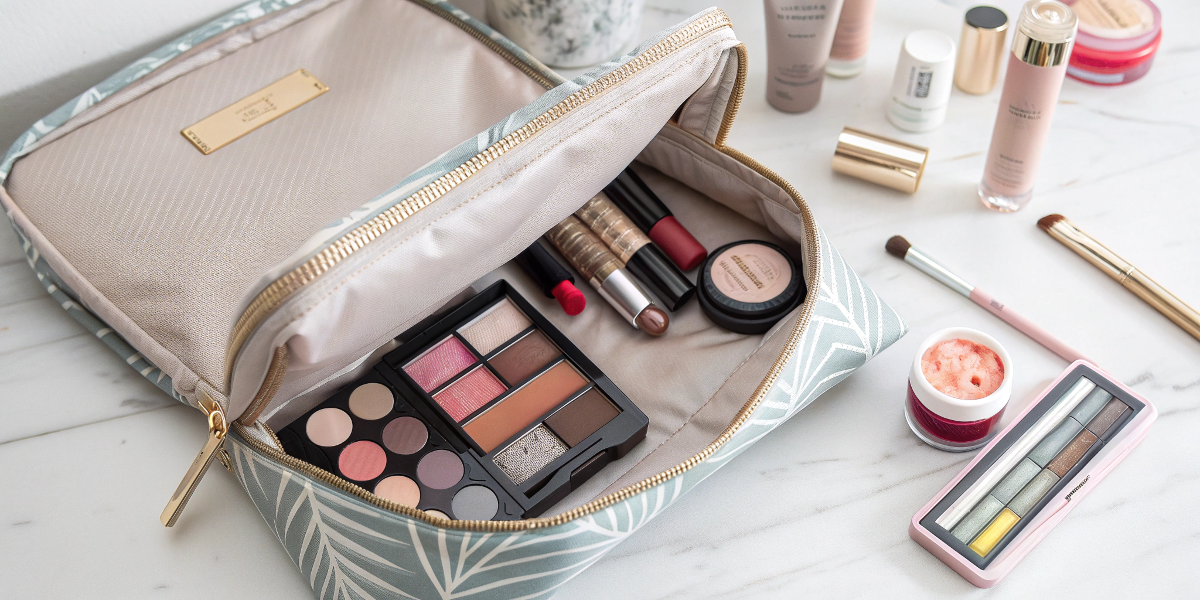 Packaging route Use this when sleeve, insert card, label, carton mark or travel retail scope must be briefed. |
 AQL route Use this when the packed sample is approved and bulk inspection criteria must be defined. |
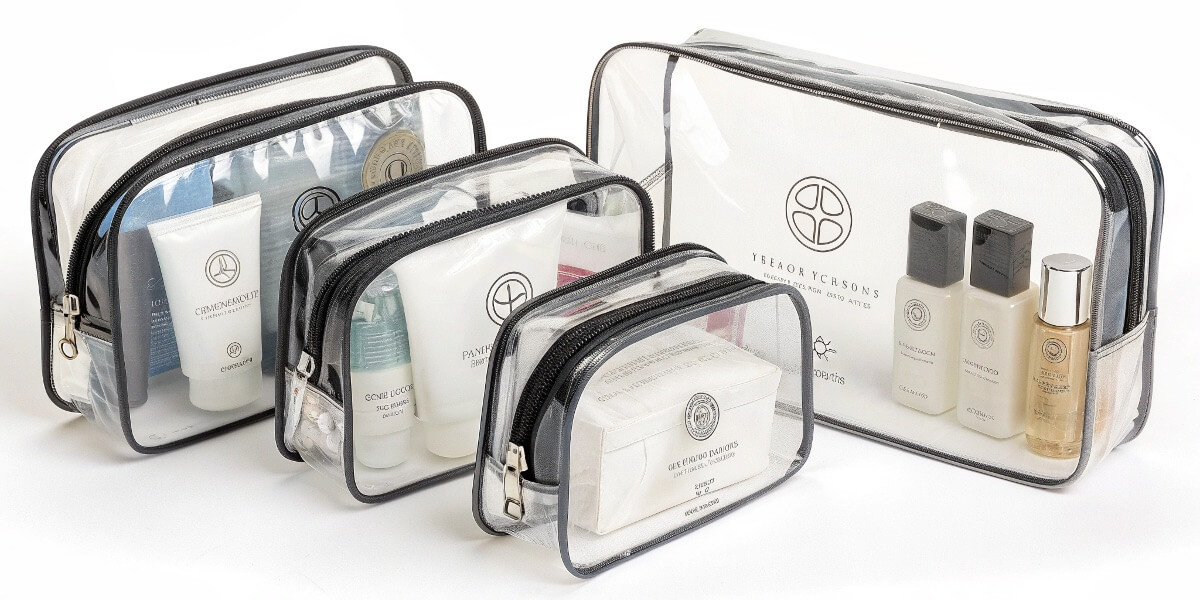 Product route Use this when the buyer needs clear pouch product formats before sample approval. |
Supplier review Send the packed sample request, product fill and destination market before bulk. |
| Buyer question | Best next step | Reason |
|---|---|---|
| Which clear material should we choose? | PVC vs TPU material guide | Use this for material comparison. |
| How do we test TPU seam, odor or clarity? | Send TPU QC questions | Use this for material-specific QC questions. |
| How should bulk inspection be sampled? | Send inspection scope | Use this for shipment inspection criteria. |
| Need the clear pouch product page? | Clear PVC Cosmetic Bags | Use this for product conversion. |
| Ready for sample review? | Contact Ecorivta | Send product fill and approval needs. |
Copy-ready packed clear pouch approval brief
- Project type: Beauty GWP clear pouch / sunscreen pouch / travel retail pouch / skincare gift pouch.
- Material route: PVC, EVA, TPU or supplier recommendation.
- Destination market: especially note cold regions if PVC is considered.
- PVC handfeel target: soft, medium, firm or reference sample.
- Product fill: product dimensions, weights, quantities and preferred layout.
- Artwork: logo file, placement, color and whether readability must be checked after filling.
- Paper components: insert card, thank-you card, sleeve, sticker or label.
- Cleanliness expectation: surface dust, fingerprints, scratches, haze, odor and packing protection.
- Packing method: individual packing, product-packed sample, carton packing and photo record.
- Decision rule: what must be corrected before bulk and what minor points can follow agreed tolerance.
Need a packed clear pouch sample review before bulk?
Send Ecorivta your clear pouch material route, product fill, destination market, PVC handfeel target if relevant, artwork, paper components and packing method. We can help turn the packed sample into a practical approval record before bulk production.
FAQ
Is a packed sample always necessary for a clear pouch?
It is strongly recommended when the pouch must hold real products, insert cards or retail packing. Clear products show pressure, scratches and visual clutter more easily than opaque bags.
What is the most important PVC detail?
PVC softness or hardness matters. If the pouch will go to cold places, the buyer should discuss cold-resistant PVC needs early.
Does TPU have the same cold-region concern?
In Ecorivta’s common project discussions, TPU does not carry the same PVC cold-cracking concern, but TPU still needs clarity, odor, scratch, seam and packing checks.
What if the packed sample has a problem?
Real problems should be corrected before bulk. Minor appearance issues can be discussed with the buyer and judged against agreed inspection or sampling standards.
What photos should be saved before approval?
Save front, back, side, zipper, product-fill, card position, individual packing and carton packing photos. Those photos help bulk production match the approved sample.
Trademark notice
Brand, standard, testing and regulatory references in this guide belong to their respective owners. References are used only to explain supplier-side sample approval, material selection and packed clear pouch quality planning. This guide is not legal, testing or compliance advice.
About the author
Lina Lv is Brand & Product Specialist at Ecorivta, working with beauty brands, importers and sourcing teams on custom cosmetic bags, clear pouches and sewn beauty accessories. Her project work focuses on translating buyer briefs into sample development, material confirmation, logo approval, packing scope, QC evidence and shipment handoff. Ecorivta is operated by Rivta Culture Equipment and backed by a Dongguan factory group with long-term experience in sewn bags and accessories.
Sources
- International Organization for Standardization, ISO 9001 quality management. Source ↩
- International Safe Transit Association, test procedures overview. Source ↩
- International Organization for Standardization, ISO 2859-1 sampling procedures for inspection by attributes. Source ↩
- U.S. Consumer Product Safety Commission, FHSA requirements guidance. Source ↩
- California OEHHA, Proposition 65 overview. Source ↩
- OEKO-TEX, STANDARD 100. Source ↩
- ASTM, D882 tensile properties of thin plastic sheeting. Source ↩