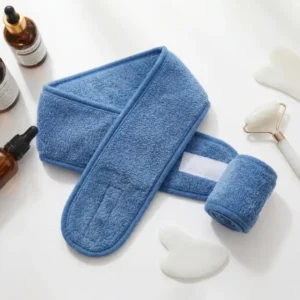
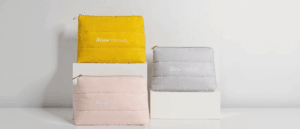
An insulated skincare pouch prototype testing brief is different from a normal price request. The buyer is not only asking whether the pouch can be made. They need to know whether the fabric, thermal lining, zipper and artwork still look acceptable after heat, sunlight and real product-fit checks.
Quick Buyer Summary
- Use this when: a skincare, SPF, serum or beauty campaign team has already selected an insulated pouch direction and now needs a sample approval route.
- Do not use it for: generic pouch factory sourcing, a low-detail price-only request, or a claim that the pouch can protect products without testing.
- Main risk: approving the look of the sample while missing heat distortion, lining bulk, sunlight color shift or bottle-fit problems.
- Best first action: send a short test matrix with product sizes, expected transport conditions, heat and sunlight checks, and photo requirements.
Request an insulated pouch testing quote
Keep the Test Goal Separate From the Sales Claim
Before sample approval, the safest wording is operational: test the pouch, lining, artwork and packout under expected handling conditions. Do not promise product preservation unless the buyer has a lab plan and claim language. The FTC Green Guides 1 are useful when a campaign wants environmental or performance wording around materials and packaging.
For Ecorivta, the practical question is simple: can the sample survive the conditions the buyer expects before launch? If the answer depends on one photo in normal office light, the approval is too thin.
Build a Heat, Sun and Lining Trial Before Bulk Approval
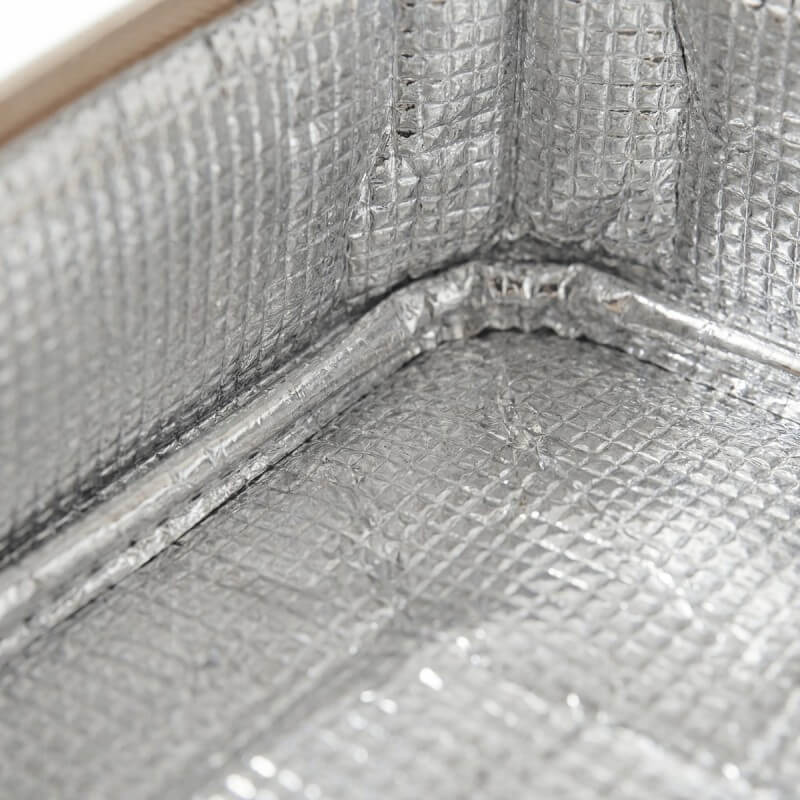
The insulated skincare pouch prototype testing brief should define the checks before the sample is made. ASTM D4332 2 is commonly referenced for conditioning packages before testing, so it is a useful buyer-side reference when discussing warm storage, handling and packaging review.
The goal is not to turn a beauty pouch into a medical cooler. The goal is to catch problems early enough that the buyer can adjust material, lining, logo method or carton route before approving bulk production.
| Prototype check | What to look for | Pass signal before bulk |
|---|---|---|
| Heat exposure | Shell shape, glue points, zipper pull, lining wrinkles and odor after warm storage. | Pouch still closes smoothly and lining does not collapse into the product cavity. |
| Sunlight check | Outer color, print clarity and label contrast after window-light or daylight simulation. | No obvious fading, yellowing or print softening in buyer approval photos. |
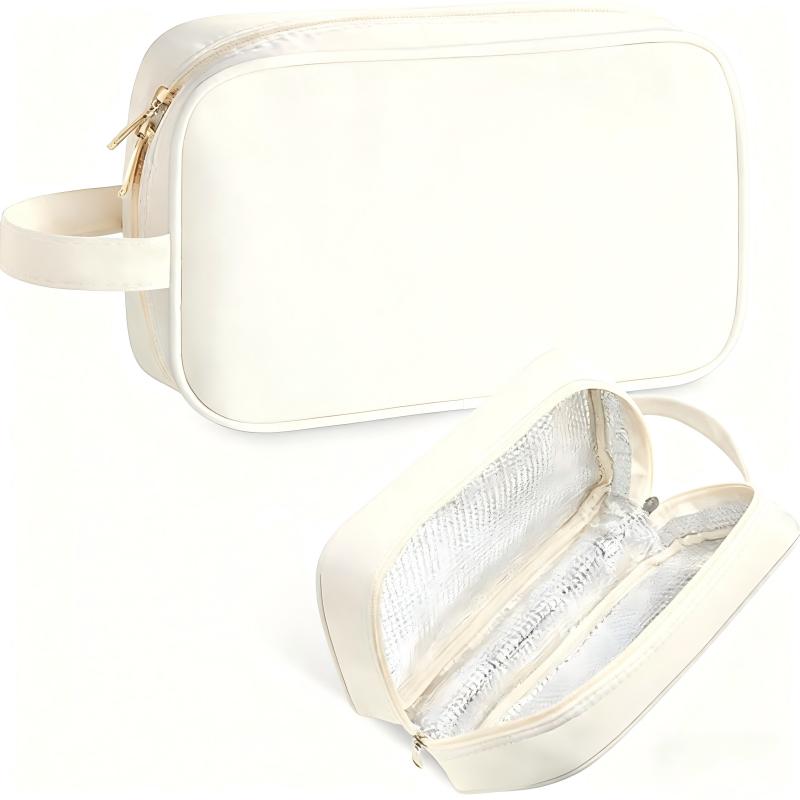
| Thermal lining trial | Lining thickness, seam bulk, fold line and useful capacity after sample assembly. | Target bottles still fit without over-tight closure or distorted corners. |
| Packout check | Product bottles, instruction card, insert and carton orientation. | Sales can send one clear top-view and one side-view photo for sign-off. |
Ask for a thermal lining sample review
Ask for Approval Photos That Sales Can Actually Use
A vague sample approval often creates a second round of questions: Is the lining too bulky? Is the zipper still smooth? Did the logo survive handling? Ask the factory to return a fixed photo set so the buyer can approve or reject without guessing.
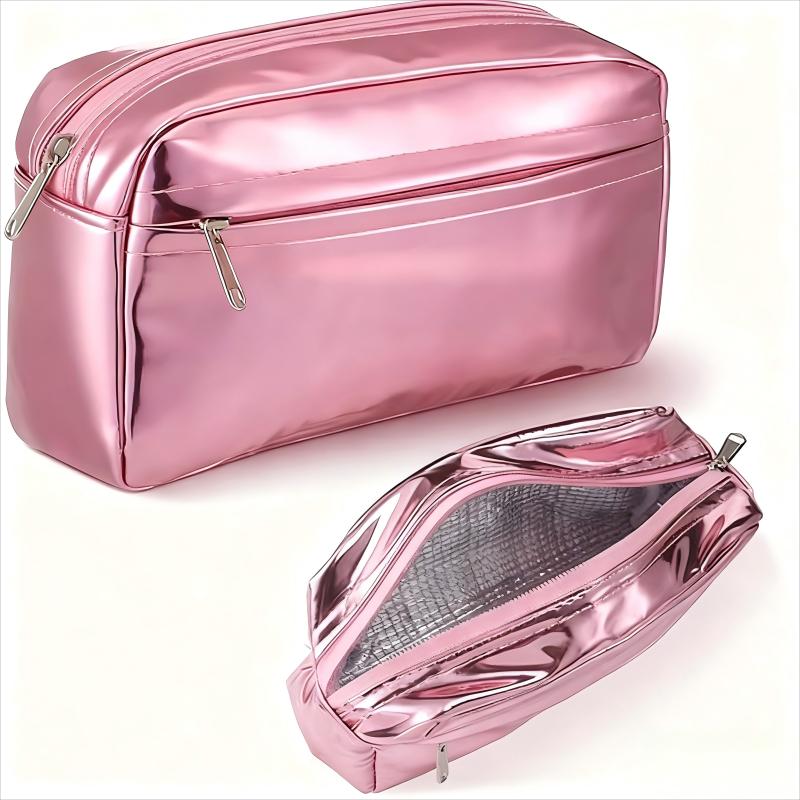
For an insulated pouch, the minimum useful set is front, back, open interior, lining close-up, zipper close-up, filled-product view, folded packout and carton preview. If the buyer will present the pouch to a retailer, add one photo beside the hero product and one against the campaign color card.
- Use the same camera distance for the before and after heat check.
- Show the pouch with real skincare bottles, not empty tissue stuffing.
- Keep a side-view photo to reveal whether the lining has created an awkward bulge.
- Photograph any sunlight or heat test result in neutral light, not filtered studio light.
Stop Approval When the Risk Belongs in the Brief
If the buyer wants color performance under strong light, reference language should be clear. ISO 105-B02 3 describes color fastness to artificial light using a D65 daylight source, which can help the team decide whether the request belongs in a lab-style test or a simpler visual approval.
The same applies to skin-contact textile concerns. If the pouch, lining or trim is positioned near skincare routines, ask early whether the buyer needs OEKO-TEX Standard 100 4 or another material compliance route instead of treating it as a late document request.
For related pouch sourcing, keep the testing brief connected to the main custom cosmetic bag route, but do not make this article compete with the earlier insulated beauty pouch RFQ brief. This page is about prototype testing and acceptance.
Send This Insulated Skincare Pouch Testing Brief
For a faster review, send the pouch target size, skincare bottle dimensions, expected warm-storage exposure, logo route, lining preference, packing route and the photos you need before approval.
Send bottle sizes for an insulated pouch fit test
FAQ
Should the buyer approve an insulated pouch after one normal sample photo?
No. A single normal photo can confirm appearance, but it cannot confirm heat exposure, sunlight behavior, lining bulk or product fit. Ask for a short test photo set before bulk approval.
Is this the same as a temperature-control medical bag?
No. This brief is for beauty and skincare pouch sourcing. Avoid medical or preservation claims unless the buyer has a separate lab and compliance plan.
What should be included in the first sample request?
Include product dimensions, bottle count, expected use, outer material, lining preference, logo method, packing route and the heat or sunlight checks the buyer wants reviewed.
When should certification be discussed?
Discuss certification before sampling if the pouch will support a skincare, spa or premium campaign that requires textile safety, recycled material or retailer compliance documents.
Evidence Used in This Brief
-
FTC Green Guides – Used to keep campaign and material wording away from unsupported environmental or performance claims. ↩︎
-
ASTM D4332 – Referenced for conditioning containers and packages before testing discussions. ↩︎
-
ISO 105-B02:2014 – Referenced for color fastness to artificial light and daylight-source wording. ↩︎
-
OEKO-TEX Standard 100 – Referenced for textile safety discussions when skin-contact accessory materials are requested. ↩︎