Quick Summary
A scrunchie elastic hold brief is useful when a beauty brand wants a custom scrunchie that feels soft, keeps its shape, and still looks gift-ready after packing. For Beauty GWP buyers, the decision is not only fabric color. Elastic strength, finished size, fabric fullness, label position and packing route all affect whether the buyer approves the sample.
- Use a scrunchie elastic hold brief to define the comfort target before sampling.
- Confirm finished outside diameter, inner opening and stretch recovery on a physical sample.
- Choose fabric fullness together with the elastic, because heavy fabric can weaken perceived hold.
- Approve the packed sample if the scrunchie will ship on a card, sleeve or set box.
- Keep the first RFQ simple: material, size target, quantity, colors, logo and packing.
If the buyer only has a reference photo now, WhatsApp the scrunchie elastic and size idea first, then send files through Contact.
Why a scrunchie elastic hold brief matters
The phrase scrunchie elastic hold brief sounds technical, but the buyer decision is practical: will the scrunchie feel comfortable, look full enough, and still hold hair after normal use? A loose elastic can feel low value. An elastic that feels too tight can create complaints, especially if the scrunchie is part of a beauty GWP set handed to many end users.
This is different from the older general RFQ brief. That post covers fabric, MOQ and packing inputs. This scrunchie elastic hold brief narrows the buyer decision to elastic strength, finished size and sample approval, so it does not repeat the same search intent.

Define finished size before judging the elastic
Size is not only the flat measurement of fabric. Buyers should approve the outside diameter, inside opening, fabric fullness and how the scrunchie returns after stretch. A scrunchie elastic hold brief should name the target use: wrist accessory, fine hair, thick hair, gift set decoration or retail item.
| Decision | What to check | Why it affects approval |
|---|---|---|
| Finished outside diameter | Measure the sample relaxed | Controls the visual fullness in product photos and packing |
| Inner opening | Check how it sits on wrist or hair | Prevents too-tight or too-loose feedback |
| Stretch return | Stretch and release several times during sample review | Shows whether the elastic feels stable enough |
| Fabric fullness | Compare fabric route and elastic strength together | Heavy satin or velvet can change the perceived hold |
For skin-contact textile routes, buyers may ask whether a project can support textile testing. OEKO-TEX STANDARD 100 1 is a useful reference for tested textile articles, but the final document scope always depends on the material and order route.
Fabric weight changes how elastic hold feels
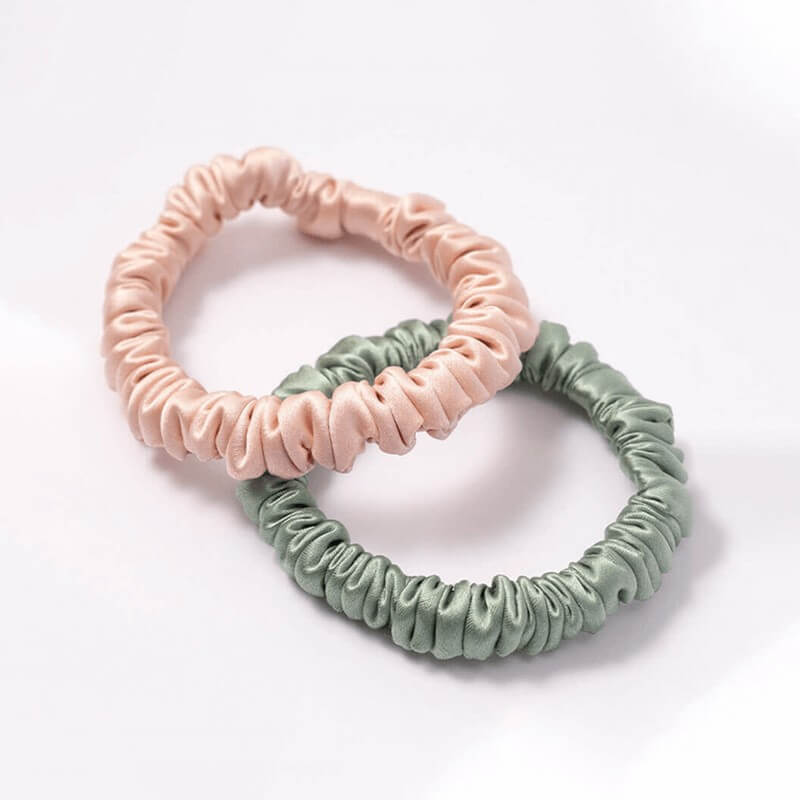
A thin satin scrunchie can feel different from a full silk, velvet or printed route even when the same elastic is used. The scrunchie elastic hold brief should therefore mention fabric direction early. If the buyer changes from silk-like satin to velvet after sampling, the sample may need a new elastic check.
When buyers want color or performance testing language, keep the wording careful. AATCC standards overview 2 is a general textile standards reference for test discussions; it does not mean every scrunchie automatically has the same test scope.
Review the packed sample, not only the loose scrunchie
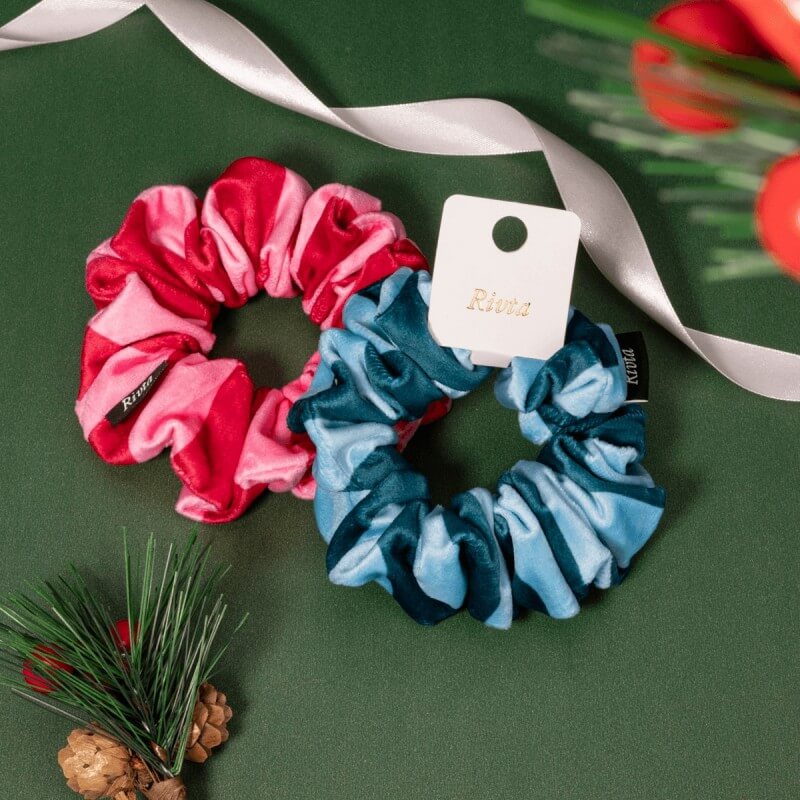
A scrunchie that feels right loose may look compressed on a card, bulky in a pouch or uneven in a set box. For Beauty GWP buyers, the packed sample should show the real card, sleeve, label or bag route. The elastic and fabric should not be judged separately from the final presentation.
If the buyer needs the scrunchie color to match a brand campaign or a multi-accessory set, color communication should be separate from elastic approval. Pantone color systems 3 can help align color language before samples, but sample photos and material swatches still decide the final look.
If your team has reference photos and a target packing style, WhatsApp the scrunchie sample and packing route before sending a full RFQ.
Keep elastic approval consistent across color splits
Many scrunchie projects use several colors. If one color uses a different fabric route or a different elastic supplier, the buyer may feel quality is inconsistent. The scrunchie elastic hold brief should say whether every color must use the same elastic and same finished size, or whether one premium color has a different route.

This also protects the quote. Too many colors at low quantity can create unnecessary sample work and weak bulk efficiency. A better RFQ keeps the first sample set focused: one fabric route, a few colors, one elastic target and one packing method.
Send a focused scrunchie elastic hold brief
Send the scrunchie use case, fabric route, finished size target, elastic feel, color list, quantity, label or logo route, packing method and launch window. Ecorivta can review whether the sample route is simple enough for a Beauty GWP order.
FAQ: scrunchie elastic hold brief
What should be included in a scrunchie elastic hold brief?
Include finished size, elastic feel, fabric route, use case, quantity, colors, logo route, packing method and launch window.
Is elastic strength more important than fabric?
No. Elastic and fabric should be reviewed together because heavier fabric can change the perceived hold and fullness.
Should the packed sample be approved?
Yes. If the scrunchie ships on a card, in a sleeve or inside a set box, approve the packed sample before bulk.
Can one scrunchie order use multiple colors?
Yes, but keep elastic, finished size and packing route consistent unless the buyer intentionally wants different routes by color.
Related Ecorivta pages and guides
- Custom Scrunchies for the main product route.
- Beauty GWP Accessories for set planning.
- Quality Control for sample and bulk approval.
Evidence Used in This Brief
-
OEKO-TEX STANDARD 100 – Referenced for project-dependent textile article testing language. ↩︎
-
AATCC standards overview – Referenced for textile standards discussion when buyers ask about performance or color tests. ↩︎
-
Pantone color systems – Referenced for color communication before sample approval. ↩︎