Quick Summary
A hair accessories set with clip, scrunchie and headband can look simple in a campaign mood board, but the sourcing brief needs more than three product names. The most important coordination details are color consistency, head circumference or elastic comfort, quantity split and how the whole hair accessories set is packed.
- Color should be approved as a set, especially when acetate, satin and terry or waffle fabrics are mixed.
- Headband fit needs head circumference and elastic comfort, not only width.
- Quantity split should match the final packing plan.
- Logo route may belong on the product, card, pouch, box or sleeve.
- The sample should show the full set together, not only individual items.
If the buyer only has a mood board or reference photos now, WhatsApp the hair accessories set idea first and use Contact for files or longer notes.
Plan the hair accessories set before sampling
A clip, scrunchie and headband can each be simple alone. The challenge begins when they need to feel like one Beauty GWP hair accessories set. The buyer should decide whether the set is meant to look tonal, exact-match, contrast-color, seasonal or brand-color driven before sample development starts.
If the buyer waits until each item is sampled separately, the hair accessories set can feel mismatched. A better first brief gives one color direction, one packing route and one target user experience for all three items.
Color coordination is the first approval risk
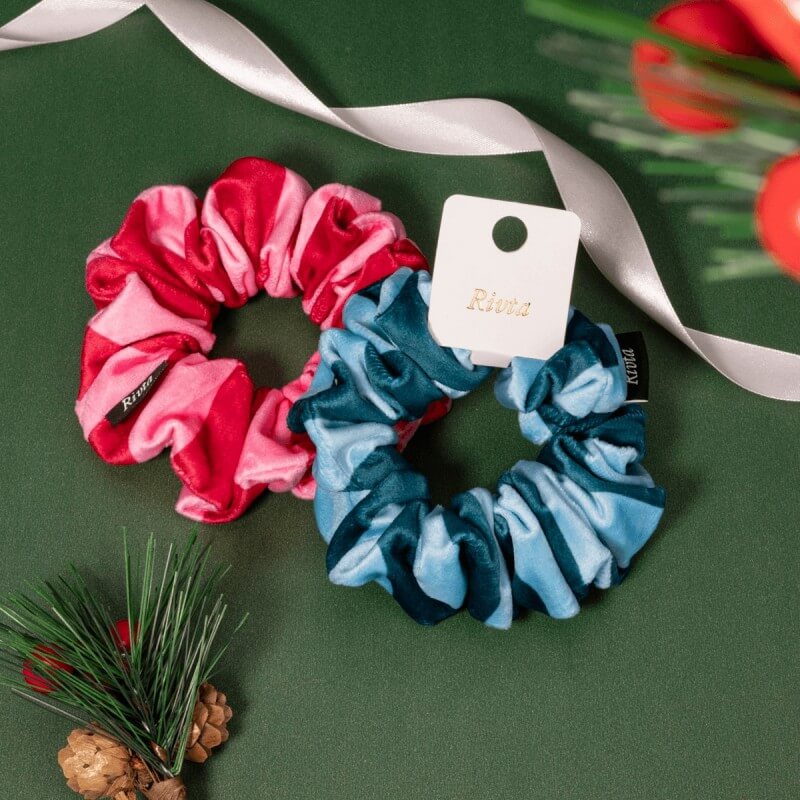
Color is the most visible issue when acetate clips, satin scrunchies and fabric headbands appear together. The same color reference can look different across glossy acetate, soft fabric, elastic and printed cards. A shared color system can help communication, but the final decision should still be based on sample photos and real material review.1
The buyer should approve color coordination as a set: clip next to scrunchie, scrunchie next to headband, and all items inside the planned packing. That is more useful than approving three isolated color photos.
If color matching is the risk, WhatsApp the set color coordination route before separating the three samples.

Hair accessories fit matters most on headband and elastic items
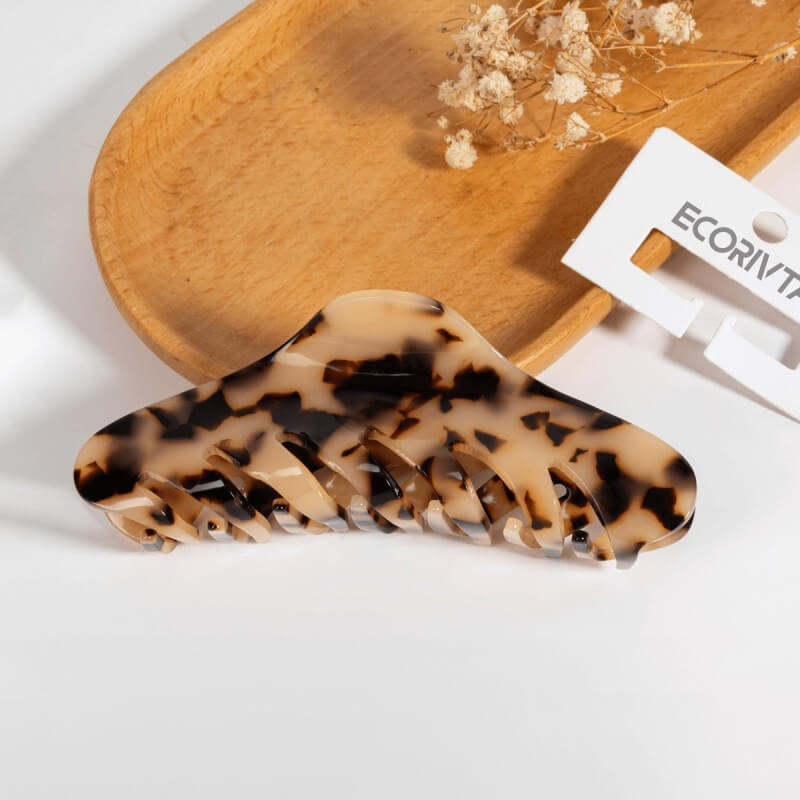
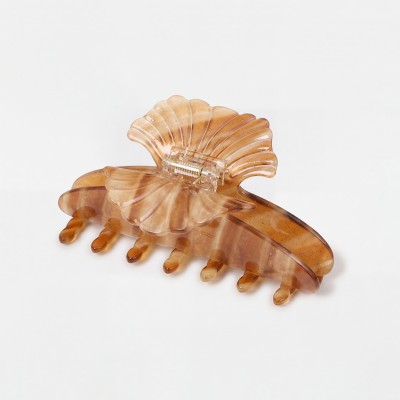
For a headband, width is only one part of fit. Head circumference, elastic strength, fabric stretch and seam comfort decide whether the product feels good. For a scrunchie, elastic tension and fabric volume affect both look and use. For a clip, hold and spring feel matter more than simply matching the color.
Textile testing context can help buyers discuss colorfastness, stretch and material performance when fabric accessories need more control.2 But in the first hair accessories set brief, the key is to say who will use the set and whether comfort or visual impact is the priority.
For fit-sensitive programs, WhatsApp the headband fit and elastic notes before approving the full set.
Quantity split should follow the packing plan
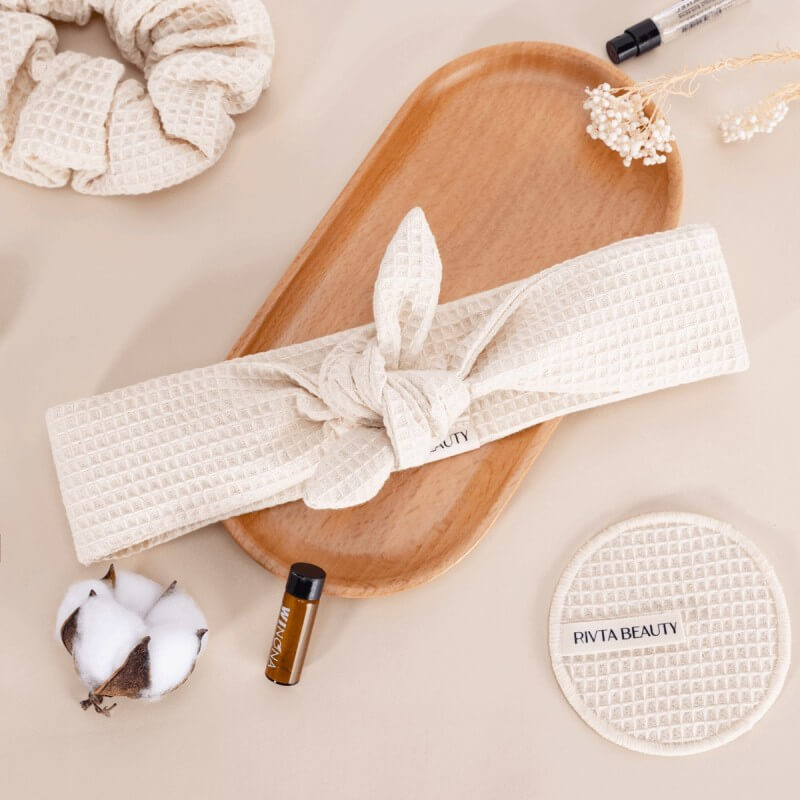
A hair accessories set brief should not only say “one clip, one scrunchie and one headband” unless that is the final pack. Some campaigns need one hero accessory plus two support items. Others need several colorways, a pair of clips, or a hair accessory and skincare item in the same box. Quantity split affects carton count, unit cost, packing labor and sample approval.
| Set component | Decision that should be made early | Why it affects the RFQ |
|---|---|---|
| Clip | Shape, hold strength, finish, logo route and colorway count. | Changes mold or stock route, logo method, sample approval and packing support. |
| Scrunchie | Fabric, elastic tension, diameter, tag or card route and color split. | Changes material usage, sewing time, sample comfort and set balance. |
| Headband | Width, stretch, head circumference, seam comfort and packing fold. | Changes fit approval and whether the set feels usable instead of only decorative. |
| Set packing | Box, pouch, sleeve, card, band or tray layout. | Changes quote structure, artwork handoff, barcode space and carton planning. |
If the set is retail-ready or barcode-controlled, card and barcode space should be considered early so the final packing does not become crowded.3
If the packing ratio is not clear, WhatsApp the quantity split and packing route before sampling.
Approve the full set photo before bulk
The final sample approval should include a full set photo, individual product close-ups, packing open and closed, logo route, color notes and fit comments. If the products use skin-contact textiles, material and document support should be discussed by actual material and certificate scope.4
This keeps the buyer’s internal approval simple. Instead of forwarding separate clip, scrunchie and headband files, the buyer can show one set route: color, fit, packing and launch use.
Hair accessories set coordination FAQ
What is the most common missing detail in a hair accessories set brief?
Color consistency and packing are often under-specified. A buyer may approve each item separately, then find the full set does not look coordinated together.
Why does head circumference matter for a headband?
A headband can look correct in width but feel too tight or too loose. Elastic and head circumference should be discussed before sample approval.
Should the set use one material?
Not always. Mixed materials can work well, but the buyer should approve color and hand feel together because the same shade can look different on acetate, satin, terry or waffle fabric.
What should be approved before bulk?
Approve the full set photo, color range, headband fit, scrunchie elastic, clip hold, logo route, packing layout and quantity split.
Send the full hair accessories set plan
Send the three product references, desired color direction, quantity split, headband size or fit expectation, scrunchie fabric, clip style, logo route, packing plan, target market and launch window. Ecorivta can then recommend whether to sample individual items first or a full packed set first.
For faster routing, WhatsApp the full hair accessories set RFQ and use the Contact form for artwork or longer files.
Evidence Used in This Brief
-
Pantone color systems – used for color reference communication across product, trims and packaging. ↩︎
-
AATCC standards overview – used for textile performance, color and material testing context. ↩︎
-
GS1 US barcode placement guidance – used when a set pack may need retail barcode or backing card space planning. ↩︎
-
OEKO-TEX STANDARD 100 – used for careful wording around tested skin-contact textile materials. ↩︎