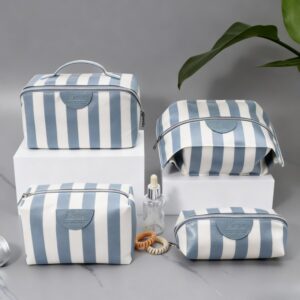
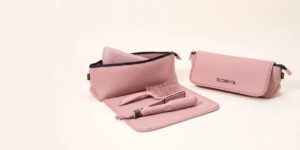
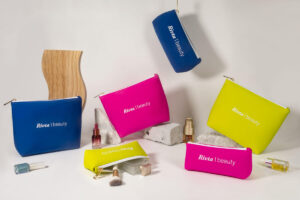
Vanity case approval should cover every branded touchpoint
A vanity train case is often judged by details: logo plate, puller, handle feel, interior label, divider fit and how the case opens on a beauty counter. If those details are not approved before bulk production, the product can feel off-brand even when the shell shape is correct.
This article supports Ecorivta’s vanity train case page with a private-label approval checklist. It is not a generic cosmetic bag factory guide; the angle is Beauty GWP, premium gift sets and brand program handoff.
Approve logo plate size, finish and placement on the real shell
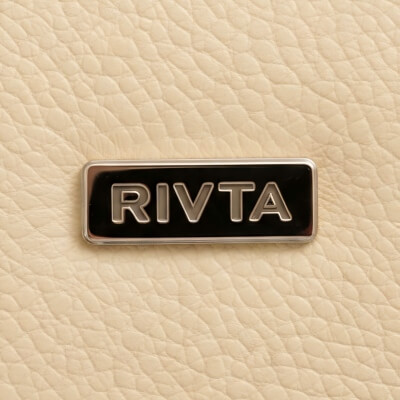
A metal plate or badge can make a case feel premium, but only when the size, finish and placement suit the shell. Buyers should approve the logo plate on the actual material and color route, not only as a separate artwork file.
| Detail | Buyer should approve | Why it matters |
|---|---|---|
| Logo plate size | Length, height, border and logo scale | Too large can look heavy; too small can look cheap |
| Finish | Gold, silver, gunmetal, enamel or matte route | Must match zipper, puller and brand tone |
| Placement | Front panel, pocket, handle area or interior | Avoid seam, curve and folding interference |
| Attachment | Stitch, rivet, adhesive or embedded method | Affects durability and QC check route |
Handle and puller details affect daily use
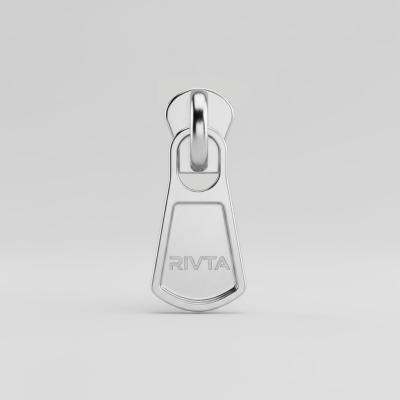
The handle should feel secure when the case is filled. The puller should be easy to hold, match the hardware route and not scratch the shell or plate. For a premium beauty gift, these details are part of perceived value, not just accessories.
If material or environmental wording appears in the buyer’s campaign, keep it qualified and document-led. FTC Green Guides 1 are a useful boundary for environmental marketing claims, especially when recycled PU, rPET or alternative leather routes are discussed.
Interior label and divider fit should be checked with the product fill list
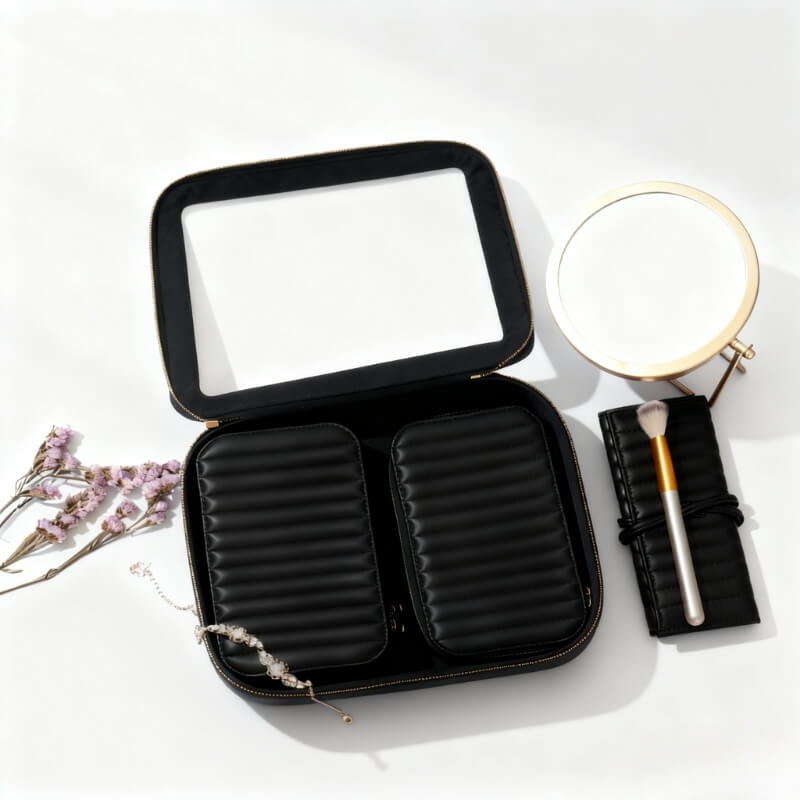
An interior label can look clean in an empty case, then disappear under bottles or rub against product surfaces after packing. Dividers, elastic loops and inserts should be approved with the actual fill list or a realistic mockup. That is why the buyer should send bottle heights, jar diameter, brush length and any fragile component details before sample approval.
For textile linings or soft-touch components, buyers may request project-dependent material testing support. OEKO-TEX STANDARD 100 2 is a recognized textile testing reference, but certificate scope must match the material and order.
Retail or gift route changes the approval checklist
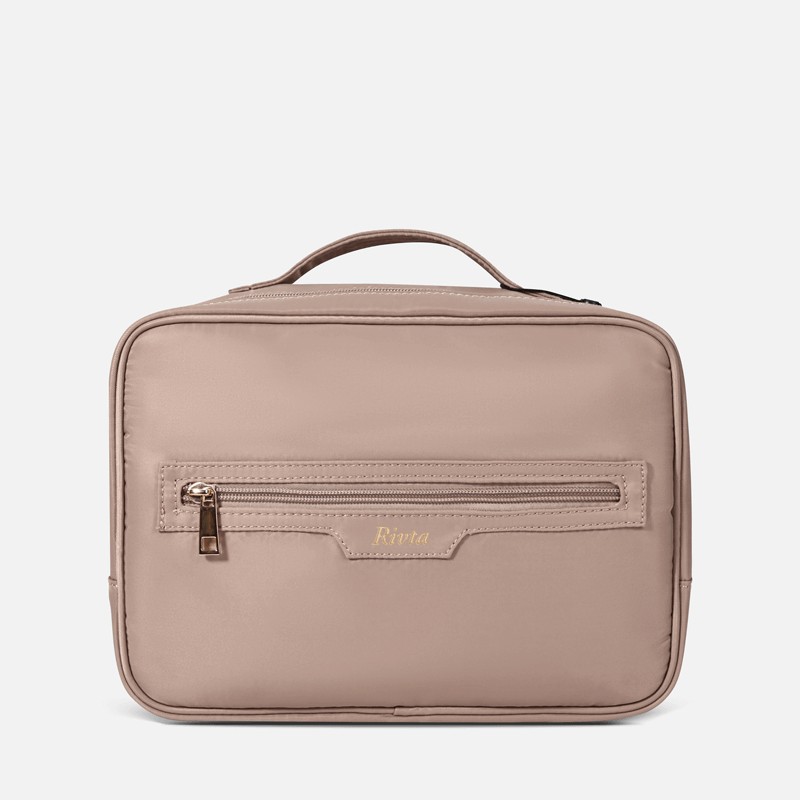
A GWP vanity case may need elegant branding and compact pack-out. A sellable vanity case may need item label, barcode, care wording, carton naming and retail-ready packing. If barcode or GTIN data is needed, the buyer should provide the identifier route. GS1 GTIN guidance 3 is useful background for sellable-unit identification.
Use a photo set to avoid hardware and interior misunderstandings
Vanity case details are hard to approve from one front-facing product photo. A useful sample file should include front view, side view, open interior, logo plate close-up, handle close-up, puller close-up, divider or insert view, and one filled-case photo. If the case will hold bottles, jars, brushes or a fragrance set, the filled photo is not optional; it is the only way to judge whether the interior layout works.
Buyers also need to decide what is allowed to vary. A logo plate may have a slight reflection difference between samples. A handle may have natural wrinkles if the material is soft. A divider may need a small tolerance around bottle height. Naming these tolerances in the approval file prevents a second sample from becoming a debate over details that are normal for the chosen construction.
For premium beauty programs, the final approval should feel like a brand object, not a checklist exercise. Still, the checklist is what protects the brand object: shell, logo, handle, puller, lining, interior label, divider, packing and carton handoff all need one clear approved version before bulk production.
Send the approval checklist before sampling
Send case size, shell material, logo plate artwork, hardware finish, handle requirement, puller route, interior label, divider or insert plan, fill list, packing route, quantity and launch date. Ecorivta can help turn that into a practical sample approval file.
FAQ
Should a logo plate be approved separately from the vanity case sample?
No. The buyer should approve the logo plate on the actual shell material, color and placement because scale and finish change the final look.
What should be checked for the handle?
Check handle feel, stitching or attachment strength, filled-case balance, hardware match and whether the handle interferes with packing.
Why does the fill list matter for interior label approval?
The fill list shows whether bottles, jars or tools cover the label, rub against the divider, or require a different insert layout.
Does every vanity GWP need barcode planning?
No. Barcode planning matters mainly for sellable SKUs, retail sets or buyer systems that require item identification.
FTC Green Guides are cited as a conservative boundary for environmental marketing claims when recycled or alternative material routes are discussed. ↩︎
OEKO-TEX STANDARD 100 is cited as a recognized textile testing reference for project-dependent lining or soft-component discussions. ↩︎
GS1 GTIN guidance is cited as background where the buyer needs sellable-unit identification or barcode planning. ↩︎