
A scrunchie supplier brief should reduce sampling loops
Beauty GWP scrunchies look simple, but a weak brief can still create slow sampling: the buyer sends a size and material, then later adds elastic comfort, card packing, logo label, color split, retail barcode or set-packing details. The supplier may quote one route while the final launch needs another.
A useful scrunchie supplier brief does not need to be long. It should tell the supplier the product role, material route, finished size, elastic feel, quantity by version, logo method, packing route, target market and launch window. That is enough for Ecorivta to suggest the first sample route without making the buyer fill in a heavy form.
If your team only has the basic direction now, send the product role, material, quantity and launch window by WhatsApp for a quick scrunchie brief review.
Send a scrunchie supplier brief
Start with the role: GWP, sellable item or kit companion
The first decision is not fabric. It is how the scrunchie will be used. A gift-with-purchase scrunchie may need a soft hand feel, brand color and simple pouch. A sellable scrunchie may need a backing card, barcode, stronger retail naming and tighter visual consistency. A launch-kit companion may need to coordinate with an eye mask, headband, pouch or hair clip rather than stand alone.
This role changes the supplier route. For a GWP, the buyer may prioritize perceived value and on-time launch. For a sellable SKU, the buyer may care more about repeatable SKU naming, carton count, barcode placement and retail card quality. For an influencer or PR kit, the packing experience may matter more than shelf display.
Hand off material, elastic and finished size together

For scrunchies, material and elastic cannot be approved separately. Silk, satin, velvet, cotton and recycled-material routes gather differently after sewing. A tight elastic changes the fullness and makes prints look more compressed. A loose elastic can look fuller on a table but feel weak in use.
For skin-contact textile routes, buyers may request project-dependent material documentation. OEKO-TEX STANDARD 100 1 is a recognized textile safety reference, but the document scope depends on the actual material, supplier chain and order route. When buyers discuss colorfastness, rubbing or textile performance, AATCC test methods 2 can be useful background.
The practical brief should state target fabric, approximate finished diameter, inner elastic comfort target, hair type if relevant, quantity range and whether the scrunchie must match another item in the set.
For faster sampling, buyers can also WhatsApp the fabric, size and elastic question before sending a full file.
Plan scrunchie MOQ and version split
Plan MOQ by version, not only total quantity

A buyer may say the order is 3,000 pieces, but the supplier needs to know whether that means one color, three colors, six prints, two packing versions or different market cartons. Version split affects material purchasing, cutting, label preparation, packing and QC evidence.
| Brief item | Buyer should send | Why it matters |
|---|---|---|
| Quantity | Total quantity and quantity by color or print | Prevents quoting one bulk route when the order is split into many small versions |
| Material | Fabric route, hand feel target and any document needs | Material route drives price, lead time and claim boundary |
| Elastic | Comfort direction and finished fullness target | Elastic affects function, shape and photo approval |
| Packing | Loose, pouch, card, box or set packing | Packing changes labor, sample route and carton count |
If the color split is still moving, WhatsApp the MOQ and version split so we can suggest the first quote route.
Logo and packing decisions should be in the same file
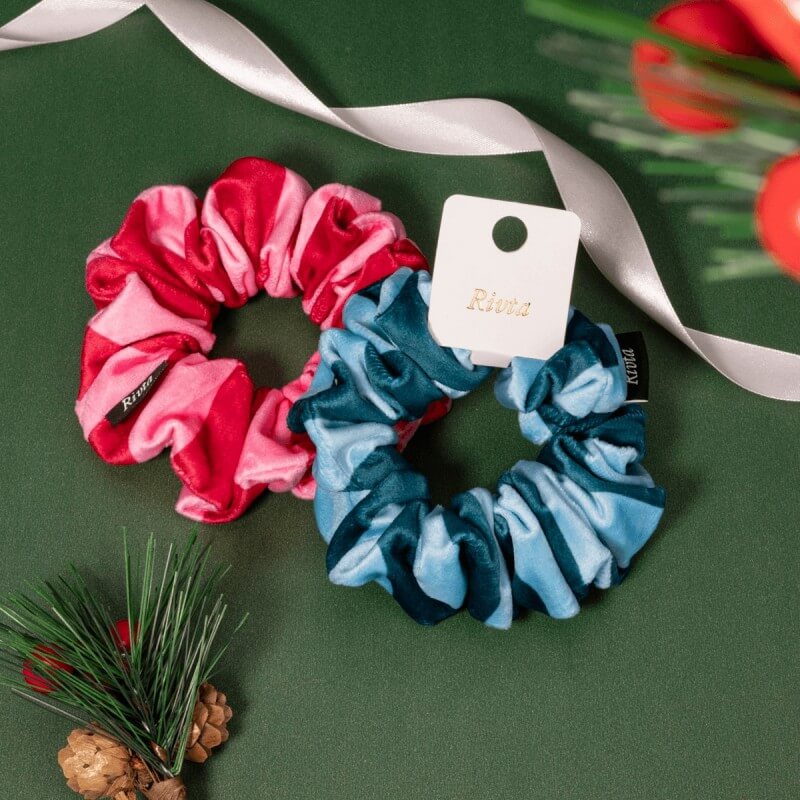
The logo route may be a woven label, printed label, hangtag, card, sticker, pouch or box. If the buyer decides the logo after sample approval, the sample may no longer represent the final product. This is especially important when the scrunchie is part of a beauty launch kit where the card, pouch or insert must match other items.
For sellable retail programs, barcode and product identification should come from the buyer or retailer. GS1 US barcode prefix guidance 3 is useful background, but Ecorivta should not invent GTIN, UPC, EAN or SKU ownership rules for the buyer.
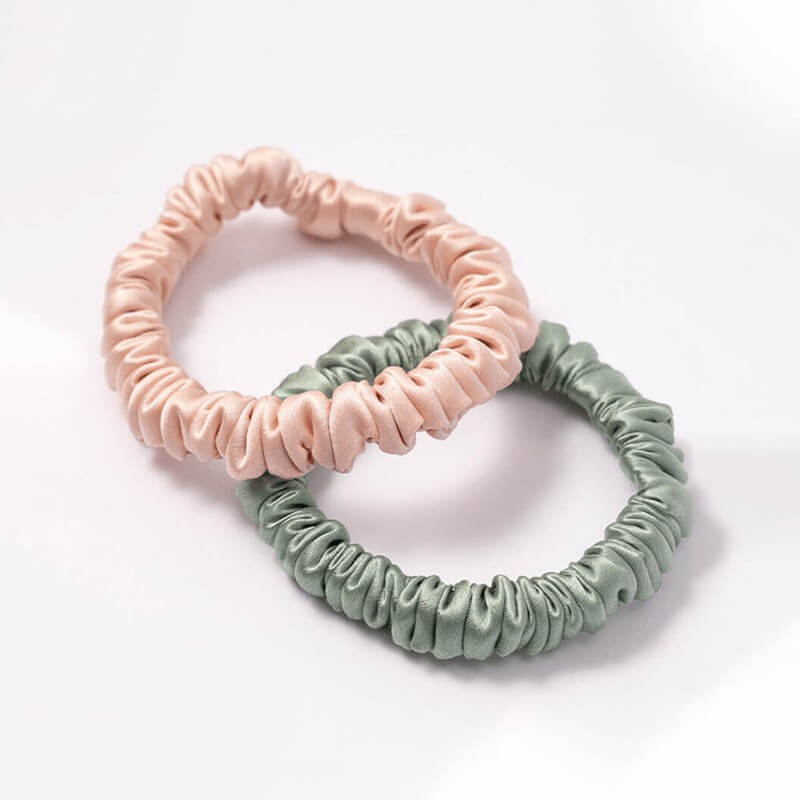
If material or environmental claims appear on the card, pouch or product page, claim wording should be checked before printing. The US Guides for the Use of Environmental Marketing Claims 4 are useful background for claim boundaries. The safer route is project-dependent wording based on the actual material and document scope.
Send the small file before asking for price
The buyer does not need to prepare a heavy technical pack. A concise brief is enough: product role, fabric route, color reference, finished size, elastic target, quantity by version, logo route, packing route, target market, launch window and any certificate or claim needs.
With that file, Ecorivta can suggest whether to start from fabric swatches, a full sample, a logo label review, or a small approval set. That keeps the conversation close to the buyer’s launch decision instead of turning into a generic price request.
For the fastest handoff, WhatsApp the scrunchie RFQ details and keep the Contact form for files or longer notes.
Send a Beauty GWP scrunchie RFQ
FAQ
What should a buyer send before asking for a scrunchie quote?
Send the product role, target fabric, finished size, elastic comfort target, quantity by color, logo method, packing route, target market and launch window.
Is one approved scrunchie sample enough for multiple colors?
Not always. If the material, print, elastic, card or packing version changes, each important version should be checked against the approved brief.
Should a GWP scrunchie and a sellable scrunchie use the same brief?
They can share basic specs, but a sellable item usually needs stronger barcode, card, label and retail packing details.
When should material claims be confirmed?
Confirm material and environmental claims before artwork and packing are locked, because claim wording depends on the actual material route and document scope.
Related Ecorivta pages and guides
- Scrunchies for material, logo, elastic and packing routes.
- Beauty GWP Accessories for launch-kit accessory planning.
- Quality Control for sample and bulk evidence.
-
OEKO-TEX STANDARD 100 is cited as a recognized textile safety reference when buyers ask about skin-contact material support. ↩︎
-
AATCC test methods are cited as textile-testing background when buyers discuss colorfastness, rubbing or material performance. ↩︎
-
GS1 US barcode prefix guidance is cited for sellable or retail-packed scrunchie programs where product identification comes from the buyer or retailer. ↩︎
-
The US environmental marketing claim guides are cited as claim-boundary background for material or environmental statements on packaging. ↩︎

对比丝印托特包的写实概念海报图;海报上的文字为:-Screen-Printing-vs.-Embroidery_-Which-Branding-Method-Suits-Custom-Canvas-Tote-Bags-300x168.jpg)


