Quick Summary
Acetate claw clip color approval is different from approving a flat fabric swatch. Tortoise, marble, pearl, translucent and sheet-cut patterns can vary from piece to piece. This article helps Beauty GWP buyers define an acceptable color and pattern range before they split colors, approve logo contrast or confirm card packing.
- Approve the intended look and the acceptable variation range, not only one perfect reference photo.
- Separate solid color, translucent color and patterned sheet routes before sampling.
- Check logo readability against dark, glossy, marble or tortoise patterns.
- Confirm color split and quantity plan before creating too many low-volume versions.
- Use sample photos under consistent lighting so internal teams approve the same visual target.
Approve a color route, not just a color name
A buyer may say “tortoise,” “marble,” “jelly,” “ivory” or “brand pink,” but each route behaves differently. A solid molded color is not the same as a translucent sheet or a patterned acetate sheet. For a Beauty GWP set, the buyer usually needs the clip to feel coordinated with the card, pouch, skincare set or campaign palette.
A shared color system can help the buyer communicate direction before physical samples are made.1 The final approval should still come from real sample photos or physical samples.
Patterned acetate needs an acceptable range
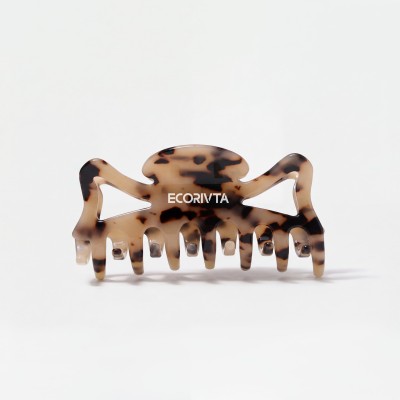
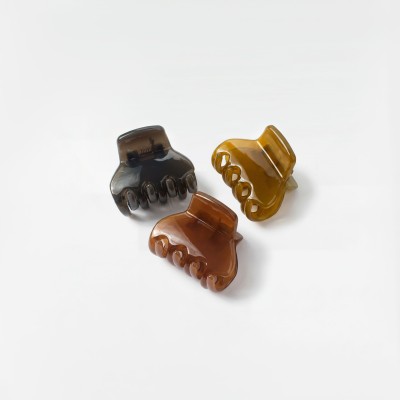
Tortoise, marble and pearl effects should not be approved as if every piece will match one perfect photo. The buyer should define what is acceptable: dark versus light pattern, amount of transparent area, contrast level, and whether random variation is part of the intended premium look.
| Route | What to approve | Common buyer risk |
|---|---|---|
| Solid color | Shade, gloss level, logo contrast and card match. | Digital color looks different from the final material. |
| Translucent color | Thickness effect, lighting effect and logo readability. | The color looks lighter or darker depending on background. |
| Tortoise or marble | Pattern range, contrast and sample-piece spread. | Buyer expects every clip to look exactly like one photo. |
| Pearl or glitter effect | Brightness, distribution, edge look and packaging photos. | The effect reads differently in close-up and shelf photos. |
Color and logo approval should be reviewed together
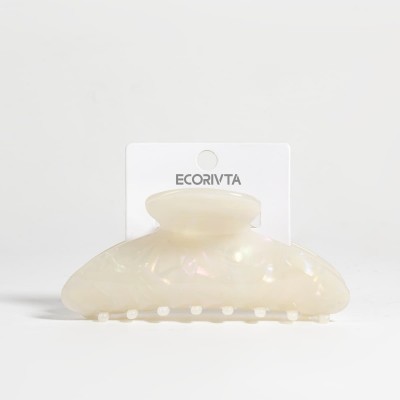
A logo that works on ivory acetate may disappear on tortoise or glossy black. A gold logo may look premium on one color and too low-contrast on another. Before the card is finalized, review one sample or mockup that shows clip color, logo color, card color and final product name together.
If fabric, elastic, card, pouch or other components are coordinated in the same set, colorfastness and material testing standards may enter the buyer’s internal review. AATCC standards are a relevant reference family for textile color and testing procedures.2
Color split can make MOQ and packing more complex
A six-color claw clip program may look attractive in a launch deck, but each color can create sample, approval, packing and stock-control work. Buyers should decide whether the color split is really needed for the launch, or whether a smaller first set can prove the route before expansion.
For material safety or accessory component claims, OEKO-TEX STANDARD 100 is a useful reference when tested textiles, threads, buttons or accessories are involved.3 Keep claims tied to the actual certificate scope and material route.
Buyer-useful color approval checklist
- Reference color or image, plus whether it is a target or an exact match request.
- Material route: solid, translucent, tortoise, marble, pearl or other sheet effect.
- Acceptable variation range for sheet pattern and shade.
- Logo color, size and position on each planned color.
- Card, sleeve or pouch color that must coordinate with the clip.
- Quantity per color and whether all colors share the same card version.
FAQ
Why does acetate pattern vary from piece to piece?
Patterned acetate is cut from sheets. Depending on where the piece is cut, tortoise, marble or pearl distribution can look different, so buyers should approve a range.
Can one photo approve a full color run?
One photo is useful but not enough for patterned or translucent routes. Ask for several sample pieces or a sheet-range photo when color consistency is important.
How does color affect logo approval?
Dark, glossy or patterned acetate can reduce logo readability. Test logo color, size and position on the actual color route before bulk.
Should color split be decided before sampling?
The first color direction can be sampled early, but the final color split should consider MOQ, card versions, target market and launch assortment.
Send a quote-ready claw clip brief
Send reference photos, color names or color codes, target finish, acceptable pattern range, number of colors, quantity per color, logo color, card or sleeve artwork, target market and launch window. If the project uses tortoise, marble or translucent effects, state whether the buyer accepts natural sheet variation or needs a tighter visual range.
-
Pantone color systems – used for color-reference communication between artwork, product color and packaging teams. ↩︎
-
AATCC standards overview – used for color and textile testing context where fabric, dye, elastic or trim colorfastness enters the brief. ↩︎
-
OEKO-TEX STANDARD 100 – used for careful wording around tested textiles, accessories and skin-contact material claims. ↩︎