Your packaging is just as important as your product. The cosmetic bag you choose is a direct reflection of your brand’s image and values. It’s an extension of the story you tell.
The best eco-friendly fabric aligns your brand’s story, function, and aesthetic. Choose recycled materials for durability, natural fibers for a pure feel, or vegan leathers for cruelty-free luxury. This choice directly communicates your brand’s commitment to sustainability and resonates with conscious consumers.
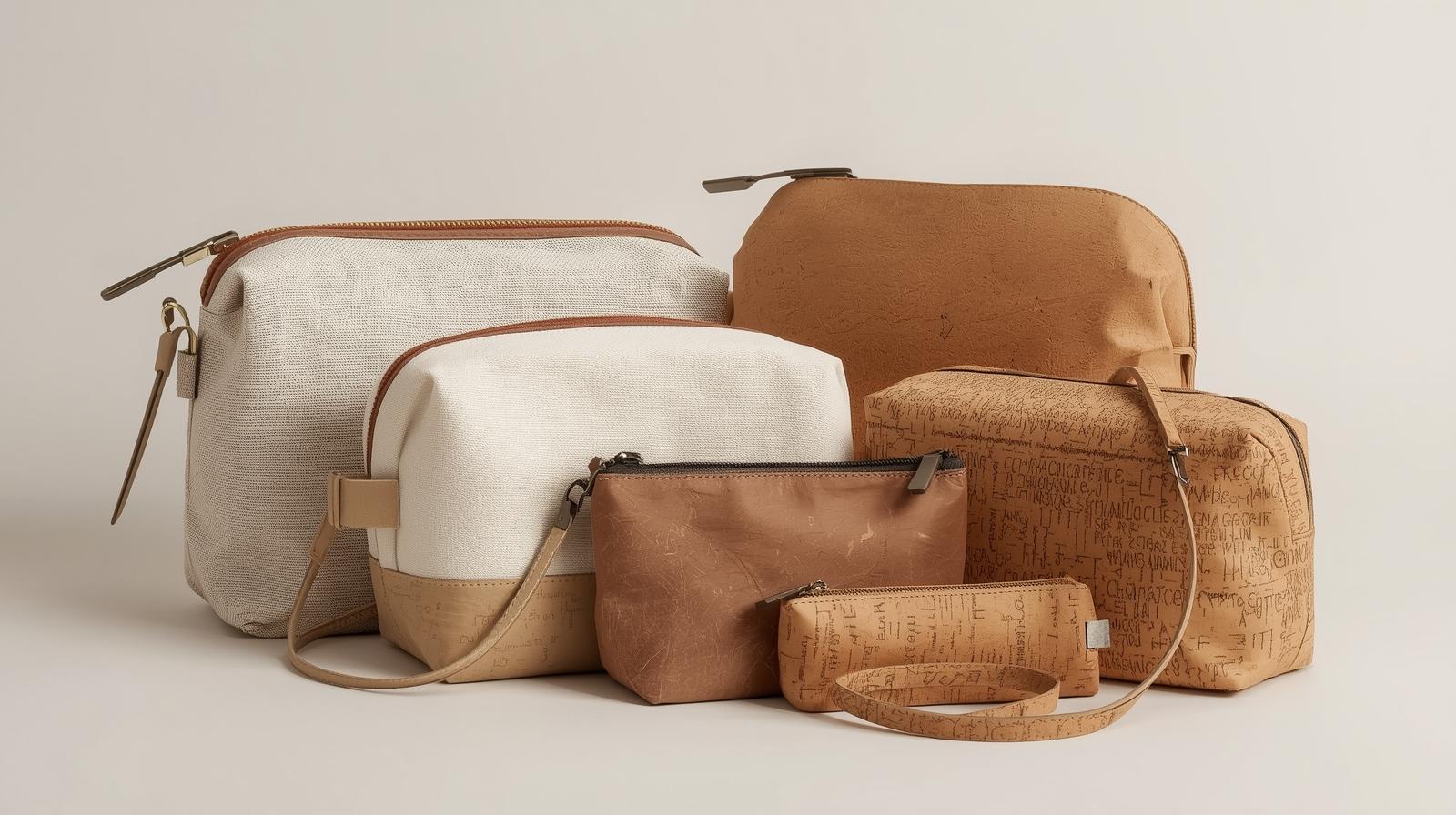
Today’s consumers, especially in the beauty and skincare world, are more aware of sustainability than ever before. They look for brands that share their values. A flimsy, disposable-feeling bag can create a disconnect, even if your product inside is top-tier and eco-conscious. The right material choice closes this gap. It turns a simple pouch into a powerful statement.
This article will help you navigate the world of sustainable materials. We will look at three main categories: recycled fabrics, natural plant-based options, and innovative vegan leathers. Understanding these will help you make a smart, informed decision for your brand.
How can recycled materials showcase your brand’s responsibility?
So much material ends up as waste. Brands often want to show they are part of the solution. Using recycled fabrics is a clear, tangible way to demonstrate a commitment to reducing waste.
Recycled materials, like rPET from plastic bottles and recycled nylon, transform waste into durable, versatile cosmetic bags. They drastically cut down on landfill and energy consumption, showcasing your brand’s dedication to a circular economy while offering excellent performance and endless design flexibility.
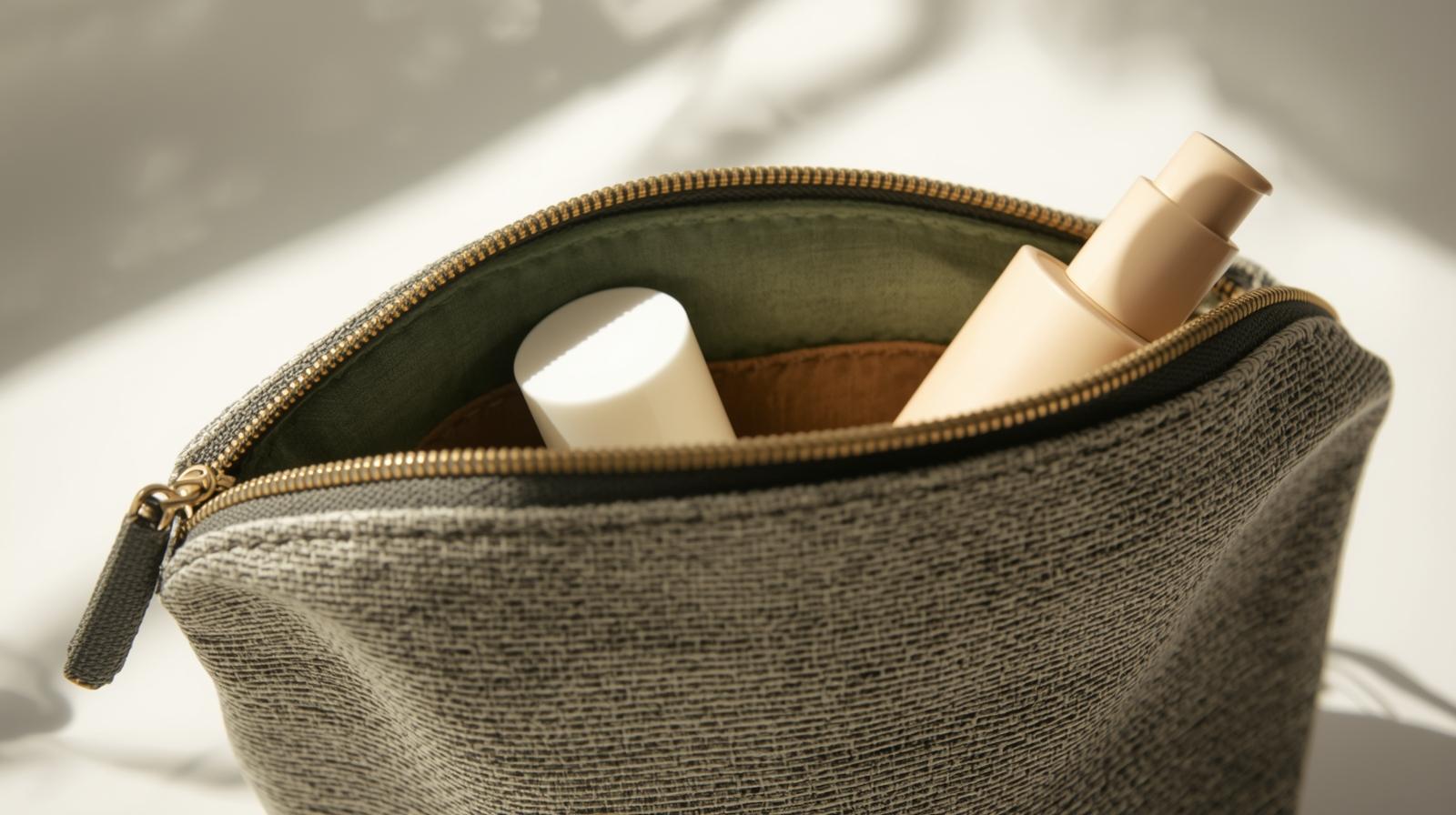
I remember working with a brand that was launching a new skincare line focused on clean, simple ingredients. They wanted their gift-with-purchase (GWP) bag to tell the same story. The challenge was finding a material that was both eco-friendly and sturdy enough for daily use. We proposed using rPET fabric made from recycled plastic bottles. The final product was a sleek, durable bag that carried a powerful story of transformation. The brand’s customers loved it, and the story of turning trash into treasure became a key part of their marketing campaign. This experience showed me how the right material isn’t just a technical choice; it’s a storytelling tool.
Exploring the World of Recycled Fabrics
Recycled materials are a fantastic choice for brands that want to make a visible commitment to the environment. They are practical, durable, and send a powerful message.
-
Recycled PET (rPET): This is one of the most popular recycled materials we work with. It comes from post-consumer plastic bottles, which are cleaned, shredded, and spun into a strong polyester yarn. It is incredibly durable, water-resistant, and provides a great surface for printing crisp logos and detailed designs. This makes it ideal for everyday makeup pouches or promotional bags that need to withstand heavy use. If your product needs packaging that tells a story of circularity, see what’s possible with our range of Recycled Makeup Bags ->.
-
Recycled Nylon: Sourced from items like old fishing nets and industrial plastic, recycled nylon is known for its strength and light weight. It has a smoother, slightly more premium feel than rPET and is perfect for travel kits or high-performance bags where durability is key. Its resilience makes it a long-lasting option that customers will use for years.
-
Recycled Cotton: This fabric gives a second life to textile waste from manufacturing. It has a soft, natural feel, making it a wonderful fit for brands with an organic or wellness focus. While not as water-resistant as synthetics, its gentle texture communicates a message of natural comfort and care.
Here is a simple breakdown of how these materials compare:
| Feature | Recycled PET (rPET) | Recycled Nylon | Recycled Cotton |
|---|---|---|---|
| Source | Plastic bottles | Fishing nets, industrial plastic | Post-industrial textile scraps |
| Feel | Smooth, structured | Silky, lightweight | Soft, natural |
| Durability | Very High | Highest | Moderate |
| Water Resistance | High | High | Low |
| Best For | Daily use, GWP, high-detail printing | Travel kits, premium GWP | Organic/wellness brands |
Choosing a recycled material is more than an eco-friendly choice; it’s a statement about your brand’s role in a more sustainable future. To truly stand by this commitment, it’s important to ensure your materials are properly certified. For a deeper understanding of what this means, learn more in our guide on What’s a GRS Certificate? ->.
Why are natural materials perfect for a pure and organic brand story?
Many brands build their identity around natural ingredients and purity. The packaging creates the first impression. Using a synthetic material can feel disconnected from a brand that champions all things natural.
Natural and plant-based fabrics like organic cotton and Lyocell offer unmatched biodegradability and a unique, tactile connection to nature. They perfectly align with organic, wellness, and clean-beauty brands, communicating a message of purity and gentle luxury from the very first touch.
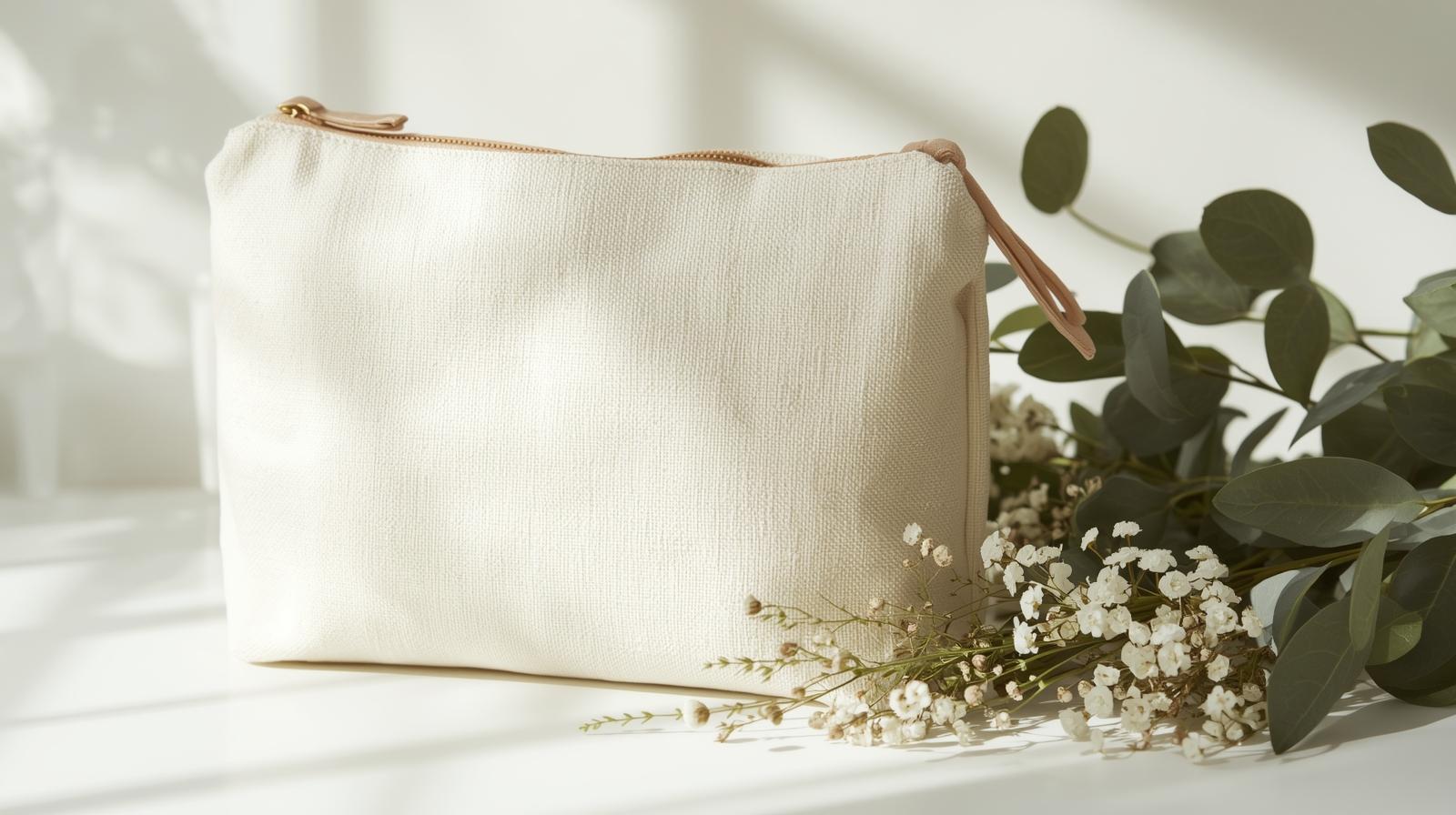
A few years ago, a client came to us for help with packaging for their new line of mother-and-baby skincare. Their products were certified organic, hypoallergenic, and made with the purest ingredients. They needed a bag that felt just as safe and gentle. We immediately guided them toward GOTS-certified organic cotton. The final bag was incredibly soft, undyed, and felt as pure as their product promise. They received feedback from customers who said they repurposed the bag for baby essentials because they trusted its quality and safety. This proved that when the material aligns perfectly with the brand’s core promise, the packaging becomes an integral part of the product experience.
From the Earth: Plant-Based and Natural Options
These materials connect your product directly to the natural world. Their stories are rooted in sustainable farming and incredible textures.
-
Organic Cotton: Grown without pesticides or synthetic fertilizers, organic cotton is kind to the planet and to the skin. Its softness makes it perfect for products that touch the face or are used for sensitive skin. It’s an ideal match for organic skincare lines and brands that want to project an image of gentle, natural care. To explore options that feel as good as they look, check out our collection of Organic / Canvas Makeup Bags ->.
-
Lyocell (TENCEL™): This is a standout material for premium brands. Derived from sustainably managed wood pulp, Lyocell is produced in a closed-loop process that recycles water and solvents. The fabric is silky smooth, breathable, and highly absorbent, giving it a luxurious feel that is perfect for housing high-end serums or essential oil collections.
-
Innovative Plant Fibers: The world of materials is always evolving. We’re seeing amazing fabrics made from pineapple leaves (Piñatex), banana stalks, and bamboo. These materials are not only sustainable but also have unique textures and compelling origin stories that can set a forward-thinking brand apart. They are excellent for brands wanting to highlight innovation and a deep connection to nature.
This table highlights the distinct qualities of these natural materials:
| Feature | Organic Cotton | Lyocell (TENCEL™) | Innovative Plant Fibers |
|---|---|---|---|
| Core Message | Purity, Safety, Gentleness | Sustainable Luxury, Smoothness | Innovation, Uniqueness |
| Feel | Soft, breathable, familiar | Silky, cool, drapey | Textured, unique, novel |
| Sustainability Story | Pesticide-free farming | Closed-loop production, wood source | Use of agricultural by-products |
| Ideal For | Organic skincare, baby products | High-end cosmetics, serum kits | Avant-garde or story-driven brands |
Choosing a natural, plant-based material gives your cosmetic bag an authentic, earthy appeal. It tells customers that you care about what goes on their skin and how your brand impacts the planet.
Can vegan leather deliver luxury without compromise?
Beauty brands often want to convey a sense of luxury and quality. For years, traditional leather was the go-to material for this. But many modern consumers and brands are firmly against animal cruelty.
Innovative vegan leathers, made from sources like apples, cacti, and cork, offer the rich look and feel of traditional leather with zero animal cruelty. They allow brands to uphold a strong ethical stance without sacrificing a premium, luxurious aesthetic, appealing to the modern, conscious consumer.
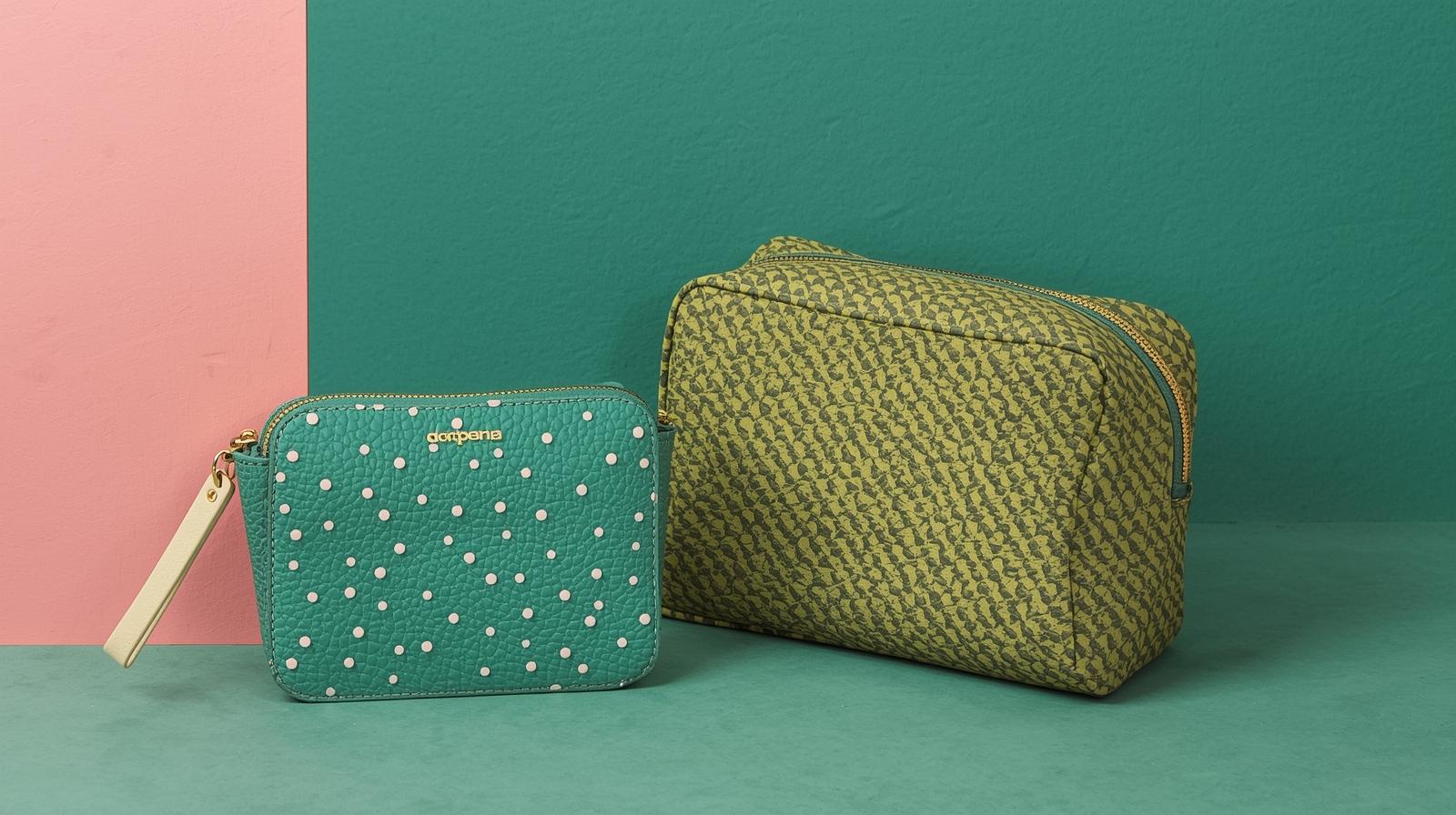
I’ll never forget the challenge from a high-end makeup brand. Their entire identity was built on bold, luxurious, and cruelty-free products. They wanted a makeup case for a new collection that felt expensive and exclusive but was 100% vegan. We introduced them to a new material at the time—leather made from apple waste. They were skeptical at first, but when they held the sample, they were amazed. It had a supple texture and a unique grain that felt incredibly high-end. We designed a structured case with their gold-foil logo, and it became an instant hit. This project taught us that ethical choices and luxury are not mutually exclusive. The right innovation can bring them together perfectly.
The Future of Cruelty-Free Luxury
Vegan leather demonstrates a brand’s commitment to both ethics and style. These materials are at the forefront of sustainable innovation.
-
Fruit & Plant Leathers: This is an exciting and growing category. Materials are being created from the waste of fruit industries, such as apples, pineapples, and grapes. We are also seeing incredible leathers made from cactus leaves and corn. Each has a unique texture and a powerful story. For instance, cactus leather is incredibly soft and durable, while requiring very little water to produce. These are perfect for high-end cosmetic or skincare brands aiming to convey a message of clean, natural, and innovative luxury.
-
Cork Leather: Harvested from the bark of cork oak trees without harming the tree, cork is a truly remarkable material. It is lightweight, waterproof, and has a beautiful, earthy texture that is completely unique. Cork is a fantastic choice for brands targeting a sophisticated, eco-aware audience, including men’s grooming lines or fragrance brands.
-
Other Innovations: The field is constantly expanding. We are exploring materials like coconut leather, which repurposes a common byproduct, and even silicone leather, which is non-toxic and highly durable. These options show that your brand is forward-thinking and committed to finding the best ethical solutions.
Comparing these options can help clarify which story fits your brand best:
| Material | Apple/Cactus Leather | Cork Leather |
|---|---|---|
| Aesthetic | Smooth to textured, mimics traditional leather | Natural, speckled, unique |
| Key Benefit | Upcycles agricultural waste, “clean” story | Tree-friendly harvesting, waterproof |
| Brand Fit | High-end, innovative, luxury beauty | Natural, artisanal, unique lifestyle |
| Feel | Soft, supple, durable | Lightweight, warm, textured |
Vegan leather allows a brand to be bold about its ethical standards while delivering a product that feels exclusive and luxurious. For brands wondering how to make these materials look their best, our guide on How To Make an Eco-Friendly Cosmetic Bag Look Expensive -> provides some valuable insights.
How do you make the right choice for your brand?
With so many excellent options, the choice can feel overwhelming. It’s not just about picking an “eco” fabric. It’s about finding the perfect material that aligns with your brand’s unique identity, budget, and functional needs.
The right choice comes from balancing your brand’s core values, your customer’s expectations, and the bag’s intended use. A simple evaluation of durability, aesthetic, eco-story, and cost will guide you to the perfect material that elevates your brand and resonates with your audience.
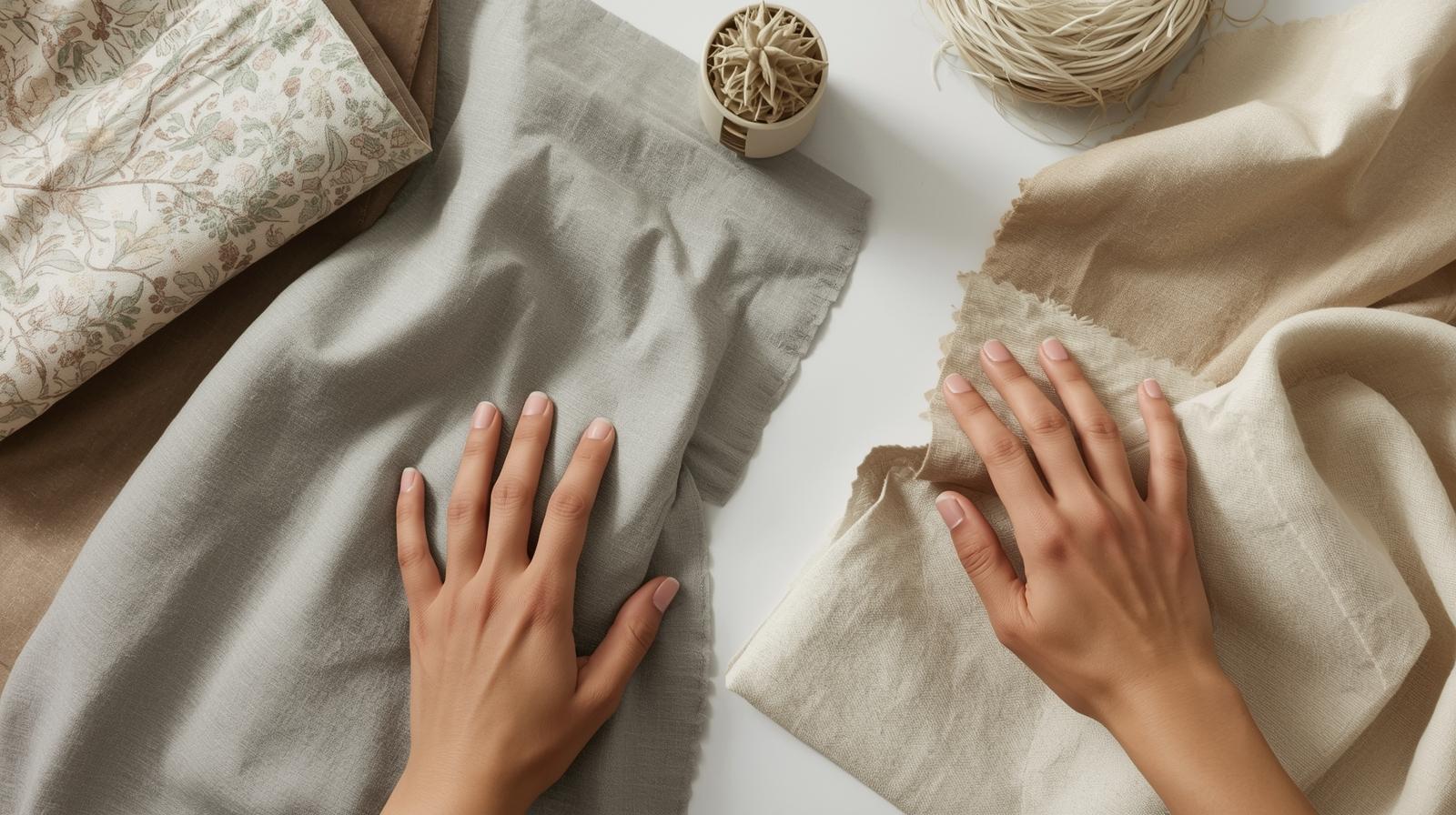
Making the right decision requires a clear understanding of your goals. I often walk clients through a simple series of questions. What is the single most important message you want this bag to send? Is it about recycling, natural purity, or cruelty-free luxury? Who is the end user, and what will they value most—a rugged bag for travel or a soft pouch for their vanity? What does your budget look like? Answering these questions honestly often makes the path forward much clearer. Once a material is chosen, the next step is branding. It’s crucial that the printing method complements the fabric. For more on this, explore our Simple Guide to Printing Logos on Eco-Friendly Cosmetic Bag Fabrics ->.
Your Decision-Making Guide
To simplify the process, let’s compare the three main categories side-by-side. Use this table as a starting point to see which category best aligns with your brand’s goals.
| Feature | Recycled Materials (e.g., rPET) | Natural Materials (e.g., Organic Cotton) | Vegan Leather (e.g., Apple Skin) |
|---|---|---|---|
| Eco-Story | Circular Economy: Reducing waste | Biodegradable: From the earth, back to the earth | Cruelty-Free: Ethical & innovative |
| Look & Feel | Versatile, modern, structured | Soft, natural, gentle | Luxurious, premium, unique textures |
| Durability | High to Very High | Moderate | Moderate to High |
| Cost | $$ (Moderate) | $$ (Moderate) | $$$ (Higher) |
| Best For Brands That Are | Trendy, practical, focused on circularity | Organic, natural, wellness-focused | Premium, luxury, fashion-forward, ethical |
After reviewing the table, ask yourself these guiding questions:
- What is your brand’s core value? Is it rooted in scientific innovation (recycled materials), natural purity (organic cotton), or ethical luxury (vegan leather)? Your material should be a physical extension of this value.
- Who is your target customer? What do they care about most? A customer buying a $150 serum will have different expectations for a GWP bag than someone buying a trendy, affordable lip gloss.
- What is the bag’s main purpose? Is it a one-time promotional gift, a durable travel case, or a retail product meant to be sold on its own? The function will heavily influence your durability and material requirements. For specific applications like travel, you might want to explore our full range of Toiletry & Travel Bags ->.
Thinking through these points will help you move from a broad list of options to a clear, confident choice.
Conclusion
Choosing the right eco-friendly fabric is a key step in building a cohesive brand. With our expertise, we can help you find the perfect material to create a beautiful, sustainable cosmetic bag.