Quick Buyer Summary for Keychains and Bag Charms
For Beauty GWP keychains and bag charms, the buyer should first decide the product role. The same item can be a keychain, bag charm, car key charm, pouch charm or add-on gift. Once that role is clear, material, logo method, attachment hardware and packing can be chosen without confusing the sample route.
Color decisions can be controlled with a system such as Pantone Color Systems 1, retail or barcode handoff can refer to GS1 Identification Standards 2, and reusable or environmental claim wording should stay careful under guidance such as FTC Green Guides 3.
Start With the Role: Keychain, Bag Charm or Car Key Charm
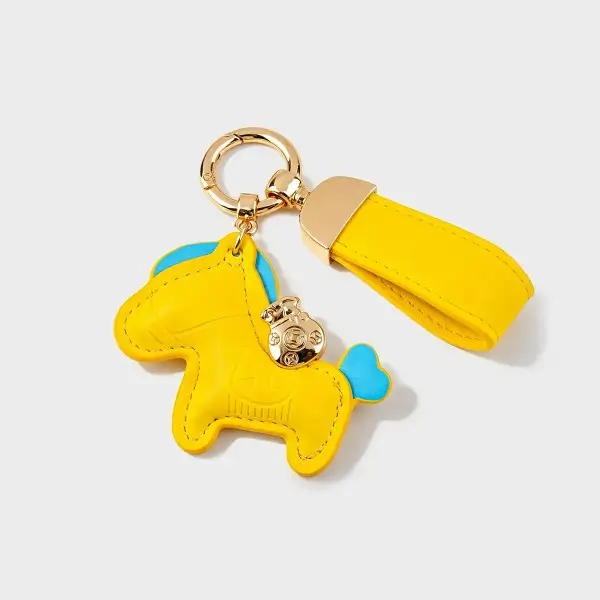
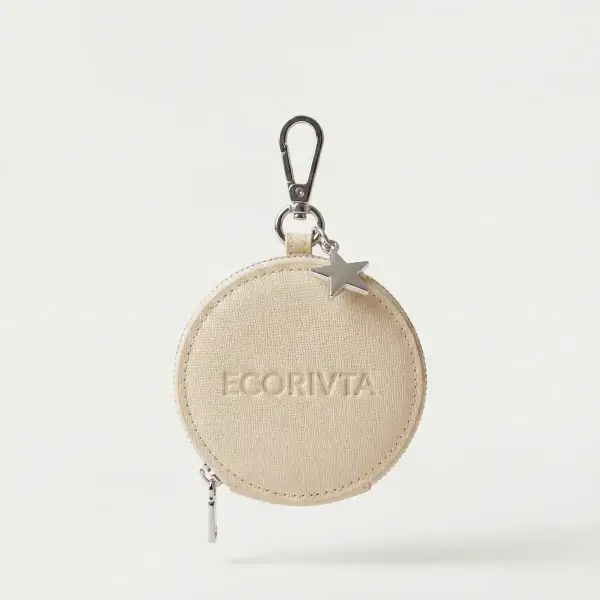
A beauty accessory buyer may call the same product a keychain, a bag charm or a car key charm. Those names are not just wording. They change the size, attachment hardware, packing and quality expectation. A car key charm needs stronger hardware and cleaner wear resistance. A bag charm can be more decorative. A pouch charm may need to match the pouch color and sit well on a zipper pull or handle.
This is why the first RFQ question should be: where will the customer use it? If it sits on a handbag, the buyer may care about visual impact and finish. If it sits on car keys, the buyer may care more about hardware strength and scratch resistance. If it is packed inside a Beauty GWP kit, the buyer may care about color match and brand storytelling.
Once the role is clear, the supplier can recommend the right material and attachment route instead of quoting a generic keychain that does not match the program. This keeps the buyer’s first message simple and still gives the factory enough direction for a useful sample.
| Buyer decision | Route options | Why it matters |
|---|---|---|
| Product role | Keychain, bag charm, car key charm, pouch charm or set add-on. | The role decides size, hardware strength, packing and perceived value. |
| Material | Acrylic, resin, sewn fabric, beaded route, mini pouch or metal detail. | Material changes cost, color, weight, logo method and campaign feel. |
| Attachment | Split ring, lobster clasp, cord loop, ball chain, bead string or ribbon loop. | Attachment is the part that makes the item usable, not just decorative. |
| Logo route | Charm logo, woven tag, metal plate, printed card, pouch logo or sleeve logo. | Small products often need brand visibility through packing, not only the item. |
Material Should Match the Gift Level
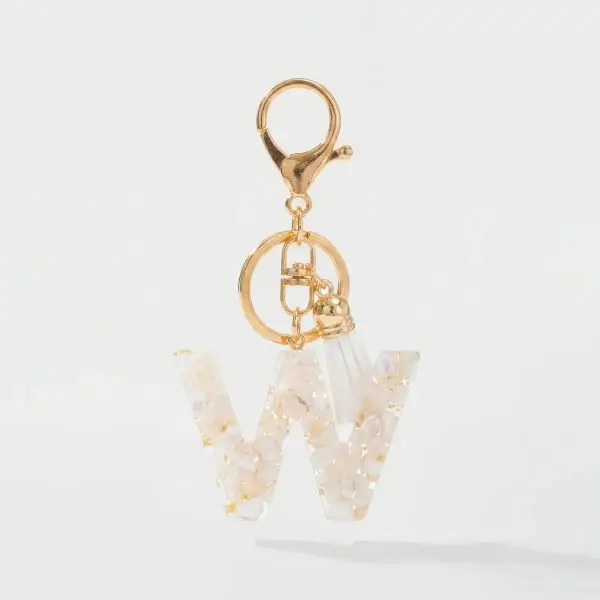
Keychains and bag charms can be made from acrylic, resin, soft sewn fabric, beads, ribbon, mini pouch construction or mixed hardware. For a premium beauty GWP, the material should feel intentional rather than like a leftover promotional item. The buyer should confirm whether the charm needs shine, softness, light weight, color depth, sustainability story or a tactile detail.
If the charm is linked to a cosmetic pouch or tote, the material should not fight the main product. A soft fabric charm can pair well with sewn accessories. Acrylic or resin can create color and shape impact. Beaded or cord routes can feel more decorative but need careful hardware and color approval.
A practical way to brief the material is to name the visual role first. If the charm should look playful, acrylic, resin, beads or a shaped charm may work. If the charm should feel soft and premium, sewn fabric, ribbon, small pouch construction or woven label details may work better. If the buyer wants a car key route, the material should also be checked for scratch resistance, weight and how it feels in daily handling.
Color is another common approval point. A bead string, acrylic charm, cord loop and fabric tag can all interpret the same brand color differently. The buyer should approve the actual material color and not rely only on a digital mockup. When the charm is paired with a pouch or tote, approve the charm color beside the main product sample.
Attachment Hardware Is a Functional Decision
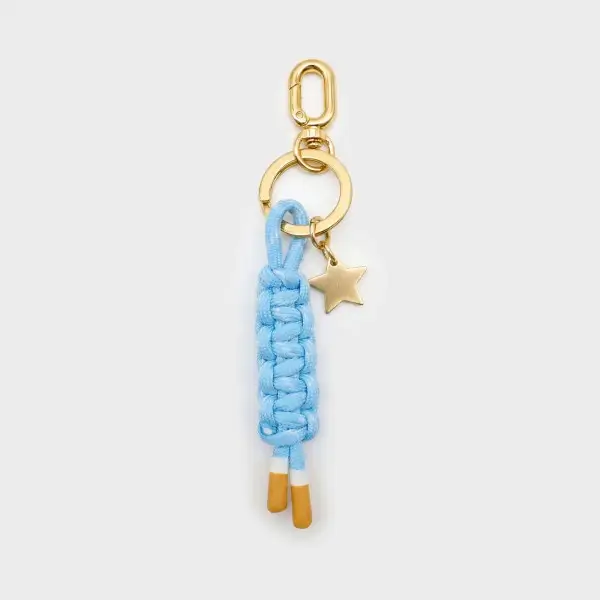
The attachment route should be approved before bulk. Split rings, lobster clasps, cord loops, ball chains and bead strings all create different user experiences. A charm that looks good but falls off the bag or key ring will hurt the brand. The sample should show the exact hardware size, finish, color and connection point.
Logo placement needs the same practical thinking. Sometimes the product is too small for a clean logo, so the logo belongs on a woven tag, mini card, pouch, sleeve or hang tag. If the buyer insists on logo on the charm, the supplier should confirm whether printing, engraving, plate, woven label or tag route gives the cleanest result.
The attachment should also match the final use. A split ring may be right for car keys, while a lobster clasp may be easier for a bag charm. A cord loop can feel softer and work better with pouches, but it needs knot strength and color approval. A bead string can look decorative, but the supplier should check whether the string and stopper can handle regular handling.
For logo approval, the buyer should ask for close-up photos. A tiny logo may look good in the artwork file but disappear on a textured tag or curved charm. The sample photo should show the logo at normal viewing distance and close-up distance, then show the complete charm with its attachment hardware.
Packing Turns a Small Charm Into a Brand Item
Small accessories are easy to undervalue if they are quoted without packing. For Beauty GWP, packing can make the difference between a loose add-on and a polished campaign component. A pouch, sleeve, card or small box can carry the logo, material note, barcode or campaign message while protecting the charm.
The approval sample should show item, attachment, logo route and final packing together. If the charm is part of a larger kit, the buyer should also check color with the pouch, tote, cosmetic bag or hair accessory set. This avoids the common problem where each item is approved separately but the final set does not look unified.
A useful RFQ can stay short: send the intended role, reference photo, material preference, attachment route, logo idea, quantity, target market and launch date. Ecorivta can turn that into a sample route for keychains, bag charms, car key charms or pouch charms.
For a retail or GWP handoff, the buyer should also confirm whether the charm is packed loose, on a card, in a pouch or inside a larger kit. Loose packing can be efficient for simple add-ons, but a card or pouch may be better when the charm needs to feel like a complete gift. If barcode, SKU or carton marks are needed, those should be included before the final pack-out is approved.
Send a Keychain or Bag Charm Brief
Send the intended use, reference photo, material route, attachment hardware, logo idea, packing role, quantity and launch window. Ecorivta can recommend whether the item should be built as a keychain, bag charm, car key charm or pouch charm.
Beauty GWP Keychain and Bag Charm Questions
Should this product be called a keychain or bag charm?
Use the buyer’s intended use. If it goes on keys, treat it as a keychain or car key charm. If it hangs from a bag or pouch, treat it as a bag charm or pouch charm.
What attachment route should be confirmed?
Confirm split ring, lobster clasp, cord loop, ball chain, bead string or ribbon loop before logo and packing approval.
Can the logo go on the charm itself?
Sometimes yes, but for small charms the cleaner route may be a woven tag, metal plate, pouch logo, sleeve or backing card.
What should the buyer send first?
Send role, reference image, material preference, attachment route, logo idea, quantity, target market and launch date.
Related Ecorivta pages and guides
- Custom Beauty GWP Keychains and Bag Charms – Main page for keychain, bag charm and car key charm routes.
- Beauty GWP Accessories – Use this hub when charms support a wider launch kit.
- Contact Ecorivta – Send a focused add-on accessory RFQ.
Evidence Used in This Brief
-
Pantone Color Systems – Used for brand color communication across product, logo, trim, print and packaging. ↩︎
-
GS1 Identification Standards – Used for UPC, barcode and retail identification discussions when products move into store or kit logistics. ↩︎
-
FTC Green Guides – Used as a reference for careful wording around reusable, sustainable or environmental claims. ↩︎