Quick Buyer Summary
A silk pillowcase sample approval checklist should turn subjective comments such as “softer,” “more premium” or “same color” into visible acceptance points. Approve the exact physical sample and keep the signed reference for bulk comparison.
- Separate the fibre composition from the satin weave and approve the label wording for the target market.
- Measure finished size and closure depth on the conditioned sample, not only on the pattern.
- Check seams, corners, zipper or envelope construction, label position and face-contact areas.
- Approve color and sheen against a physical reference under a recorded lighting condition.
- Freeze the folded pack, approved sample, comment sheet and artwork versions as the bulk handoff.
Send a pillowcase sample checklist
Turn the sample into a measurable approval record
The buyer should know what will be compared during bulk production before approving the first pillowcase. A silk pillowcase sample approval checklist is most useful when every row names the check, the method, the approved result, the reference file or sample and the person authorized to approve changes.
| Checkpoint | Record before approval | Hold condition |
|---|---|---|
| Material identity | Verified fibre composition, weave, finish and supplier reference | Marketing wording is broader than the verified material |
| Finished size | Measurement method, tolerance route and sample condition | Pattern size is used as finished size without measurement |
| Closure | Zipper/envelope details, opening, overlap and puller route | Insert fit or opening behavior is not reviewed |
| Appearance | Seams, corners, sheen, color, marks and label position | Only a front photo is approved |
| Packing | Fold method, protective bag, card, barcode and presentation side | Packout is left until after bulk sewing |
The related RFQ brief helps define what should be sampled. This checklist begins after the physical sample arrives and owns the approval decision rather than the initial product brief.
Review pillowcase sample comments
Verify fibre wording before approving handfeel
Silk is a fibre; satin is a weave. A sample can have a satin surface without being silk. The approval file should therefore state the verified fibre composition, weave/finish route and exact wording intended for the sewn label, packaging and online product page. Avoid approving “silk” only because the fabric looks shiny or because a reference image uses that word.
For US textile labeling context, the FTC textile labeling guide 1 describes fibre-content, origin and responsible-business disclosures for covered textile products. Exact applicability and care requirements depend on the finished product and target market, so the brand or importer should confirm its legal route rather than treating this checklist as legal advice.
Measure finished size and closure on the physical sample
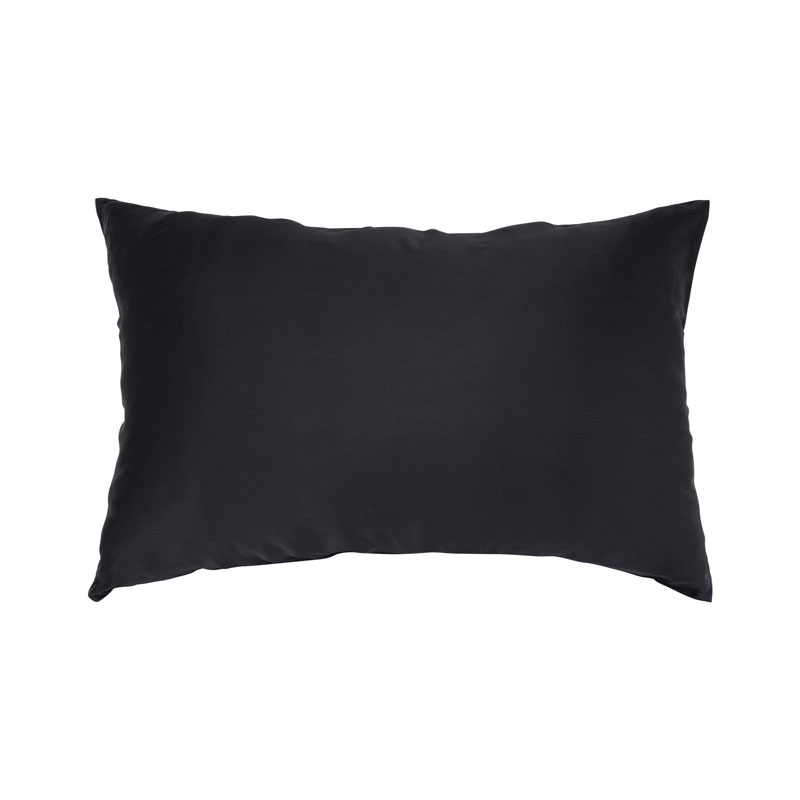
Record whether the sample is measured flat, relaxed, after conditioning or after an agreed care cycle. State the points of measurement and the tolerance route. If the pillowcase uses a zipper, approve zipper length, opening, puller, end stops and whether hardware can contact the user. If it uses an envelope closure, approve overlap depth and insert retention.
A dimension written as “standard” is not an acceptance rule. The silk pillowcase sample approval checklist should record actual finished measurements and any allowed variation by point. If the buyer changes pillow insert size, fabric, closure or seam allowance, the sample may need remeasurement.
Inspect seams, corners and stress before judging the front view
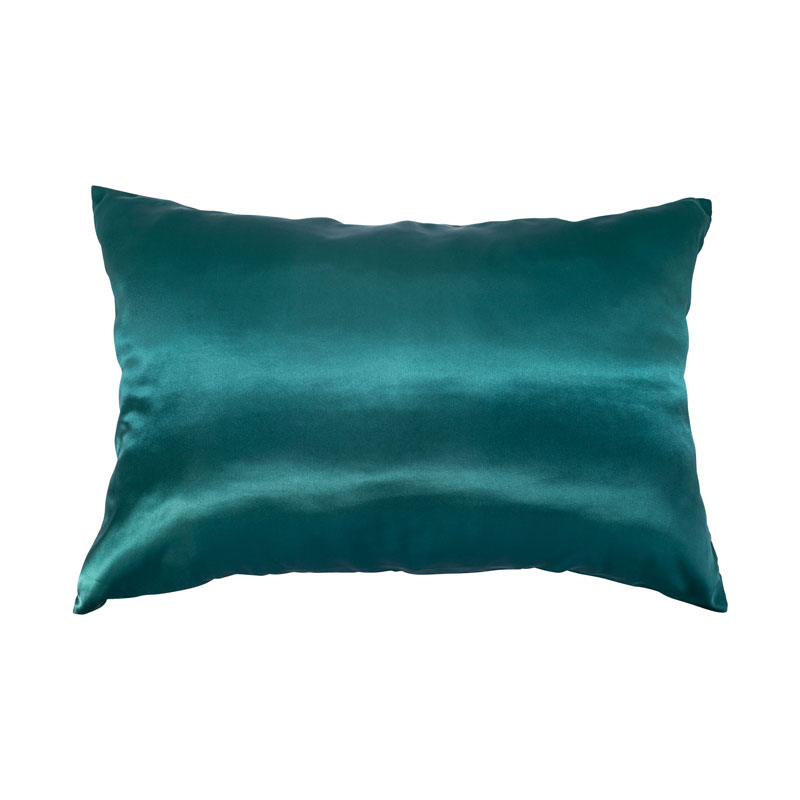
Shiny fabrics reveal puckering, needle marks, uneven feeding and pressure more readily than many matte fabrics. Review all edges under normal viewing distance and close inspection. Turn the sample inside out if the construction allows it, check loose threads and seam allowance consistency, and inspect the closure ends for concentrated stress.
Do not accept only the most flattering angle. Keep front, back, opening, label, corner and folded-pack photos with the signed comment sheet. If a defect is accepted as a limit sample, describe and photograph that boundary rather than writing “OK.”
Approve color and sheen with a physical reference
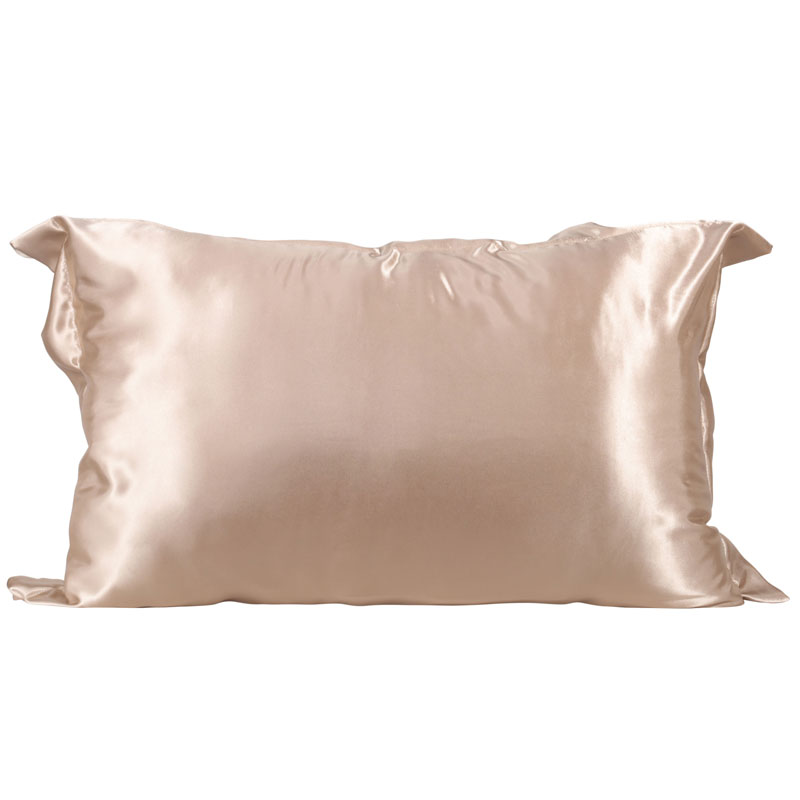
Screen color is not a production standard. Pantone notes that a current physical color standard is important when a project moves from digital display to physical production; see its official physical color sample guidance 2. For satin surfaces, also record the viewing direction and lighting because sheen can change the apparent shade.
The buyer should approve the fabric color separately from the zipper tape, elastic, thread, woven label and printed card. If these materials cannot match perfectly, the silk pillowcase sample approval checklist should identify the master reference and the accepted coordinated range.
Freeze label placement and folded pack before bulk handoff
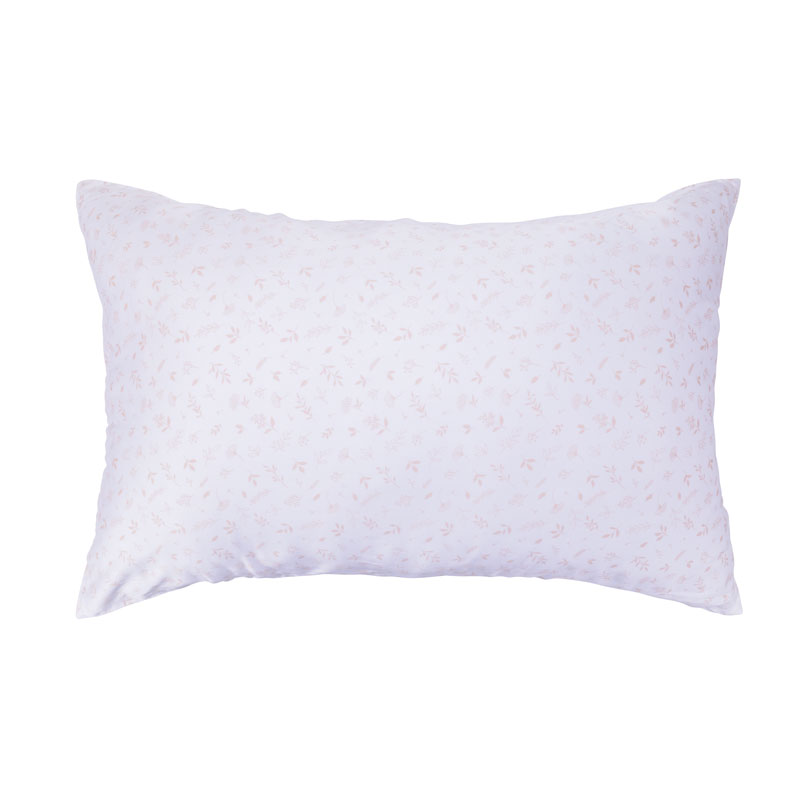
Confirm label dimensions, artwork version, sewing position, orientation and whether the label or seam can touch the user’s face. Review care and fibre wording with the responsible market team. Then fold and pack the approved sample using the final method so the pack size, presentation side and barcode or card placement can be frozen.
The bulk handoff should include the signed physical sample, annotated photos, measurement sheet, material reference, color reference, final label and packaging files, quantity split and a clear rule for handling later changes. If one approved file changes, identify which sample and packing checks must be reopened.
Send the approved sample and files as one bulk reference
Send the product role, target market, verified material wording, finished measurements, closure details, color reference, logo/label files, packaging route, quantity split and signed sample comments. Ecorivta can use that handoff to align the pre-production or bulk reference without inventing an unverified material, tolerance, test or certification claim.
Send the pillowcase bulk handoff
FAQ
Is satin the same as silk when approving a pillowcase sample?
No. Silk is a fibre and satin is a weave. Verify the actual fibre composition and approve the exact label and marketing wording for the project.
Should the sample be washed before approval?
Only when the project brief requires an agreed care or performance check and the method is defined. Do not claim wash performance from appearance alone.
What photos should be kept with the approved sample?
Keep front, back, opening, closure ends, seams, corners, label placement, color reference and final folded pack views, plus any accepted limit sample.
Can a digital color approval replace a physical reference?
It is not recommended for final production approval. Use a current physical reference and record the lighting and viewing condition, especially for shiny fabrics.
What changes require the sample approval to be reopened?
Material, finish, color, finished size, closure, seam, label, packing or artwork changes may affect the approved result. Record which checks must be repeated.
Evidence Used in This Brief
-
FTC textile labeling guide – FTC guidance is cited for US textile labeling context. The buyer or importer remains responsible for confirming exact product and market applicability. ↩︎
-
physical color sample guidance – Pantone guidance is cited for using current physical color references when moving from digital design to physical production. ↩︎