Searching for a truly eco-friendly partner feels impossible. You want to make a positive impact, but you worry about choosing a supplier who doesn’t share your values, risking your brand’s reputation.
To choose the right eco-friendly cosmetic bag manufacturer, watch for red flags like vague sustainability claims[^1], poor communication, reluctance to provide samples, unrealistically low prices, and a rigid, theoretical approach that ignores the practical realities of sustainable production. A true partner will be transparent and practical.
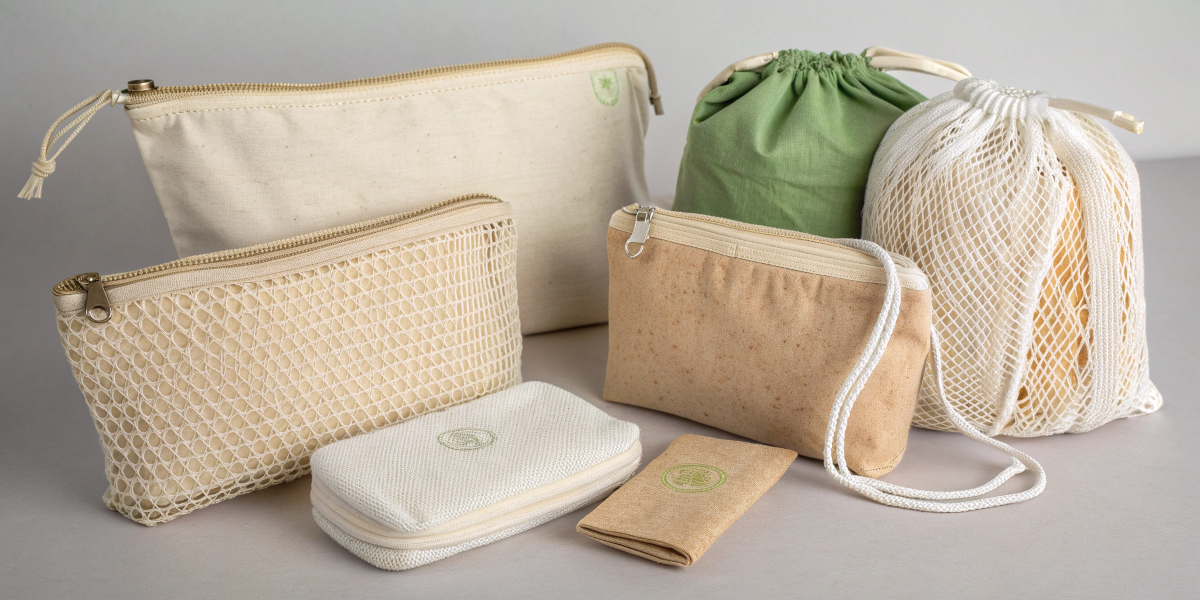
Finding the right manufacturing partner is one of the most important decisions you’ll make. It goes beyond just the product; it’s about finding a team that understands your mission and can bring your vision to life without compromising on quality or ethics. As someone who has been in this industry for over 30 years, I’ve seen it all. I want to share some critical red flags I’ve learned to spot. Paying attention to these signs will help you build a strong, transparent, and truly sustainable partnership that protects your brand and delivers exceptional products your customers will love.
Red Flag #1: Vague Sustainability Claims Without Third-Party Certifications
You’re committed to sustainability, but manufacturers make bold claims with no proof. This leaves you feeling uncertain and worried that you might be unintentionally supporting greenwashing[^3], which could damage your brand’s credibility.
Vague sustainability claims are a major red flag. A reliable manufacturer will back up their claims with recognized third-party certifications like GRS for recycled materials. They should provide clear, verifiable proof of their eco-friendly practices, not just empty marketing words.
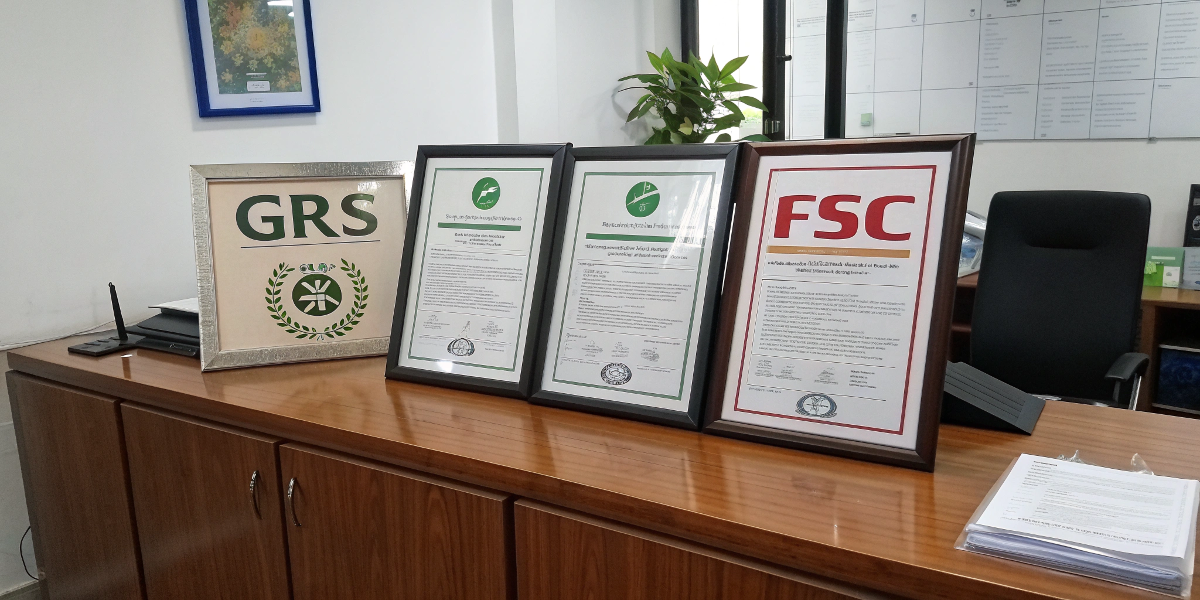
In my experience, talk is cheap. A genuine eco-conscious manufacturer invests in getting their materials and processes certified. For recycled materials, the Global Recycled Standard (GRS)[^4] is the benchmark. However, a GRS certificate for the raw material supplier is just the first step. To ensure the specific batch of fabric used for your order is legitimate, you should always ask for the Transaction Certificate (TC)[^5]. This document traces the certified material from the supplier to the factory. If a manufacturer hesitates to provide a TC, it’s a huge warning sign.
But what about newer, natural materials?
Understanding Different Material Verifications
Some innovative materials like pineapple or bamboo fiber might not have a universal certification standard yet. This doesn’t automatically mean they aren’t sustainable. A trustworthy manufacturer will be transparent about this. They should be able to offer other forms of verification.
| Material Type | Primary Verification | Secondary Verification | What to Watch Out For |
|---|---|---|---|
| Recycled (rPET, etc.) | GRS Certificate | TC Transaction Certificate (Crucial) | A supplier only showing a generic GRS certificate without a product-specific TC. |
| Natural (Cotton, Linen) | GOTS, OCS | Supplier self-declaration, origin docs | Claims of “organic” with zero documentation. |
| Innovative (Pineapple, etc.) | N/A (Often) | Third-party component testing, CoA | A manufacturer who is unwilling to facilitate or provide component test reports. |
A good partner will work with you, suggesting options like simple third-party component tests to confirm the material’s composition. Transparency and a willingness to verify claims in multiple ways are signs of a manufacturer you can trust.
Red Flag #2: Poor Communication and a Lack of Process Transparency
You send an email and wait days for a vague reply. You’re left in the dark about production status, making it impossible to plan your launch. This lack of communication creates frustration and anxiety.
Poor communication is a critical red flag that often signals deeper problems. A professional partner should provide clear, timely updates and be completely transparent about their entire production process, from sourcing raw materials to shipping the final product.
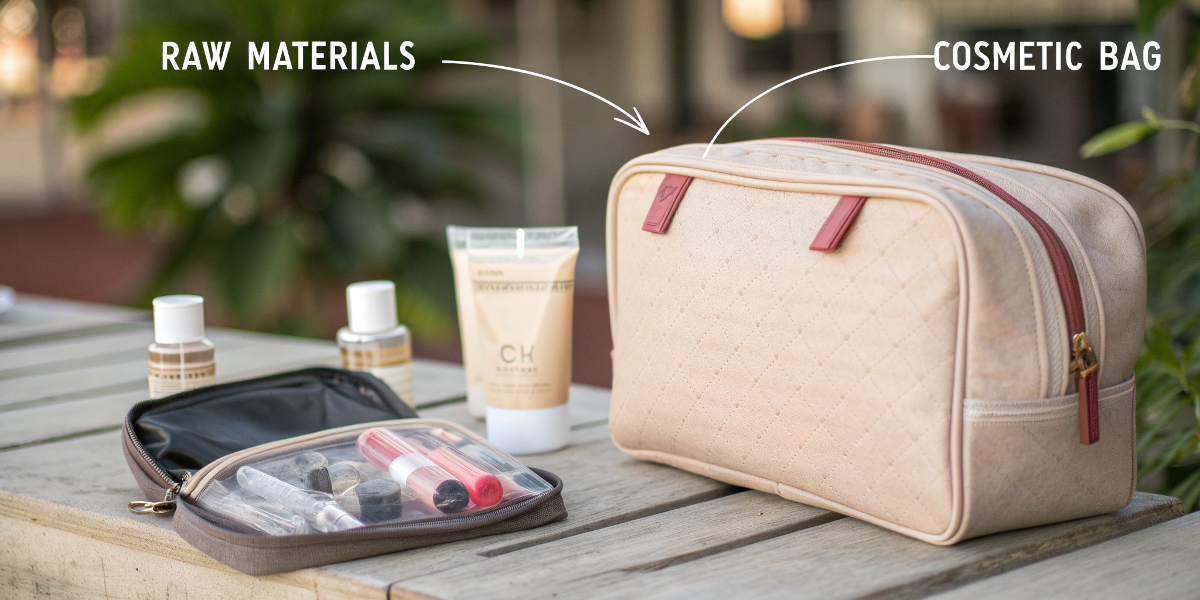
A great partnership is built on trust, and trust is impossible without clear communication. When a manufacturer is hard to reach or gives you confusing answers, it often means they are disorganized or, worse, hiding something. True sustainability isn’t just about the final product; it’s about every step in the journey. The entire manufacturing process, from raw materials and processing to transportation, presents a huge challenge for sustainability. I remember one project where a supplier was very evasive about where their “eco-friendly” fabric came from. After some digging, we found it didn’t meet the standards we required. That experience taught me that transparency across the whole supply chain is non-negotiable.
Key Areas for Transparency
A reliable manufacturer should be an open book. They should proactively share information and be ready to answer your questions about these key stages.
- Material Sourcing: Where do the raw materials come from? Can they provide documentation and certification for each component, not just the main fabric?
- Processing: What happens at the factory? Can they share details about their sewing facility’s qualifications, energy consumption, and waste management practices? In China today, we can guarantee the sustainability of raw materials and, to some extent, the sustainability of processing through factory certifications.
- Logistics: How are the finished goods transported? Are they taking steps to minimize the carbon footprint of shipping?
A partner who welcomes these questions and provides clear answers is one who is confident in their processes and committed to a genuine eco-friendly mission.
Red Flag #3: Reluctance to Provide Material Samples or a Detailed Production Timeline
You want to be sure of the quality before placing a large order. But the manufacturer is hesitant to send material swatches or a detailed production schedule. This makes you question their capabilities and reliability.
A manufacturer’s unwillingness to provide samples or a clear timeline is a serious red flag. These are fundamental steps that demonstrate their commitment to quality, their professionalism, and their ability to manage a project effectively. Hesitation suggests they are hiding something.
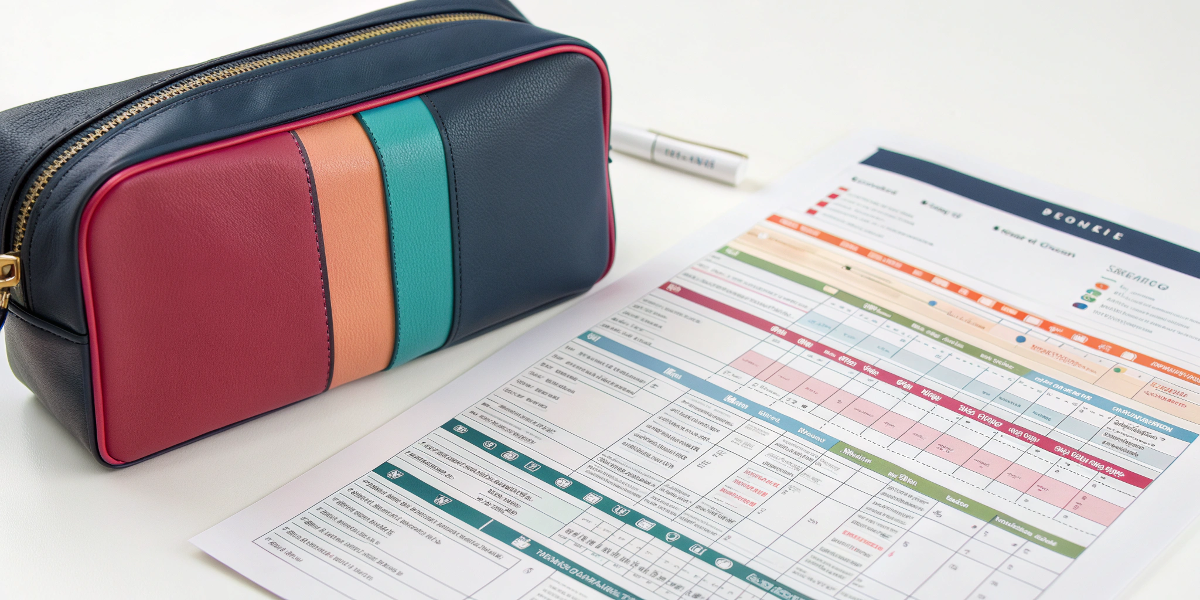
Samples are your first physical interaction with your product. They allow you to assess everything from the feel of the material to the quality of the stitching. A manufacturer who is proud of their work will be eager to send you samples. Similarly, a detailed production timeline is the roadmap for your project. It shows they have a clear plan and respect your need to coordinate marketing, sales, and logistics. When I started my career, I learned the hard way that a vague promise of “we’ll get it done soon” is not a plan. A professional partner provides a clear, week-by-week schedule.
What a Good Production Plan Includes
A vague timeline is almost as bad as no timeline at all. A transparent and organized manufacturer will provide a schedule with clear milestones. It should look something like this.
| Stage | Typical Duration | Key Activities |
|---|---|---|
| Material Sourcing & Approval | 2-3 Weeks | Ordering fabrics/hardware, lab dips, sending swatches for approval. |
| Prototyping & Sample Approval | 1-2 Weeks | Creating the pre-production sample based on your tech pack. |
| Mass Production | 4-6 Weeks | Fabric cutting, printing/embroidery, sewing, assembly. |
| Quality Control & Packing | 1 Week | Final inspections, attaching tags, packing into cartons. |
| Shipping & Logistics | Varies | Booking vessel/flight, customs clearance, final delivery. |
If a supplier can’t provide this level of detail or resists sending samples, it’s a clear sign they may not have control over their own production process or are concerned you won’t be happy with the final quality.
Red Flag #4: An Unrealistically Low Price That Compromises Quality and Ethics
You received a quote that is significantly lower than all the others. It’s tempting, but a part of you feels it’s too good to be true. You worry about what corners are being cut.
An unrealistically low price is one of the biggest red flags. A price far below the market average often means compromises are being made on material quality, ethical labor[^6], or essential quality control processes.
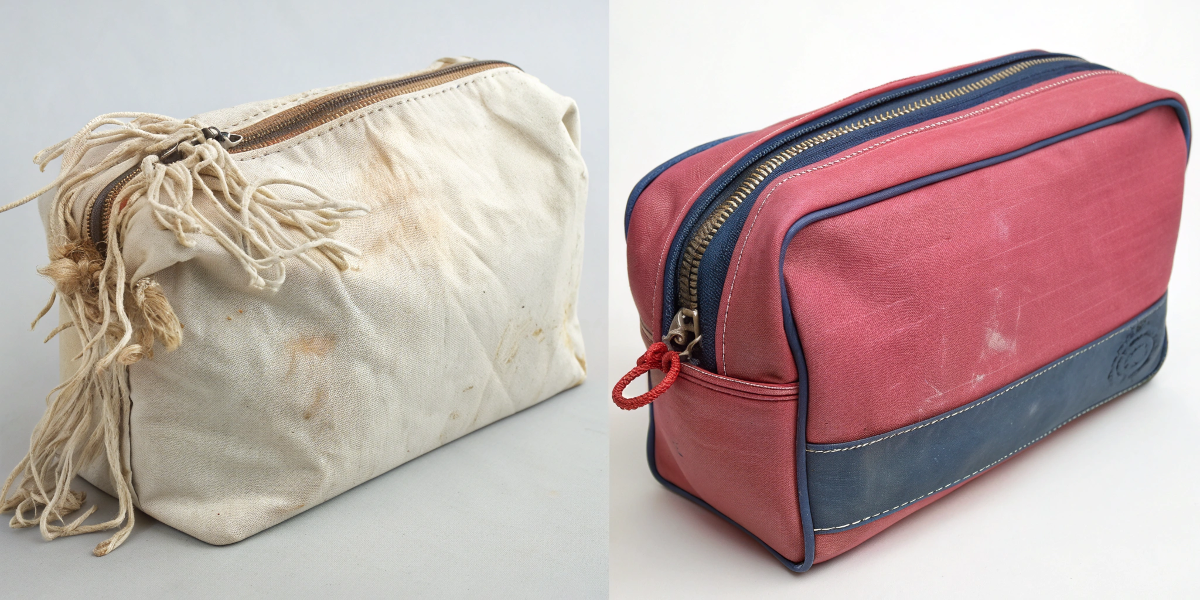
In manufacturing, you truly get what you pay for. Sustainable materials, skilled labor, and rigorous quality checks all have a cost. When a manufacturer offers a rock-bottom price, they are cutting those costs from somewhere, and it’s your product and brand reputation that will pay the price in the long run. I’ve seen brands get lured in by a low price, only to receive a shipment of bags with faulty zippers and uneven stitching. That “great deal” ends up costing them far more in returns and unhappy customers. It’s a classic short-term gain for long-term pain scenario.
Where the “Savings” Really Come From
An exceptionally low price isn’t magic; it’s a result of cutting corners in critical areas. Understanding this helps you ask the right questions and evaluate a quote properly.
- Subpar Materials: They might use a non-certified “eco” fabric that isn’t durable or is made with harmful chemicals. Did they skip the cost of a proper TC certificate to trace the recycled materials?
- Unethical Labor: The price may be subsidized by underpaying workers or forcing them into unsafe working conditions. Ask for their BSCI or SEDEX audit reports to verify ethical practices.
- No Quality Control: A thorough QC process costs time and money. A low-cost producer might skip inspections, leading to a high defect rate in your final order.
A reputable partner will give you a fair price that reflects the quality of their materials, the skill of their workers, and their commitment to ethical production. They will be happy to break down the costs for you so you can see the value you are receiving.
Conclusion
Choosing the right partner means looking beyond the product. It requires spotting red flags like vagueness, poor communication, and prices that seem too good to be true for real, sustainable success.
---

[^1]: Learn why vague claims can harm your brand and how to identify genuine sustainability.
[^2]: Discover various sustainable materials that can enhance your product's eco-friendliness.
[^3]: Understand greenwashing tactics to protect your brand from misleading practices.
[^4]: Understand the significance of GRS in ensuring recycled materials are genuinely sustainable.
[^5]: Find out how a TC ensures the traceability of certified materials in production.
[^6]: Find out how to verify that your manufacturer adheres to ethical labor standards.