You have a brilliant idea for a branded makeup bag, but the journey to a finished product feels daunting. The wrong steps can lead to costly mistakes and a product that disappoints.
To create a [custom makeup bag](/cosmetic-bag/), start with a detailed design brief defining your vision. Then, select materials that align with your brand’s quality and sustainability goals. Next, insist on a prototype for approval before finally navigating mass production and logistics with a reliable partner.

Embarking on a custom manufacturing project can seem overwhelming, especially from afar. It’s not just about finding someone who can stitch fabric together; it’s about finding a partner who understands your brand and can guide you through each stage. I’ve seen brands struggle with suppliers who lack design expertise, causing delays and frustration. To see what’s possible, explore our extensive portfolio of custom cosmetic bags for inspiration. Now, let’s walk through the essential steps to ensure your vision becomes a high-quality reality, efficiently and effectively.
How Do You Define Your Vision and Create a Solid Design Brief?
Turning a simple idea into a manufacturable design can feel like a huge leap. Without a clear plan, you risk miscommunication, endless revisions, and a final product that doesn’t match your vision.
A strong design brief is your project’s foundation. It should clearly outline your target audience, functional needs, visual aesthetics, and budget. Provide detailed specifications like dimensions, preferred colors, and exact logo placement to prevent any guesswork.
When we start a new project, the design brief is everything. A detailed brief empowers a manufacturer’s design team to not just execute your idea, but to enhance it. Many overseas suppliers simply follow orders, but a true partner uses their expertise to offer improvements. This is where having an in-house design team and sample workshop becomes critical. A few years ago, a client came to us with a basic sketch for a travel pouch. Our designers analyzed their brief, understood their target market, and suggested a different zipper style and an internal pocket layout that significantly improved usability. This collaboration was only possible because they provided a thorough brief.
Key Elements of Your Design Brief
To make your brief effective, consider these core components:
| Element | Description | Why It’s Important |
|---|---|---|
| Target Audience | Who will use this bag? (e.g., luxury beauty consumer, teen) | Influences material, style, and features. |
| Functionality | What must it do? (e.g., hold 5 lipsticks, be waterproof) | Dictates construction, size, and material properties. |
| Aesthetics | What is the desired look and feel? (e.g., minimalist, bold) | Guides color, texture, and hardware choices. |
| Branding Details | Logo size, placement, and application method (e.g., embroidery, print). | Ensures brand identity is perfectly represented. |
| Budget & Quantity | Your target cost per unit and the total order volume. | Helps us suggest the most suitable materials and processes. |
How Do You Select the Right Materials and Make Sustainable Choices?
Choosing a material feels like a high-stakes decision for your brand. The wrong choice can cheapen your product’s feel or, worse, compromise your company’s commitment to sustainability.
Focus on materials that reflect your brand’s values and quality standards. For a sustainable choice, consider recycled polyester (rPET) or organic cotton. Request swatches to feel the texture and see the true color before committing.
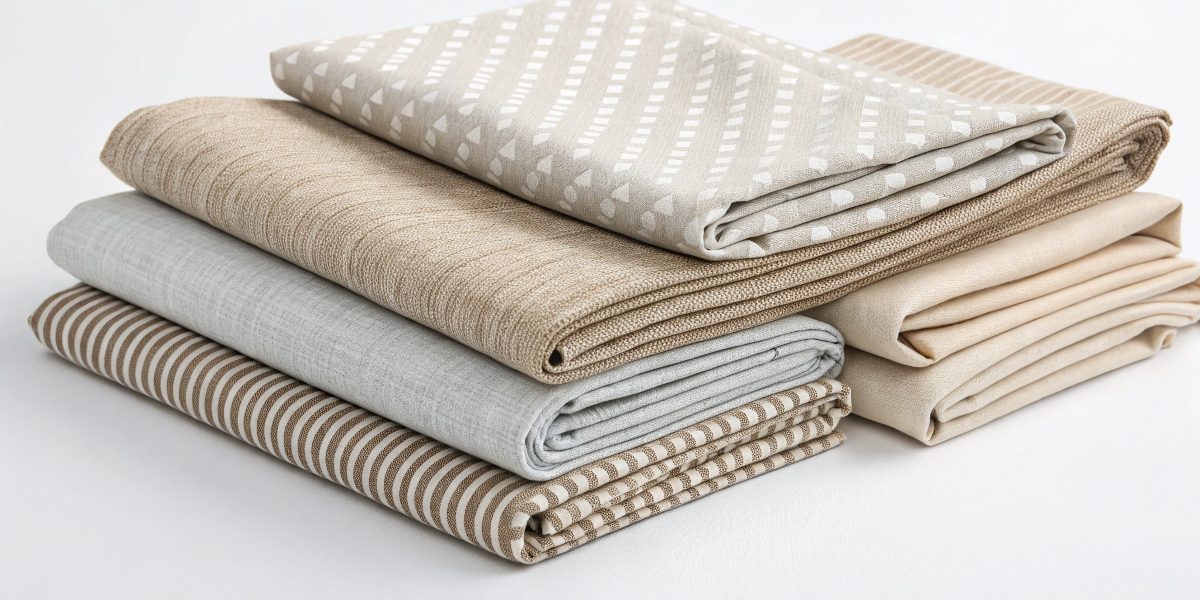
Your material choice tells a story about your brand. As a buyer, you know that the feel of a product is just as important as its look. This is why location matters. Our factory in Dongguan is situated near massive material markets, giving us direct access to thousands of options, from classic textiles to the latest eco-innovations. This proximity allows us to source materials quickly and cost-effectively. I always advise clients to think beyond the basics. For instance, instead of standard polyester, why not use rPET made from recycled plastic bottles? It has a similar feel but carries a powerful sustainability message that resonates with modern consumers. We can provide certifications for these materials, offering you full transparency and a story you can share with your customers.
Exploring Sustainable Material Options
Making a sustainable choice doesn’t mean sacrificing quality. Here are some popular eco-friendly options:
| Material | Source & Benefits | Best For |
|---|---|---|
| rPET (Recycled Polyester) | Made from recycled plastic bottles. Durable and water-resistant. | Toiletry bags, everyday makeup pouches. |
| Organic Cotton | Grown without synthetic pesticides. Soft, breathable, and natural feel. | Gift-with-purchase bags, luxury dust bags. |
| Recycled Cotton | Made from post-industrial or post-consumer cotton scraps. Reduces waste. | Tote bags, casual pouches with a rustic texture. |
| Jute | Natural fiber that is biodegradable and strong. | Eco-conscious promotional bags, rustic-style sets. |
How Do You Ensure Quality Through Prototyping and Sample Approval?
You’ve approved a design, but how do you know the final product will match the quality you expect? Moving to mass production without a physical sample is a huge financial risk.
Insist on a pre-production sample. This prototype is your chance to test the final materials, construction, and branding. Check every detail, from stitching to zipper quality, before giving your final approval.
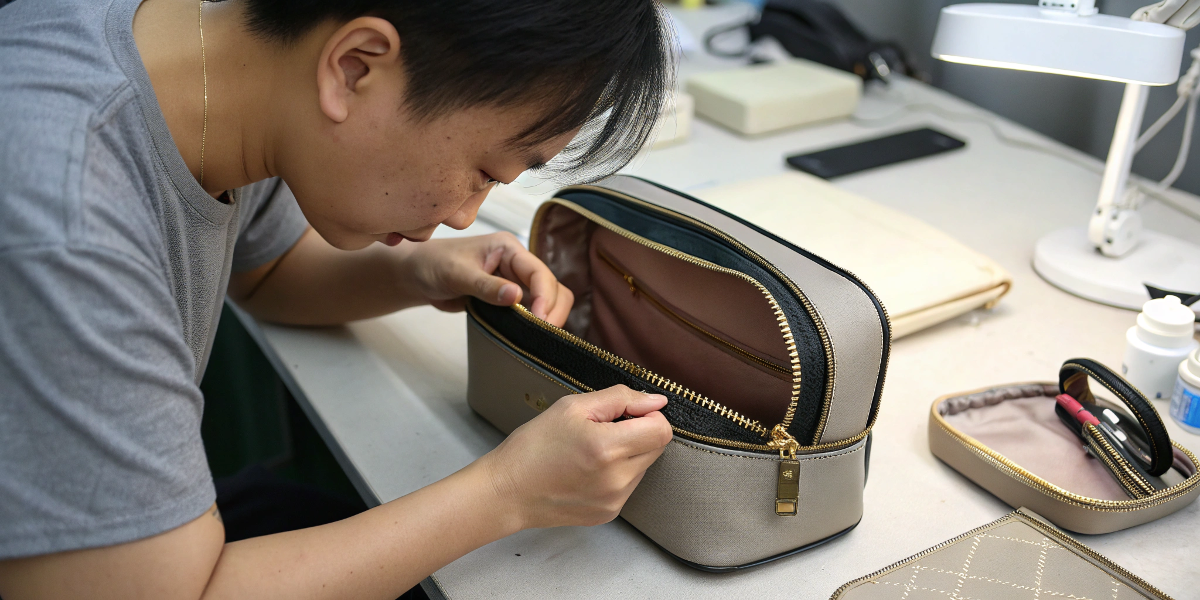
The sample approval stage is where your vision becomes tangible. It’s the single most important checkpoint in the entire process. At EcoRivta, our dedicated sample workshop is staffed by our most experienced technicians because we know how crucial this step is. A digital rendering can’t tell you how a zipper feels or how the bag sits when it’s full. I remember a project where the client approved a beautiful design on screen, but when they received the first prototype, they realized the opening was too narrow for their product. We quickly adjusted the pattern in our sample room and sent a revised version within days. This rapid iteration prevents a small issue from becoming a massive problem in bulk production. It saves time, money, and ensures the final product is perfect.
Your Sample Approval Checklist
Use a systematic approach to review your prototype:
- Dimensions: Does it match the specs in your brief?
- Materials: Is the fabric color, texture, and weight correct?
- Construction: Check the stitching quality, seam strength, and overall durability.
- Hardware: Test zippers, snaps, and pulls for smooth functionality.
- Branding: Is the logo accurate in color, size, placement, and application?
- Functionality: Test the bag with the products it’s intended to hold.
How Do You Navigate Mass Production and Global Logistics?
Your sample is approved, but now comes the challenge of producing thousands of units and getting them delivered on time. Coordinating production and shipping can be complex and fraught with potential delays.
Choose a manufacturing partner with proven experience in mass production and global logistics. They should provide a clear production timeline, conduct rigorous quality control checks, and handle all shipping and customs documentation for you.
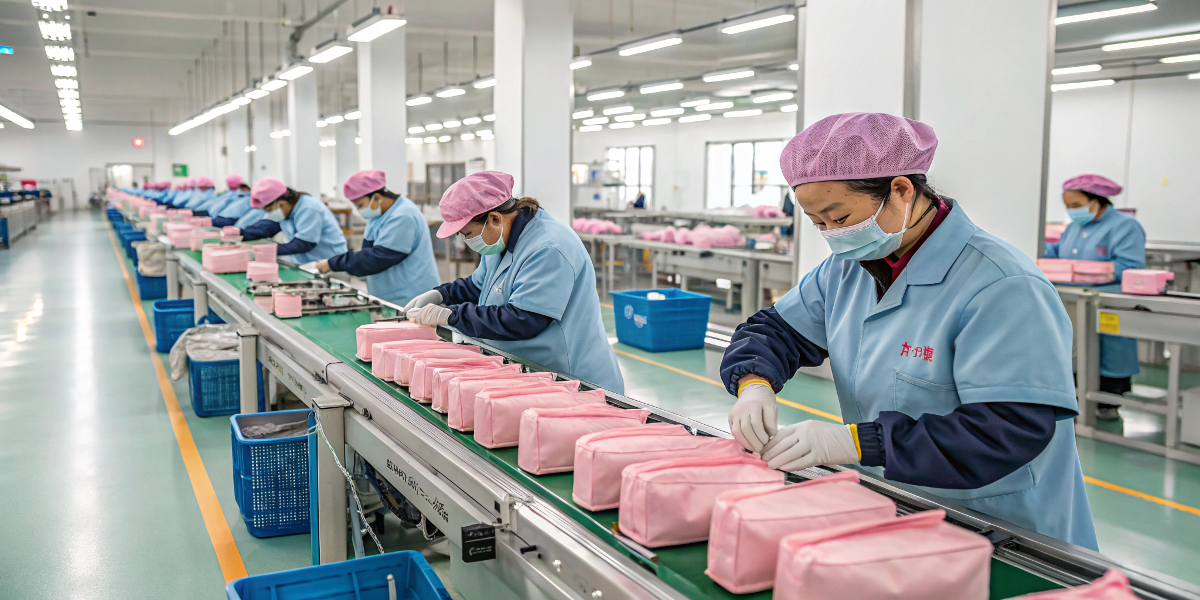
Once you approve the sample, the project moves to the production floor. This is where a manufacturer’s experience truly shows. With a team of over 120 skilled workers, we can produce over 200,000 pieces a month while maintaining consistent quality. A reliable partner doesn’t just make the bags; they manage the entire supply chain. We oversee everything from sourcing raw materials to final packaging. Throughout the process, we conduct multiple quality control inspections—when materials arrive, during production, and before shipment. This ensures every single bag meets the standard set by the approved prototype. For an experienced buyer, peace of mind comes from knowing that a professional team is managing these details, ensuring on-time delivery without any last-minute surprises at customs.
Key Stages of Production and Logistics
Here’s what to expect after you approve the sample:
- Material Sourcing: We place bulk orders for the approved fabrics and hardware.
- Cutting & Printing: Materials are cut to pattern, and logos are applied.
- Assembly: Our skilled workers stitch the bags on the production line.
- Quality Control (QC): In-line and final inspections are performed to catch any defects.
- Packaging: Bags are packed according to your specifications.
- Logistics: We manage freight, customs clearance, and delivery to your warehouse.
Conclusion
From a clear design brief to final delivery, creating a custom makeup bag is a journey of details. Partnering with an experienced manufacturer ensures quality, efficiency, and a fantastic final product.
Ready to start your custom makeup bag journey?
→ Explore Our Cosmetic Bag Collection — MOQ 500 pcs
→ Request a Free Sample Kit — Swatches + tech pack review
→ See Our Sustainable Material Library — 500+ certified options