Finding a sustainable fabric that matches your brand’s quality and style can be challenging?You want an eco-friendly choice, but the options feel overwhelming and potentially risky for production.
The best sustainable fabric depends on your specific needs. GRS-certified rPET offers versatility and durability at a great price. Natural fibers like organic cotton and hemp provide an earthy aesthetic. Innovative materials like washable paper and Tyvek create a unique, modern statement for your cosmetic bags.
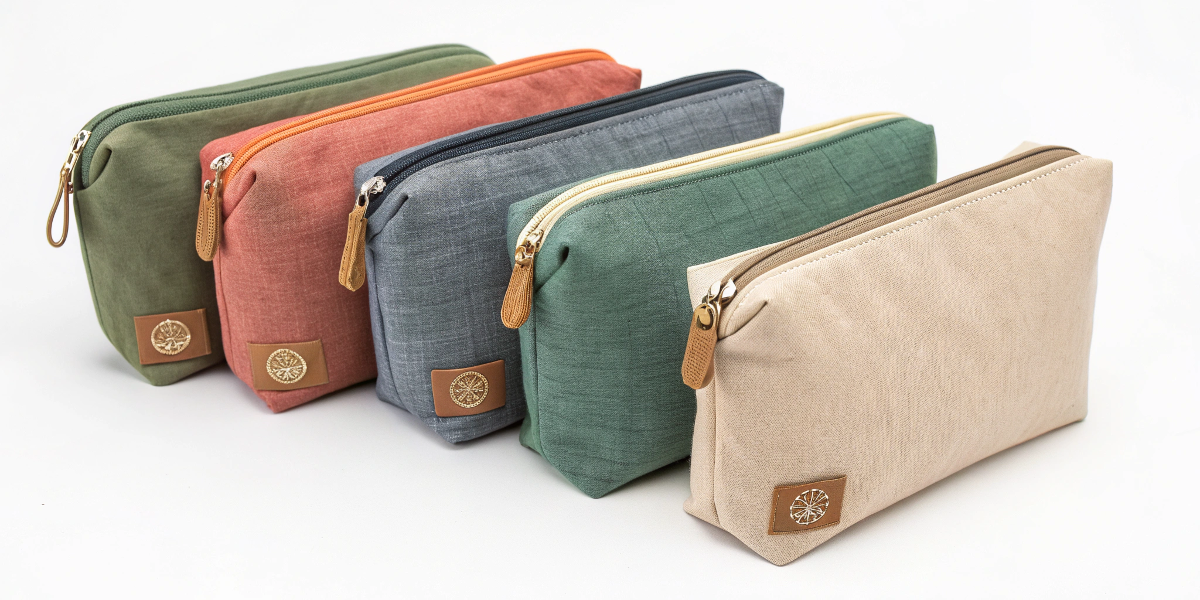
Over my 30 years in manufacturing, I’ve seen countless materials come and go. The push for sustainability is stronger than ever, which is fantastic news for our planet. But for a buyer, it creates a new layer of complexity. You need a material that not only tells a great eco-story but also performs well, feels right in the customer’s hand, and fits your budget. It’s a tough balancing act. In this guide, I’ll walk you through the key fabric categories we work with every day, sharing our hands-on experience to help you make the clearest choice for your brand. Let’s break down the options together.
For a Luxe Feel: How do GRS-Certified Recycled PET (rPET) and Vegan Leathers compare?
Want a premium cosmetic bag without the environmental cost of traditional materials? You need a fabric that looks and feels luxurious but also tells a strong sustainability story for your brand.
GRS-certified rPET provides a versatile, leather-like finish with proven durability and a great price. Vegan leathers offer a compelling eco-story and premium feel but often come with higher costs, larger minimum orders, and an immature supply chain, especially for plant-based options.
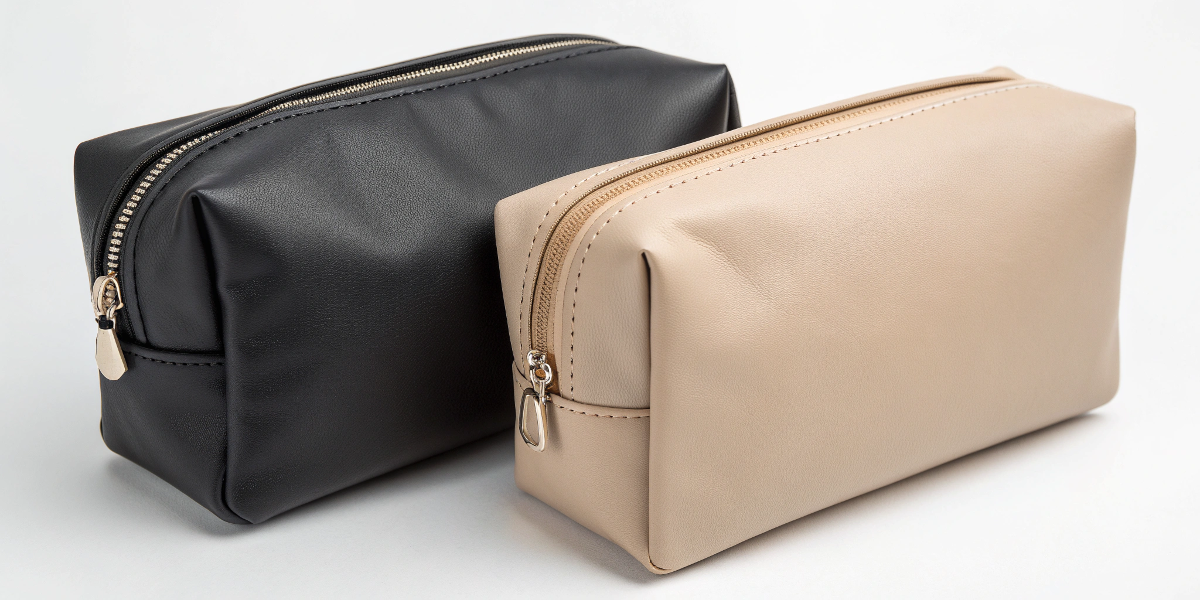
When clients ask for a stylish, durable, and cost-effective eco-material, I almost always point them to GRS-certified rPET. It’s our top recommendation for a reason. This material can be made to mimic everything from saffiano leather to soft nylon, offering incredible design flexibility. The Global Recycled Standard (GRS) certification guarantees the recycled content and responsible production, which is a powerful message for consumers.
On the other hand, we have vegan leathers. This is a broad category, and it’s important to know the difference.
Breaking Down “Vegan Leather”
| Leather Type | Composition & Eco-Impact | Best For |
|---|---|---|
| PU/PVC Leather | Plastic-based (polyurethane/polyvinyl chloride). While animal-free, its eco-credentials are weak unless made from recycled content. | Cost-effective solutions where the “vegan” label is the primary goal, not deep sustainability. |
| Plant-Based Leather | Made from pineapple leaf (Piñatex), apple peels, or cactus. Excellent sustainability story. | High-end, story-driven collections where budget is less of a concern. |
In our experience, plant-based leathers are exciting but challenging. The supply chain in China is still developing. It is often dominated by a few large brands, making materials hard to source with low minimum order quantities (MOQs). For most brands, rPET delivers that luxe feel with a much more reliable and scalable production process.
For Natural Durability: What are the Pros and Cons of Organic Cotton, Hemp, and Jute?
Your brand has a natural, earthy aesthetic, but you’re worried about durability and performance. You need a fabric that looks organic and feels soft, yet holds up to daily use.
Organic cotton offers a soft, familiar feel with good printability. Hemp and jute are extremely durable and require less water to grow, but can have a coarser texture. Choosing between them depends on whether you prioritize softness (cotton) or rugged longevity (hemp/jute).
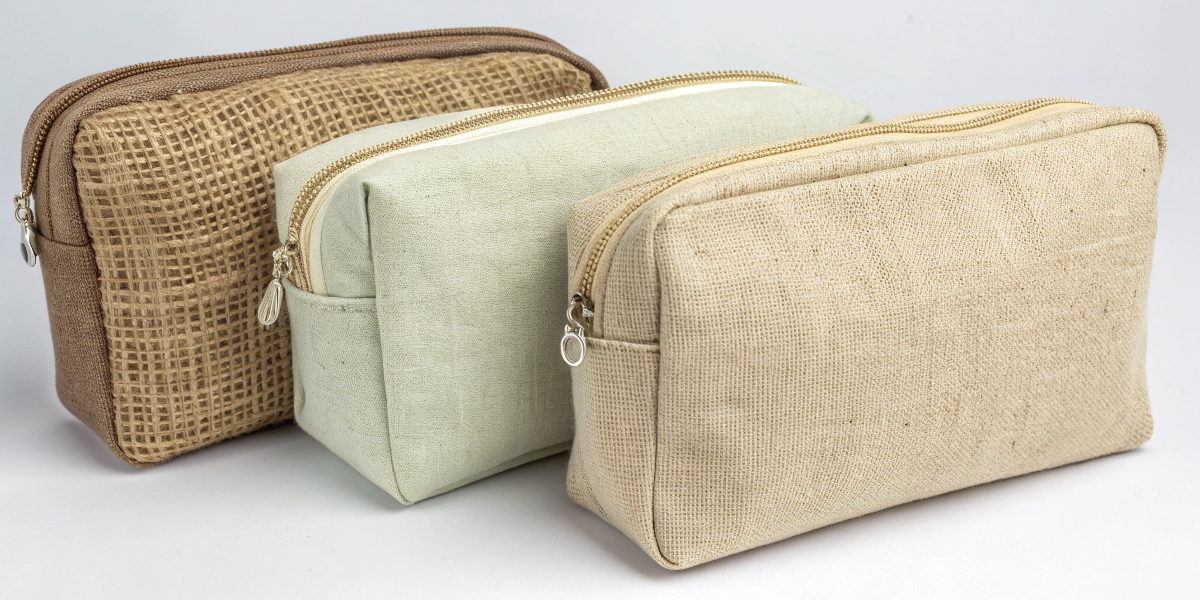
Natural fibers are a fantastic way to connect your product to the earth. They have a visual and textural appeal that synthetic materials can’t replicate. We’ve produced countless cosmetic bags from these fabrics, and each has distinct strengths that suit different brand identities. For example, a skincare brand focused on gentle, pure ingredients might lean towards the softness of organic cotton. A wellness brand with a more rustic, durable positioning could find a perfect match in hemp or jute. They signal quality and a commitment to the planet in a very direct way.
Comparing Natural Fibers
For buyers, the choice often comes down to balancing aesthetics, performance, and budget.
- Organic Cotton: This is the go-to for a soft touch and classic look. It takes dye and print exceptionally well, allowing for vibrant designs. However, it’s generally less durable than hemp or jute and can be more resource-intensive to produce, even when organic.
- Hemp: I consider hemp a rising star. It’s incredibly strong, gets softer with use, and is naturally resistant to mold. Its cultivation is also very eco-friendly, requiring little water and no pesticides. The texture is heartier than cotton, which can be a key part of its appeal.
- Bamboo Fiber: If you want a cost-effective alternative to cotton but with a silky-soft feel, bamboo is an excellent choice. It has a beautiful drape and natural antibacterial properties. It bridges the gap between the familiar feel of cotton and the eco-benefits of more rugged fibers.
For Modern Innovation: Are New-Age Materials like Washable Kraft Paper and Tyvek Practical?
You want your cosmetic bags to stand out with a truly unique and modern material. But you’re concerned if innovative fabrics like washable paper or Tyvek are just a gimmick or genuinely practical.
Yes, they are highly practical. Washable kraft paper offers a durable, leather-like alternative. Tyvek provides a high-tech, water-resistant, and ultralight option. Both are excellent and distinctive choices for modern, innovative cosmetic bag designs.

Clients are often surprised when we show them these modern materials. They expect something fragile, but it’s the complete opposite. A minimalist beauty brand we worked with wanted something vegan, sustainable, and completely different. We made their pouches from washable paper, and it was a huge success. Similarly, Tyvek has a high-tech feel that appeals to travel and lifestyle brands. Its paper-like texture and crinkle effect are unique and memorable. These materials prove that innovation and practicality can go hand-in-hand.
Exploring Innovative Textures
These materials allow brands to tell a story of innovation and clever design. They cater to a customer who is looking for something new and thoughtfully made.
- Washable Kraft Paper: This FSC-certified paper is incredibly strong and becomes softer and more leather-like with handling and washing. It’s lightweight and perfect for travel accessories. We can treat it with different finishes to achieve various colors and textures, making it surprisingly versatile for a “paper” product.
- Tyvek: This is a high-tech material made from high-density polyethylene fibers. It looks and feels like paper but is incredibly tough, tear-proof, and water-resistant. It’s also extremely lightweight, making it perfect for travel pouches. While it’s a synthetic, it is 100% recyclable, offering a modern approach to sustainability focused on durability and end-of-life options.
Making the Final Choice: How do I Match the Right Fabric to My Brand’s Aesthetic and Price Point?
You’ve seen the options, but now you face the final decision. How do you select the one fabric that perfectly balances your brand’s look, your sustainability goals, and your budget?
Start by defining your primary goal. For versatility and value, choose GRS-certified rPET. For a natural, organic feel, select organic cotton or hemp. For high-budget, story-driven luxury, explore pineapple or banana fibers. The best fabric directly supports your brand identity and financial targets.
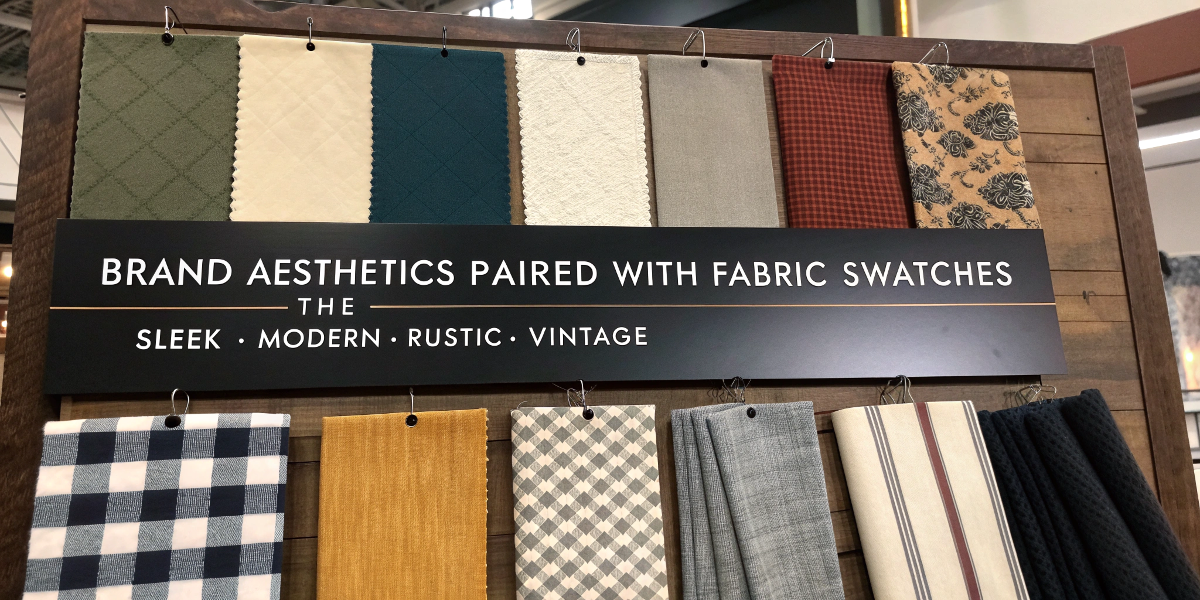
After three decades in this business, I can tell you that there’s no single “best” fabric. The right choice is a strategic one. I always advise clients to work backward from their brand story and their customer. Who are you selling to? What does your brand stand for? Answering these questions makes the choice much clearer. For example, a mass-market brand focused on providing accessible eco-options will have different needs than a luxury boutique brand creating a limited-edition collection. The material must serve the brand’s purpose.
A Decision-Making Framework
Here is a simple way to think through your choice, based on the insights from our factory floor.
| Priority | Top Recommendation | Why it Works | Price Point |
|---|---|---|---|
| Versatility & Durability | GRS-Certified rPET | Looks like anything from nylon to leather. Extremely durable, great for printing, and proven in the market. | $$ |
| Natural / Organic Look | Organic Cotton / Hemp | Visually soft and eco-inspired. Cotton is soft, hemp is durable. Perfect for wellness or “clean beauty” brands. | $$$ |
| High-End Natural Luxury | Pineapple / Banana Fiber | Unique, strong eco-story. Creates a premium, exclusive feel. Limited availability and higher cost. | $$$$$ |
| Value in Natural Fiber | Bamboo Fiber | Softer than hemp but more cost-effective than organic cotton. A great balance of feel and price. | $$ |
Ultimately, my advice is to get samples. Touch the fabrics, see how they take your logo, and imagine them in your customer’s hands. The right fabric will not only look the part but will also feel right for your brand.
Conclusion
Choosing a sustainable fabric is a strategic decision. By aligning the material’s properties with your brand aesthetic, performance needs, and budget, you can create a cosmetic bag that truly resonates.