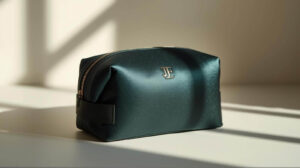
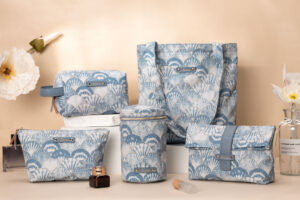
Color split is a buying decision, not a spreadsheet afterthought
Beauty GWP accessories often include several colors, styles or product routes. The risky part is not naming the colors; it is deciding how many units each color should receive, which SKU needs the cleanest sample, and whether the campaign is a free gift, sellable set or launch kit insert.
Jolian’s repeated point applies here: gift and sellable items use different selection logic. Launch time is often missed, and color unity becomes harder when the set uses different materials.
Start from buyer role and launch window
If the buyer says “three colors” but does not explain the campaign role, the split can be wrong even when MOQ is met. A hero color may need most of the quantity for in-store visibility. A neutral color may be safer for a broad GWP. A sellable accessory set may need more balanced replenishment logic.
| Program route | Typical split logic | What to confirm |
|---|---|---|
| Beauty GWP gift | Hero shade plus practical neutral | Launch market, campaign quantity, packing route |
| Retail accessory SKU | More balanced SKU planning | Barcode, label, replenishment expectation |
| Influencer or PR kit | More visual color story | Photo direction, kit composition, unboxing route |
| Multi-item beauty set | One color family across different materials | Material shade difference and sample approval |
When each color becomes a separate sellable SKU, barcode and item identification should be planned before packing. GS1’s barcode resources are useful background for teams that need product identifiers and barcodes in retail workflows, but the final setup depends on the buyer’s channel and account rules. GS1 barcode resources 1 If the item may move as a sellable unit across markets, keep HS classification in the buyer/importer handoff as well; WCO describes the Harmonized System as the international product nomenclature used for traded goods. WCO Harmonized System overview 2
Different materials do not match color the same way
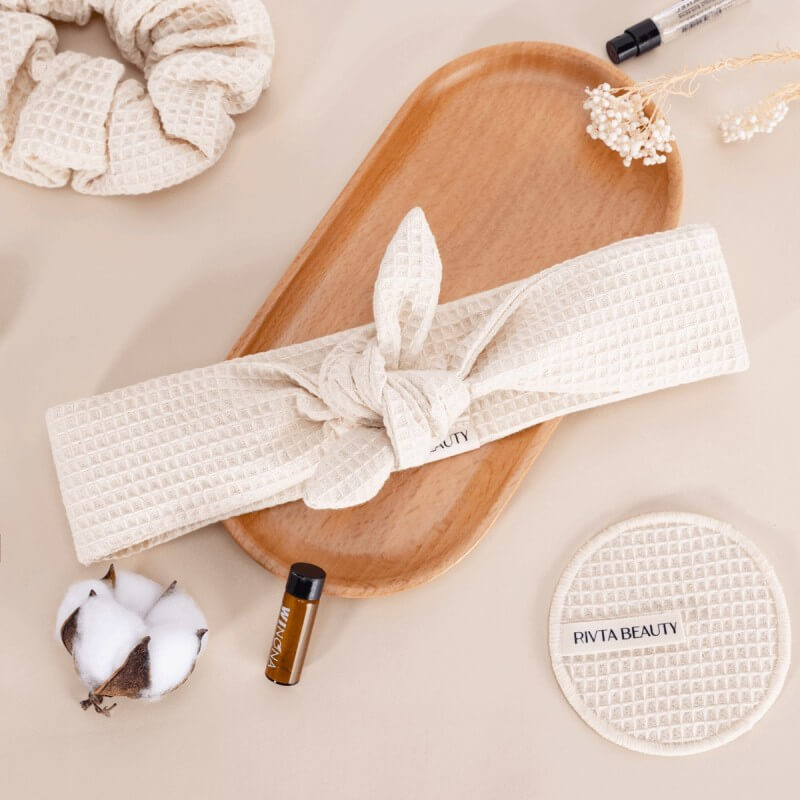
A satin eye mask, acetate clip, velvet scrunchie and microfiber headband can all be called “pink,” but they may photograph differently. This matters when the kit is built around one beauty campaign color. The sample file should show color under the same light, with all materials placed together.
- Same material: approve one color standard, then check shade consistency across pieces.
- Different materials: approve acceptable color family, not only one rigid color code.
- Logo and card: check whether the logo color still works on every product base.
- Packing: confirm whether card, pouch, belly band or box should unify the set visually.
Build a short SKU file before sampling
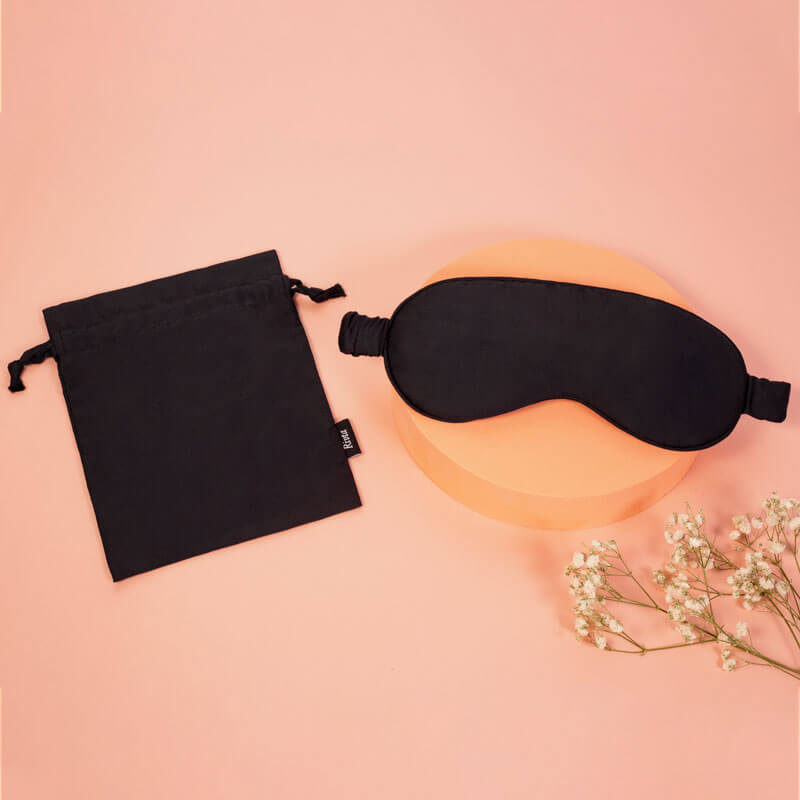
The SKU file does not need to be complicated. For each accessory route, list product type, color name, material, size, logo method, packing route, quantity and whether it is for gift, retail sale or PR mailer. If the buyer keeps the file simple, the supplier can quote and sample faster without guessing.
Use the set sample to approve the whole color story
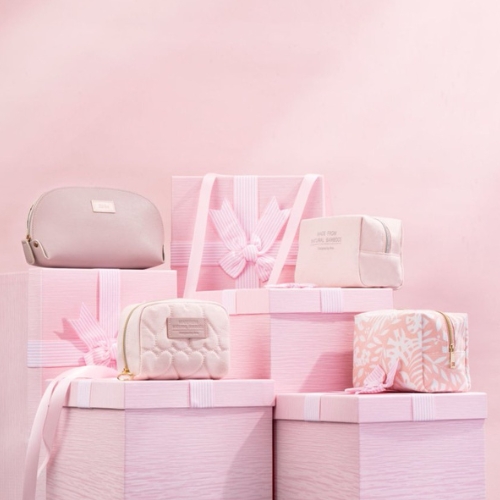
The set sample should not only prove that each item can be produced. It should show whether the color story works together after packing. If one item uses satin, another uses acetate and another uses terry or microfiber, approve the set photo before bulk color allocation.
When sustainability or material claims appear on card or retail copy, keep those claims project-dependent and document-led. The FTC Green Guides 3 are a useful reminder that environmental claims need careful qualification rather than broad slogans.
Send the split before requesting a firm quote
Send product types, color list, quantity per color, gift vs sellable route, launch date, target market, packing route and whether barcode or retail labeling is needed. Ecorivta can help turn that into a cleaner sample and quote route.
FAQ
Should a beauty GWP buyer split quantity equally across colors?
Not always. The split should follow the campaign role, hero shade, retail or gift route, launch market and MOQ constraints.
What is the biggest risk when one set uses different materials?
The same named color can look different on satin, velvet, acetate, terry or microfiber, so the buyer should approve a combined set sample.
When should barcode or SKU labeling be discussed?
Discuss it before sampling if the item may become a sellable unit, retail pack or replenishment SKU.
What should be in a color split brief?
Include product type, material, color, size, logo, packing route, quantity per color, target market, launch date and whether the item is a gift or sellable SKU.
Related Ecorivta pages and guides
- Beauty GWP Accessories for the main accessory set route.
- Scrunchies , Headbands and Eye Masks for product-level routes.
- Quality Control for sample and bulk approval.
-
GS1 barcode resources are cited as background for retail identifier and barcode planning, not as a requirement for every GWP. ↩︎
-
WCO Harmonized System information is cited as background for cross-market product classification handoff, not as final customs advice. ↩︎
-
FTC Green Guides are cited as a claim-boundary reference when material or sustainability wording appears in campaign copy. ↩︎