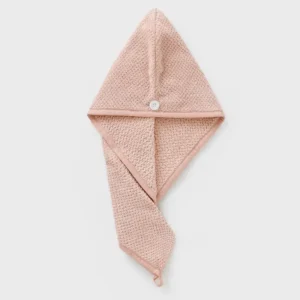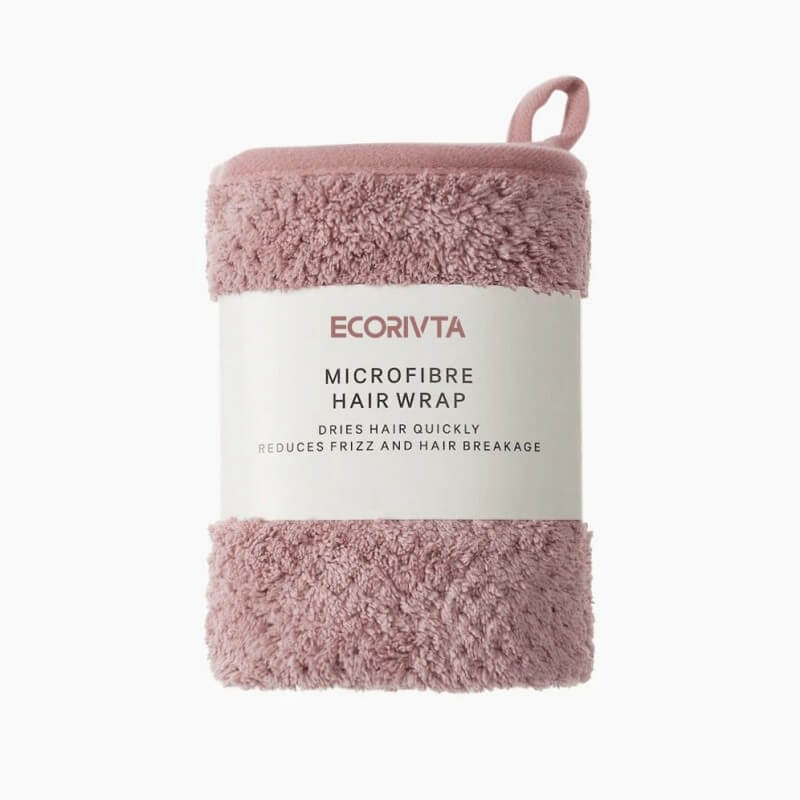
Hair towel material choice is not only a product-development question. For a beauty GWP, spa kit or haircare launch kit, the material route also affects target price, hand feel, packing volume, logo method, documentation and the final claim a brand can safely print on an insert card.
Many buyers start with one short request: “microfiber or bamboo hair towel?” A better brief asks what the towel needs to do in the campaign: quick-dry gift, premium retail accessory, spa-use set, low-MOQ launch test, recycled-content story, or compact travel packing. That choice decides whether a classic microfiber, bamboo-route, waffle weave, coral fleece or reversible construction makes more sense.
Quick Buyer Summary
- Choose classic microfiber when the project needs a practical, absorbent and cost-controlled hair towel for beauty GWP or haircare kits.
- Choose a bamboo-route towel only after the fiber description, claim wording and certificate expectation are clear. Bamboo wording can be sensitive in textile marketing, so do not leave it until packaging approval.
- Choose waffle weave when compact packing, quick-dry feel and travel retail presentation matter more than a plush hand feel.
- Choose coral fleece or plush microfiber when the campaign needs a softer, higher-volume feel and the packing size can accept extra bulk.
- Give Ecorivta the target price, gift vs sale use, quantity, color, packing method and logo route before sampling. This lets the supplier recommend the right construction instead of quoting the cheapest route by default.
Review a Hair Towel Material Route
Start With the Campaign Use, Not the Fabric Name
The same hair towel can look correct in a sample photo but feel wrong for the launch if the campaign use was never defined. A free GWP for a shampoo launch, a spa headband-and-towel set, a salon retail item and a travel amenity kit all place different pressure on cost, packing and perceived value.
| Campaign use | Material route to review first | Why this route often fits | What to confirm before sample |
|---|---|---|---|
| Mass beauty GWP | Classic microfiber | Cost-controlled, practical, easy to explain in a gift set. | Size, edge finish, button/loop, color and packing route. |
| Haircare or spa premium gift | Plush microfiber or coral fleece | Softer hand feel and stronger perceived value. | Folded thickness, carton volume, logo placement and target price. |
| Travel retail or compact set | Waffle weave or thinner microfiber | Less bulky, easier to pack with other components. | Finished size, folded size, sleeve/card design and sample packing. |
| Natural or botanical brand story | Bamboo-route towel | May fit the brand story, but wording and fiber documentation need early review. | Exact fiber description, claim boundary and certificate request. |
| Higher-value set or retail accessory | Reversible microfiber/satin or upgraded trim | More distinct story than a basic towel. | Construction, trim, sewing tolerance, packaging and MOQ impact. |
This is why the first material question should not be “which fabric is best?” It should be “what does this towel need to prove in the buyer’s campaign?”
Microfiber Route: Practical, Cost-Controlled and Easy to Scale
For many beauty GWP projects, microfiber remains the safest first route because it is familiar to buyers, performs well in quick-dry use cases and keeps the brief easier to control. It is also easier to match with common logo routes such as woven label, small embroidery, printed label, button/loop and simple folded packing.
The main buying mistake is asking for “premium microfiber” without saying the target price or packing method. A thicker or softer route may look better in hand, but it can also change packing volume, carton count and shipping calculation. If the towel is a free gift, a moderate route may be more effective than overbuilding the material and then cutting the packaging later.
Use microfiber when the buyer wants:
- a practical GWP towel with clear cost control;
- a quick sample route before a campaign deadline;
- a simple logo label or embroidery route;
- several colors under one program;
- a material choice that can be explained without complex claim wording.
Bamboo Route: Useful Story, But Claim Wording Must Be Clean
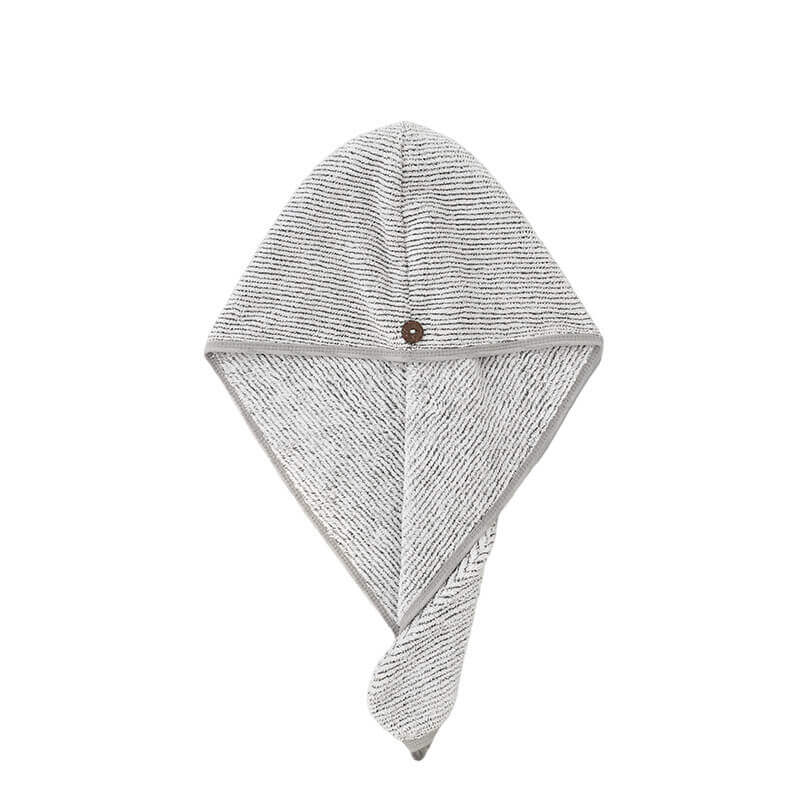
Bamboo-route towels can fit beauty brands that want a softer, more natural-sounding material story. The risk is not the idea itself; the risk is loose wording. In textile marketing, a product described as bamboo may actually require more precise language depending on the fiber and manufacturing route. The FTC has published guidance on bamboo fabric claims, including the need to avoid misleading bamboo wording when the product is rayon or another manufactured fiber from bamboo source material.FTC bamboo fabrics guidance 1
For Ecorivta RFQs, the bamboo-route question should be framed like this:
- What exact fiber or blend should be quoted?
- What claim will appear on the insert card, sleeve, PDP or carton?
- Does the buyer need a test report, material certificate or other documentation?
- Is the brand trying to communicate softness, sustainability, botanical positioning or a premium spa feel?
- Is the target price realistic for the material and packaging route?
If the answer is unclear, do not approve packaging copy yet. First align the material name, claim boundary and document requirement.
Waffle, Coral Fleece and Reversible Routes
Waffle weave is often useful when the buyer wants a quick-dry or compact feel. It can work for travel retail, gym/spa programs and gift sets where the towel must sit cleanly with other components. The tradeoff is hand feel: waffle may look lighter and more technical than a plush gift item.
Coral fleece or plush microfiber usually gives a softer, more giftable feel. This can help a haircare brand create stronger perceived value, but it may increase folded thickness and carton volume. If the towel will be packed with bottles, tubes, combs or a cosmetic pouch, the buyer should test the packed sample, not only the loose towel.
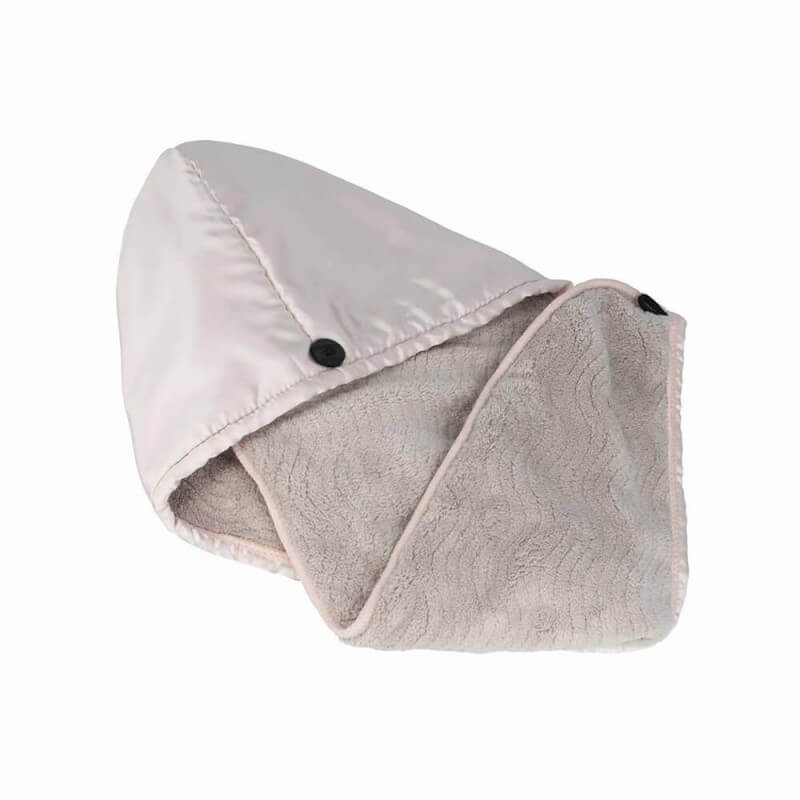
Reversible microfiber/satin routes are useful when the buyer wants a more distinctive retail or premium gift story. They require more attention to construction, seam quality and material compatibility. They should not be treated like a basic microfiber towel with a small logo change.
Target Price Changes the Best Material Route
Target price is not only a negotiation number. It tells the supplier which material and construction routes are realistic before sampling. Without it, a supplier may quote several options that look comparable in a spreadsheet but do not fit the campaign margin, packing budget or launch timing.
| Target price pressure | What usually changes first | What should not be cut too early |
|---|---|---|
| Very cost-sensitive GWP | Fabric weight, size, logo route and packing simplicity. | Basic absorbency check, color approval, stitching and folded presentation. |
| Mid-range beauty gift set | Choose between microfiber, waffle or bamboo-route based on story and pack size. | Sample packed with actual kit components, not only a loose towel. |
| Premium haircare or spa set | Hand feel, trim, reversible route, sleeve/card and color matching become more important. | Claim wording, certificate boundary and pre-shipment visual evidence. |
| Retail sale item | Barcode, label, hangtag, retail sleeve and carton mark may add cost. | Retail packing approval and color/logo file control. |
The best RFQ does not say “please quote your best price.” It says: “This is a GWP or sale item, this is the target price range, this is the packing route, this is the quantity, and these are the material claims we need to use.”
Send Target Price for Route Review
Claim and Certificate Boundary
If a hair towel project uses words such as recycled, bamboo, eco, sustainable, organic or tested, the wording needs a document path. The FTC Green Guides are a useful reminder that environmental marketing claims should be specific and supported, not broad or vague.FTC Green Guides 2
For textile safety and material documentation, buyers may ask about OEKO-TEX STANDARD 100 or similar testing expectations.OEKO-TEX STANDARD 100 3 If recycled microfiber or recycled-content wording is requested, the buyer should also clarify whether a recognized recycled-content chain-of-custody route such as GRS is actually required for the order.Textile Exchange GRS 4
This does not mean every hair towel order needs every certificate. It means the brand should not approve a sustainability or safety claim first and search for proof later. Decide the claim boundary before the insert card, sleeve and product page copy are finalized.
Color, Logo and Packing Still Affect Material Choice
Hair towels look simple, but color, logo and packing decisions can change the recommended route. A deep color may need more careful shade approval. A large embroidery may change hand feel or create puckering risk. A backing card, sleeve or polybag may make a thicker towel less practical for the carton plan.
For color communication, brands often rely on controlled color references such as Pantone systems for design and packaging work.Pantone color systems 5 The exact tolerance and approval method still need to be agreed with the supplier before bulk production.
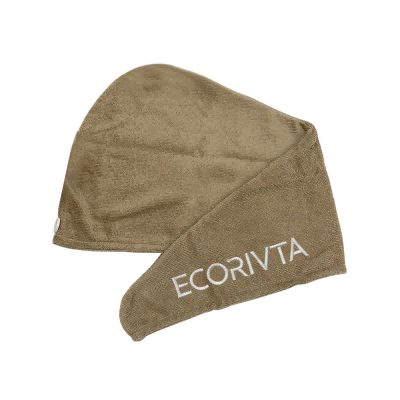
Before sample approval, ask for:
- final towel size and folded size;
- material route and approximate hand feel target;
- color reference and logo artwork file;
- logo method: woven label, printed label, embroidery or another route;
- packing method: polybag, paper band, sleeve, backing card, set packing or bulk packing;
- whether the item is a gift, sale item, retail kit component or internal promotion;
- whether any claim or certificate must appear in customer-facing copy.
How This Supports the Hair Towel Product Page
The main Ecorivta hair towel page explains the product scope: microfiber, bamboo, coral fleece, logo, MOQ, sample approval and bulk QC support. This article supports that page by answering the material-route question before the buyer sends an RFQ.
It also connects to two existing supporting articles. If the buyer already knows the material route but needs inspection details, use the hair towel QC checklist. If the buyer is working on folded packing, insert card, barcode or carton mark, use the hair towel packing checklist.
Together, the cluster becomes:
- product page: what Ecorivta can make;
- material route guide: what to choose and why;
- QC guide: what to approve before bulk;
- packing guide: how to hand off the finished item.
FAQ About Microfiber, Bamboo and Hair Towel Material Routes
Is microfiber or bamboo better for a beauty GWP hair towel?
There is no universal winner. Microfiber is often the practical route for cost-controlled GWP programs. Bamboo-route towels can fit a softer or more botanical brand story, but the exact fiber wording and claim boundary need early review.
Should a buyer choose the material before giving a target price?
No. The target price helps Ecorivta recommend a realistic material, weight, logo method and packing route. Without a target price, the first sample may look attractive but fail the campaign budget.
Can Ecorivta quote several routes for the same hair towel brief?
Yes. A useful RFQ can compare a classic microfiber route, a bamboo-route option, a waffle route or a plush route. The comparison should include packing and claim requirements, not just unit price.
Do recycled or bamboo hair towels always need certification?
Not always. It depends on the exact claim, market, buyer policy and customer-facing copy. If the brand wants to print recycled, bamboo, eco or tested claims, the document path should be discussed before packaging approval.
What should be included in a hair towel material RFQ?
Include product use, gift vs sale item, quantity, target price, size, material direction, color, logo method, packing method, delivery window and any certificate or claim requirement.
Send a Hair Towel Material Brief
If your team is choosing between microfiber, bamboo-route, waffle weave or plush hair towel options, send Ecorivta the campaign use, quantity, target price, color, logo and packing plan. We can review which route is more realistic before you approve the sample.
-
FTC consumer guidance on bamboo fabrics and claim wording. ↩︎
-
FTC Green Guides for environmental marketing claim boundaries. ↩︎
-
OEKO-TEX STANDARD 100 information for textile product safety testing context. ↩︎
-
Textile Exchange information on the Global Recycled Standard for recycled-content chain-of-custody context. ↩︎
-
Pantone color systems reference for color communication in product and packaging design. ↩︎