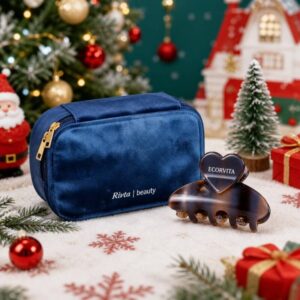
A sample timeline is a sequence of approvals
For beauty GWP bags and sewn accessories, sampling is not only “make one sample and wait.” A useful timeline separates brief confirmation, material and color route, logo and packing mockup, functional sample, approval comments, pre-production confirmation and bulk evidence.
This helps buyers avoid late changes that affect cost, color, packing or launch date. It also keeps Ecorivta’s sample approval page connected to real RFQ decisions instead of generic QC language.
Send a sample approval timeline brief
Stage 1: lock the brief before sample making
The fastest sample route starts with a short file: product type, size, material, logo method, color, packing, quantity, target market and launch window. If the item is a gift, sellable SKU or PR mailer, say that first. Gift and sellable items have different logic for packing depth, label detail and price tolerance.
| Timeline gate | Buyer should approve | Why it prevents delay |
|---|---|---|
| Brief lock | Use route, quantity, launch date, target market | Stops the supplier from guessing the project logic |
| Material route | Main fabric or clear material, handfeel, color direction | Prevents quote and sample mismatch |
| Logo route | Artwork file, size, position, color | Avoids rework after sample is made |
| Packing route | Card, pouch, box, polybag, carton mark if needed | Protects unboxing and shipment planning |
Stage 2: approve sample photos before comments scatter
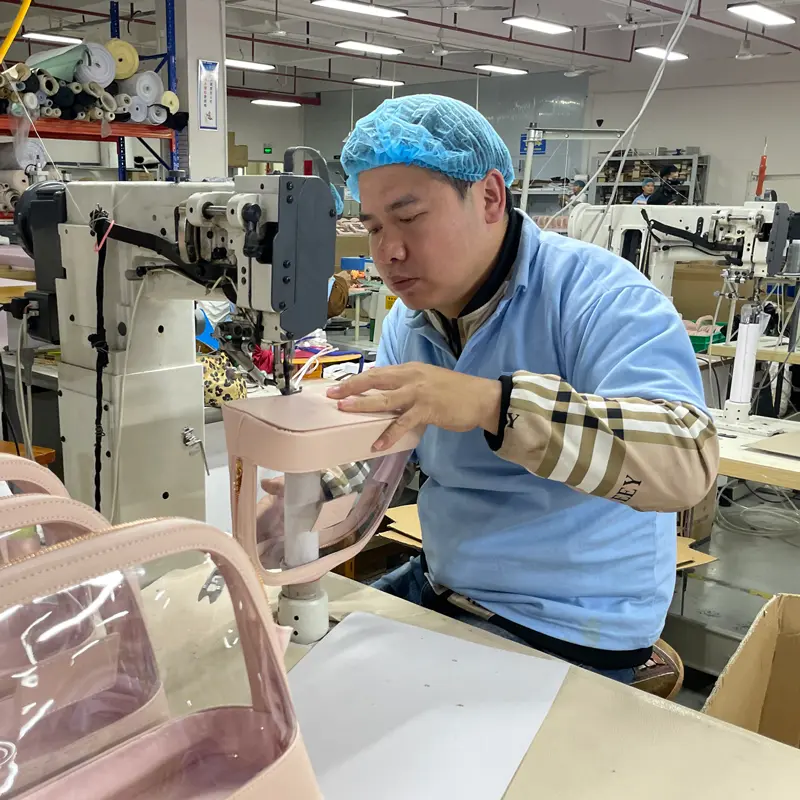
Ask for a focused sample photo set: front, back, inside if relevant, logo close-up, material close-up, packing mockup and one photo that shows scale. For color work, compare the sample against the buyer’s color direction under consistent lighting. For textiles touching skin, document support can be project-dependent; OEKO-TEX STANDARD 100 1 is a recognized textile testing reference when buyers ask for tested material support.
Sampling should not become a long list of tiny revisions with no priority. Mark comments as must-change, can-accept or next-batch improvement. That is how a buyer protects launch timing without weakening the product.
Stage 3: pre-production approval must match the final sample
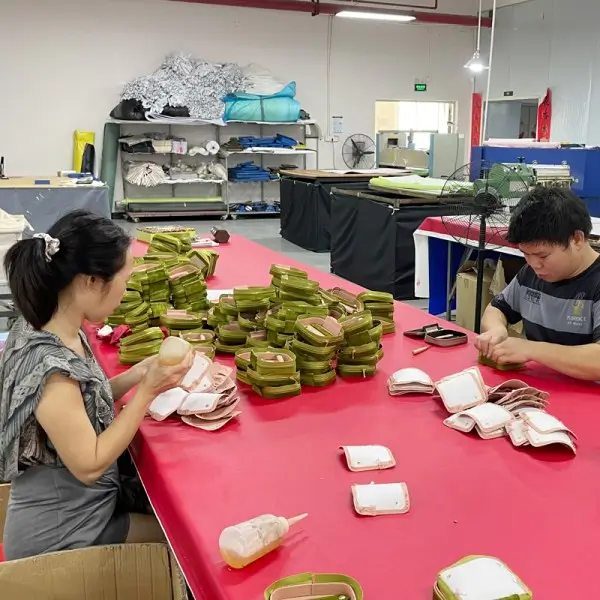
Before bulk starts, confirm that material, color, logo, stitch, edge, hardware, label and packing all match the signed sample. If the project uses inspection sampling, teams often reference sampling standards such as ISO 2859-1 as background, but the real inspection plan must match the product, buyer tolerance and order risk. ISO 2859-1 search reference 2 For attribute sampling indexed by AQL, ASTM E2234 3 can also be used as background, while the buyer’s final inspection plan remains project-specific.
For simple products there may be no dramatic rework point. That is fine. The value of the timeline is to keep basic decisions from being missed, especially launch date, final packing, sample comments and the approval owner.
Stage 4: finished-goods evidence closes the loop
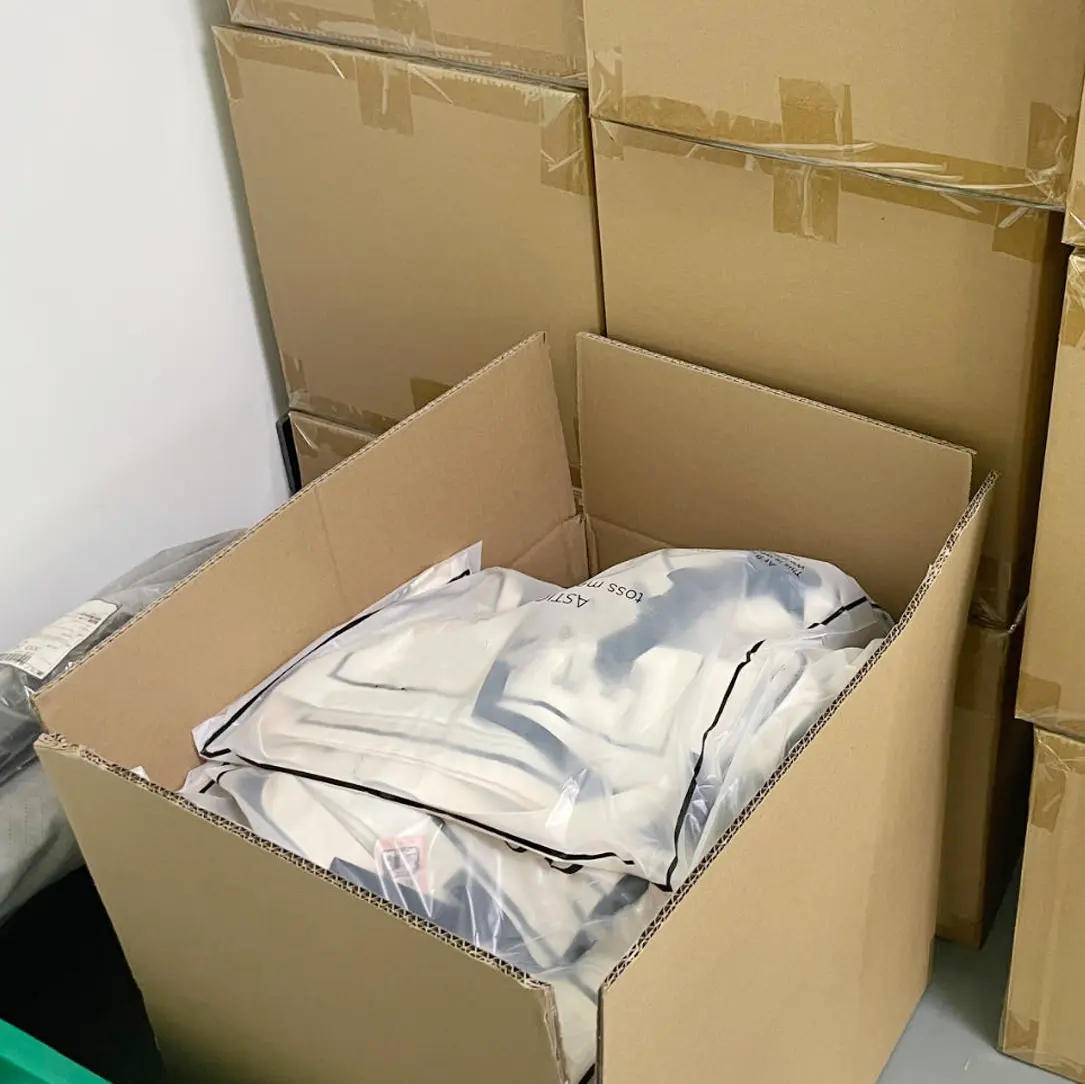
Finished-goods evidence should include quantity view, packing view, label or carton mark where relevant, and any critical detail that was approved in the sample. For beauty GWP buyers, this creates a cleaner handoff to internal marketing, logistics and sales teams.
The timeline should be short enough for buyers to use. A practical version is: brief lock, sample build, sample review, revision if needed, pre-production approval, inline check, finished-goods photo set, shipment handoff.
Send the timeline with your RFQ
Send product type, quantity, launch date, material direction, logo file, packing route and the date when your team needs the approved sample. Ecorivta can suggest the sample approval path and evidence file for beauty GWP bags or sewn accessories.
Send final sample timeline RFQ
FAQ
What should be approved before a beauty GWP sample is made?
Approve product type, size, material route, color, logo method, packing route, quantity, target market and launch window.
Does every simple sewn accessory need a long sample process?
No. Simple products can use a short process, but the buyer should still lock material, color, logo, packing and approval owner.
When should packing be confirmed?
Packing should be planned before sampling and finalized after the product size, folded shape and sample details are approved.
What finished-goods evidence should buyers ask for?
Ask for quantity view, detail close-ups, packing view, label or carton mark when relevant, and photos matching the approved sample file.
Related Ecorivta pages and guides
- Quality Control for sample, inline and finished-goods checks.
- Beauty GWP Accessories for multi-item launch kits.
- Beauty GWP Cosmetic Bags for bag sample routes.
-
OEKO-TEX STANDARD 100 is cited as a recognized textile testing reference when buyers request project-dependent material support. ↩︎
-
ISO 2859-1 is cited only as background for sampling-inspection terminology; the actual inspection plan must be project-specific. ↩︎
-
ASTM E2234 is cited only as background for attribute sampling and AQL terminology; the actual inspection plan must match the product, buyer tolerance and order risk. ↩︎