A vegan GWP pouch brief is strongest when it connects material claims, artwork and launch quantity in one place. For a cost-led project, recycled cotton is usually the more economical starting route. When the artwork uses many colors or a rich all-over print, RPET is usually the better route to evaluate. The quote is not ready until the supplier also knows pouch size, construction, trims, quantity tiers and deadline.
Quick Buyer Summary
- Use this when: a vegan, cruelty-free, skincare or clean beauty brand wants a reusable pouch, roll or structured case with recycled material options.
- Do not use it for: a generic cosmetic bag factory inquiry or a generic factory-only pouch inquiry that is not tied to a beauty, skincare, wellness or GWP program.
- Main risk: promising recycled or vegan positioning without confirming material documents, trims, logo route, MOQ and fastest sample path.
- Best first action: choose recycled cotton for a cost-led simple route or evaluate RPET for rich multi-color printing, then compare bespoke and semi-stock timing.
Request a vegan GWP pouch quote
Keep Vegan Components and Recycled Materials Separate
Vegan and recycled are different checks. A pouch can use recycled cotton or RPET and still include a trim, coating, label or puller that the buyer wants reviewed for vegan positioning. The brief should list the shell material, lining, zipper tape, zipper puller, patch, label, glue and packaging separately.
If recycled content is part of the campaign, the buyer should ask early whether the supplier can support a documentation route. Textile Exchange GRS 1 is a useful reference for recycled material discussions, while the product brief should avoid vague claims that cannot be backed later.

Compare recycled cotton and RPET samples
Choose Recycled Cotton for Cost, RPET for Rich Print
For buyers whose first priority is a lower unit cost, recycled cotton is usually the most practical starting material. It works especially well when the brand accepts a natural recycled appearance and uses a simple logo or limited decoration.
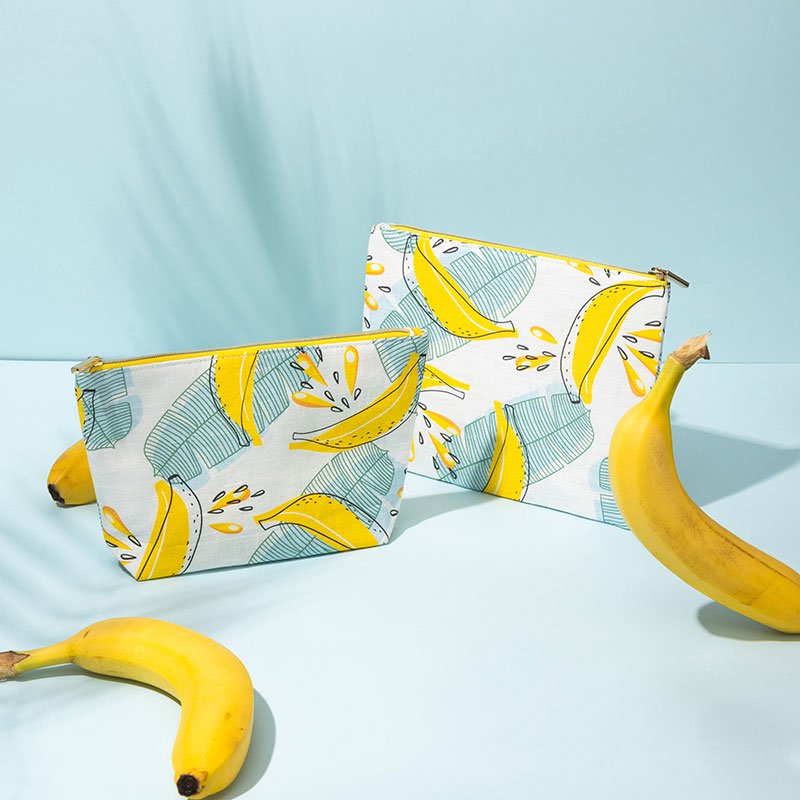
When the artwork contains many colors, detailed motifs or a rich repeated print, RPET is usually the better route to evaluate. Its printable surface can support a more controlled visual result than a recycled cotton fabric with visible fiber variation. This is a material-selection rule, not a fixed price promise; size, lining, zipper, construction, quantity and certification scope still affect the quotation.
When the timeline is urgent, the buyer should also ask for bespoke and stock or semi-stock routes side by side. Bespoke development may give the best fit for three pouch sizes, a roll and a structured case, while a stock or semi-stock blank may protect the launch if the first batch must move quickly.
Environmental wording should stay specific. The FTC Green Guides 2 are a useful buyer-side reminder that recycled, sustainable, reusable or vegan-adjacent messaging should not be treated as decoration copy. The quote should state which material and trim records are available.
| Route | Best use | Main tradeoff |
|---|---|---|
| Recycled cotton | Cost-led pouch with simple logo or restrained decoration. | Natural fiber variation is less suited to very rich, highly controlled printing. |
| RPET | Many colors, detailed motifs or rich repeated printing. | Material feel and documentation route should be approved with the sample. |
| Bespoke pouch | Exact product fit, custom lining and custom logo position. | Longer sample time and more setup decisions. |
| Semi-stock blank | Fast first batch with simple decoration and lower timing risk. | Less control over exact dimensions and construction. |
Make the Low MOQ Request Operational
A low MOQ request is useful only when it is tied to a decision. Instead of asking for the lowest MOQ, write the starting target and price breaks: 100, 250 and 500 pieces per style, or the true minimum if the construction cannot support that range.
If the pouch may touch skincare or sit inside a premium set, ask whether OEKO-TEX Standard 100 3 or another textile safety route matters to the buyer. That question belongs before the sample is made, not after the price table is approved.
Connect Fast Samples to First Batch Freight
A fast sample request should include the delivery city, target approval date and whether a first batch can move by air. The ICC Incoterms rules 4 help keep the product quote, courier sample and first-batch freight basis clear.
This brief should support Ecorivta’s recycled material and Beauty GWP routes. It should not become a generic pouch factory page. The buyer is asking how to protect a vegan skincare launch, not only who can sew a pouch.

Send This Vegan GWP Pouch Brief
For a faster review, send the pouch sizes, product-fit photos, recycled cotton or RPET preference, vegan trim requirements, artwork files, MOQ targets, sample deadline, bulk deadline and whether a stock or semi-stock blank can be used for the first batch.
Send a fast sample and air freight brief
FAQ
What should a vegan GWP pouch brief include?
It should include pouch sizes, product-fit photos, material preference, vegan trim restrictions, logo method, packaging route, quantity tiers, sample deadline, bulk deadline and shipping destination.
Is recycled cotton automatically vegan?
Not automatically. Recycled cotton describes the fiber route, while vegan positioning also depends on trims, coatings, labels, glue and decoration choices.
Should the buyer ask for stock and bespoke quotes together?
Yes when the deadline is urgent. A stock or semi-stock route can protect timing, while a bespoke route can be reviewed for the final campaign or later replenishment.
How should low MOQ be written?
Ask for price at 100, 250 and 500 pieces per style, and ask the supplier to state the true minimum if those tiers are not realistic for the selected construction.
Evidence Used in This Brief
-
Textile Exchange GRS – Referenced for recycled material documentation discussions in textile sourcing. ↩︎
-
FTC Green Guides – Used to keep recycled, reusable and environmental wording specific and supportable. ↩︎
-
OEKO-TEX Standard 100 – Referenced for textile safety discussions when beauty pouch materials are requested. ↩︎
-
ICC Incoterms rules – Referenced for separating sample courier, FOB and first-batch freight decisions. ↩︎