Bulk tote cost is not just fabric plus logo. For Beauty GWP campaigns, the real quote depends on product fill, size, material claim, logo method, packaging scope, sample approval, quantity and carton handling.
TL;DR
Before asking suppliers for price, buyers should prepare a tote RFQ file that shows product fill, target size, material route, logo method, packaging scope, quantity band, sample timing, claim evidence need and carton assumptions. The purchasing conclusion is simple: compare Beauty GWP tote suppliers by route completeness first, then by unit price. A quote that separates bag base, logo setup, insert card, packed sample, carton mark and document scope is easier to approve than a thin line item with missing launch work.
| Route filter | Procurement conclusion |
|---|---|
| Best fit | This guide is best for beauty founders, brand teams, private-label buyers and sourcing managers preparing a Beauty GWP tote, launch kit tote, retail gift tote or tote + pouch set with a real brand, a target launch window and an expected order around MOQ 500+ or higher. It works especially well when the buyer already has product fill, artwork direction, material preference, packaging ideas and a need to compare suppliers without losing control of sample timing, claim evidence, carton marks and packed presentation. It is also useful when finance, marketing and procurement need one RFQ checklist before deciding whether a simple canvas route, claim-led route, structured premium tote or retail-ready packed tote makes sense. |
| Less suitable | This guide is less suitable for single-piece personal orders, generic marketplace resale, no-brand projects, one-off event favors without production files or price-only sourcing where the buyer only wants a bottom-quoted visible tote. It is also the wrong workflow when the team has no product fill, no logo direction, no launch timing, no sample approval owner and no plan to review material, packaging, claim copy or carton handling before bulk production. If the buyer cannot share artwork, product dimensions or receiving rules, the quote will remain too vague for supplier comparison. |
When should buyers use a tote-specific cost checklist?
Use a tote-specific cost checklist when a Beauty GWP campaign depends on a tote’s size, fill, material route, logo method and retail presentation. A general campaign budget can show whether a GWP is affordable, but a tote quote needs sharper detail because fabric area, gusset depth, handle strength, logo setup, packaging and carton packing can all change the real cost.
The goal is not to make every tote more expensive. The goal is to make the quote readable. When the quote shows what is included, buyers can decide whether the route is a simple canvas tote, a recycled-material claim route, a structured premium tote or a retail-ready packed GWP.
Which cost drivers matter most for Beauty GWP totes?
| Cost driver | What changes the quote | Why Beauty GWP buyers should care |
|---|---|---|
| Size and gusset | Width, height, depth, handle drop and product-fill target. | A larger tote may look premium but can waste carton space or look underfilled. |
| Material route | Canvas, recycled canvas, cotton blend, rPET blend, lining and fabric weight. | Material affects handfeel, claim wording, sample time and unit cost. |
| Logo method | Screen print, embroidery, woven label, patch, hangtag or insert card. | Logo method changes setup, labor, minimums and perceived value. |
| Packaging scope | Insert card, sleeve, hangtag, individual packing and carton marks. | A tote for GWP may need to arrive as a gift, not just a loose bag. |
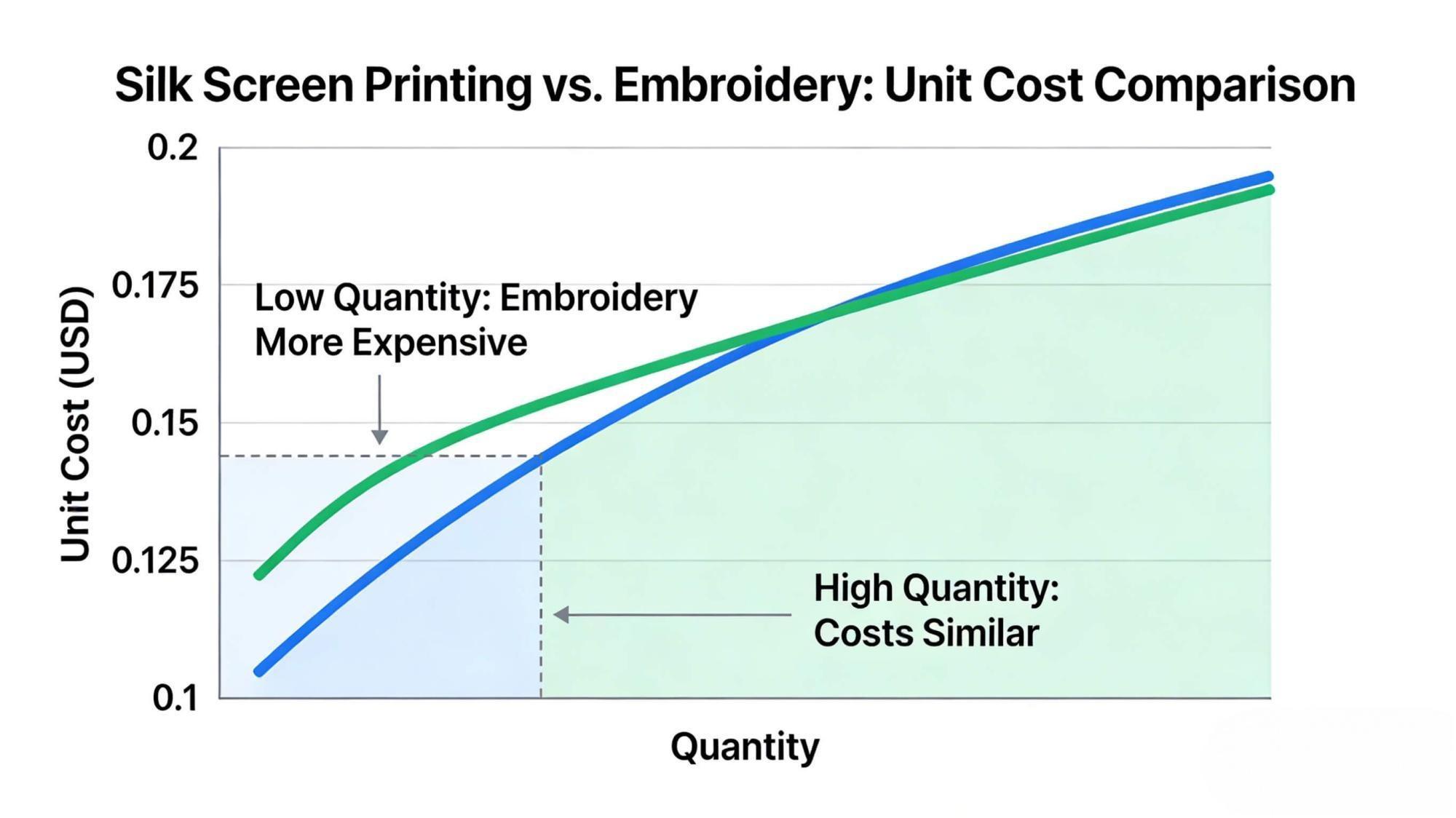
| Quantity band | 500-1,000, 1,000-3,000, 3,000-5,000+ and multi-SKU programs. | Unit cost improves with quantity, but custom variables can offset scale savings. |
| Approval scope | Physical sample, packed sample, pre-production confirmation and inspection record. | Approval work adds cost but reduces launch risk. |
What indicative price ranges can buyers use for planning?
The ranges below are planning references only. They are not fixed quotes, because fabric markets, quantity, logo method, packaging scope and shipment requirements change. Use them to decide which route is realistic before requesting an official quote.
| Route | Indicative planning range | Usually fits |
|---|---|---|
| Simple canvas logo tote | Approx. USD 1.20-2.80 per unit | Sampling campaigns, basic skincare sets and simple retail promotions. |
| Recycled or claim-led tote | Approx. USD 1.80-4.50 per unit | Campaigns where material story, document scope or insert-card wording matters. |
| Structured / premium GWP tote | Approx. USD 3.50-7.50+ per unit | Higher perceived-value kits, launch sets and tote + pouch pairings. |
| Retail-ready packed tote | Add packaging, insert, hangtag and carton assumptions. | Campaigns that need the tote to arrive presentation-ready. |
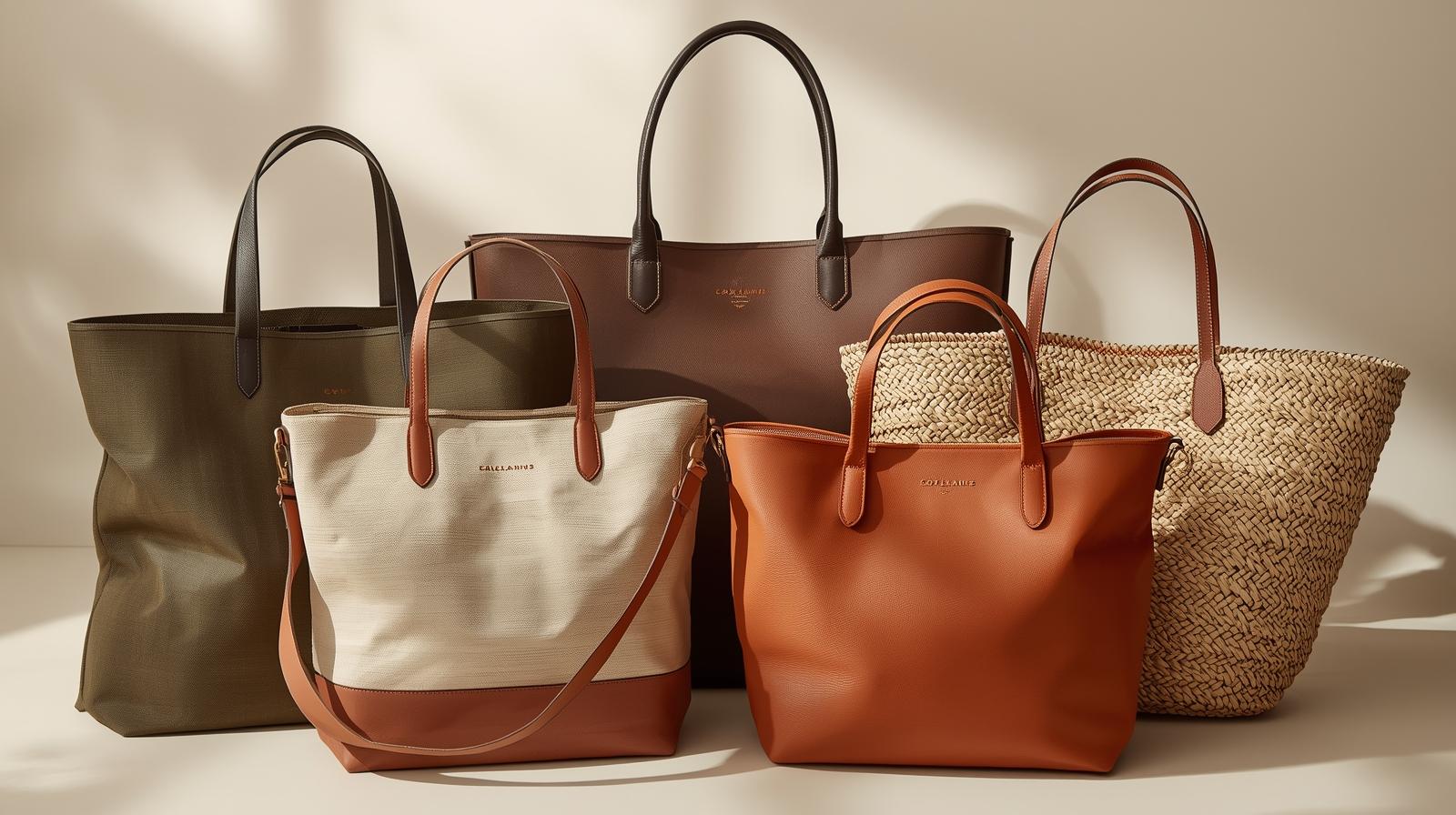
Cost follows the campaign brief. A tote quote becomes meaningful only after product fill, size, logo and packaging scope are visible. Otherwise, the first price may exclude the parts that make the GWP campaign work.
How do size and product fill change tote cost?
Size affects more than fabric use. It changes gusset depth, handle strength, carton quantity, product presentation and perceived value. A tote that is too large may cost more while making the gift set look less intentional. A tote that is too small may create seam stress or logo distortion when filled.
| Size decision | Cost effect | Risk if ignored |
|---|---|---|
| Small / mini tote | Lower material use, but tighter logo and packing limits. | Product set may not fit or may look crowded. |
| Medium tote | Often the most balanced route for skincare or makeup sets. | Needs product-fill proof to avoid underfilled presentation. |
| Large tote | Higher material and carton impact. | Can look empty unless the campaign includes enough product volume. |
| Structured gusset | Adds material, sewing and packing consideration. | Improves presentation but needs carton compression review. |
How do logo and packaging choices affect the quote?
| Choice | Lower-cost route | Higher-control route |
|---|---|---|
| Logo | One-color screen print on a stable surface. | Embroidery, woven label, patch, metal trim or multi-location branding. |
| Brand story | Hangtag or simple insert card. | FSC sleeve, printed insert, individual pack and claim-specific copy. |
| Claim communication | No claim or generic product note. | Material-specific wording supported by order documentation. |
| Pack-out | Bulk packed tote. | Individual packing, product set coordination and carton mark control. |
Which quote details should buyers request before comparing suppliers?
Two tote quotes are not comparable unless they include the same assumptions. Buyers should ask suppliers to separate the bag, logo, packaging, sample and carton parts of the quote. This makes a slightly higher quote easier to understand and prevents a thin quote from hiding missing work.
| Quote field | Ask supplier to show | Why it matters |
|---|---|---|
| Bag base | Material, size, handle, lining and construction. | Defines the actual tote being priced. |
| Logo | Method, size, color count and placement. | Prevents artwork cost changes after review. |
| Packaging | Insert card, hangtag, sleeve, individual pack and carton mark. | Shows whether the quote covers GWP presentation. |
| Sample | Sample fee, sample timing and packed-sample review. | Clarifies approval cost and timing. |
| Bulk terms | MOQ, quantity band, inspection scope and shipment assumption. | Lets buyers compare route quality, not just unit price. |
RFQ file checklist before asking for price
An RFQ file should make the tote easy to price before the supplier guesses. Buyers do not need a perfect technical pack at the first email, but they do need enough campaign information for the supplier to separate material, logo, packaging, sample and carton work. The checklist below helps prevent the first quote from becoming a vague placeholder.
| Buyer input | Supplier response | Risk if missing |
|---|---|---|
| Product fill, approximate product weight and intended gift set count. | Recommended tote size, gusset depth, handle strength and carton packing logic. | The tote may look underfilled, feel overloaded or require a late size change. |
| Target size, material route, lining need and preferred handfeel. | Material option, fabric weight, construction detail, MOQ and sample timing. | The buyer may compare different products while thinking the quotes are equal. |
| Logo artwork, color count, logo position and branding method preference. | Setup fee, logo method, placement limit, artwork file requirement and approval step. | Logo cost or artwork timing may move after the first internal budget review. |
| Packaging scope: hangtag, insert card, sleeve, individual pack and carton mark. | Separated packaging line, print file need, pack quantity and packed-sample route. | The quote may exclude the pieces that make the GWP retail-ready. |
| Claim wording, evidence need, delivery market and launch date. | Document scope, wording boundary, lead time and approval schedule. | The team may approve cost before checking whether the claim and timeline can be supported. |
What hidden tote costs should buyers check before choosing a thin quote?
A low tote quote may be perfectly usable, but only if the missing fields are intentional. Buyers should not treat every excluded item as a supplier problem. The real risk is approving a quote without knowing which campaign requirements are outside the unit price.
| Hidden cost area | Common exclusion | How to clarify |
|---|---|---|
| Artwork setup | Logo setup, screen fee, embroidery file or patch mold is not listed. | Ask whether the fee is one-time, per color, per size or per logo position. |
| Sample approval | Only one flat sample photo is included. | Ask whether physical sample, packed sample and pre-production confirmation are included. |
| Packaging | Insert card, hangtag, sleeve and individual pack are excluded. | Ask for a separate packaging line so marketing can approve the full GWP look. |
| Claim documents | Material claim is mentioned but document scope is not included. | Ask what document applies to fabric, lining, tag, sleeve or insert copy. |
| Carton handling | Carton marks, pack quantity and compression review are not specified. | Ask how many units per carton and whether the filled tote shape is protected. |
Which cost questions need a broader campaign review?
Some cost questions are larger than the tote itself. When the team is comparing total campaign ROI, full kit cost, cosmetic bag budget, MOQ policy or multi-product sourcing logic, the quote should be reviewed across the full Beauty GWP program instead of only inside the tote line item.
| Question | What to review | Why it matters |
|---|---|---|
| What is the total cost logic for the GWP program? | Beauty GWP cost framework | The full budget may include cosmetic bags, pouches, packaging, samples and inspection work. |
| What tote size should we choose for the campaign? | Tote size decision guide | Size affects cost, product fit, carton handling and perceived value. |
| Which logo method changes cost and perceived value? | Logo method guide | Logo method has separate setup, durability and surface-control tradeoffs. |
| Which supplier quote looks risky? | Tote supplier red-flags guide | A quote can look attractive because evidence, packing or approval work is missing. |
How is this different from related tote and Beauty GWP cost guides?
This article is the RFQ and quote-check route. It helps buyers decide what information must be in the pricing file before supplier comparison. The related guides below answer adjacent questions, but they should not replace the RFQ checklist when a team is asking for a formal tote quote.
| Sibling guide | Use that guide when | Use this guide when |
|---|---|---|
| Beauty GWP cost framework | The buyer is planning the full campaign budget across bags, pouches, packaging and approval work. | The tote line item needs a clean RFQ file and comparable supplier quote. |
| Tote size decision guide | The main question is product fit, gusset depth, perceived value and carton space. | The buyer already has a target size range and needs cost drivers separated. |
| Logo method guide | The team is choosing between screen print, embroidery, label, patch or other branding methods. | The chosen logo route must be priced with setup, sample and approval detail. |
| Tote supplier red-flags guide | The team is screening supplier behavior, missing evidence or weak approval workflow. | The team needs a practical checklist before comparing the next round of quotes. |
How should buyers choose the right supporting guide?
| Route | Use when | Open page |
|---|---|---|
| Tote GWP design guide | The cost question starts with campaign format and perceived value. | Open guide |
| Tote size guide | Size, gusset and product fill drive cost. | Open guide |
| Material guide | Fabric route and claim scope drive cost. | Open guide |
| Logo method guide | Print, embroidery, label or patch changes unit cost. | Open guide |
| Beauty GWP hub | The tote is part of a larger launch kit or retail promotion. | Open page |
| RFQ route | Buyers need a quote checked before sampling. | Open form |
What can Ecorivta deliver for Beauty GWP tote cost reviews?
| Support area | Practical cost review | What buyers should confirm early |
|---|---|---|
| Tote route review | Simple canvas tote, recycled tote, structured tote, packed GWP tote and tote + pouch route. | Product fill, target size, material preference and expected perceived value. |
| Logo and packaging review | Screen print, embroidery, woven label, patch, hangtag, insert card, sleeve and individual pack. | Logo artwork, color count, logo size, packaging copy and retail presentation need. |
| Sample and approval review | Physical sample, packed sample, pre-production confirmation and approval record. | Launch deadline, buyer approval flow and whether product-fill testing is required. |
| Claim and document review | Material route, recycled-content document scope, FSC packaging and environmental wording check. | Exact claim wording and which component carries the claim. |
| Quantity and carton review | MOQ band, quantity break, pack quantity, carton marks and compression considerations. | Target quantity, delivery market, carton requirements and shipment assumptions. |
What does an anonymized tote cost case teach?
An anonymized skincare launch in 2025 planned a Beauty GWP tote for a cleanser, travel serum and mini cream set. The marketing team first compared two supplier quotes by visible unit price. Supplier A looked lower because the quote listed only canvas tote, one-color logo and bulk carton packing. Supplier B looked higher because the quote separated tote base, logo setup, insert card, individual pack, packed-sample review, carton mark and document scope. When procurement rebuilt both quotes in the same checklist, the bottom-quoted route had several open items: no product-fill test, no insert-card print line, no packed sample timing, no carton compression note and no evidence boundary for recycled-content wording.
The buyer did not choose the most expensive route automatically. Instead, the team asked both suppliers to re-quote from the same RFQ file. Supplier A added the missing lines and the price gap became much smaller. Supplier B shortened sample timing after receiving the final product-fill photo and logo file. The final order used a mid-weight tote with a controlled logo size, separate insert-card approval and carton marks that matched the retailer’s receiving rules. The lesson is practical: Beauty GWP tote cost should be reviewed by route completeness, launch fit and approval evidence before price ranking. A quote that looks higher can actually be the cleaner route if it already includes the work needed for a retail-ready gift.
What did three anonymous buyers say after quote review?
| Role | Before review | After review |
|---|---|---|
| Founder | The team thought the tote price was only a fabric and logo decision. | The RFQ file helped separate product-fill fit, packaging scope and launch timing before supplier comparison. |
| Procurement lead | Two quotes looked impossible to compare because each supplier used different assumptions. | The checklist forced both suppliers to state MOQ, sample route, carton handling and document scope in the same format. |
| Marketing manager | The first budget ignored insert card and packed-sample approval. | The final quote made the GWP presentation easier to defend during internal review. |
How can buyers send a copy-ready tote cost brief?
- Campaign type.
- Product fill.
- Target tote size.
- Material route.
- Logo method.
- Packaging scope.
- Claim wording / document need.
- Target quantity.
- Sample approval needed.
- Packed-sample review needed.
- Carton mark / pack quantity.
- Target budget range.
- Launch date.
- Quote questions still open.
Send this through the Ecorivta contact form when the team needs help checking whether a tote quote includes the right Beauty GWP cost drivers.
Which evidence should support a tote cost checklist?
Cost planning should consider ISTA packaging and distribution-test context [1] when carton handling, compression and shipping assumptions affect the quote. For material-sensitive routes, buyers should connect the quote to GRS recycled-content documentation [2], FSC paper packaging context [3], OEKO-TEX textile safety scope [4] and FTC environmental marketing guidance [5] before using sustainability wording.
For supplier quality and responsibility requirements, ISO 9001 quality-management context [6] and Sedex SMETA audit context [7] can be useful when their scope matches the actual factory, order route and customer requirement.
Who We Don’t Take On
- Buyers who want a fixed tote price before size, material, logo and packaging scope are defined.
- Projects that compare quotes without matching product fill, sample approval and carton assumptions.
- Orders using sustainability claims while excluding document scope from the cost discussion.
- Campaigns where the first visible unit price matters more than whether the GWP arrives presentation-ready.
About the author
Lina Lv works with beauty brands on custom cosmetic bags, Beauty GWP totes, material routes, logo methods, packed samples and supplier-ready RFQ files. Her writing focuses on practical sourcing decisions that help buyers compare route completeness before approving samples or bulk production.
Trademark notice
Brand names, certification names, retailer names and standard names mentioned in this article belong to their respective owners. They are used for buyer education and sourcing context only. Ecorivta does not claim ownership of third-party trademarks, and buyers should confirm current trademark, certification and labeling requirements with the relevant owner, certifier, retailer or legal advisor before using marks or claim wording in public packaging, inserts or campaign materials.
FAQ: Beauty GWP tote cost drivers
How much does a Beauty GWP tote cost?
The cost depends on size, fabric route, logo method, packaging scope, quantity, sample needs and carton handling. Indicative ranges are useful only after those variables are clear.
Which tote cost driver is usually underestimated?
Packaging scope is often underestimated because insert cards, sleeves, hangtags, individual packing and carton marks may be excluded from a basic tote quote.
Should buyers choose the first large-quantity tote price?
Not automatically. The better quote is the one that explains material, logo, packaging, sample and carton assumptions clearly.
When does tote cost need a full campaign review?
Tote cost needs a broader campaign review when the tote is part of a multi-product GWP kit, when ROI is being compared, or when cosmetic bags, pouches, inserts and carton handling are being sourced together.
When should buyers contact Ecorivta?
Buyers should contact Ecorivta when they need a tote quote checked against product fill, launch timing, material claims and packaging scope.
Sources
- ISTA test procedures. Source ↩
- Textile Exchange, Global Recycled Standard. Source ↩
- Forest Stewardship Council, FSC labels. Source ↩
- OEKO-TEX, STANDARD 100. Source ↩
- U.S. Federal Trade Commission, environmental marketing guidance. Source ↩
- International Organization for Standardization, ISO 9001 quality management. Source ↩
- Sedex, SMETA audit. Source ↩