An exciting design concept for a tote bag often fails to become a market hit. Many great ideas stumble during development, never reaching their full potential as bestselling products.
A premier tote bag manufacturer transforms a design concept into a bestseller by mastering three key areas. They provide deep material science expertise, apply structural engineering for durability, and ensure complete supply chain compliance. This combination turns a creative vision into a commercially successful and high-quality product.
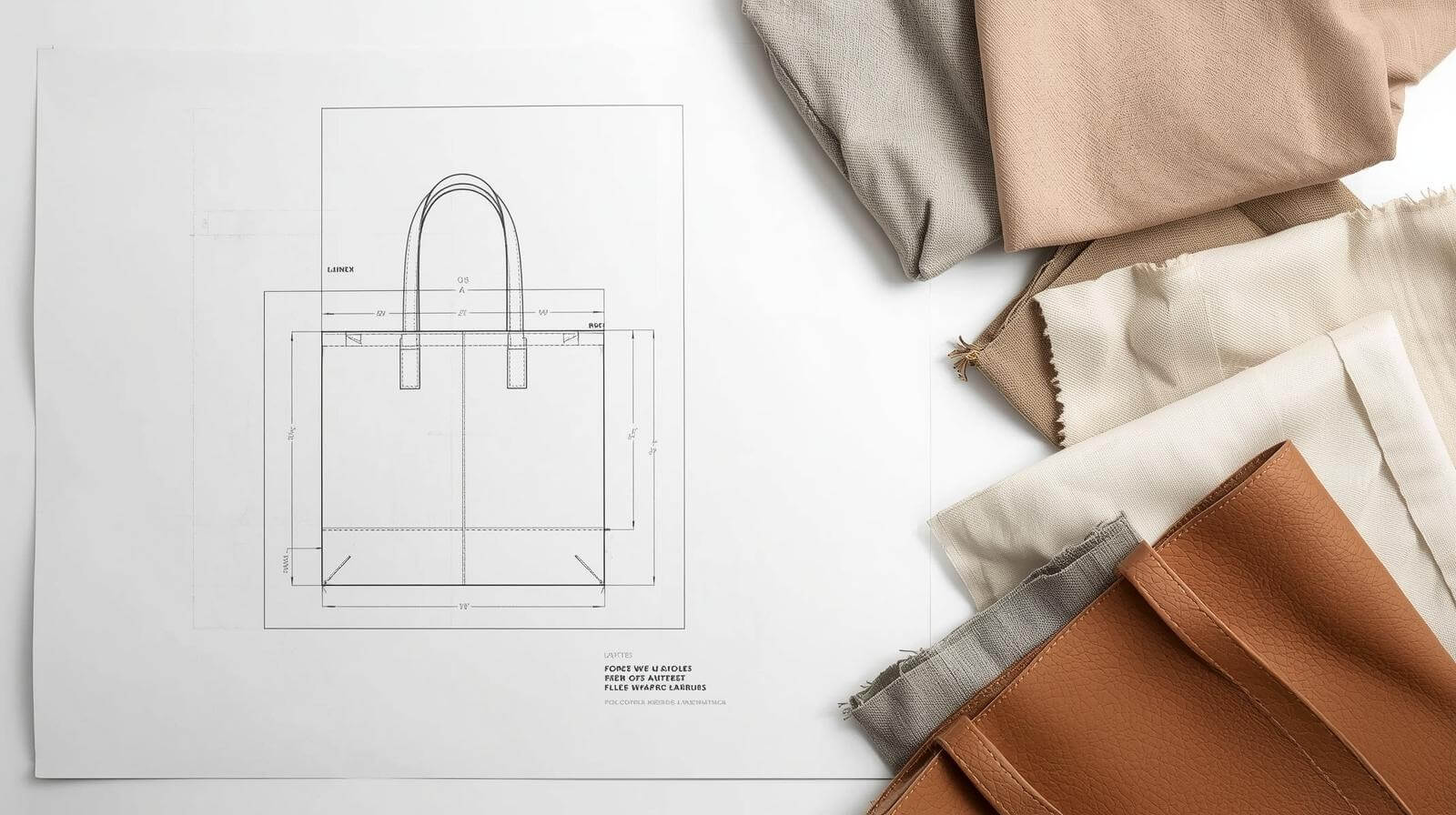
Turning a brilliant idea into a product that customers love and buy again is the ultimate goal. Over my 30 years in this industry, I’ve seen countless promising concepts fall short. The gap between a drawing and a successful retail product is wider than most brands anticipate. It’s a journey filled with potential pitfalls, from material choices that don’t align with the brand ethos to structural flaws that emerge only after production. This is where the right manufacturing partner becomes more than just a supplier; we become the bridge that connects your creative blueprint to a tangible, shelf-ready bestseller. This article will walk you through how we, as a premier manufacturer, navigate this complex process.
Why do 90% of tote bag concepts miss their bestseller potential?
A great design is not enough. Many concepts fail because they overlook crucial production realities, like balancing aesthetics with load-bearing structure or choosing materials that don’t fit the brand identity.
A bestseller in the tote bag world achieves three things perfectly: visual impact, extreme durability, and verifiable sustainability. It’s not just a bag; it’s a statement of quality and brand values that resonates with discerning customers, turning a simple item into a sought-after product.
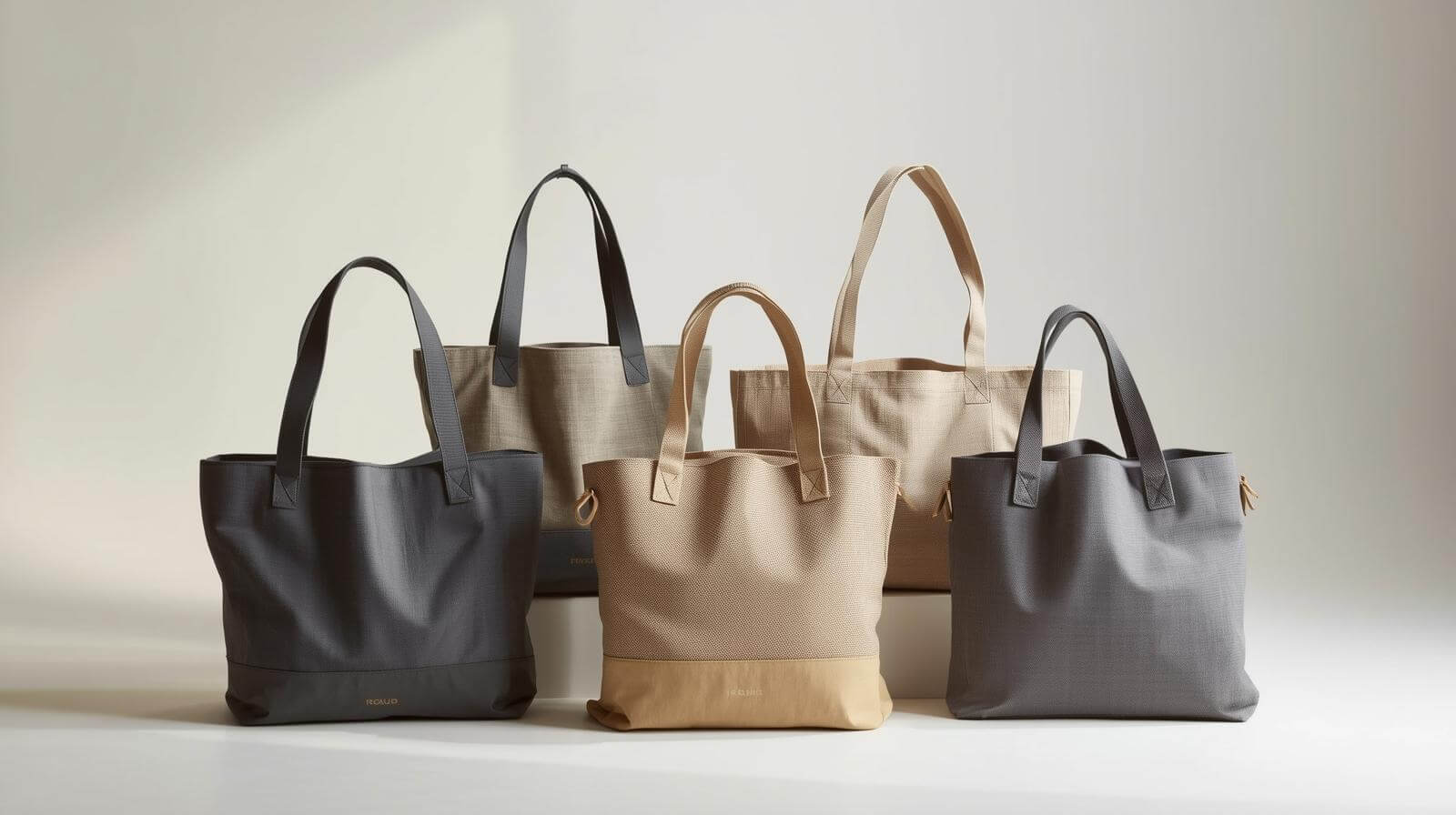
In my experience, the most common mistakes happen early in the development stage. I’ve seen brands become so focused on a unique silhouette that they forget the bag needs to carry more than a wallet and keys. The handle attachments fail, the seams split, and the customer’s trust is broken. Other times, a brand committed to natural aesthetics chooses a synthetic material simply because of a color trend. These disconnects between design, function, and brand story are what kill a product’s potential.
This is why we champion a Design for Manufacturing (DFM) approach. It’s about asking critical questions before the first sample is even made.
| Common Pitfall | The Bestseller Solution | EcoRivta’s Role |
|---|---|---|
| Design Overlooks Function | Integrate load-bearing reinforcement (e.g., structural stitching, bar-tacking) into the design from the start. | We analyze 2D drawings to identify potential stress points and propose engineering solutions. |
| Material & Brand Mismatch | Select materials that not only look the part but also embody the brand’s sustainability claims. | We guide brands through our library of 500+ materials to find the perfect match for both aesthetic and values. |
| Lack of “Premium Feel” | Focus on hidden details like high-quality lining, clean-finished internal seams, and robust hardware. | Our prototyping process refines these small but crucial details that create a sense of luxury and justify a higher price point. |
A bestselling tote bag isn’t an accident. It’s the result of a deliberate, collaborative process between a brand with a vision and a manufacturer with the expertise to execute it flawlessly. For a deeper understanding of finding the right partner, you might be interested in our guide on Sourcing from China: A Step-by-Step Guide to Finding the Right Tote Bag Manufacturer ->
How can material science elevate a simple tote bag design?
Your choice of fabric feels limiting and uninspired. It’s a struggle to find a material that is sustainable, luxurious, and durable, forcing you to compromise on your brand’s core values.
We solve this by offering over 500+ sustainable materials, moving beyond basic recycled cotton. We provide options like bio-based apple peel leather for a luxury feel and high-performance recycled nylon for durability, ensuring your tote bag stands out with a unique and responsible material story.
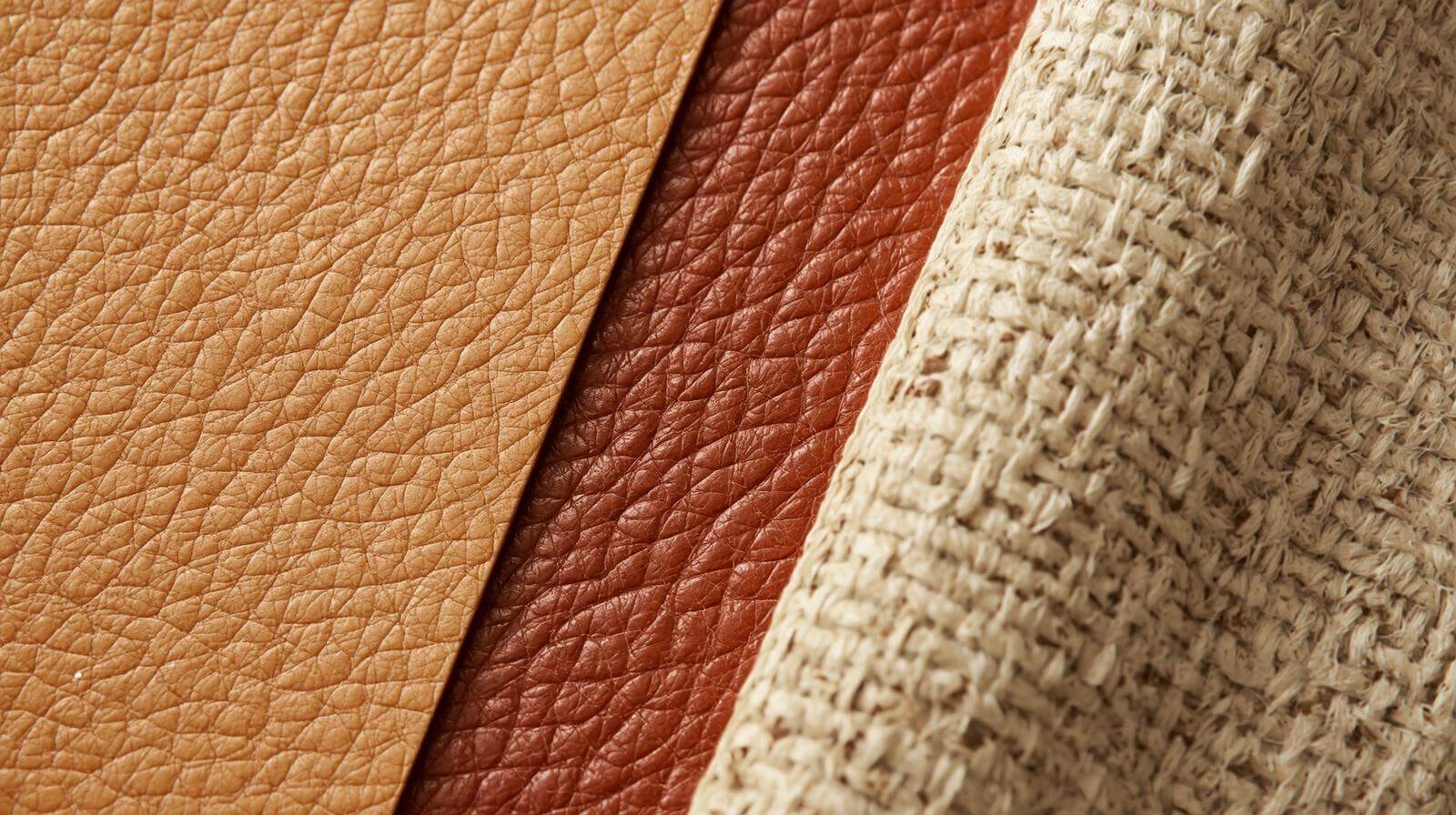
The material is the soul of a tote bag. It’s the first thing a customer touches and a tangible representation of your brand’s commitment to quality and sustainability. While many suppliers offer RPET or recycled cotton, a premier manufacturer explores the cutting edge of material science. We help brands move beyond the obvious choices. For instance, for a brand that wants to convey a sense of modern luxury, we might propose Desserto®, a cactus-based vegan leather, or Piñatex®, made from pineapple leaf fibers. These materials have a unique texture and story that instantly elevates a product.
For a tote designed for active or outdoor use, we look at performance. Here, recycled nylon or high-denier RPET offers superior water resistance and abrasion durability. The key is understanding the end-use and matching it with the right material properties.
But material selection is only half the battle. The other is process compatibility. A beautiful, innovative material is useless if it can’t be manufactured at scale.
- Printing: Some bio-based materials have uneven surfaces that are unsuitable for fine-detail screen printing. In these cases, we might recommend digital printing or embroidery.
- Stitching: Vegan leathers require specific needle types and thread tensions to prevent tearing or unsightly perforations.
- Heat Transfer: The adhesive and heat settings for heat transfers must be calibrated precisely for recycled synthetics to avoid melting.
Our deep knowledge of how these materials behave during production prevents costly errors and delays. We don’t just present a swatch; we provide a complete manufacturing solution. To explore the world of eco-friendly materials further, check out our extensive guide on Natural & Plant-Based Materials ->
Can structural engineering really make a tote bag feel more premium?
A bag looks fine on paper, but the final product feels flimsy. The handles seem weak, the shape collapses, and it lacks the substantial, high-end feel that justifies its price.
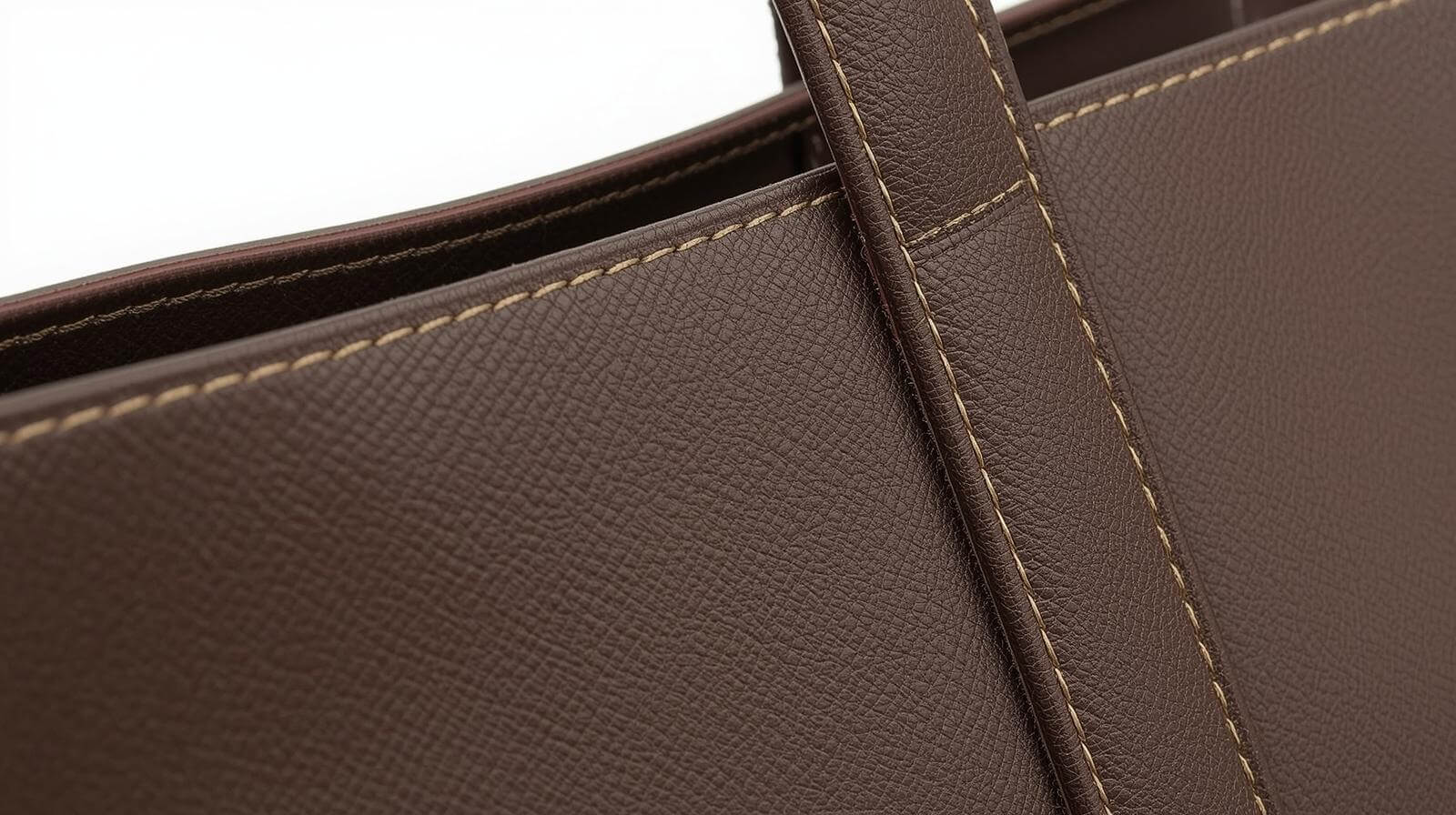
Absolutely. True premium quality is engineered, not just sewn. By focusing on structural details like handle reinforcement beyond basic stitching, and using high-quality lining and binding techniques, we transform a 2D design into a robust 3D product that feels luxurious and stands up to daily use.
What compliance and transparency standards do top brands demand?
Navigating global compliance feels overwhelming. You’re unsure which certifications truly matter and how to guarantee your supply chain is ethical and transparent, exposing your brand to significant risk.
Top brands demand verifiable proof of compliance. This means active certifications like BSCI and Sedex for social accountability, and the ability to pass stringent brand audits like L’Oréal’s. It requires a transparent supply chain where every material is traceable to its source.
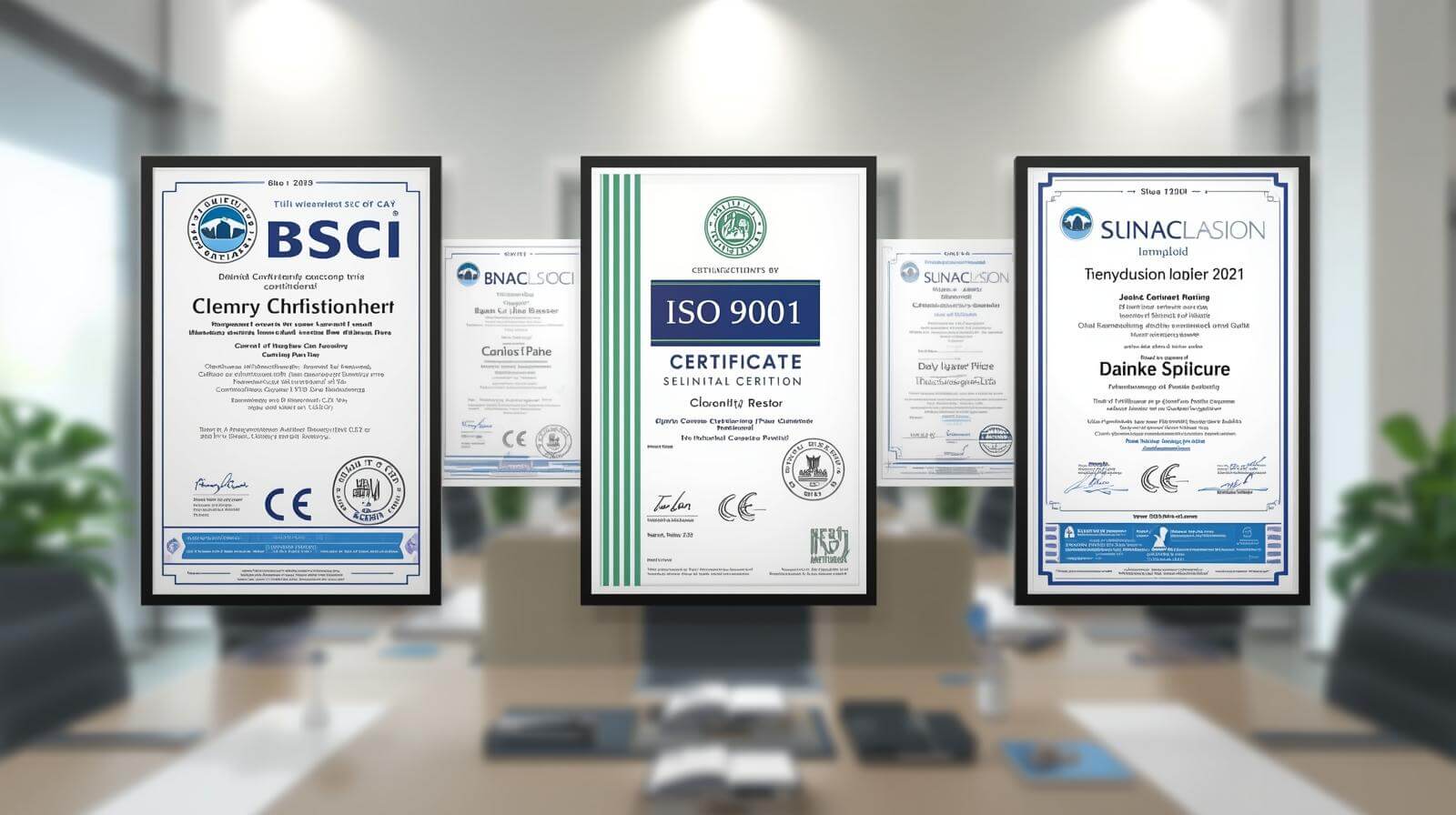
In today’s market, compliance is non-negotiable. For a senior buyer at a global brand, a manufacturer’s certifications are the first filter. They aren’t just logos on a website; they are crucial risk management tools. Working with a factory that is not BSCI or Sedex audited, for example, is a direct risk to your brand’s reputation. These audits ensure fair labor practices, a safe working environment, and ethical business conduct. Passing a L’Oréal or Estée Lauder audit demonstrates a higher level of operational excellence and quality control that few factories can achieve.
At EcoRivta, we don’t just hold these certificates; we live by them. This commitment is about more than just passing an annual check. It’s about building a fully transparent supply chain. We can trace our recycled polyester fabric back to the specific batch of plastic bottles it came from. We can provide documentation for the organic certification of our cotton. This level of traceability is becoming essential to meet increasingly strict green trade regulations in the EU and North America.
This rigor extends to our quality control systems. We don’t just rely on a final inspection. Our quality assurance is integrated into every step of the process, from raw material testing to in-line production checks, all governed by a strict AQL (Acceptable Quality Limit) standard.
| Test Type | Standard & Purpose | Why It Matters to a Brand |
|---|---|---|
| Material Tensile Strength | ASTM D5034 | Ensures fabric and seams won’t rip under expected load, preventing product failure. |
| Color Fastness to Rubbing | ISO 105-X12 | Prevents color from transferring onto clothing, protecting the customer’s property and brand reputation. |
| Handle Pull Test | In-house standard (e.g., 20kg for 10 min) | Verifies the load-bearing capacity of handles and their attachment points, guaranteeing durability. |
| Zipper Durability Test | In-house standard (e.g., 500 cycles) | Guarantees hardware functionality over the product’s lifespan, a key indicator of quality. |
This dedication to compliance and quality control is what makes us a trusted partner for the world’s leading brands. To learn more about our commitment, explore Why EcoRivta is the trusted choice for global brands ->
Conclusion
Transforming your tote bag concept into a bestseller requires a manufacturing partner who bridges design, material science, structural engineering, and global compliance. It’s a strategic partnership that ensures excellence.