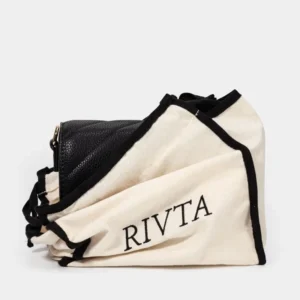
A Beauty GWP bag quote is not one number. It is a stack of material, size, structure, logo, packaging, quantity, QC, documentation and launch-timing decisions.
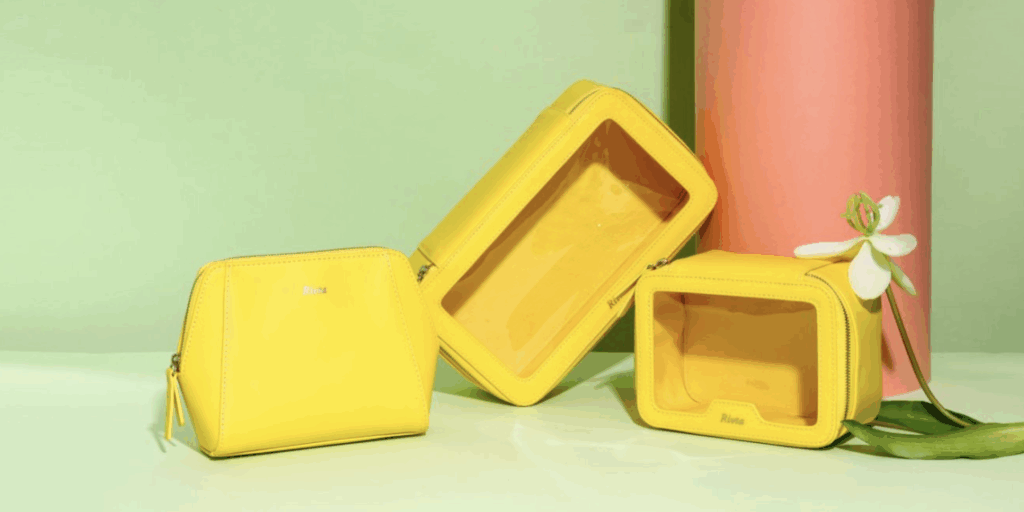
TL;DR: Before asking for a Beauty GWP cost, prepare the product fill list, target quantity, destination market, material route, logo method, packaging scope, sample timing, inspection needs and claim language. A supplier can only compare practical cost routes when the RFQ separates the bag specification from packaging, documentation, launch timing and approval responsibilities.
| Fit check | Buyer reality |
|---|---|
| Best fit | This guide is best for beauty brand teams, procurement managers, private-label buyers and sourcing leads preparing a Beauty GWP makeup bag, cosmetic pouch, skincare kit bag or campaign gift set with a real launch window. It fits buyers who need to compare material, size, logo, packaging, MOQ, sample timing, certification scope and quality inspection before choosing a supplier route. It is especially useful when the bag will hold actual beauty products, support a counter program, join a holiday set, ship into more than one market, or require an RFQ that can be reviewed by marketing, purchasing, compliance and operations together. |
| Less suitable | This guide is less suitable for single-piece personal purchases, generic marketplace resale, event favor programs with no beauty product fill, or visual-only mood board requests where the buyer does not yet know quantity, packaging, destination market or launch timing. It is also not the right workflow for teams that only want an isolated unit number without checking material evidence, logo setup, inspection scope, carton plan, warning review, sample approval ownership or the effect of late artwork and packaging changes. |
| Ecorivta reality | A useful Beauty GWP cost conversation starts with the campaign job, then works backward to the bag specification. The better the RFQ file, the fewer quote revisions, sample detours and late budget surprises. |
| Core boundary | This is a sourcing and RFQ planning guide. It is not legal advice, freight consulting, retailer approval guidance or a final factory quotation. |
Related Ecorivta hubs: Use Beauty GWP Solutions for campaign cost planning, and Custom Branded Beauty Accessories when the cost model includes beauty accessory gifts.
What is the realistic cost range for Beauty GWP makeup bags?
For Beauty GWP planning, the most useful cost conversation is not “how much is a makeup bag?” It is “what must this gift do inside the campaign?” A pouch for a sampling counter, a holiday skincare set, a travel retail gift and a premium loyalty kit can all look like cosmetic bags in a spreadsheet, but they are priced by different constraints. The product fill changes the footprint. The display environment changes packaging. The claim language changes documentation. The launch calendar changes how many sample rounds are realistic.
The ranges below are planning bands. They help marketing, procurement and product teams set an early budget before a technical brief is complete. Once material, structure, packaging and quantity are confirmed, the supplier should re-price against the actual specification.
| Cost range | Typical route | Best for | What may be excluded |
|---|---|---|---|
| USD 1.20-2.20 | Simple pouch, available fabric, one logo | Sampling, entry GWP, high-volume promotion | Retail box, complex lining, special claims |
| USD 2.20-3.80 | Custom size, better material, basic packaging | Skincare or makeup launch kit | Multiple samples, special hardware, complex inserts |
| USD 3.80-6.50 | Premium material, structured shape, stronger branding | Department store, holiday, loyalty or travel GWP | Some testing, boxed set, multi-region carton rules |
| USD 6.50+ | Retail-style kit, special material, box or multi-piece set | Premium gift set or sellable-looking GWP | Freight, duties, late changes, extra compliance work |
Indicative USD ranges only. Final pricing depends on current material cost, quantity, construction, packaging, supplier schedule and destination market.
RFQ file checklist before asking for price
A cost RFQ should make the buyer input, supplier response and missing-information risk visible. This prevents teams from comparing one complete quote against another supplier’s base interpretation. If the supplier cannot see product fill, packaging, market and approval details, the first number may look tidy but fail once sampling starts.
| Buyer input | Supplier response | Risk if missing |
|---|---|---|
| Product fill list with dimensions and weight | Recommended bag size, gusset and closure route | Bag shape may not fit the actual products. |
| Target quantity and acceptable MOQ range | Available production route and setup impact | Budget may be based on the wrong production scale. |
| Material direction and handfeel target | Available material options, lead time and evidence | Buyer may compare different material levels as if they match. |
| Logo method and artwork status | Setup cost, sample method and placement limits | Brand approval may require a new sample round. |
| Packaging scope | Polybag, insert card, sleeve, box, barcode and carton plan | A campaign kit may be priced without the presentation layer. |
| Destination market and claim wording | Documentation scope, warning review and test assumptions | Marketing copy may create work that was not in the first quote. |
| Launch date and sample approval owner | Sample timeline, revision window and booking timing | Late sign-off can compress inspection or shipping decisions. |
Which cost drivers change a Beauty GWP quote most?
Most quote gaps come from small specification details that were not visible in the first email. A buyer may compare two quotes for a “custom pouch” and assume one supplier is expensive, while the higher quote may include thicker material, lined construction, branded zipper pullers, sleeve packaging and a stricter inspection plan. The lower quote may be for a simple unlined pouch with one-color printing and no campaign packaging.
A practical way to compare suppliers is to ask for a cost-driver version of the quote. Instead of requesting one final number, ask for a base version and add-on lines. This separates the bag itself from logo upgrades, packaging upgrades, testing, sample revisions and freight assumptions. It also helps the brand remove cost without damaging the part of the gift that shoppers actually notice.
| Cost driver | Lean route | Premium route | Buyer decision |
|---|---|---|---|
| Material | Available polyester, cotton or simple PU | Custom-dyed fabric, TPU, specialty coating, premium lining | Ask what material is available before choosing colors. |
| Structure | Flat pouch or simple gusset | Nested set, hanging case, compartments, molded shape | Let product fill drive structure. |
| Logo | One-color screen print or woven label | Embroidery, metal plate, rubber patch, custom zipper puller | Compare logo methods before sampling. |
| Packaging | Polybag or insert card | Belly band, sleeve, gift box, barcode, carton allocation | Decide if GWP must look shelf-ready. |
| Quantity / MOQ | Smaller run with higher unit number | Larger planned run with better setup spread | Use MOQ planning before locking budget. |
| Claims / documents | Simple material description | Testing, warning review, FSC paper, travel or sustainability claim support | Keep claims scoped and documented. |
How should procurement compare two supplier quotes?
A Beauty GWP quote should be normalized before anyone chooses by the smallest visible unit number. Confirm whether each quote includes the same size, same material weight, same zipper quality, same lining, same logo method, same packaging and the same inspection level. If one quote includes insert card packaging and the other only includes bulk packing, the unit prices are not comparable.
Ask suppliers to state assumptions in writing. The quote should show whether sample cost is refundable, whether artwork setup is included, how many sample rounds are assumed, which Incoterm is being used, and whether local compliance review is included or excluded. This prevents the common problem where a quote looks attractive in the first week but grows after packaging, documentation and launch timing are clarified.
| Quote item to normalize | Question to ask | Why it matters |
|---|---|---|
| Bag specification | Is size, gusset, lining and closure identical? | Small construction changes can shift labor and material yield. |
| Logo method | Is the quote for print, label, embroidery, plate or puller? | Branding method can add setup cost and change MOQ. |
| Packaging | Is retail sleeve, insert card, box or barcode included? | Shelf presentation can be a major cost line. |
| Samples | How many sample rounds and courier charges are included? | Late sample revisions can affect both budget and launch date. |
| QC and documents | What testing, inspection or claim support is included? | Unclear claim support can create hidden compliance risk. |
Which related Ecorivta page should buyers use next?
| Route | Use when | Open page |
|---|---|---|
| Material route | Handfeel, structure, fabric evidence or product protection will drive cost decisions. | Cosmetic bag options |
| MOQ and setup route | The first order size is uncertain and the buyer needs to understand setup trade-offs. | MOQ planning guide |
| Campaign route | The bag is part of a wider GWP launch with insert cards, carton rules or counter display needs. | Beauty GWP Solutions |
| Clear material route | The bag needs transparent material, clarity comparison or airport-friendly copy caution. | Clear bag material guide |
| RFQ route | The team needs good, better and premium versions before sample approval. | Contact Ecorivta |
How do cost priorities differ by campaign type?
Cost control should match the campaign job. A sampling gift usually needs clean branding and fast replenishment. A holiday gift needs stronger perceived value, better packaging and fewer visible defects. A travel retail pouch may require clear material choices and more careful wording. A loyalty gift may justify premium construction because it is meant to feel like a keepsake, not throwaway packaging.
This is where Ecorivta should differ from a generic bag factory page. The cost framework is not only about cutting the unit price. It is about choosing where the gift needs to feel premium and where the specification can stay simple. For example, a skincare brand may keep the pouch construction simple but invest in a soft-touch material and sleeve packaging. A makeup brand may choose a standard pouch body but use a stronger logo method or a custom zipper puller for shelf impact.
| Campaign type | Cost priority | Recommended route | Internal support |
|---|---|---|---|
| Sampling GWP | Controlled unit cost and fast timing | Available material, simple logo, polybag | Cosmetic bag options |
| Skincare launch kit | Product fit and perceived value | Custom size, soft pouch, insert card | Beauty GWP solutions |
| Clear travel pouch | Material, clarity and claim caution | PVC/EVA/TPU comparison | Clear bag material guide |
| Shelf-ready gift | Packaging and QC consistency | Sleeve, box, barcode and carton plan | Submit RFQ |
Which hidden costs should buyers ask about?
Hidden costs often appear because the brief starts as a visual idea rather than a production instruction. A mood-board image may show a structured bag, special zipper, custom puller and retail sleeve, but the RFQ may only say “custom makeup bag.” The supplier then quotes a simple interpretation, and the real cost appears after the first sample. That is frustrating for both procurement and marketing.
Before approving the quote, ask the supplier to separate one-time charges from recurring unit costs. A mold, print screen, embroidery file, custom puller or packaging die line may be a setup cost. Material, labor, packing and inspection are usually recurring costs. Separating these lines makes it easier to compare a first order against a reorder and to decide whether a premium detail is worth keeping.
- Sample fee and number of sample revisions included.
- Artwork setup, print screen, embroidery file or mold/tooling charge.
- Material surcharge for custom color, custom lining or special thickness.
- Packaging cost for insert card, sleeve, box, barcode or carton labels.
- QC requirements, AQL level, defect rework and packing inspection.
- Testing, certification, warning review or retailer documentation scope.
- Freight, duties, regional labels and late change costs.
When can a higher unit price reduce total launch risk?
A small visible unit number can become expensive if it creates rework, missed launch timing or a gift that does not match the campaign brief. A slightly higher quote may be the better decision when it includes a realistic sample timeline, clearer packaging, better zipper reliability, stronger color control or documentation that the retailer needs before shipment. For a Beauty GWP program, delay and rejection are often more expensive than a modest unit-price difference.
Higher pricing is most defensible when the bag has a visible role in the offer: holiday gift sets, department store counters, travel retail promotions, influencer kits and loyalty rewards. In those cases, perceived value can affect whether the shopper sees the gift as a real bonus or as disposable packaging. A cost framework should therefore show good, better and premium versions instead of forcing each program into a price-only route.
What claims can change cost or risk?
Claims can affect both quote and timeline. Broad environmental claims [1] need evidence and qualification under FTC guidance, and EU guidance [2] points toward clear claim scope. Textile or skin-contact claims should be scoped to the exact material and test standard, such as OEKO-TEX [3] when relevant. Paper packaging claims may require FSC chain-of-custody review [4].
| Claim area | Potential cost impact | Safer planning rule |
|---|---|---|
| Recycled / eco | Material sourcing and documentation | Ask what proof is available before writing copy. |
| Travel-friendly | Clear material, size and review time | Avoid airport-outcome wording that the supplier cannot support. |
| Safety / skin contact | Testing scope and component review | Match wording to the actual tested component. |
| California retail | Prop 65 review may be needed | Review warning needs early. |
Composite case: beauty brand cost route selection
A skincare brand planned a spring GWP set with two mini tubes, one sample sachet and a folded instruction card. The first request asked suppliers for a “premium custom makeup bag” with a target retail counter launch in eight weeks. The early responses were difficult to compare because one supplier priced a simple polyester pouch, another assumed a soft PU outer shell, and a third included sleeve packaging and barcode handling. The buyer could not tell whether the cost gap came from material, structure, packaging or approval work.
Ecorivta would rebuild the RFQ around buyer inputs: product dimensions, target quantity, launch date, destination market, material preference, logo method, packaging scope and inspection needs. The quote would then show three versions. The controlled version might use available fabric, one-color logo and polybag packing. The balanced version might add a softer exterior, branded zipper puller and insert card. The premium version might include custom lining, sleeve packaging, barcode plan and a stricter inspection step.
The final decision would not be based on the smallest visible unit number. The team could choose the route that protected the launch calendar and the shopper-facing value of the gift. Marketing would see what details improved perception. Procurement would see which add-ons created cost. Operations would see which sample and packing assumptions needed sign-off before production.
Anonymous buyer feedback
| Buyer role | What they said | Ecorivta response |
|---|---|---|
| Skincare brand founder | “Our first quote looked clean, but packaging was not included.” | Separate bag, insert card, sleeve, barcode and carton assumptions before sample approval. |
| Regional procurement manager | “The cost gap made sense only after we compared material weight and logo setup.” | Ask suppliers to show base construction and add-on lines instead of one blended number. |
| Marketing launch lead | “We needed the gift to look premium on counter, not only pass the spreadsheet review.” | Keep the visible material, finish and packing details tied to the campaign job. |
Sibling Diff: cost framework vs related sourcing guides
| Guide | Main question | Best next step |
|---|---|---|
| This cost framework | What drives Beauty GWP makeup bag cost before RFQ? | Build a quote file with product, market, packaging and approval inputs. |
| MOQ planning guide | How does order size affect setup and customization? | Use it when quantity or first-run scale is still being debated. |
| Material guide | Which material route fits the product and claim scope? | Use it before finalizing fabric, clear material or handfeel. |
| Supplier evaluation guide | How should buyers compare factory capability? | Use it after the RFQ file is ready and supplier responses arrive. |
Where does Ecorivta fit best in this cost-planning workflow?
Ecorivta is most useful when the buyer has a real Beauty GWP campaign and needs a practical supplier conversation before committing to samples. We can help translate product fill, quantity, visual goal, packaging route, material preference and market needs into a clearer RFQ. That allows the brand to compare available-material, semi-custom and more developed routes without mixing unrelated assumptions.
The boundary is also important. Ecorivta should not be presented as a shortcut around brand approval, retailer documentation, local legal review or logistics planning. The stronger role is to make the cost drivers visible early, so the buyer can decide what belongs in the bag specification, what belongs in packaging, and what needs separate evidence before public copy is written.
What should go into a Beauty GWP cost brief?
A strong cost brief gives the supplier enough information to price the right product, not a thin assumption. Include the beauty products going inside the bag, the target shelf or counter environment, the visual level expected, the destination market and any claim language already discussed by marketing. If the gift will be photographed, displayed or sold as part of a set, say so early because packaging and finish quality become more important.
It is also useful to ask for a tiered quote. Request one controlled version, one balanced version and one premium version. This makes trade-offs visible: material versus logo, packaging versus construction, MOQ versus unit price. The final decision becomes a campaign decision rather than a simple price fight.
- Campaign type, destination market and target launch date.
- Product fill list with dimensions, volume and weight.
- Target quantity, acceptable MOQ range and target price range.
- Preferred bag type, material, size, lining and closure.
- Logo method, artwork files, brand colors and placement preference.
- Packaging route, carton rules and any retailer requirements.
- Claim, testing, warning or documentation requests.
Who We Don’t Take On
- Projects that demand a thin budget while requiring premium material, shelf packaging and compressed launch timing.
- Projects that request unsupported eco-friendly, safer-than claims, recycled, waterproof or airport-approval claims.
- Projects that ask to use unauthorized major beauty client names, retailer names or logos in public copy.
- Projects that need a quote without product fill, quantity, material route, packaging or destination market.
About the author
Lina Lv works with beauty brands and private-label buyers on custom cosmetic bags, Beauty GWP accessories and RFQ preparation. Her work focuses on translating product fill, material choices, packaging scope and sampling needs into supplier-ready briefs.
Trademark notice
All third-party brand, retailer, certification and regulatory names mentioned in this article belong to their respective owners. Their appearance is for identification and sourcing-context discussion only and does not imply endorsement, partnership or approval.
FAQ
How much does a Beauty GWP makeup bag usually cost?
Indicative factory pricing can range from about USD 1.20 to USD 6.50+ per piece depending on material, size, structure, logo method, packaging, quantity and testing needs. Premium shelf-ready kits can cost more.
What are the biggest cost drivers for Beauty GWP bags?
The biggest drivers are material, size, construction complexity, logo method, packaging, MOQ, sampling, QC requirements and claim documentation.
Why can two similar cosmetic bags have very different prices?
Small changes in fabric, zipper, lining, gusset, logo placement, box packaging or carton rules can change setup cost, labor time and supplier minimums.
Should buyers choose only by unit price?
No. A thin quote can exclude packaging, QC, sample revisions, claim documentation, warning review or realistic delivery timing.
What should be included in a cost RFQ?
Include product fill list, target size, material route, logo method, packaging, quantity, target price, launch date, destination market and any claim, testing or retailer requirements.

对比丝印托特包的写实概念海报图;海报上的文字为:-Screen-Printing-vs.-Embroidery_-Which-Branding-Method-Suits-Custom-Canvas-Tote-Bags-300x168.jpg)