This is not another broad supplier checklist. It is a product-specific quality demand checklist for cosmetic bags used in Beauty GWP programs. Use it to define what the buyer must lock before sample approval, bulk production and shipment.

TL;DR
Buyers should not rely on verbal quality promises, attractive sample photos or broad supplier claims before bulk production. A useful cosmetic bag quality checklist connects product fill, material specification, zipper, stitching, logo tolerance, packaging scope, sample approval gates, inspection timing and photo/video evidence to the actual Beauty GWP order. The purchasing conclusion is clear: lock quality evidence before sampling, then use the same checklist for RFQ, pre-production approval and shipment review.
| Route filter | Procurement conclusion |
|---|---|
| Best fit | This guide is best for beauty founders, brand teams, private-label buyers and sourcing managers preparing a Beauty GWP cosmetic bag, pouch, clear bag, vanity case or launch-kit bag with a real brand, target launch window and expected order around MOQ 500+ or higher. It fits projects where product fill, material route, zipper, stitching, logo method, insert card, sleeve, barcode, carton mark, sample approval and inspection records affect the final buying decision. It is especially useful after a supplier has been shortlisted and the buyer needs product-specific quality demands before sample payment, bulk approval or shipment release. It also helps cross-functional teams align marketing, procurement and quality around one approval file. |
| Less suitable | This guide is less suitable for single-piece personal orders, generic marketplace resale, no-brand projects, one-off event favors without production files or price-only sourcing where the buyer only wants a visible pouch. It is also not the right workflow when the team has no product fill, no logo file, no material direction, no packaging scope, no sample approval owner and no plan to review stitching, zipper, odor, dimensions, carton marks or inspection evidence before bulk production. If the buyer cannot define what the bag must hold, quality standards will remain too generic. |
Why does cosmetic bag quality need a structured checklist?
The older “7 things to demand” idea is still useful, but it should not compete with the supplier audit pillar. A buyer first decides whether a supplier is suitable. Then the buyer defines the product-specific quality demands for the actual cosmetic bag being sampled.
That is the clean boundary: supplier audit checks the partner; this article checks the product. For Beauty GWP, that distinction protects the campaign because a qualified supplier can still deliver a weak bag if the product criteria are vague.
Which 7 product quality demands should buyers lock first?
| Demand | What to define | Why it matters for Beauty GWP |
|---|---|---|
| 1. Material specification | Outer fabric, lining, thickness, handfeel, color, coating, certificate scope and claim wording. | Prevents a “similar” material from changing perceived value or claim risk. |
| 2. Stitching and seam finish | Seam allowance, reinforcement, loose-thread tolerance, corner finish and stress points. | Small stitching defects make a promotional gift feel low value. |
| 3. Zipper and closure performance | Zipper type, slider, puller, teeth smoothness, opening width and pull test expectation. | The zipper is one of the first parts a customer touches. |
| 4. Logo and decoration tolerance | Logo size, placement, color tolerance, embossing depth, print method, label position and reject criteria. | Beauty brands notice logo errors immediately. |
| 5. Sample approval gate | Approved sample, approved material, approved artwork, approved packaging and change-control rule. | Stops “sample looked fine” from becoming bulk inconsistency. |
| 6. Packaging scope | Insert card, hangtag, sleeve, barcode, polybag, carton mark and packing direction. | Packaging affects retail display, warehouse handling and unboxing. |
| 7. Final inspection criteria | AQL level, defect categories, measurement points, logo check, odor check, packing check and rework rule. | Turns quality from opinion into a production standard. |
How should material demands be written for cosmetic bags?
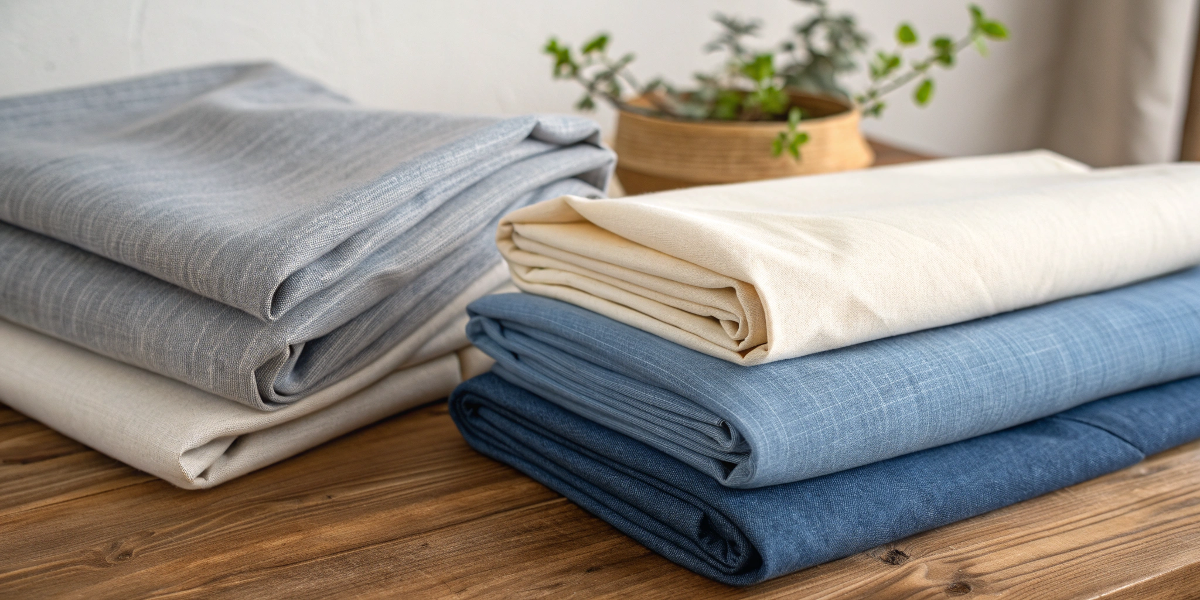
Material demand should be more specific than “eco-friendly,” “premium” or “soft.” The buyer should define the material route, the claim that may appear in artwork and the proof expected before bulk production. Broad green claims should be handled carefully because unsupported environmental language can create marketing risk. [1]
| Material route | Quality demand | Evidence check |
|---|---|---|
| rPET / recycled polyester | Handfeel, color, lining compatibility, print method and recycled-content claim. | GRS scope where relevant [2], plus batch and supplier confirmation. |
| Recycled cotton / canvas | Weight, shrinkage expectation, colorfastness, stitching and crease tolerance. | Material source, supplier declaration or OEKO-TEX scope where relevant [4]. |
| Clear TPU / EVA / PVC | Clarity, thickness, handfeel, odor, color cast, weld or seam quality. | Restricted-substance and market compliance discussion where relevant. |
| Vegan leather / coated material | Surface feel, scratch tolerance, embossing compatibility and edge finish. | Material composition and claim boundary. |
| FSC paper packaging | Hangtag, sleeve, insert card or carton material scope. | FSC label or packaging-chain evidence where relevant. [3] |
What stitching, zipper and logo checks should be visible?
Cosmetic bag quality often fails in small touchpoints. A buyer may approve the overall look while missing loose threads, uneven seams, sticky zippers, weak zipper pullers or logo placement drift. Those points should be named in the RFQ and sample checklist.
| Route | Use when | Open page |
|---|---|---|
| Inspection route | The buyer needs seam, thread, odor and packing checks before bulk shipment. | Open page |
| Detail route | Zipper puller, hardware, label and logo method change cost and perceived value. | Open guide |
| Brief route | Quality demands must be translated into a sample-ready cosmetic bag brief. | Open guide |
| OEM / ODM route | The buyer must decide whether a quality issue is caused by OEM development or ODM customization limits. | Open guide |
| Clear material route | Clarity, odor, welding, color cast or restricted-substance review affects product quality. | Open guide |
| Review route | The buyer needs a sample, quote or inspection checklist reviewed before deposit. | Open form |
| Quality point | Demand language | Reject signal |
|---|---|---|
| Stitching | Even stitches, reinforced stress points, no loose thread on visible panels. | Loose thread, skipped stitches, weak corners or twisting. |
| Zipper | Smooth open-close, correct puller, no catching, suitable opening width. | Sticking, broken slider, rough teeth or poor alignment. |
| Logo | Placement tolerance, color standard, clean edge and repeatable method. | Off-center logo, color drift, peeling, blurred print or uneven embossing. |
| Shape | Bag should match approved dimensions and hold intended product fill. | Collapsed structure, distorted front panel or poor fit. |
What sample-to-bulk controls should buyers demand?
A strong product checklist must explain what happens after the sample looks good. The buyer should define which sample is approved, what is locked, what can still change and which changes require a revised quote or new sample.
| Gate | Buyer demand | Why it prevents disputes |
|---|---|---|
| Pre-sample brief | Product fill, size, material, logo, packaging and target market are written. | Supplier knows the use case before making a sample. |
| First sample | Visible structure, material feel, zipper, logo and basic fit are reviewed. | Finds major problems early. |
| Pre-production sample | All approved materials, trims, logo and packaging are locked. | Creates the reference for bulk production. |
| Bulk inspection | Measure dimensions, check logo, zipper, stitching, odor, packing and carton marks. | Turns the approved sample into repeatable criteria. |
| Shipment release | Inspection result and packing photos are reviewed before dispatch. | Reduces arrival surprises. |
What evidence should buyers approve before bulk production?
Before bulk production, buyers should approve evidence that connects the sample, quality demand and inspection plan to the actual order. This does not mean turning a cosmetic bag into a lab report. It means the buyer and supplier should agree what has been checked, what is locked and what proof must be shared before shipment.
| Issue | Evidence to request | RFQ note |
|---|---|---|
| Material differs from the approved sample. | Material specification, swatch photo, color reference, lining note and claim scope where relevant. | Name outer fabric, lining, coating and trim separately. |
| Zipper or puller feels weak. | Zipper type, puller detail, opening width, smoothness check and stress-point photos. | State zipper route and reject criteria before sampling. |
| Logo quality drifts in bulk. | Artwork file, color target, placement tolerance, print or embossing sample and approval photo. | Define logo distance from seam, center line or panel edge. |
| Packaging is not retail-ready. | Insert card, sleeve, barcode, warning text where needed, carton mark and packed-sample photo. | Quote packaging and carton handling as visible line items. |
| Inspection criteria are vague. | Defect categories, inspection timing, photo/video evidence, final QC record and rework rule. | Ask what must be approved before shipment release. |
How do OEM and ODM routes change the quality demands?
Quality demands should match the sourcing route. In an ODM route, the buyer is often adapting an existing format, so the quality checklist should focus on what can be changed without destabilizing the proven construction. In an OEM route, the buyer is creating more of the structure, so the checklist must include more sample gates and more written tolerances. The OEM vs ODM guide should own the route decision; this article turns that route into product quality demands.
| Route | Quality demand focus | Common mistake |
|---|---|---|
| ODM base model | Confirm existing size, zipper, lining, handle, logo area and packaging customization limit. | Expecting full custom changes while approving a base-model quote. |
| Hybrid ODM | Lock which parts change: material, size, logo, trim, label or packaging. | Changing one detail without checking MOQ, sample timing or packing impact. |
| OEM custom structure | Define dimensions, pattern, product fill, stress points, material, lining and approval tolerances. | Approving a concept before testing product fit and construction stability. |
Which measurement tolerances should be written into the brief?
Cosmetic bags are soft goods, so dimensions can vary within a reasonable tolerance. The buyer does not need to over-engineer every small measurement, but quality-critical dimensions should be visible: width, height, gusset, zipper opening, handle drop, logo position and packaging fit.
| Measurement | Why it matters | RFQ demand |
|---|---|---|
| Width / height / gusset | Controls product fill and display shape. | State target dimensions and acceptable tolerance before sampling. |
| Zipper opening | Controls whether products can enter easily. | Measure opening width, not only overall bag width. |
| Logo position | Controls brand presentation in photos and retail display. | Define distance from seam, center line or panel edge. |
| Handle or strap length | Affects use case and perceived quality. | Confirm length, reinforcement and stress points. |
| Carton fit | Protects shape in shipping. | Confirm units per carton, orientation and compression risk. |
What positive quality capability boundary should Ecorivta communicate?
For cosmetic bag quality, the practical boundary starts with product format and quality-critical points. Ecorivta is a better fit when the buyer can share the intended product fill, reference bag, material route, quantity band, logo method, packaging scope and launch date. Without those inputs, quality demands become generic.
| Quality area | Practical planning range | What still needs confirmation |
|---|---|---|
| Formats | Flat pouch, zipper pouch, vanity case, train case, clear travel pouch, drawstring pouch and launch-kit bag. | Dimensions, gusset, product fill, lining and whether the bag must stand upright. |
| Quality touchpoints | Stitching, zipper, puller, label, lining, logo, odor, color, packing and carton mark. | Defect tolerance, inspection method and responsibility for rework. |
| Indicative MOQ band | Often 500-1,000 pcs for simple logo work on available models; 1,000-3,000 pcs for custom material, structured format or special trims; 3,000-5,000+ pcs for special tooling, exclusive trim or complex set programs. | Exact MOQ depends on material stock, color, hardware, decoration method and packaging scope. |
| Sample timing band | Often 7-14 days for simple adaptations after complete artwork; 14-21+ days for new pattern, special material route or complex construction. | Factory schedule, material availability, artwork approval and number of sample rounds. |
| Quality and audit evidence | Quality-process and social-compliance documents can be discussed where the buyer’s channel requires them. | ISO 9001 |
[5], Sedex SMETA [6] and amfori BSCI [7] only help when their scope matches the project. |
How is this different from related quality and supplier guides?
This article is the product-quality demand route. It helps buyers define what the cosmetic bag itself must prove before sampling, bulk production and shipment release. Related guides answer adjacent questions, but they should not replace a product-specific quality demand sheet when zipper, stitching, logo, packaging and inspection criteria affect the order.
| Sibling guide | Use that guide when | Use this guide when |
|---|---|---|
| Beauty GWP supplier audit checklist | The buyer is checking supplier capability, audit context and vendor fit. | The supplier is already shortlisted and the cosmetic bag quality criteria must be locked. |
| Packed sample approval checklist | The buyer needs to approve the filled and packed GWP sample before bulk production. | The buyer needs a broader product-quality checklist that feeds into the packed sample. |
| Makeup pouch production route | The team is reviewing production capability, final inspection and shipment-readiness context. | The team needs to define product demands before production and inspection begin. |
| Supplier evidence package guide | The buyer is checking certificate scope, material proof, packaging evidence and supplier records. | The buyer needs zipper, stitching, logo, dimensions and packaging criteria for the actual bag. |
What does an anonymized cosmetic bag quality case teach?
An anonymized makeup launch program in 2025 approved a cosmetic pouch sample mainly by front-view appearance. The logo looked correct in the sample photo, and the material color matched the campaign board, so the team moved quickly toward bulk preparation. The problem appeared when the real product fill was added: two mini tubes pressed against the front panel, the logo area looked uneven, and the zipper opening was narrower than the packing team expected. The approved sample also did not include final insert card packing, zipper-puller detail, carton orientation or barcode label placement. Each missing item looked small alone, but together they made the GWP harder to pack and less polished at counter handoff.
The buyer paused bulk approval and rebuilt the quality demand sheet. The revised checklist added product-fill testing, zipper opening width, logo-panel flatness, insert-card position, carton packing direction and photo evidence before shipment. The supplier then made a pre-production sample with the real products inside and shared close-up photos of zipper, stitching, logo placement and packed cartons. The final order did not need a new concept; it needed clearer quality evidence tied to how the bag would actually be used. The lesson is practical: cosmetic bag quality is not only about a nice sample photo. It is about product fit, touchpoints, packing sequence and the details customers notice first.
What did three anonymous buyers say after quality review?
| Role | Before review | After review |
|---|---|---|
| Founder | The team approved the sample because the front view looked close to the brief. | The revised checklist made product fill, zipper opening and logo flatness part of approval. |
| Procurement lead | Supplier quotes listed bag price but did not separate packaging, sample and inspection expectations. | The RFQ made material, logo, packing and QC evidence visible before bulk approval. |
| Quality manager | Inspection criteria were discussed only after sample approval. | The final checklist named defect categories, photos and shipment-release evidence in advance. |
How should packaging quality be demanded?
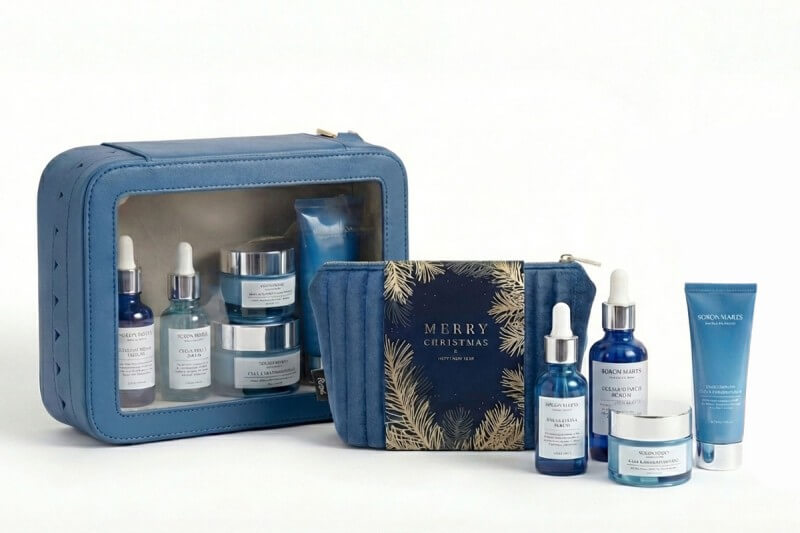
Packaging is part of the product experience in Beauty GWP. A cosmetic bag may be technically acceptable but still fail the campaign if insert cards bend, barcode labels are missing, sleeves scuff the surface or cartons distort the bag shape.
| Packaging item | Demand | Risk if vague |
|---|---|---|
| Insert card | Size, paper, placement, language, barcode and warning text where needed. | Bent cards, wrong artwork or retailer rejection. |
| Polybag or sleeve | Fit, opening direction, suffocation warning if required and scuff protection. | Surface marks or repacking cost. |
| Carton packing | Units per carton, divider or protection method, carton mark and orientation. | Crushed bags, mixed SKUs or warehouse confusion. |
| Set packing | How product, bag and accessories are placed together. | Distorted bag shape or poor unboxing experience. |
How should this checklist connect to RFQ and inspection?
Quality demand should move directly into the RFQ. If the buyer asks for a “premium cosmetic bag” but never defines zipper, logo, stitching, lining, packaging and inspection points, the supplier has to guess. A good RFQ removes guesswork.
- State the cosmetic bag format, size, gusset, lining and product fill.
- State the material route and any claim evidence needed.
- Attach logo artwork, placement, size and color target.
- Define zipper, puller, label, handle, strap and trim requirements.
- Define insert card, sleeve, barcode, polybag, carton mark and packing method.
- Define approved sample, pre-production sample and final inspection points.
- Ask the supplier to quote separately for material, logo, packaging, sample rounds and inspection where relevant.
Who We Don’t Take On
- Projects that want premium quality but provide no product fill, size, material or packaging direction.
- Orders that approve a sample photo but refuse to define sample-to-bulk inspection criteria.
- Programs that make sustainability or material claims without evidence review.
- Requests that compare only unit price and ignore zipper, logo, lining, packing and rework responsibility.
What should a copy-ready quality demand brief include?
The buyer can paste the checklist below into an RFQ and adjust the details by product type. This keeps the supplier conversation product-specific and prevents the article from becoming another broad supplier-vetting guide.
- Project type: Beauty GWP cosmetic bag for [skincare / makeup / travel retail / launch kit].
- Bag format and dimensions: [flat pouch / vanity / clear pouch / train case], W x H x gusset, zipper opening and product fill.
- Material: outer fabric, lining, trim, certificate or claim needs, color target and handfeel requirement.
- Logo: method, size, placement, color tolerance and reject criteria.
- Construction: stitching, seam finish, reinforcement, zipper, puller, handle or strap.
- Packaging: insert card, hangtag, sleeve, barcode label, polybag, carton mark and units per carton.
- Sample approval: first sample, pre-production sample, approved artwork, approved material and final change-control rule.
- Inspection: AQL level or inspection method, defect categories, measurement points, odor check, packing check and rework responsibility.
Need a cosmetic bag quality checklist before sampling?
Send the product fill, target quantity, reference image, material route, logo method, packaging scope and launch date. Ecorivta can help turn quality demands into a sample-ready RFQ.
Request a Quality-Demand Review
About the author
Lina Lv works with beauty brands on custom cosmetic bags, Beauty GWP quality demands, sample approval, material routes, logo methods, packaging scope and supplier-ready RFQ files. Her writing focuses on practical sourcing decisions that help buyers turn product expectations into evidence, inspection criteria and bulk-production controls.
Trademark notice
Brand names, certification names, retailer names and standard names mentioned in this article belong to their respective owners. They are used for buyer education and sourcing context only. Ecorivta does not claim ownership of third-party trademarks, and buyers should confirm current trademark, certification and labeling requirements with the relevant owner, certifier, retailer or legal advisor before using marks or claim wording in public packaging, inserts or campaign materials.
FAQ
Does this replace the Beauty GWP supplier audit checklist?
No. The supplier audit checklist qualifies the partner. This article defines product-specific quality demands for cosmetic bags.
Should the buyer demand all seven items for each program?
Yes, but depth can vary. A simple pouch may need a lighter version, while a structured launch-kit bag should define every point in detail.
Should quality demands be added before or after sampling?
Before sampling. The first sample should test the quality demands, not become the first time they are discussed.
What if the supplier says these checks are standard?
Ask them to write the actual criteria. “Standard QC” is not enough unless defect points, inspection timing and responsibility are clear.
Sources
- U.S. Federal Trade Commission, Green Guides environmental claims summary. Source ↩
- Textile Exchange, Global Recycled Standard. Source ↩
- Forest Stewardship Council, FSC labels. Source ↩
- OEKO-TEX, STANDARD 100. Source ↩
- International Organization for Standardization, ISO 9001 quality management. Source ↩
- Sedex, SMETA audit. Source ↩
- amfori, BSCI platform. Source ↩