Most reusable cleansing pad samples look acceptable while dry. The useful approval questions start after washing: Did the color move? Did the surface shed? Did the bound edge stay flat? Did the pad distort enough to affect use or packout?
This checklist is for beauty and skincare buyers approving a washable cleansing-pad sample before bulk production. It combines a repeatable buyer workflow with evidence from one completed Ecorivta order. It is a pre-production approval route, not a universal durability guarantee.
Evidence boundary:
the order-specific results below apply only to project G10157: 3,200 white, 12 cm round, two-layer coral-fleece pads packed two per paper box for an Australian customer in May 2025. They should not be read as a claim about every material, color or construction.
What Should Be Approved Before Bulk Production?
Use the sample to approve one defined route, rather than asking whether the pad is simply “washable.” Record the material, layer count, diameter, edge construction, label, washing method and packaging first. If any of those change, the approval result may no longer apply.
| Approval item | What to record | What can block approval |
|---|---|---|
| Material and color | Fabric name, color reference and approved swatch | Color release or an unapproved shade shift |
| Construction | Layer count, filling, bound edge and label | Excess thickness, edge rolling or uncomfortable label placement |
| Washing route | Hand or machine wash, water temperature and soak time | A test method that cannot be repeated during later approvals |
| Surface | Lint or shedding before and after washing | Stock-sample behavior being assumed to represent bulk fabric |
| Shape | Diameter and visible distortion after drying | Distortion that changes handling or two-piece box fit |
| Packout | Set count, box fit and presentation | A pad that fits individually but compresses or deforms as a set |
Buyers who are still choosing material, handfeel, set count and packaging should start with the reusable cleansing pads manufacturing page. This article starts after a sample route has been selected.
Send Your Cleansing Pad Wash-Test Brief
1. Set the Test Boundary Before Washing
Write the sample specification on the approval sheet before it gets wet. At minimum, record:
- material and color;
- finished diameter;
- number of layers and whether there is any filling;
- edge binding or overlock route;
- woven-label position;
- washing method, temperature and soak limit;
- drying method;
- number of pads per retail pack.
This matters because a stock-fabric sample can answer a construction question without proving the final bulk-fabric behavior. If a stock sample sheds slightly, record it as a stock-sample observation and recheck the nominated bulk fabric rather than turning the first result into a general material claim.
The reusable cleansing pad buyer brief covers the earlier decision stage: material route, set count, laundry pouch and packaging. Keep that scope separate from the wash-approval record.
Request a Cleansing Pad Sample Review
2. Hand-Wash Below 30
°
C and Avoid Long Soaking
For G10157, the sample approval routine used hand washing below 30
°
C and avoided long soaking. There was no validated cycle-count claim, so this article does not promise a fixed number of washes.
For repeatable textile testing, buyers can use the structure described by ISO 6330 laboratory washing and drying procedures 1 as a reference when a laboratory protocol is needed. G10157 was not claimed as an ISO 6330 laboratory test; its order routine was the hand-wash method stated above.
Keep the approval instruction simple enough to repeat. If the buyer approves a hand-wash route but the care label later says machine wash, the sample record and consumer instruction no longer describe the same use condition.
3. Compare Color Before and After Washing
Color was the primary before-and-after comparison for G10157. The first wash showed color release, so the material route was corrected and checked again before bulk production. The lesson is not that all coral fleece will release color. The lesson is that the approved color should be checked under the intended washing instruction before bulk approval.
Use one lighting condition and place the dry pre-wash reference beside the washed-and-dried sample. Record whether the change is:
- no visible change;
- slight but acceptable;
- outside the approved shade range;
- accompanied by color transfer to water, cloth or another pad.
Do not describe a result as “colorfast” unless the claim is supported by the agreed test method and acceptance standard.
4. Separate Sample Shedding from Bulk-Fabric Approval
The stock material used for an early G10157 sample showed slight shedding. The bulk goods did not show the same shedding during factory QC. This difference is useful because it demonstrates why the material source and lot must be recorded.
Check the dry sample first, then repeat after washing and drying. Look for loose surface fibers, clumps at the bound edge and lint that transfers to a contrasting cloth. If the sample uses stock fabric only to confirm size or sewing, mark the shedding result as provisional until the nominated production fabric is available.
5. Inspect Bound Edges, Shape and Label Comfort
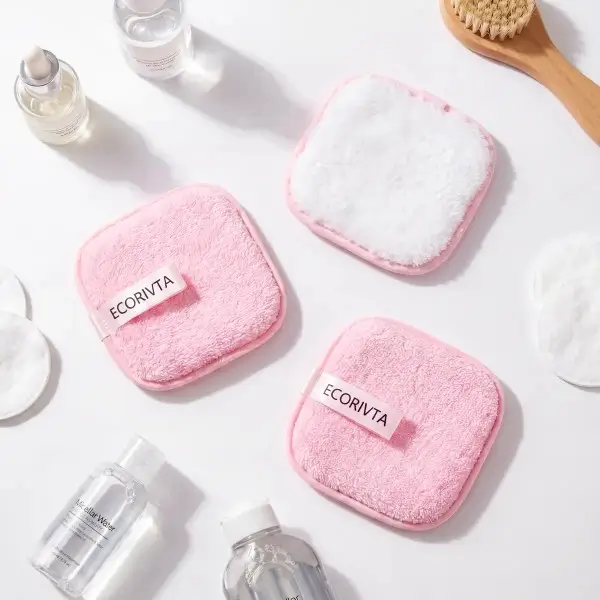
After the pad is dry, inspect the entire circumference. Check for skipped stitches, opening seams, twisted binding, puckering and an edge that rolls toward one face. A two-layer pad can look round before washing but become difficult to stack if the layers recover differently.
G10157 showed a slight shape change after washing. It was accepted for that order. This is not a universal tolerance; the buyer and factory should agree what visible change is acceptable for the intended use and packaging.
Also rub the woven-label area against the fingers and cheek-side surface. A label that looks neat in a flat photo can still feel sharp if the cut edge or seam allowance is exposed.
6. Approve the Two-Pad Paper Box as a Set
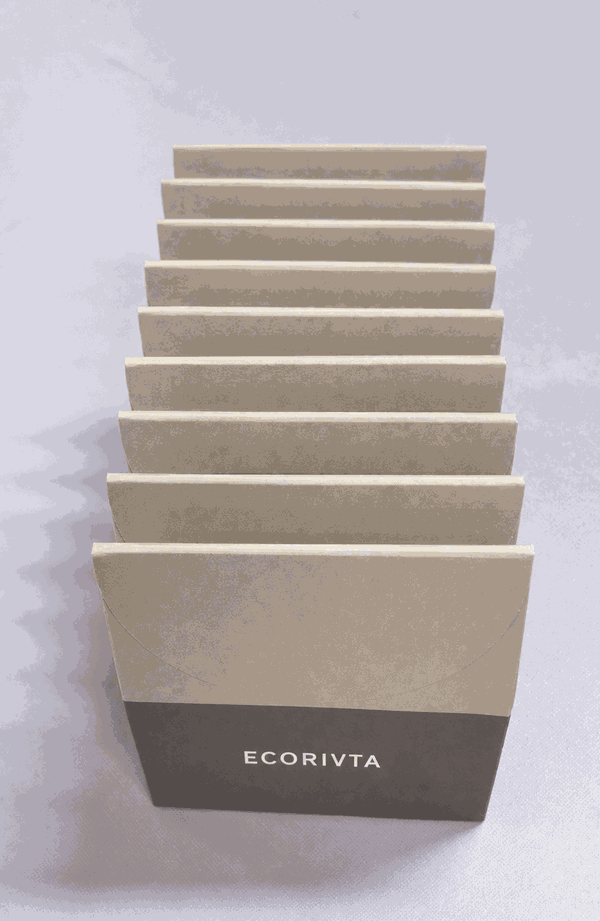
G10157 was packed as two pads per paper box. Approve the two pads and the box together. Check whether the pair sits flat, whether the bound edges are compressed and whether the box closes without forcing the pads out of shape.
The FTC Care Labeling Rule guidance 2 is a useful compliance reference for products sold in the United States when care instructions are required. Market, product classification and labeling responsibility should be confirmed for the actual program; this link is not a substitute for legal review.
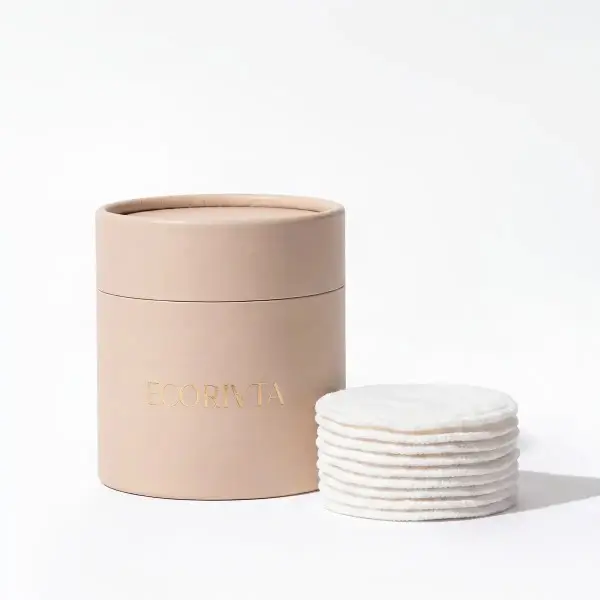
Real Order Evidence: What Changed on G10157
The Australian customer ordered 3,200 pads in May 2025. The finished route was a 12 cm round pad in white coral fleece, two layers, bound edge, one woven label and two pads per paper box.
The first construction used double-sided cotton with middle filling. The customer considered it too thick. The route was changed to coral fleece and the middle filling was removed. The first wash then showed color release, which was improved through correction and rechecking. A stock-material sample showed slight shedding; factory QC did not find the same issue in the bulk goods.
This evidence supports three practical decisions:
- approve thickness and handfeel before focusing on decoration;
- compare color after the stated washing route;
- recheck nominated bulk fabric when the early sample used stock material.
The full sample-correction story remains in the G10157 reusable cleansing pad order article. This checklist does not duplicate that article’s role; it turns the verified lessons into a repeatable buyer approval process.
RFQ Checklist for a Wash-Test Sample
Send the following information with your request:
- intended market and use;
- pad diameter and shape;
- material and color target;
- layer count and filling requirement;
- edge construction;
- label type and position;
- hand-wash or machine-wash route;
- maximum water temperature and soak instruction;
- before-and-after comparison items;
- acceptable shape change;
- set count and retail packaging;
- whether the first sample uses stock or nominated bulk fabric;
- quantity tiers;
- required sample and launch dates.
FAQ
Is one wash enough to approve a reusable cleansing pad?
One wash can reveal immediate color release, shedding, edge or shape problems, but it does not prove a universal service life. Agree the approval purpose and any additional testing before bulk production.
Should a stock-fabric sample be treated as final bulk approval?
No. It can confirm size and construction, but fabric-lot behavior should be rechecked when the nominated production fabric becomes available.
What water temperature was used for G10157?
The order-specific sample route used hand washing below 30
°
C and avoided long soaking. That instruction belongs to this order record and should not be copied to another material without confirmation.
What should buyers compare before and after washing?
At minimum, compare color, surface shedding, bound-edge condition, shape, label comfort and the fit of the complete retail pack.
Who confirmed the final G10157 result?
Factory QC performed the final confirmation for the bulk order. Buyer approval requirements should still be written into each project’s sample record.
Evidence Used in This Brief
-
ISO 6330 laboratory washing and drying procedures – Textiles – Domestic washing and drying procedures for textile testing. ↩︎
-
FTC Care Labeling Rule guidance – Clothes Captioning: Complying with the Care Labeling Rule. ↩︎