A great Gift With Purchase (GWP) can feel like a complex puzzle. You need the right product, at the right price, delivered on time. It can be a real headache.
Your essential GWP strategy involves finding trend-aware designs, setting a clear budget, and partnering with a reliable private label manufacturer. The key is balancing aesthetic appeal, material innovation, and production quality to create a makeup bag that enhances your brand and delights your customers.
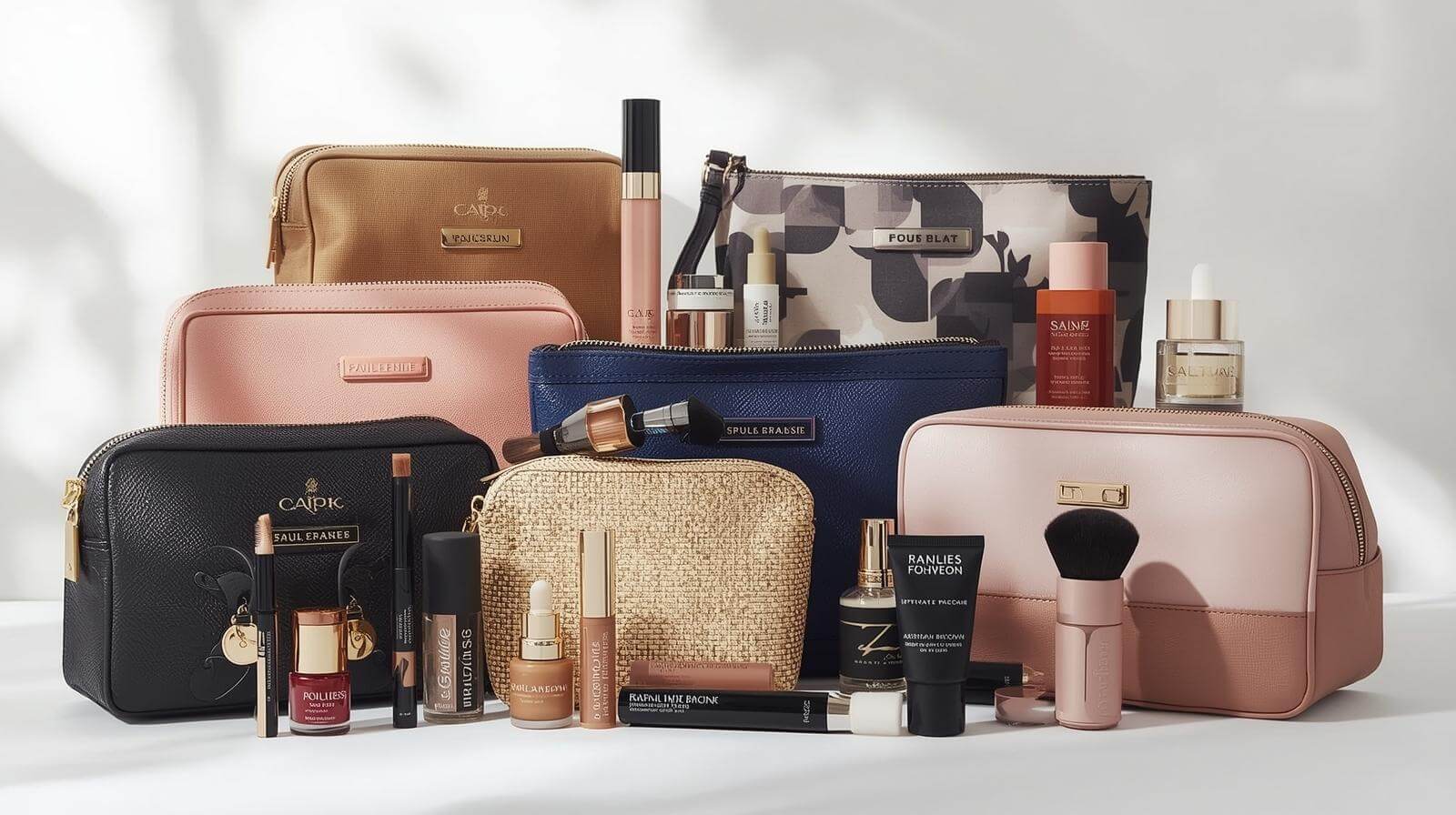
Getting a GWP makeup bag right can transform a simple promotion into a major win for your brand. It’s not just a free item; it’s a tangible piece of your brand that customers take home. I’ve spent over 30 years in this business, and I’ve seen how a well-executed private label bag can boost sales and build loyalty. The secret is a clear, step-by-step process. This guide breaks down that process, turning a potentially complicated task into a straightforward plan. Let’s walk through how to build a successful GWP strategy together, from the first design idea to the final delivery.
How do you find the right design and set a realistic budget?
Tons of designs are out there, but which one will customers love? It’s hard to pick a winner and even harder to know if it fits your budget.
Start by researching current market trends for popular shapes, colors, and features. From there, get quotes to understand the cost landscape. This allows you to create a realistic budget based on solid data, not guesswork, ensuring your GWP is both desirable and financially smart.
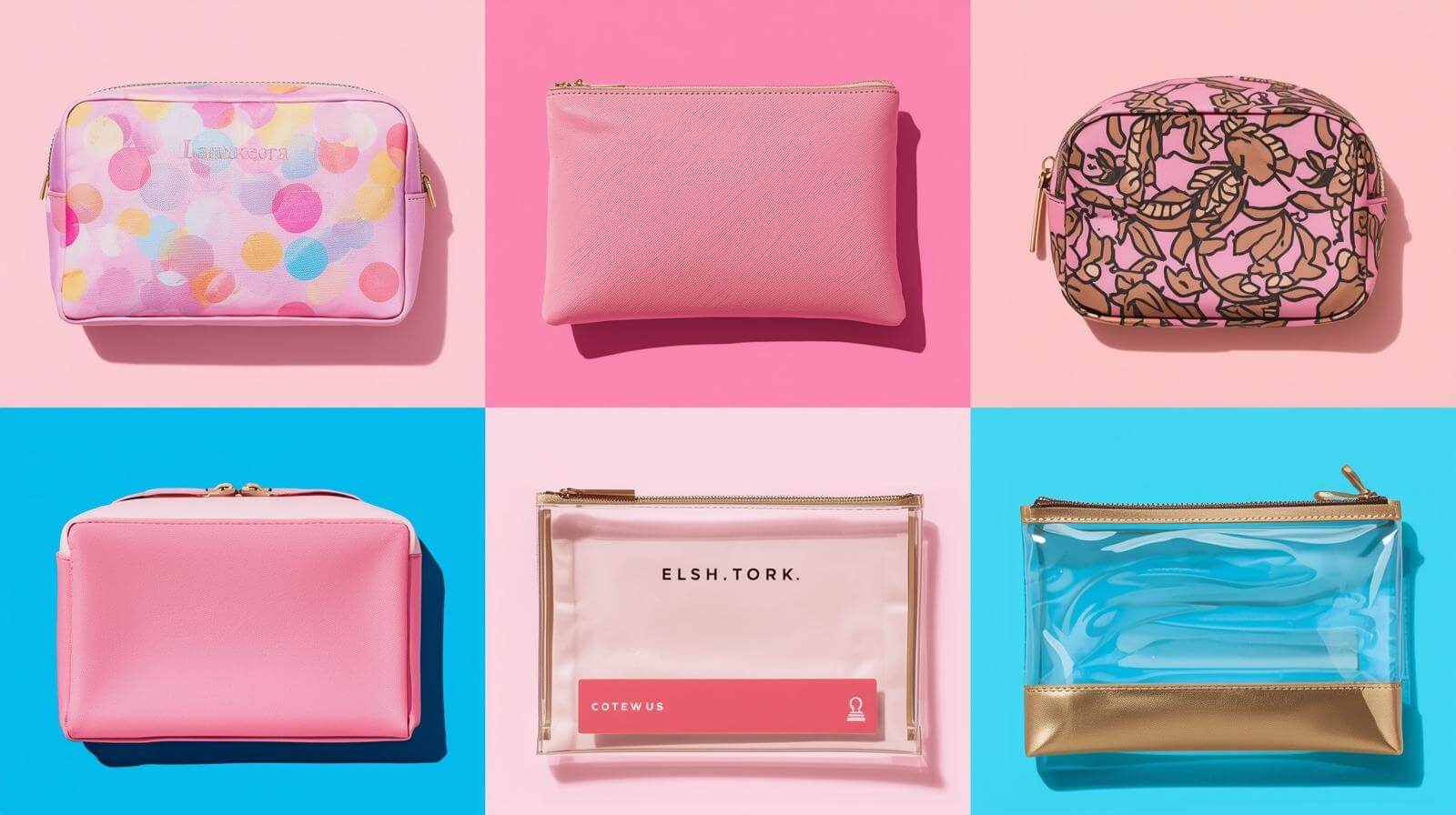
Finding the perfect design is the exciting first step. I always tell my partners to look at what’s happening outside our industry. What colors are trending in fashion? What textures are popular in home decor? These trends often crossover into cosmetics. We maintain a huge library of popular designs to help brands get started. Seeing these real-world examples can spark great ideas. If you’re looking for inspiration on what’s currently working in the European and American markets, you can explore portfolio of best-selling cosmetic bags->. Once you have a few ideas, you can start looking at costs.
Setting Your Budget
A solid budget is built on good information. You need to balance the cost per bag with its perceived value.
| Cost Factor | Low-End Estimate | Mid-Range Estimate | High-End Estimate |
|---|---|---|---|
| Material | Standard Polyester/PVC | Recycled PET/Cotton Canvas | Vegan Leather/Custom Fabric |
| Hardware (Zippers/Pulls) | Plastic | Standard Metal | Custom Branded Metal |
| Printing/Branding | 1-Color Screen Print | Multi-Color Print/Embroidery | All-Over Print/Debossing |
| Complexity (Pockets/Lining) | Simple Pouch | Lined, 1 Inner Pocket | Multiple Compartments |
This table shows how different choices affect the final price. Getting quotes from a few potential manufacturers will give you a clear picture of the costs. This market research phase is critical. It grounds your creative vision in financial reality and helps you choose the right manufacturing partner for the next step.
What makes a manufacturer the right partner for your brand?
Choosing a manufacturer feels like a big risk. You need someone who gets your vision, offers a fair price, and won’t miss your deadline. It’s a lot to ask.
The right partner has competitive pricing, strong custom development skills, and deep industry experience. Look for a manufacturer with proven scale and reliability. They should act as a true partner, guiding you through the process and investing in your success.
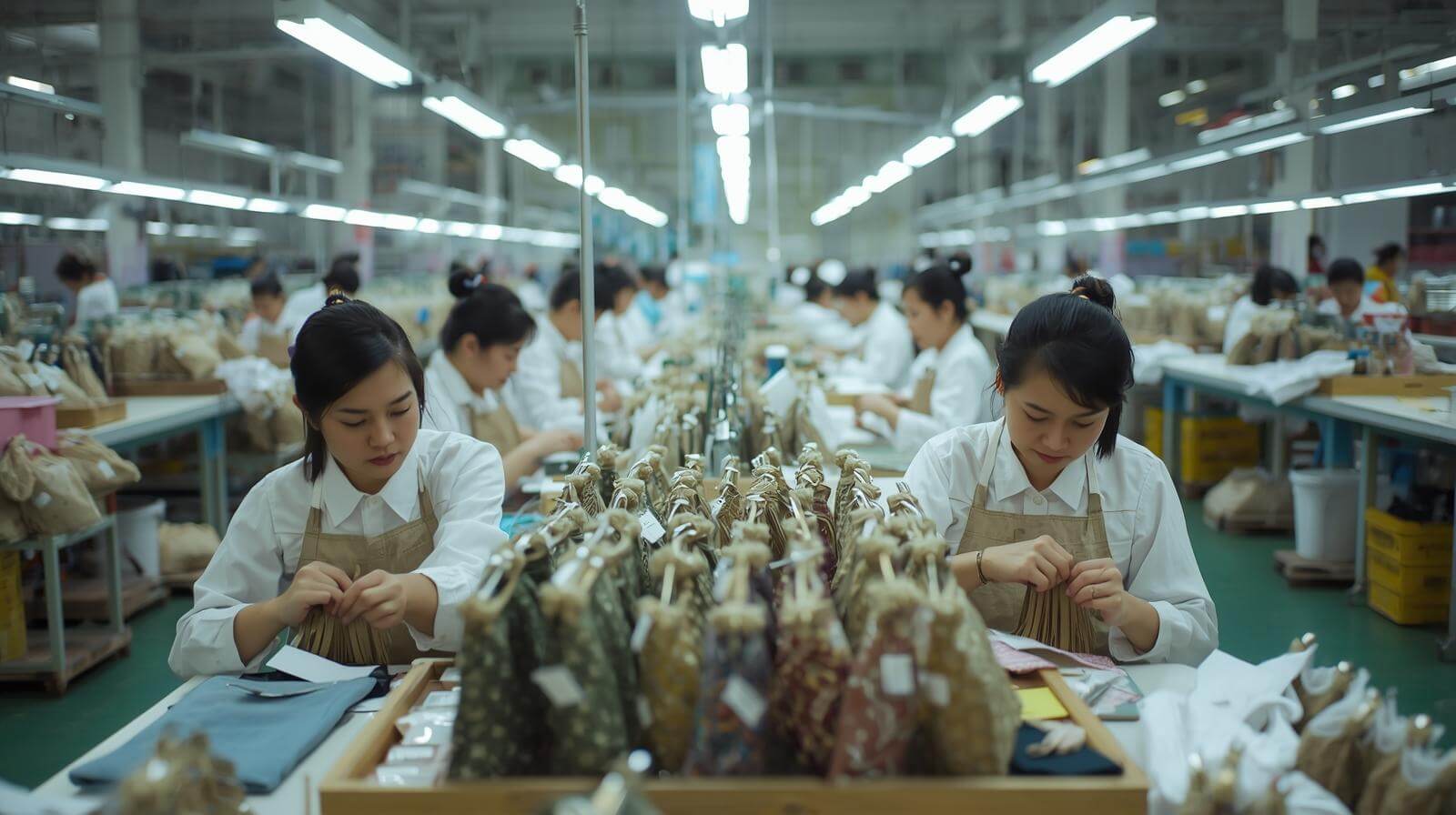
I remember working with a brand that was launching its first big holiday campaign. They were nervous. They needed a partner, not just a supplier. We walked them through every stage, from material selection to quality control planning. That experience taught me that trust is everything. A good manufacturer should openly share their process. They should have a factory you can (virtually or physically) tour. Their team should be able to answer tough questions about their supply chain and quality checks.
Key Evaluation Criteria
When you’re vetting potential partners, use a simple checklist to compare them.
-
Customization Ability: Can they create a custom material or source unique hardware for you? For instance, during the holiday season, a brand might need a specific color palette or texture. We’ve worked on projects requiring unique glitter-infused fabrics, which highlights why this is so important. You can find more ideas on how a custom bag can boost holiday sales in another post I wrote.
-
Experience & Scale: How long have they been in business? What is their monthly production capacity? An experienced manufacturer has seen it all and can help you avoid common pitfalls. Our 30-year history means we have long-standing relationships with material suppliers, which gives us an edge.
-
Communication: How responsive and clear are they? Good communication saves time and prevents misunderstandings. A dedicated account manager who understands your brand is a huge asset.
How can materials make your makeup bag stand out?
Everyone is using the same basic materials. Your GWP bag can easily get lost in a sea of similar products, failing to make a memorable impression on your customers.
Choose innovative materials to differentiate your product. Eco-friendly options like recycled PET or organic cotton appeal to conscious consumers. High-tech or custom-developed fabrics can make your bag unique, preventing copycats and elevating your brand’s image.
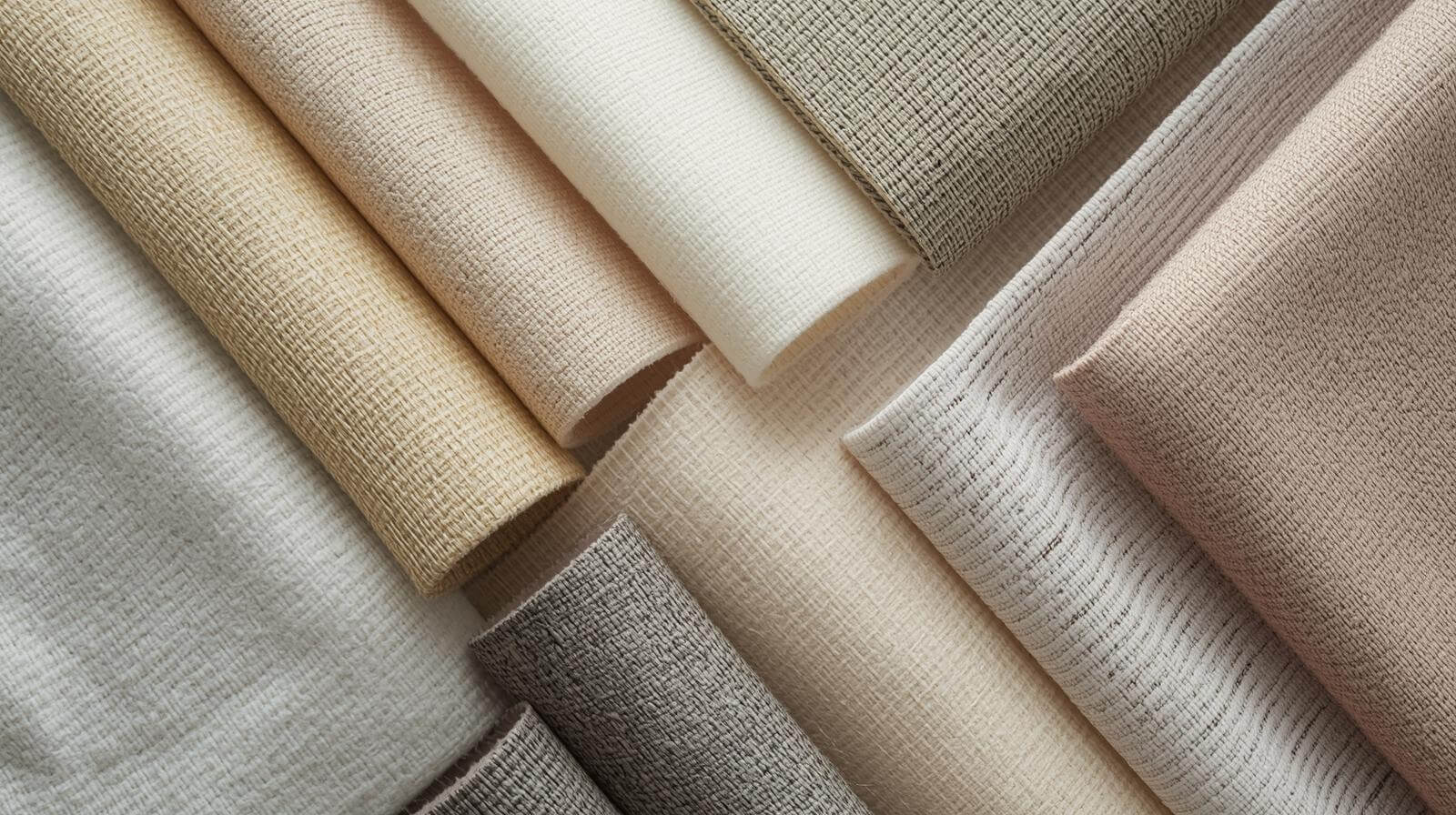
The material you choose says a lot about your brand. It’s the first thing a customer touches, so it needs to feel right. Years ago, a client wanted a summer GWP that felt fresh and different. Standard canvas felt too plain. We worked together to source a fabric made from recycled ocean plastics with a soft, water-resistant finish. It perfectly matched their brand story. The campaign was a huge success. This is why material selection is so critical. For a summer promotion, you might think about materials and designs that pop. I’ve detailed some successful strategies in a guide on how to design a sell-out summer GWP makeup bag.
Material Selection Guide
To help you decide, here’s a breakdown of popular material choices. Think about your brand’s values and your target customer.
| Material Category | Examples | Best For | Key Benefit |
|---|---|---|---|
| Eco-Friendly | Recycled PET (rPET), Organic Cotton, Jute | Brands with a sustainability focus | Aligns with consumer values, tells a story |
| Classic | PU Leather, Nylon, Polyester, Canvas | Durability and a wide range of aesthetic options | Cost-effective and versatile |
| Premium/Tech | Vegan Leather, Tyvek®, Neoprene | Brands wanting a modern, high-end feel | Unique texture, lightweight, and durable |
By choosing a material that aligns with your brand, you create a more powerful GWP. If you’re interested in a deeper exploration of sustainable options, you can **__learn more about commitment to eco-responsible materials->__**. Using a unique or custom-developed material is one of the best ways to ensure your GWP bag feels special and exclusively yours.
Why is the sample stage the most critical test?
You’ve approved a design on paper, but how will it actually look and feel? A bad sample can derail your timeline and blow your budget, creating a huge setback.
The physical sample is the ultimate test of a manufacturer’s capabilities. It reveals their design interpretation, craftsmanship, communication effectiveness, and overall quality standards. A perfect sample proves they can bring your vision to life accurately and efficiently.
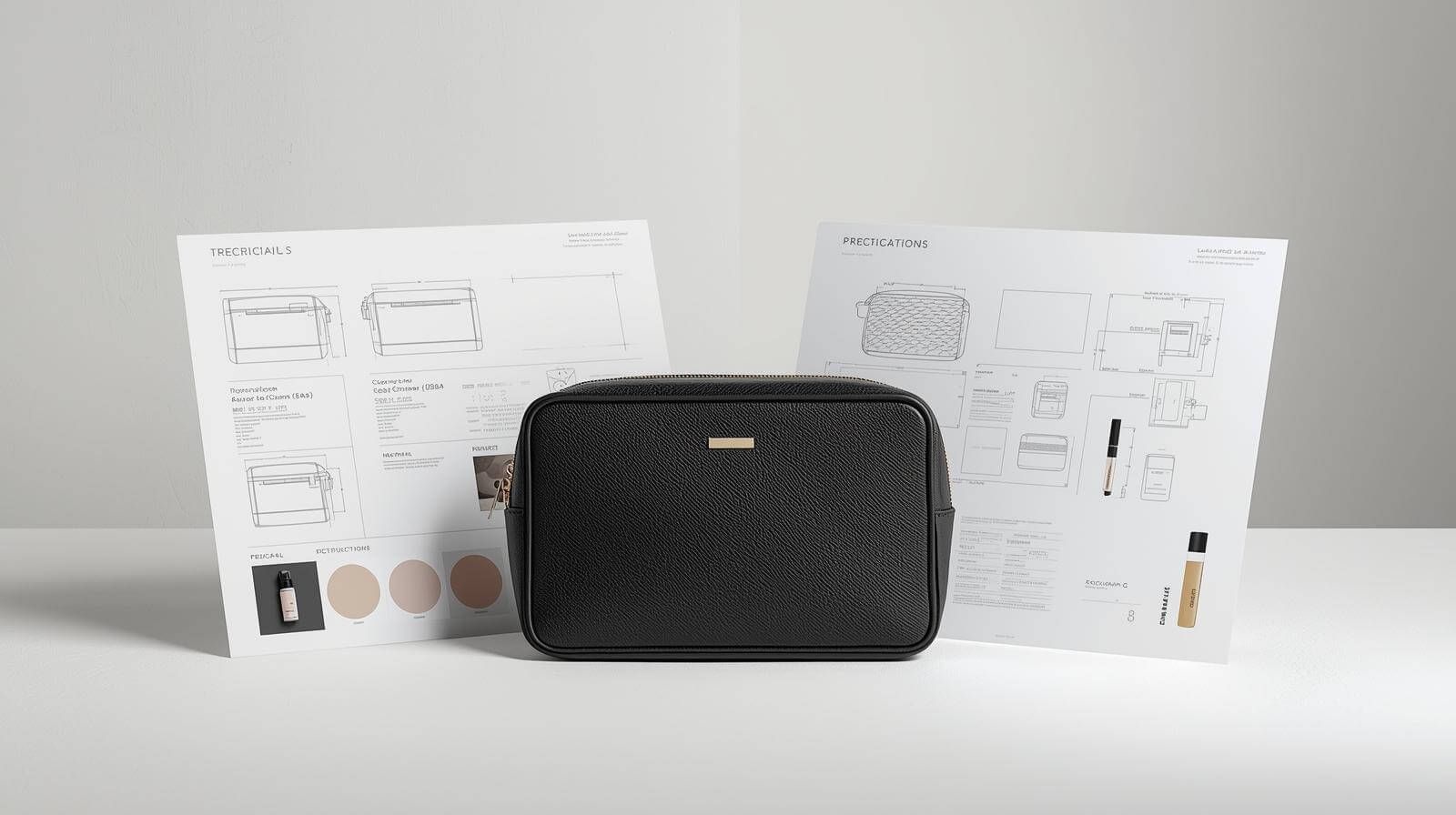
The moment of truth is when that first sample arrives. I always feel a bit of nervous excitement. Over the years, I’ve learned that this single item tells you almost everything you need to know about a potential partner. A few years back, we were competing for a large project. We put extra care into the sample, ensuring every stitch was perfect and the custom-dyed fabric matched the brand’s Pantone color exactly. The client told us later that our sample was the only one that was perfect on the first try. That sealed the deal. It showed them we listened and that we had the technical skill to deliver.
Your Sample Evaluation Checklist
When your sample arrives, don’t just look at it—inspect it. Use a structured approach to give clear, actionable feedback.
-
Overall Construction:
- Stitching: Is it straight, even, and secure? Are there any loose threads?
- Shape & Symmetry: Does the bag hold its shape? Is it symmetrical?
- Dimensions: Does it match the technical specifications you provided?
-
Materials & Hardware:
- Fabric: Does the color and texture match your request? Does it feel high-quality?
- Zipper: Does it open and close smoothly? Is the puller the correct style and finish?
- Lining: Is it sewn in neatly without any bunching?
-
Branding & Details:
- Logo/Print: Is the placement correct? Is the color accurate and the application crisp?
- Special Features: Are all pockets, tags, and other elements included and correctly executed?
A manufacturer who delivers an excellent first sample minimizes back-and-forth communication, saving you valuable time and money. It’s the clearest indicator of a smooth production process ahead.
Conclusion
A successful GWP bag strategy combines smart design, a solid budget, and a great manufacturing partner. Following these steps ensures your promotion adds real value to your brand.