A tote bag is your brand’s moving billboard. A poor quality one can damage your image. Choosing the right supplier is the most critical decision you will make.
A high-quality supplier offers more than just a durable bag. They show deep commitment to sustainable materials, have verifiable ethical standards, superior craftsmanship, strong design partnership, and efficient project management. These five signs ensure your brand’s reputation is in safe hands and delivers long-term value.
Choosing a supplier can feel overwhelming. With over 30 years in this industry, I’ve seen brands make costly mistakes by overlooking key signals that define a true partner. The quality of a tote bag directly reflects your brand’s values, especially when it’s a gift with purchase or a retail item. Let’s explore the essential signs that separate a great partner from a simple manufacturer, so you can make the right choice for your brand.
This checklist is your starting point for vetting potential partners. These signs are a critical piece of the complete sourcing puzzle, which we lay out from start to finish in our main guide.
-> Read The Ultimate Guide to Sourcing and Manufacturing Custom Tote Bags
Do they truly commit to sustainable materials, or is it just for show?
Worried about greenwashing? Your brand’s eco-credentials are on the line with every product you offer. A supplier’s material choices can either build customer trust or break it completely.
A top-tier supplier proves their commitment with a diverse range of certified materials like rPET and organic cotton. They provide a full certification chain (like GRS) for complete traceability and actively invest in new eco-innovations, ensuring their promises are backed by proof.
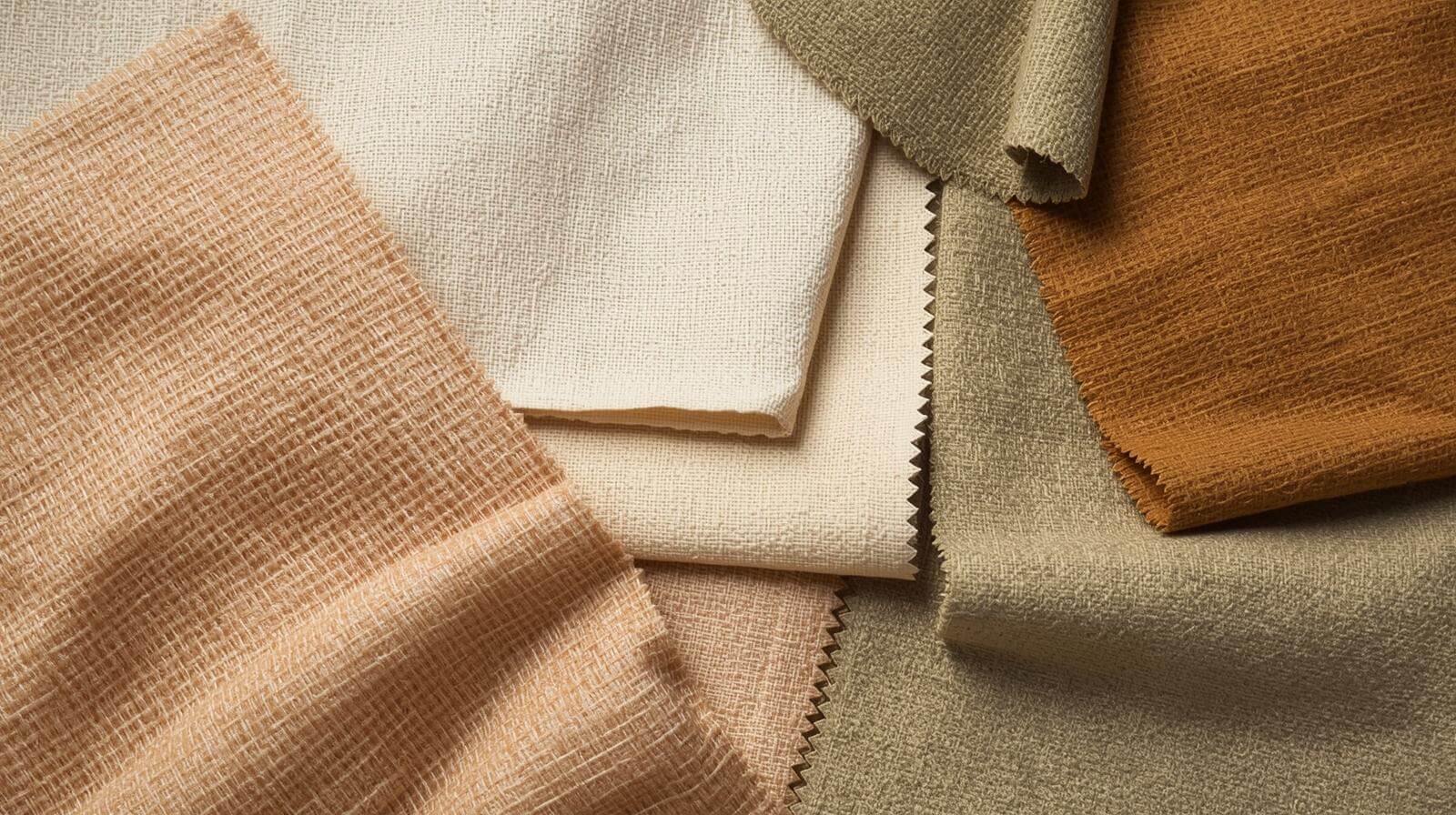
A supplier’s stance on sustainability is a clear indicator of their quality and forward-thinking approach. It’s no longer enough to just offer a “green” option. A dedicated partner invests in a broad and innovative material library.
From Recycled to Revolutionary
A truly committed supplier won’t just have one or two eco-friendly fabrics. They should provide a full spectrum of choices that align with different brand ethics and price points. This includes materials like GRS-certified rPET, made from recycled plastic bottles, and GOTS-certified organic cotton, grown without harmful pesticides. But it doesn’t stop there. Ask them about innovative plant-based fibers like pineapple or banana fiber. A partner focused on innovation will be excited to discuss these possibilities.
The Power of Proof
Certifications are non-negotiable. They are your guarantee against greenwashing. A quality supplier will readily provide documentation for their materials, ensuring full supply chain transparency.
| Material Type | Key Certification | What It Guarantees |
|---|---|---|
| Recycled Polyester | GRS (Global Recycled Standard) | Verifies recycled content, social and environmental practices. |
| Organic Cotton | GOTS (Global Organic Textile Standard) | Ensures organic status and socially responsible manufacturing. |
| Vegan Leather | PETA-Approved Vegan | Confirms no animal-derived components were used. |
Exploring these options is key to finding the right fit for your brand. If you want to learn more about our commitment, you can see our approach here: -> Explore Our Sustainable Materials.
Are their manufacturing standards transparent and ethical?
You found a supplier with a great price, but can you be sure the bags aren’t made in poor conditions? A production scandal could destroy your brand’s reputation overnight.
A trustworthy manufacturer operates with full transparency. They hold internationally recognized certifications like BSCI, Sedex, or have passed major brand audits. They welcome questions about their supply chain and proudly share how they ensure fair labor and a safe working environment.
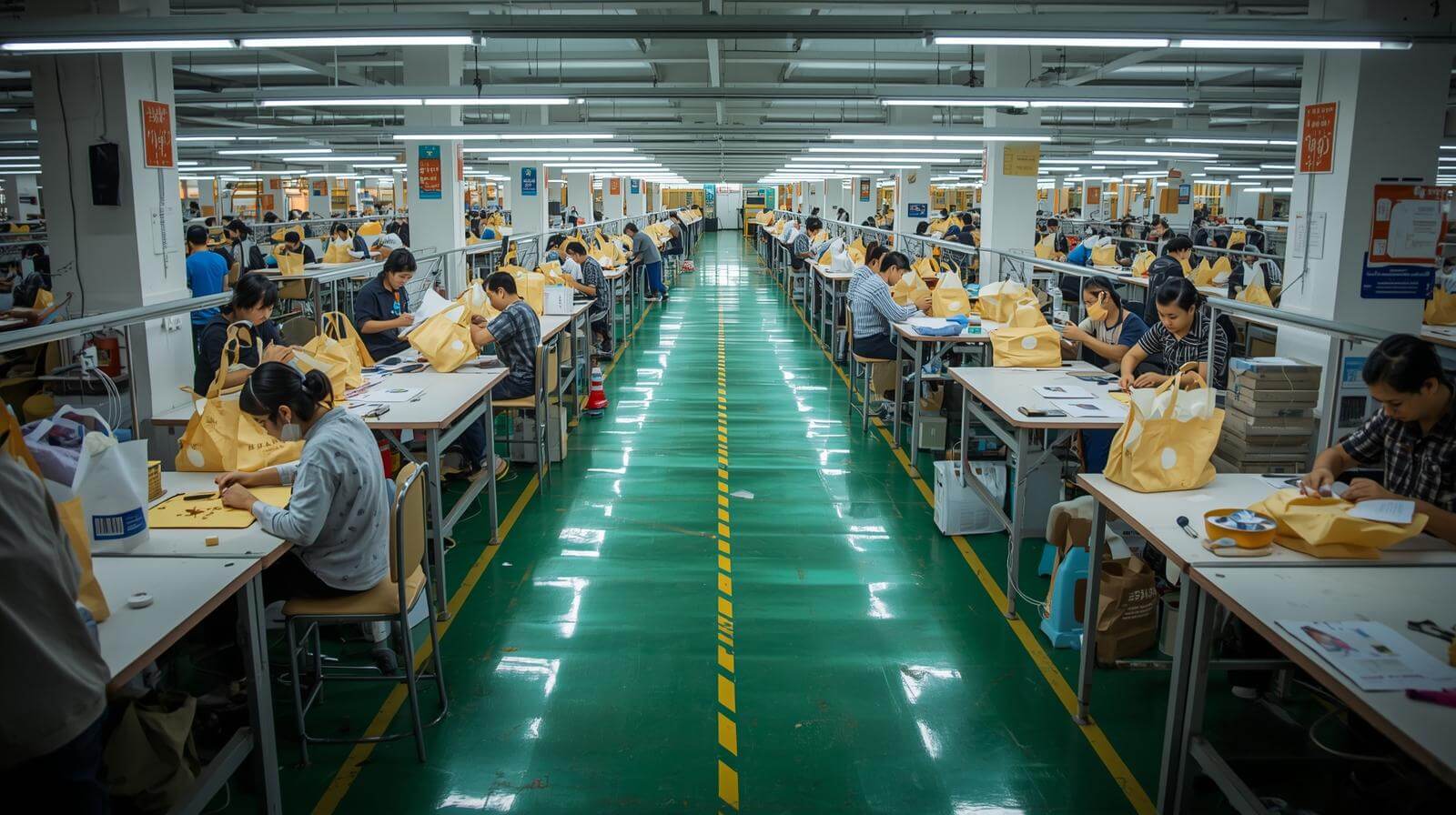
High-quality products are born in high-quality environments. As a brand, you are responsible for every step of your supply chain, even the parts you can’t see. An ethical supplier understands this and makes transparency a core part of their service. They aren’t just making bags; they are protecting your brand’s integrity.
Look for Official Stamps of Approval
Third-party audits are the most reliable way to verify a supplier’s claims. These audits are conducted by independent bodies to assess compliance with labor laws, health and safety, and environmental standards. We once worked with a brand that was hesitant to move production. After they saw our BSCI and L’Oréal audit reports, they gained the confidence to partner with us, knowing their brand was in safe hands. Certifications like these aren’t just paperwork; they are proof of a daily commitment to ethical practices.
Beyond the Factory Walls
A truly transparent partner also manages their own suppliers responsibly. Ask them about their secondary suppliers for things like zippers, thread, or printing dyes. Do they hold these smaller partners to the same ethical standards? An elite supplier will have a system in place to ensure compliance throughout the entire supply chain, giving you complete peace of mind. This is a sign of a mature and responsible operation, one you can build a long-term partnership with. This is central to our philosophy, which you can read about here: -> Learn More About Why EcoRivta is a Trusted Partner.
Can they deliver superior craftsmanship down to the last stitch?
That sample bag looked perfect, but will the bulk order have the same quality? Inconsistent craftsmanship, weak seams, and faulty zippers can lead to customer complaints and damage your brand’s premium image.
An excellent supplier guarantees quality through meticulous attention to detail. They focus on high-density stitching, especially at stress points like handles, use durable hardware, and implement a strict multi-stage quality control (QC) process from sampling to final inspection.
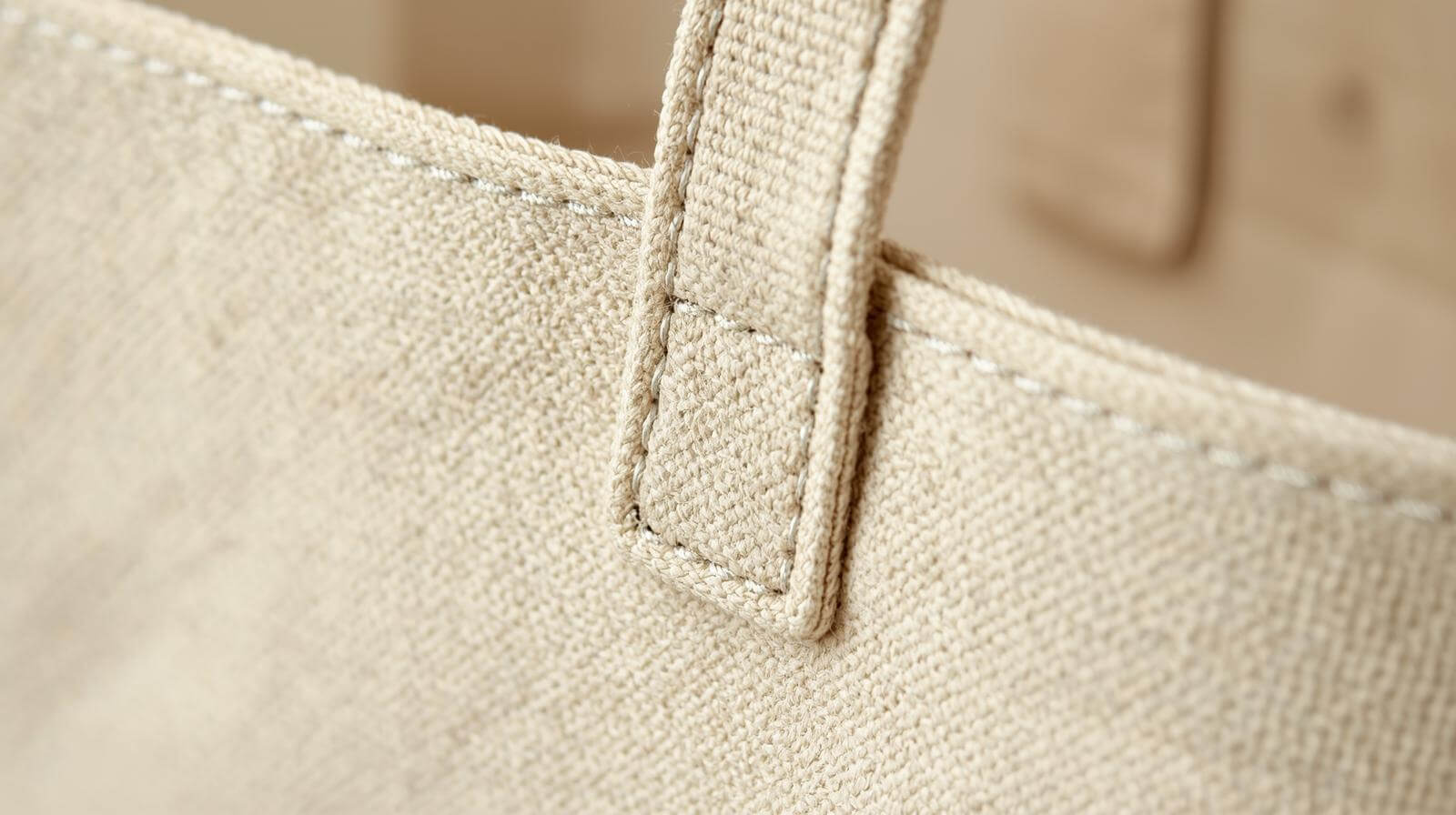
Details determine the difference between a disposable giveaway and a cherished accessory. For a senior buyer, the tactile quality and flawless finish are what elevate a simple tote into a product that reflects brand prestige. This is where a supplier’s true expertise shines through.
It’s All in the Details
When you inspect a sample, look beyond the general appearance. Check these critical areas:
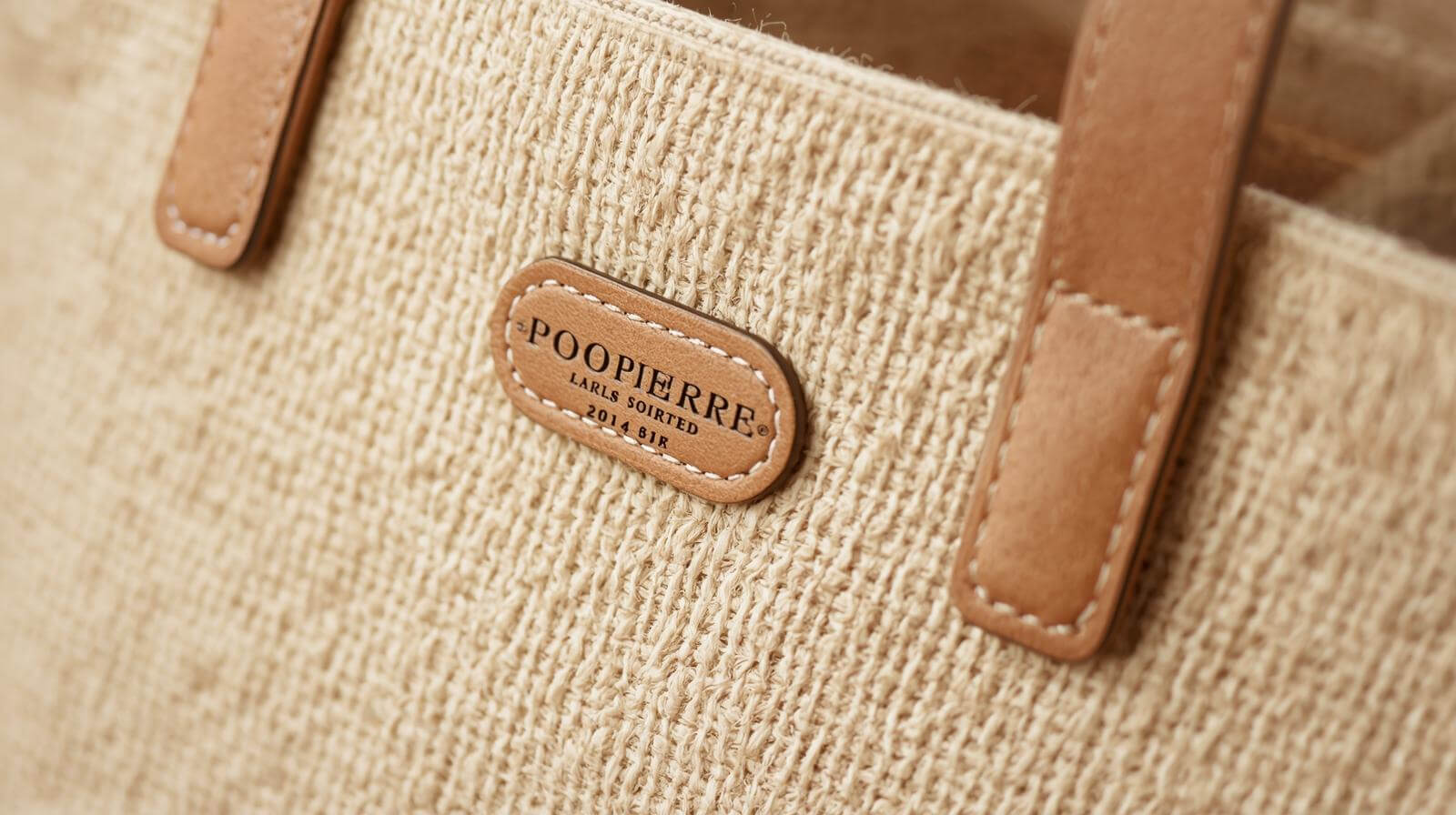
- Stitching: Are the stitches tight, even, and consistent? A high-quality supplier often uses a higher stitch count per inch for added strength. Pay close attention to where the handles connect to the bag body—this is a primary failure point. Reinforcement like “X” stitching is a great sign.
- Hardware: Open and close the zipper multiple times. Does it glide smoothly? Is the puller sturdy? Check any clasps or buckles. They should feel solid, not flimsy or plastic-y.
- Lining and Pockets: Is the lining properly sewn in without bunching? Are the interior pocket seams straight and secure? These interior details are often where low-cost suppliers cut corners.
The QC Process as a Promise
A professional supplier won’t just talk about quality; they will have a clear system to ensure it. Ask for their QC workflow. It should include pre-production sample approval, in-line inspections during manufacturing, and a final AQL (Acceptable Quality Limit) inspection before shipment. This transparent process is your assurance that the 10,000th bag will be just as good as the first one you approved.
Are they a design partner or just an order taker?
You have a great concept for a tote bag, but your supplier doesn’t understand your vision. They offer no creative input or functional improvements, leaving you to solve all the design challenges.
A top-tier supplier acts as a true design partner. They have an in-house design and product development team that helps transform your concept into a production-ready design. They proactively suggest functional improvements and material choices to better meet your brand’s goals.

The best suppliers are not just executors; they are collaborators. You are the expert on your brand, and they are the experts on making bags. A great partnership happens when those two areas of expertise merge. They should be able to listen to your idea—whether it’s for a promotional gift or a new retail line—and provide valuable feedback to make it even better.
From Concept to Creation
I remember a client wanted a tote for a “gift with purchase” campaign. Their initial design was beautiful but complex to produce within their budget. Our in-house design team didn’t just say “no.” Instead, we suggested a different printing technique and a minor change to the seam construction. The result? We preserved their original design intent while hitting their target cost. This is what a design partner does. They solve problems and add value.
Enhancing Functionality
A good supplier also thinks about the end-user. Based on your needs, they should be able to suggest functional upgrades:
- For Travel: Adding a trolley sleeve to slip over luggage handles.
- For GWP: Including a waterproof lining for cosmetic or skincare items.
- For Daily Use: Recommending a reinforced base for heavy loads or adding an anti-theft pocket.
This level of proactive thinking shows they care about the success of your project, not just fulfilling an order. This approach is key for creating custom pieces that resonate with customers. To see how we apply this to different projects, check out some of our solutions: -> See Our Bespoke GWP & Promotional Tote Bags.
How efficient is their project management and communication?
Your product launch is weeks away, and you haven’t heard from your supplier. Emails go unanswered, and production deadlines are a mystery. Poor communication and unreliable delivery create stress and can jeopardize your entire campaign.
A professional supplier provides a dedicated project manager who communicates clearly and responds quickly. They offer reasonable MOQs, provide a reliable production timeline, stick to it, and have a clear process for after-sales support to handle any issues.

Once the design is approved and the order is placed, the journey is only halfway over. The success of your project now rests on project management. A reliable partner makes this process smooth and stress-free. You should feel informed and in control from start to finish.
Communication Is Everything
In my experience, the biggest source of friction between brands and suppliers is poor communication. A great supplier assigns you a single point of contact—a professional project manager who understands your project and speaks your language. They provide regular updates without you having to ask and are quick to flag any potential issues. This transparent communication builds trust and eliminates last-minute surprises. This is a key reason that avoiding common sourcing mistakes is so important, a topic we cover in another post: -> Read About 7 Mistakes to Avoid When Choosing a Bulk Tote Bag Manufacturer.
The Three Pillars of Reliability
A dependable operation is built on three key factors:
- Flexible MOQ: They understand that not every project needs 10,000 units. They should offer a reasonable Minimum Order Quantity (MOQ) or work with you to find a solution.
- On-Time Delivery: They provide a realistic production schedule and have a track record of meeting their deadlines. Ask for their on-time delivery rate, especially during peak seasons.
- After-Sales Support: What happens if there’s a problem with the shipment? A great partner stands by their work and has a clear process for resolving issues quickly and fairly.
Conclusion
Choosing a supplier is choosing a partner for your brand. Look for these five signs: a deep commitment to sustainability, ethical transparency, superior craftsmanship, design collaboration, and reliable project management.