Choosing the wrong manufacturing partner can lead to project delays and budget overruns. Getting it right starts with understanding your options, ensuring your next tote bag launch is a success.
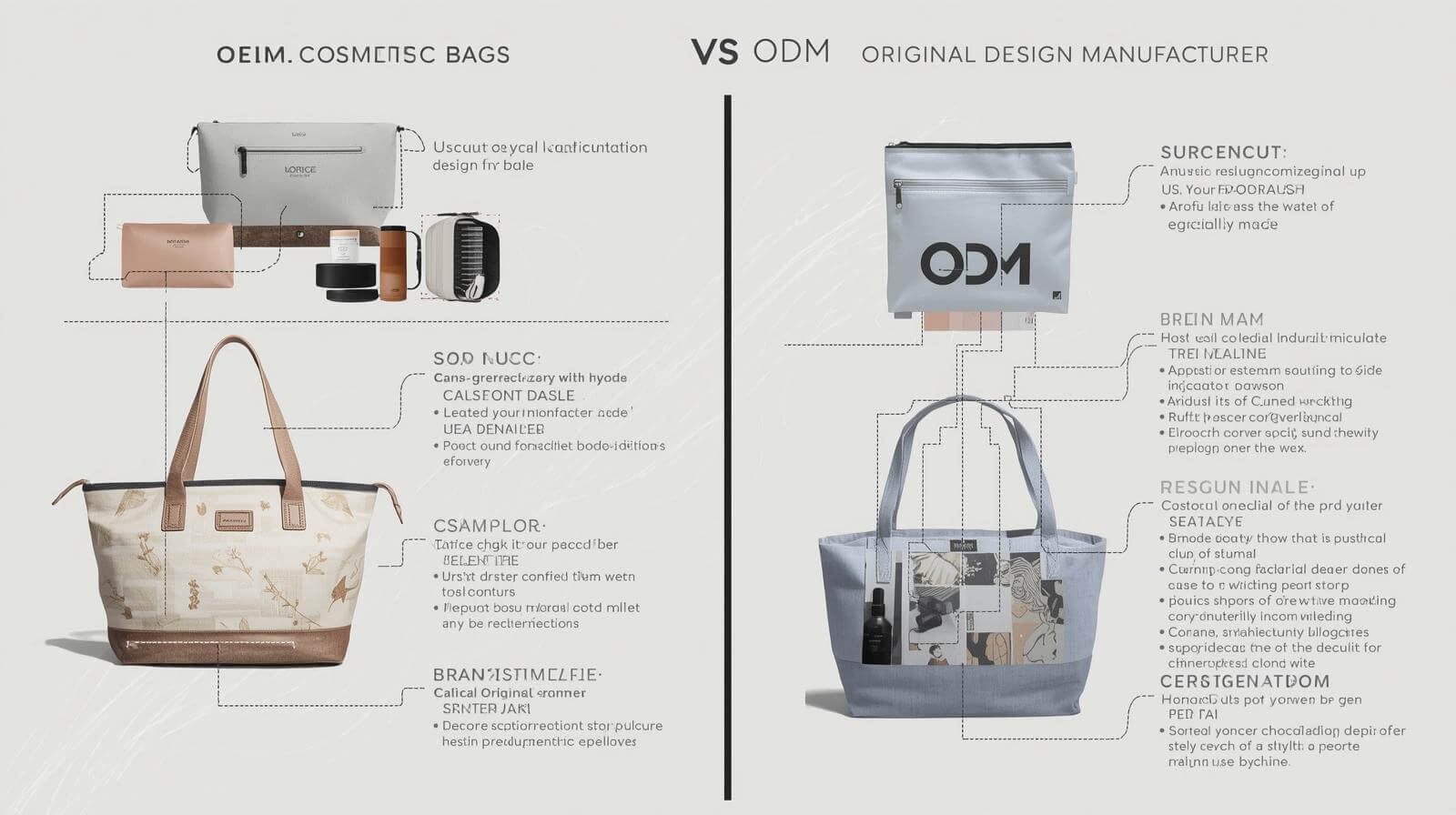
OEM (Original Equipment Manufacturing) is when a factory produces bags based on your unique design. ODM (Original Design Manufacturing) is when you select and customize a bag from the factory’s existing catalog. The best choice depends on your brand’s needs for uniqueness, speed, and design resources.
(https://www.ecorivta.com/gwp-promotional-tote-bags)
This distinction is crucial. I’ve seen brands aiming for a quick promotional giveaway get stuck in a lengthy custom design process. I’ve also seen brands that pride themselves on uniqueness accidentally choose a widely available stock design. Understanding these two paths is the first step toward a successful partnership and a product that truly represents your brand. Let’s look at each model more closely to help you decide which path is right for you.
What Does OEM Mean for Your Brand’s Control and Uniqueness?
Does your brand have a very specific design vision? You might worry that a manufacturer could misinterpret your concept. The OEM model is built to prevent this by putting you in control.
In an OEM partnership, you provide the complete design, and the manufacturer acts as the executor. You supply detailed tech packs, material specifications, and quality standards. This gives you total control over the final product, ensuring it is 100% unique to your brand.
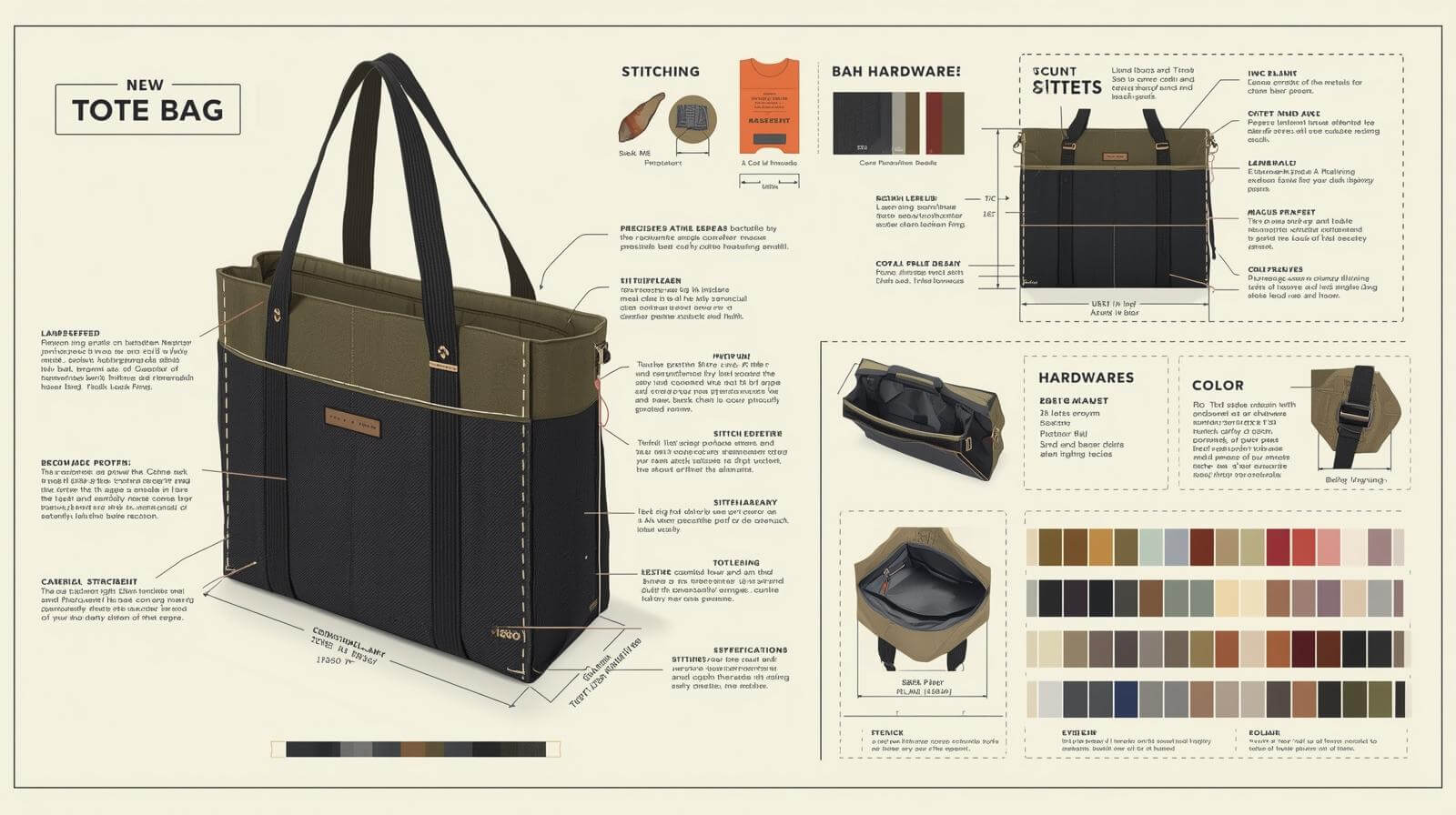
With the OEM model, your brand is in the driver’s seat. It’s your vision, your specifications, your product. We, as the manufacturer, focus our expertise on bringing that vision to life with precision. This model is perfect for brands that have a strong identity and need to protect it.
The Dynamics of an OEM Partnership
In OEM, the relationship is straightforward. Your design team does the creative work, and our production team handles the technical execution. The primary benefit is absolute control.
- Intellectual Property (IP): The design and all associated IP belong entirely to your brand. There’s no risk of your unique design being sold to a competitor.
- Brand Integrity: You ensure the final bag aligns perfectly with your brand’s aesthetic, quality standards, and story. It becomes an exclusive representation of your brand.
- Required Investment: This path requires a significant upfront investment from your brand. You need an internal or contracted design and development team to create detailed product blueprints. This often means a longer lead time and higher initial costs.
This approach is ideal for established brands that have these resources and for whom product exclusivity is a top priority. When you have a clear concept, OEM is the most direct way to a truly bespoke product.
If your team has already developed a concept, seeing how it comes to life is the next step.
Learn more about our process -> How a Premier Tote Bag Manufacturer Turns Your Concept into a Bestselling Product
How Can ODM Speed Up Your Time to Market?
You have a marketing campaign launching next quarter and need a promotional tote bag fast. Designing one from zero is not an option. This is where ODM provides a powerful, efficient solution.
ODM, or Original Design Manufacturing, lets you leverage the manufacturer’s existing designs. You can browse a catalog of market-tested styles and customize them with your logo, brand colors, and choice of materials. This approach dramatically shortens the production timeline and reduces design costs.

The ODM model is a collaborative partnership. We provide a solid foundation with our proven designs, and you add the branding elements that make it yours. It’s the fastest way to get a quality product into your customers’ hands without the overhead of a full design cycle.
The Advantages of Speed and Efficiency
For many projects, especially Gift With Purchase (GWP) items or test-market products, speed is more important than complete exclusivity. ODM is built for this.
- Reduced R&D Costs: You save a huge amount on design and development because the foundational work is already done. Our team has already invested in creating stylish and functional bag templates.
- Quick Turnaround: Since we start with an existing design, the sampling and production process is much faster. This allows your brand to be agile and react quickly to market opportunities.
- Potential for Overlap: The main trade-off is that other brands might use the same base design from the manufacturer. However, skilled customization of materials, colors, and branding can still create a product that feels unique to your customers.
If you are a startup looking to launch your first product or a brand needing an effective promotional item quickly, ODM is often the smartest choice.
For brands focused on GWP campaigns, finding the right ready-to-brand design is key.
Explore our options -> Bespoke GWP & Promotional Tote Bag
Which Model is Better for Eco-Friendly Tote Bags?
Your brand is committed to sustainability. You wonder if that commitment is easier to uphold with OEM or ODM. The truth is, both models can deliver an excellent eco-friendly product with the right partner.
An experienced eco-conscious manufacturer adds value to both OEM and ODM processes. We can source and verify sustainable materials for your custom OEM design or offer a full ODM catalog of bags made from recycled and plant-based fabrics. Your choice simply changes where our expertise is applied.
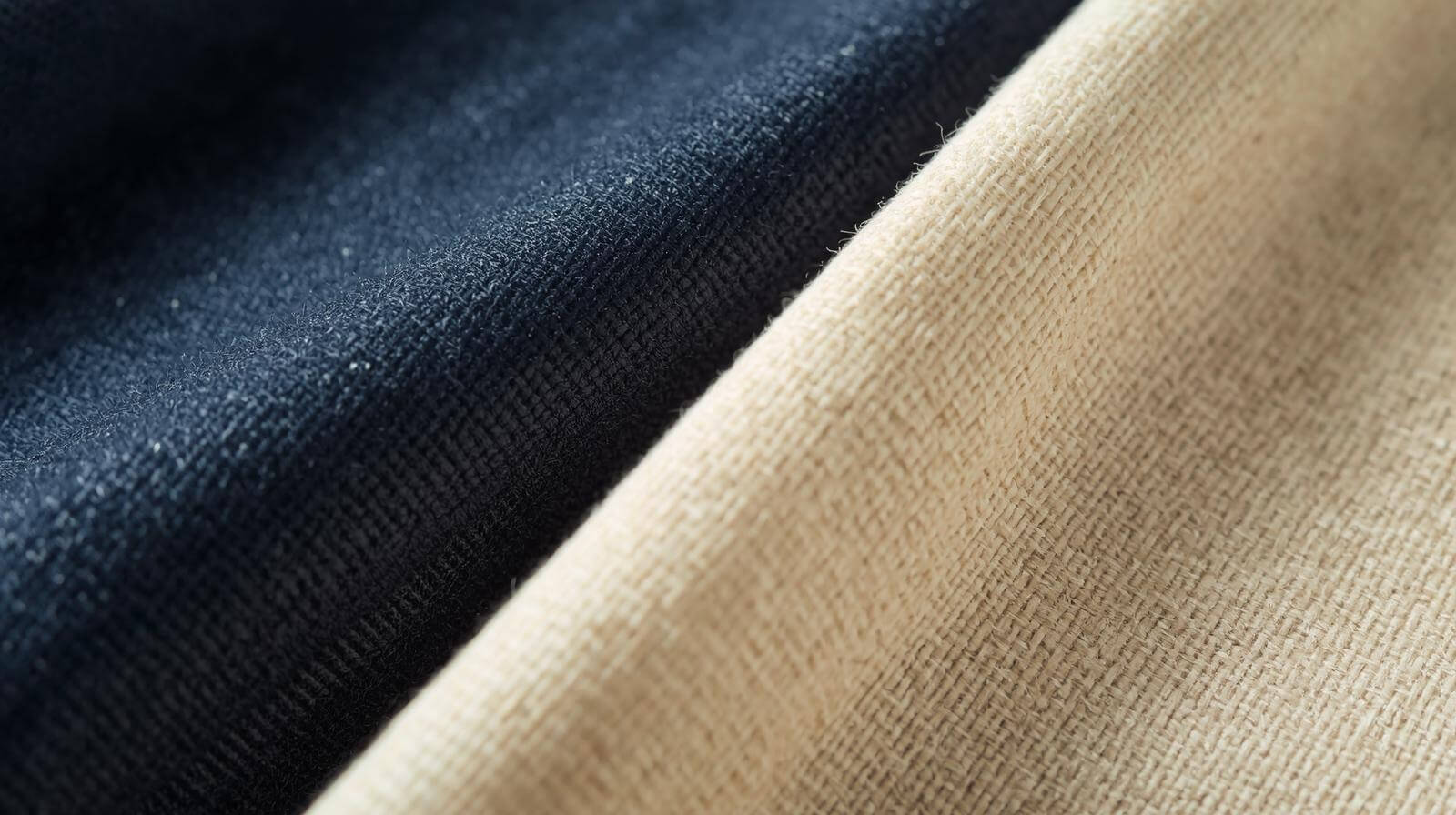
As a manufacturer specializing in sustainable bags, we have built our supply chain around environmental responsibility. In an OEM project, we ensure that your custom design is produced with certified materials that meet global standards. In an ODM project, our pre-designed styles already incorporate these sustainable materials and practices, giving you a head start.
Integrating Sustainability Into Your Choice
Your brand’s sustainability goals can be met through either model, but the approach differs. We guide our partners through these choices every day.
Sustainability in OEM:
In an OEM partnership, you specify the eco-materials. Our role is to validate and source them responsibly.
- Material Expertise: We help you navigate options like GRS-certified rPET, GOTS-certified organic cotton, or cutting-edge bio-leathers.
- Compliance Assurance: We ensure the entire production process adheres to international standards like REACH and Prop 65, guaranteeing your bag is both green and market-ready worldwide.
Sustainability in ODM:
Our ODM catalog is already built with sustainability in mind. You can choose from proven designs and materials.
- Ready-Made Eco Designs: We offer an extensive library of designs featuring our most popular sustainable materials, saving you research and development time.
- Efficient Customization: You can quickly customize a Recycled Material Tote Bag with your logo, knowing the core product is already eco-friendly.
| Feature | OEM (Original Equipment Manufacturing) | ODM (Original Design Manufacturing) |
|---|---|---|
| Design Source | Brand provides 100% of the design | Manufacturer provides base designs |
| Development Cost | High (brand invests in R&D) | Low (leverages manufacturer’s R&D) |
| Time to Market | Slower (full development cycle) | Faster (based on existing templates) |
| Product Uniqueness | High (exclusive to the brand) | Lower (potential for overlap) |
| Intellectual Property | Belongs entirely to the brand | Base design owned by manufacturer |
| Best For | Brands with strong design teams, retail | GWP, startups, fast product launches |
| Eco-Friendly Focus | Brand specifies materials; Mfg ensures compliance | Manufacturer offers pre-vetted eco-designs |
Ultimately, working with a manufacturer who has a deep-rooted commitment to sustainability is what matters most.
We have built our business on this commitment. To see why we are a trusted partner for global brands:
Find out more about us -> Why EcoRivta
Conclusion
Understanding the difference between OEM and ODM is key to making a smart sourcing decision. Your choice shapes your project’s timeline, budget, and final product’s uniqueness.