Backing card artwork is part of the claw clip spec, not an afterthought
For retail claw clip sets and Beauty GWP hair accessories, the clip may be approved while the backing card is still unfinished. That is risky. The card controls hang-hole position, logo size, barcode placement, claim wording, set count and how the product sits in packing.
A good handoff gives Ecorivta both product and card information: clip style, size, material, color, finish, card size, artwork file, barcode or SKU data, label requirements, packing count, target market and launch window.
Review claw clip backing card artwork
Approve card size, hang hole and product fixing before artwork polish
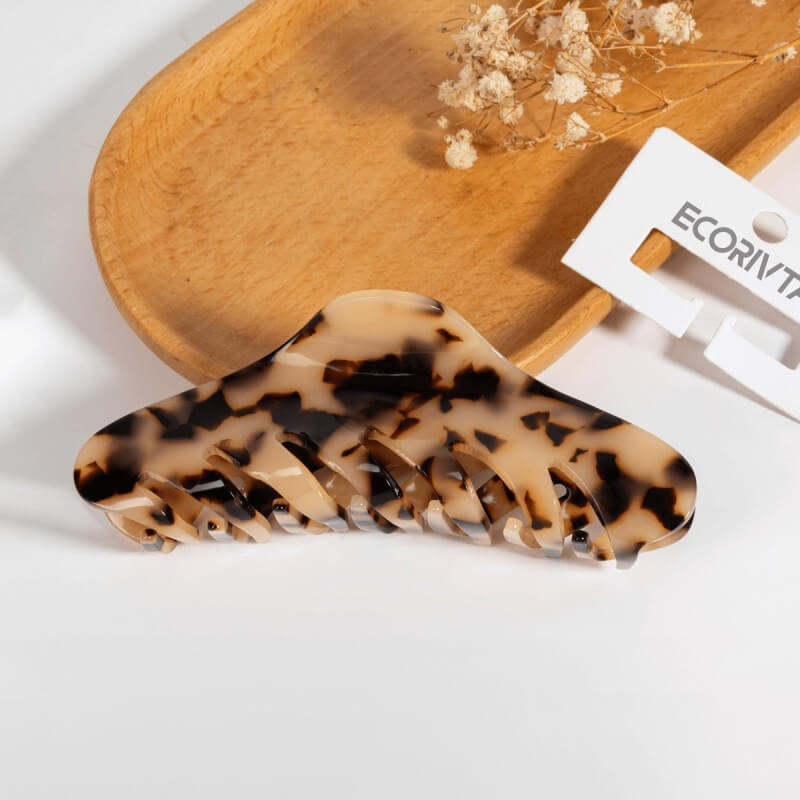
Artwork can look correct on a flat PDF but fail in packing. The card must hold the clip without bending, hiding the logo or pressing too hard on the teeth. Large claw clips, mini clips and barrettes may need different slots, elastic ties, blister protection or inner bag support.
Before final artwork, approve the physical card route first: card thickness, size, hang hole, fixing method, product position, logo area and barcode/label area. Then the designer can finish artwork with fewer late changes.
Barcode and SKU data should come from the buyer
If the item is a sellable retail SKU, the buyer or retailer usually controls the product identification route. The supplier can place and print the barcode after receiving the correct data, but should not invent GTIN, UPC, EAN, SKU or market version rules.
GS1 US GTIN guidance 1 and the GS1 US UPC and barcode prefix guidance 2 are useful background for product identification topics. For production, the buyer should send final barcode artwork or data file, barcode size, quiet zone requirement if specified, SKU name and market allocation.
| Handoff item | Buyer should provide | Supplier should confirm |
|---|---|---|
| Barcode | Final code data or barcode artwork | Print size, placement and scan-space protection |
| SKU name | Product/color/market naming | Same naming on card, carton and packing list |
| Artwork | Editable file, fonts/outlines, color reference | Card dieline fit and product coverage |
| Set count | Single clip, two-pack, mini set or mixed set | Card strength and packing count |
Review barcode and packing handoff
Check claim wording before the card is printed

Card artwork often includes material, recycling, origin, certification, comfort or gift wording. These claims should be approved by the buyer before printing. For environmental claims in the US market, the FTC Green Guides 3 are a useful claim-boundary reference. Other markets may have their own rules.
For Ecorivta, the safe route is to support the buyer with project-dependent material and document information, then let the brand decide the final claim wording for the target market. Avoid printing broad claims on the card unless the buyer has approved both wording and evidence scope.
Match the card to the clip shape and finish
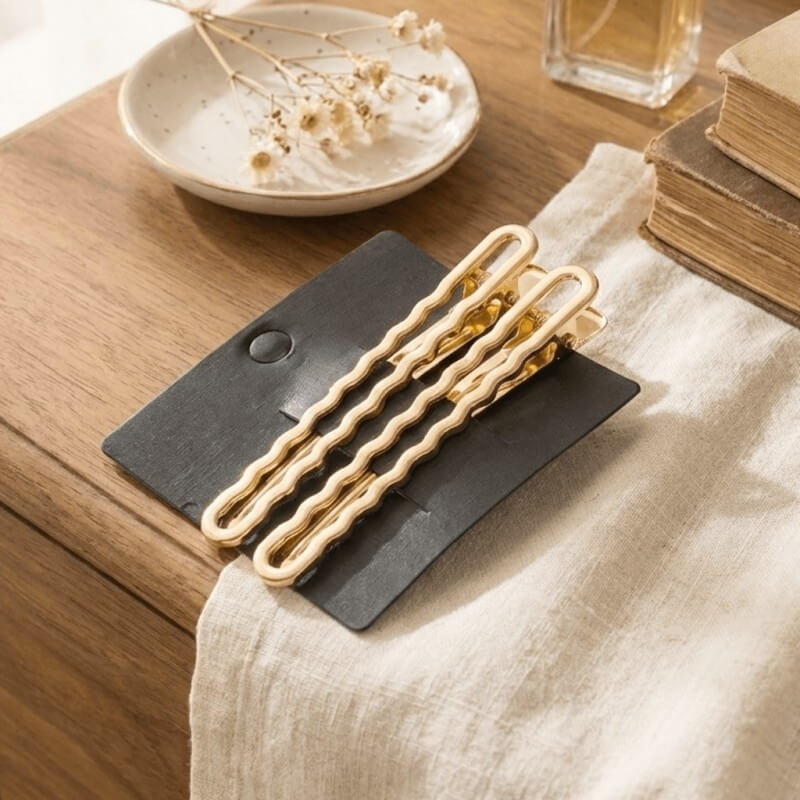
A glossy acetate claw clip, metal barrette and small mini clip do not behave the same in packing. The card may need different slots, elastic ties, bag size or carton layout. If the clip has a delicate finish, the packing brief should also mention scratch risk and whether the item needs an inner bag.
For a Beauty GWP program, decide whether the card is meant for retail shelf, gift set insert, PR mailer or internal distribution. The same clip can need different card logic depending on use.
Send a combined clip and card brief
For a claw clip retail set RFQ, send clip size, material, color, logo method, card size, artwork file, barcode/SKU data, claim wording, set count, packing route, target market and launch date. Ecorivta can help review whether the product and card are production-ready before bulk.
Send a claw clip retail set RFQ
FAQ
Can Ecorivta create the barcode for a retail claw clip set?
Ecorivta can place and print buyer-approved barcode artwork, but the buyer or retailer should provide the product-identification data and ownership route.
Should card artwork be approved before or after sample approval?
The physical card route should be reviewed during sampling. Final artwork can be locked after card size, fixing method and product position are approved.
What card details are easy to miss?
Hang-hole position, clip fixing method, barcode quiet area, label placement, claim wording, set count and carton naming are common missed details.
Does a GWP claw clip need the same card as a retail SKU?
Not always. A gift-with-purchase item may use simpler packing, while a sellable SKU usually needs stronger retail identification and shelf-ready details.
Related Ecorivta pages and guides
- Hair Clips for custom claw clip and barrette routes.
- Claw Clips Manufacturer for acetate claw clip details.
- Beauty GWP Accessories for coordinated gift-set planning.
-
GS1 US GTIN guidance is cited to clarify that barcode and product-identification data should come from the brand or retailer, not be guessed by the supplier. ↩︎
-
GS1 US UPC and barcode prefix guidance is cited as background for product identification and barcode-management topics in retail handoffs. ↩︎
-
FTC Green Guides are cited as a claim-boundary reference when card artwork uses environmental or material claims for a target market. ↩︎